
1 min walk
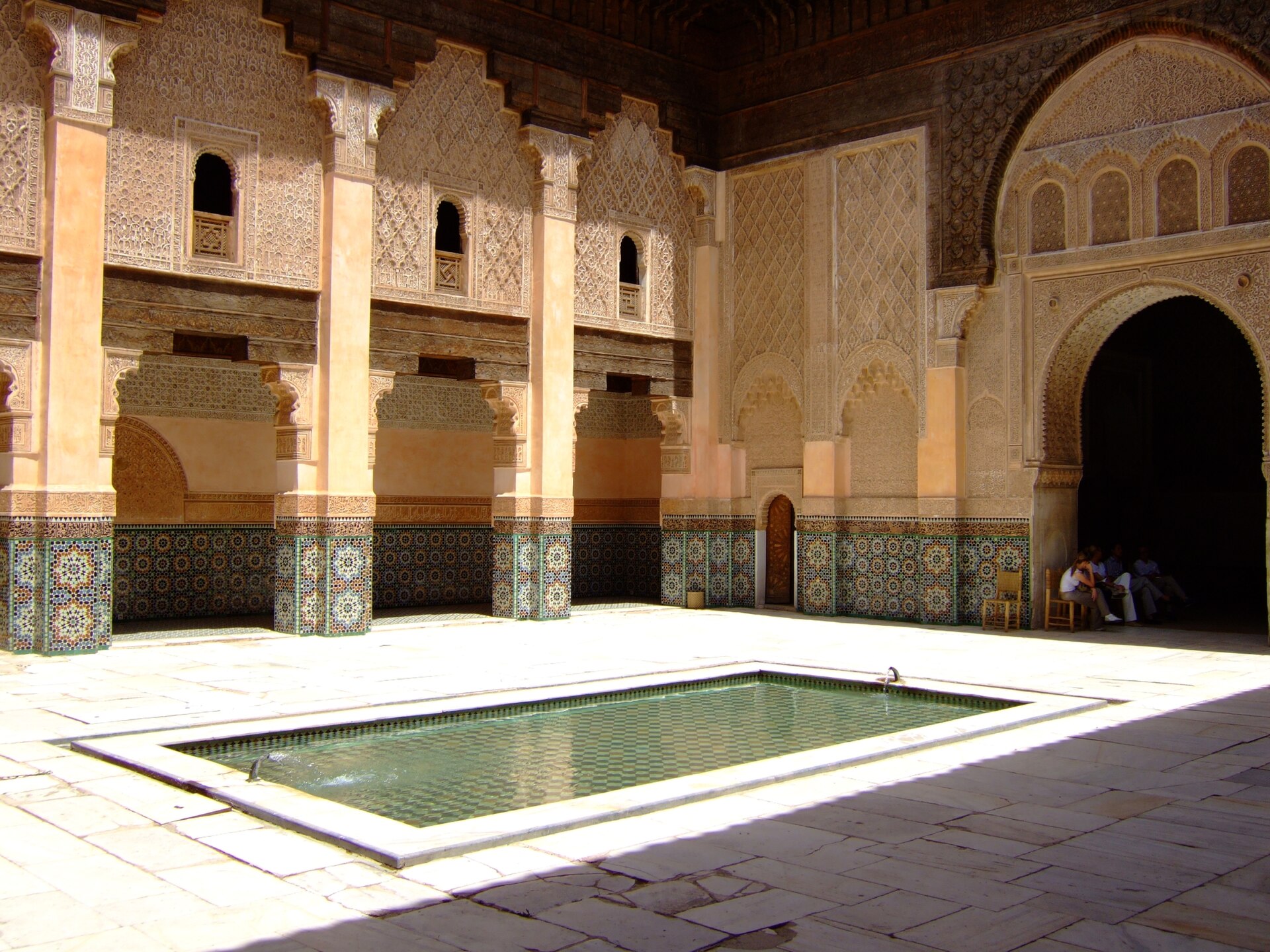
Ben Youssef Madrasa
- Must see · Heritage site
- Historic monument
Language · 11 published
Museum · Marrakesh
Musée de Marrakech متحف مراكش
Reviewed by Elena Voss · Roavina Travel Editor
| Monday | 09:00 – 18:00 |
|---|---|
| Tuesday | 09:00 – 18:00 |
| Wednesday | 09:00 – 18:00 |
| Thursday | 09:00 – 18:00 |
| Friday | 09:00 – 18:00 |
| Saturday | 09:00 – 18:00 |
| Sunday | 09:00 – 18:00 |
Checked 2026-08-31 · Source
Read from the OpenStreetMap access tags; anything not listed has no tag recorded.
Set the group type to family in the planner and the day window contracts to about three quarters of a solo day.
This place is a Museum. It was established in 1990. It carries the part of UNESCO World Heritage Site heritage designation.
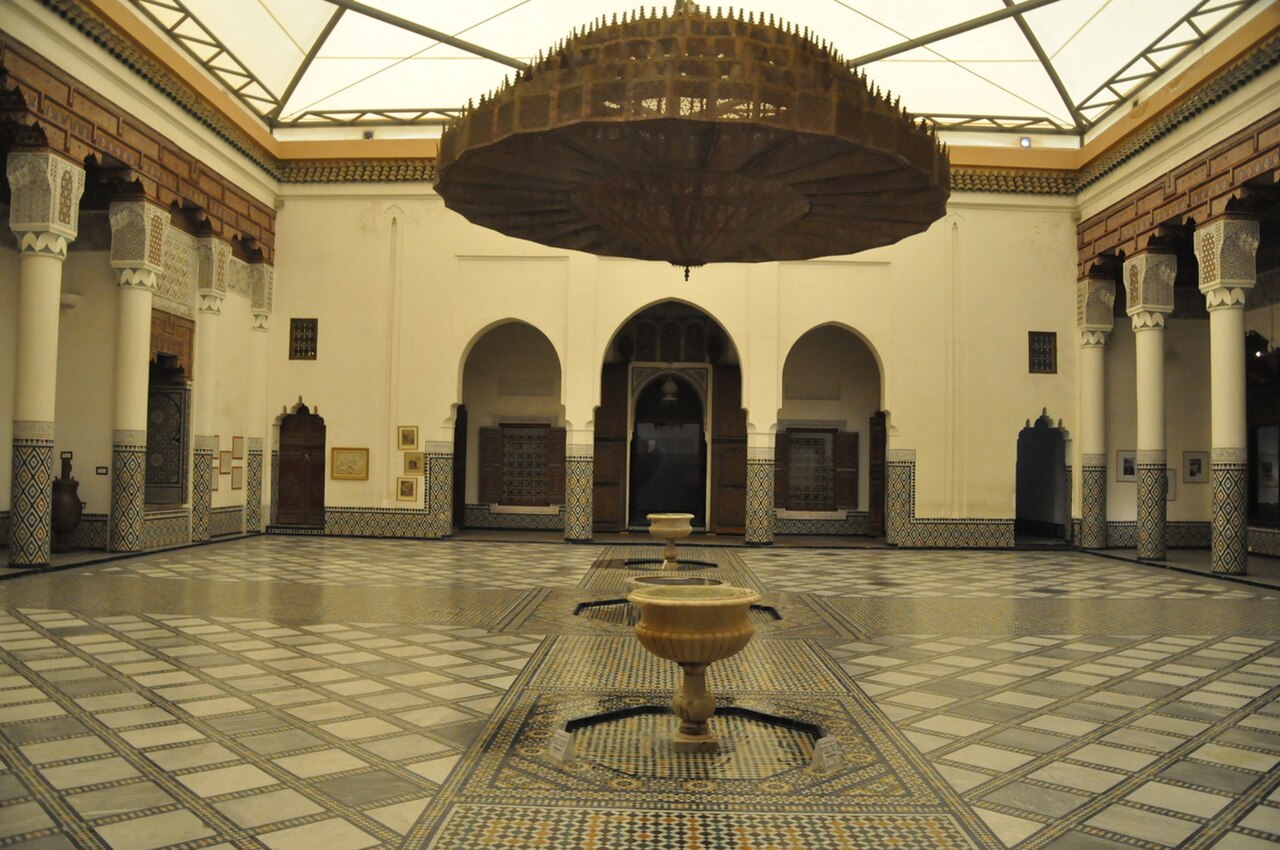
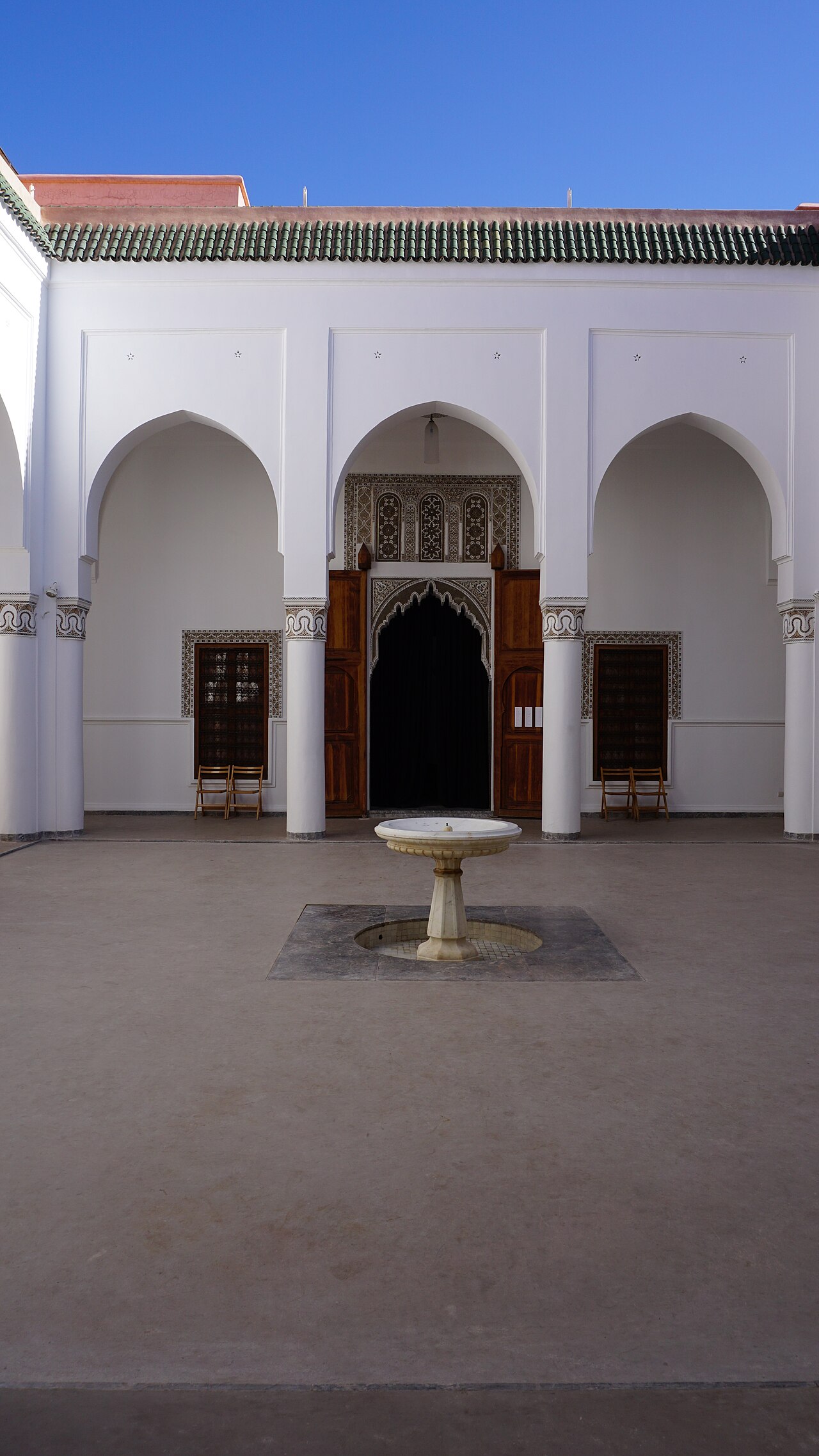
The Marrakech Museum occupies the restored Dar Menebhi palace near the Ben Youssef area. This 19th-century aristocratic residence exemplifies traditional Moroccan palace architecture with its courtyard layout, decorative plasterwork, carved cedar ceilings, and zellige tilework. The building itself constitutes a significant portion of the visitor experience, offering insight into the domestic architecture of Marrakesh's elite during this period. The museum functions as a municipal cultural institution presenting Moroccan artistic heritage within an authentically preserved historic setting. Daily 09:00–18:00. Open seven days a week; no weekly closure day is listed by Marrakech’s official tourism authority.
Checked 2026-08-31 · Source
The museum's collections encompass Moroccan art across multiple media, including contemporary and traditional works. Visitors encounter ceramics, textiles, jewelry, and calligraphic pieces displayed within the palace's ornate rooms and central courtyard. Temporary exhibitions rotate through dedicated gallery spaces, supplementing the permanent holdings. The interior architecture features a grand hammam, fountains, and reception chambers with elaborate decoration. The juxtaposition of art objects against the palace's original decorative program creates a layered cultural presentation where the container and contents mutually inform each other. Open seven days a week; no weekly closure day is listed by Marrakech’s official tourism authority.
Checked 2026-08-31 · Source
Visitors typically allocate between one and two hours for a comprehensive experience of the Marrakech Museum. This duration accommodates thorough examination of the permanent collections, appreciation of the architectural details throughout multiple rooms and courtyards, and engagement with any temporary exhibitions on display. Those with particular interest in Moroccan decorative arts or historic architecture may extend their visit accordingly. The compact scale of the palace-museum permits meaningful engagement without excessive time commitment, making it suitable for integration into broader medina exploration. The responsible tourism authority’s current museum information does not publish a base adult/general tariff or state that general admission is free.
Checked 2026-08-31 · Source
Visitors should verify current opening schedules through official channels before planning their visit. The museum's interior spaces offer partial refuge from Marrakesh's intense midday heat, though the courtyard remains exposed. Morning visits may provide more tranquil conditions before the medina reaches peak congestion. Ramadan and religious holidays potentially affect accessibility. Daily 09:00–18:00. The entrance is at Place Ben Youssef inside the car-free medina. ALSA Line 2 serves the medina perimeter at Bab Kechich and Bab Taghzout; continue on foot through the medina to Place Ben Youssef. Taxis and private vehicles cannot reach the museum door.
Checked 2026-08-31 · Source
The museum presumably operates on an admission-fee basis common to Moroccan state and municipal cultural institutions, though specific rates require direct verification. Potential categories may include standard adult entry, reduced rates for qualifying visitors, or combined arrangements with nearby heritage sites. Cash payment in Moroccan dirhams typically prevails at medina institutions. The responsible tourism authority’s current museum information does not publish a base adult/general tariff or state that general admission is free. HandiOasis gives the museum its highest three-star accessibility rating. An adapted toilet is available. The museum is inside the medina, approximately 100 metres from Ben Youssef Madrasa.
Checked 2026-08-31 · Source
The museum occupies the medina's northern quarter near Ben Youssef Mosque and the former Ben Youssef Madrasa, accessible exclusively on foot through the dense pedestrian network. No vehicular access penetrates this zone. The entrance is at Place Ben Youssef inside the car-free medina. ALSA Line 2 serves the medina perimeter at Bab Kechich and Bab Taghzout; continue on foot through the medina to Place Ben Youssef. Taxis and private vehicles cannot reach the museum door. An adapted toilet is available. The museum is inside the medina, approximately 100 metres from Ben Youssef Madrasa.
Checked 2026-08-31 · Source
The medina environment presents characteristic challenges: uneven paving, limited lighting in covered passages, and active motorbikes traversing nominally pedestrian routes. The palace's historic fabric includes steps, thresholds, and floor level changes potentially hazardous to mobility-impaired visitors. Persistent unofficial guides may attach themselves to approaching tourists; politely declining repeated solicitations remains necessary. Bag security warrants attention in crowded conditions. HandiOasis gives the museum its highest three-star accessibility rating. The museum is inside the medina, approximately 100 metres from Ben Youssef Madrasa. The museum is on Place Ben Youssef in Marrakech’s medina.
Checked 2026-08-31 · Source
Photography policies at Moroccan museums vary considerably and often restrict flash usage, tripod deployment, or image capture in specific galleries. The ornate architectural interiors of Dar Menebhi present obvious photographic appeal, particularly the central courtyard, decorative ceilings, and fountain installations. Visitors should observe posted regulations and staff guidance regarding permissible photography. Respect for fellow visitors and any active conservation protocols governs appropriate behavior. Commercial or publication-oriented photography typically requires advance institutional authorization. The museum is on Place Ben Youssef in Marrakech’s medina. Marrakech Museum occupies the restored Mnebhi Palace, a former private palace.
Checked 2026-08-31 · Source
The museum is on Place Ben Youssef in Marrakech’s medina.
Marrakech Museum occupies the restored Mnebhi Palace, a former private palace.
Its displays include ceramics, coins, jewellery and contemporary Moroccan artworks.
The monumental central patio is dominated by a large chased-copper chandelier.
No. The medina is car-free, so the final approach to Place Ben Youssef is on foot.
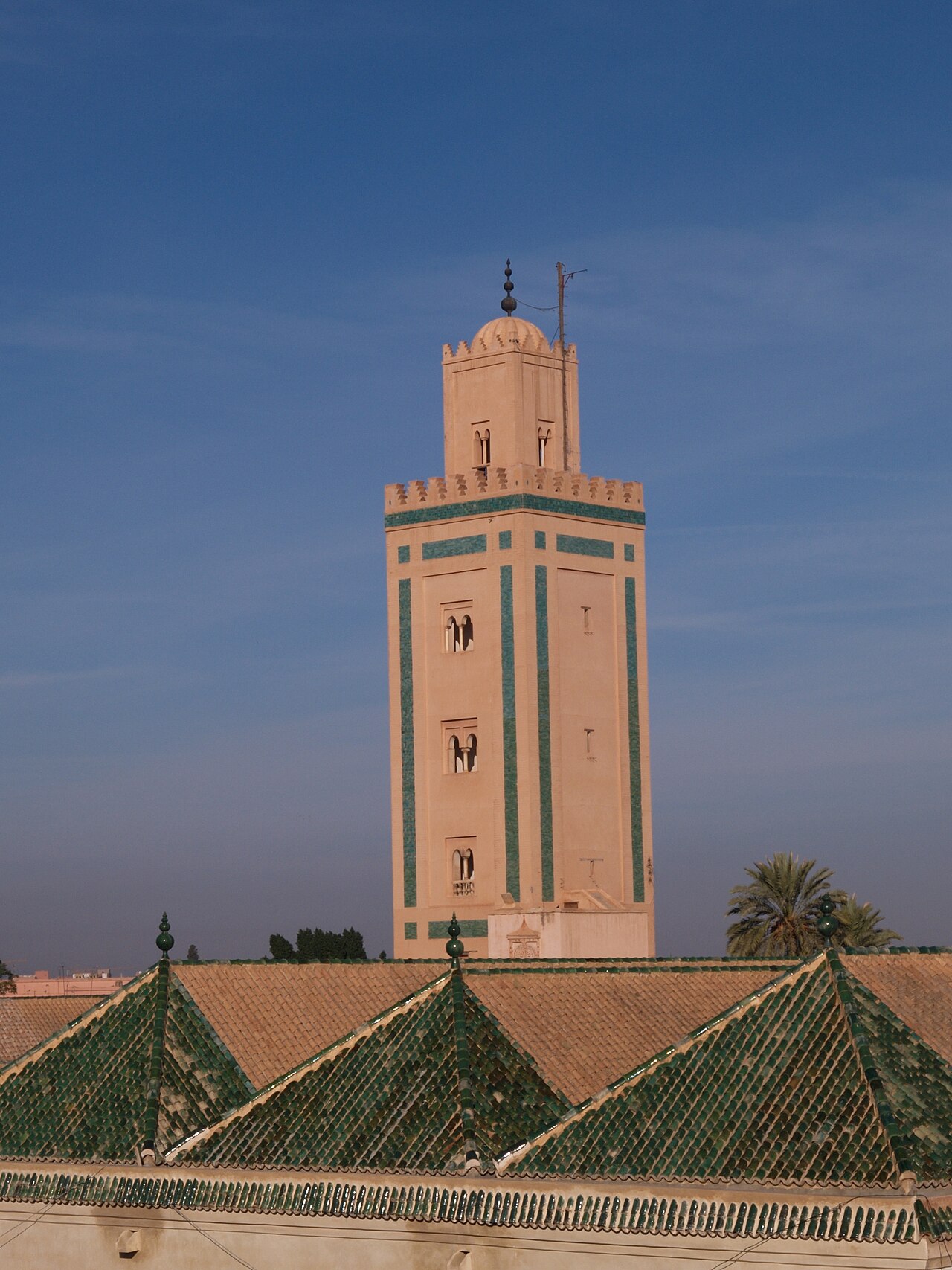
Ben Youssef Madrasa and the Almoravid Qoubba are both beside the museum precinct.
Loading the interactive map…
The interactive map could not be loaded.
Last updated:
Source: OpenStreetMap contributors, Wikidata ·