.jpg)
23 min walk
Beatrixpark
- Must see
- Nature site
Language · 11 published
Nature site · Amsterdam
Reviewed by Elena Voss · Roavina Travel Editor
This place is a Park. It was established in 1972.
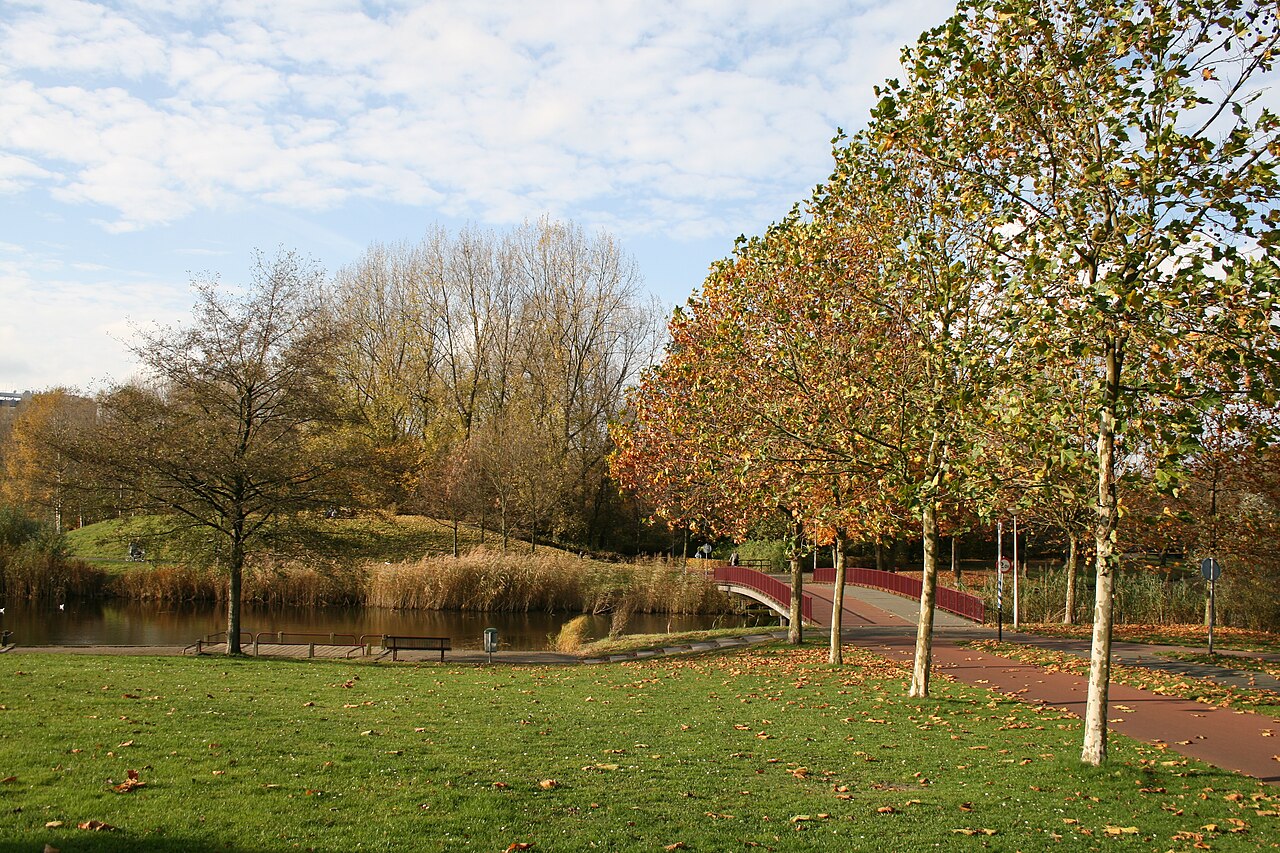
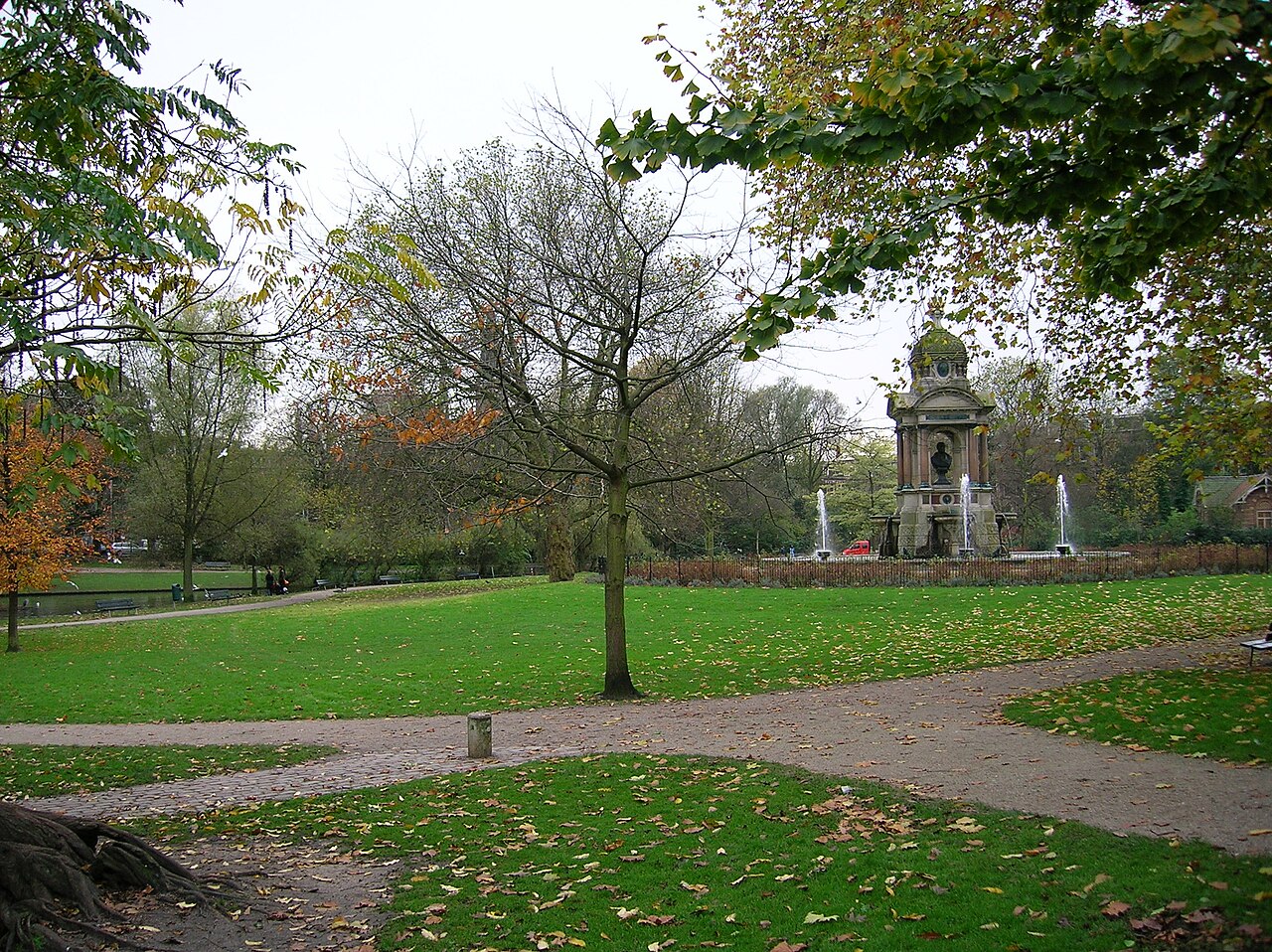
Amstelpark is a large public park in southern Amsterdam beside the Amstel River. It was created for the 1972 Floriade horticultural exhibition, and its origins explain the mixture of formal gardens, planted displays, paths, recreation, and art. The park offers a slower contrast with the canal ring: visitors can walk among gardens, pause beside green spaces, and build a flexible outdoor visit around family activities or landscape photography. Amstelpark is a public park located in the southern part of Amsterdam, Netherlands. The park sits on the banks of the Amstel River, from which it derives its name. It was created in 1972 for the Floriade, an international horticultural exhibition held in the Netherlands. The park occupies a substantial green space within the city and serves as a recreational area for residents and visitors. Its creation for a major exhibition explains the presence of varied landscaped gardens and structured planting throughout the grounds. General access to the park grounds is typically without charge as a public park, though certain activities or facilities inside may involve separate fees.
Checked 2026-08-26 · Source
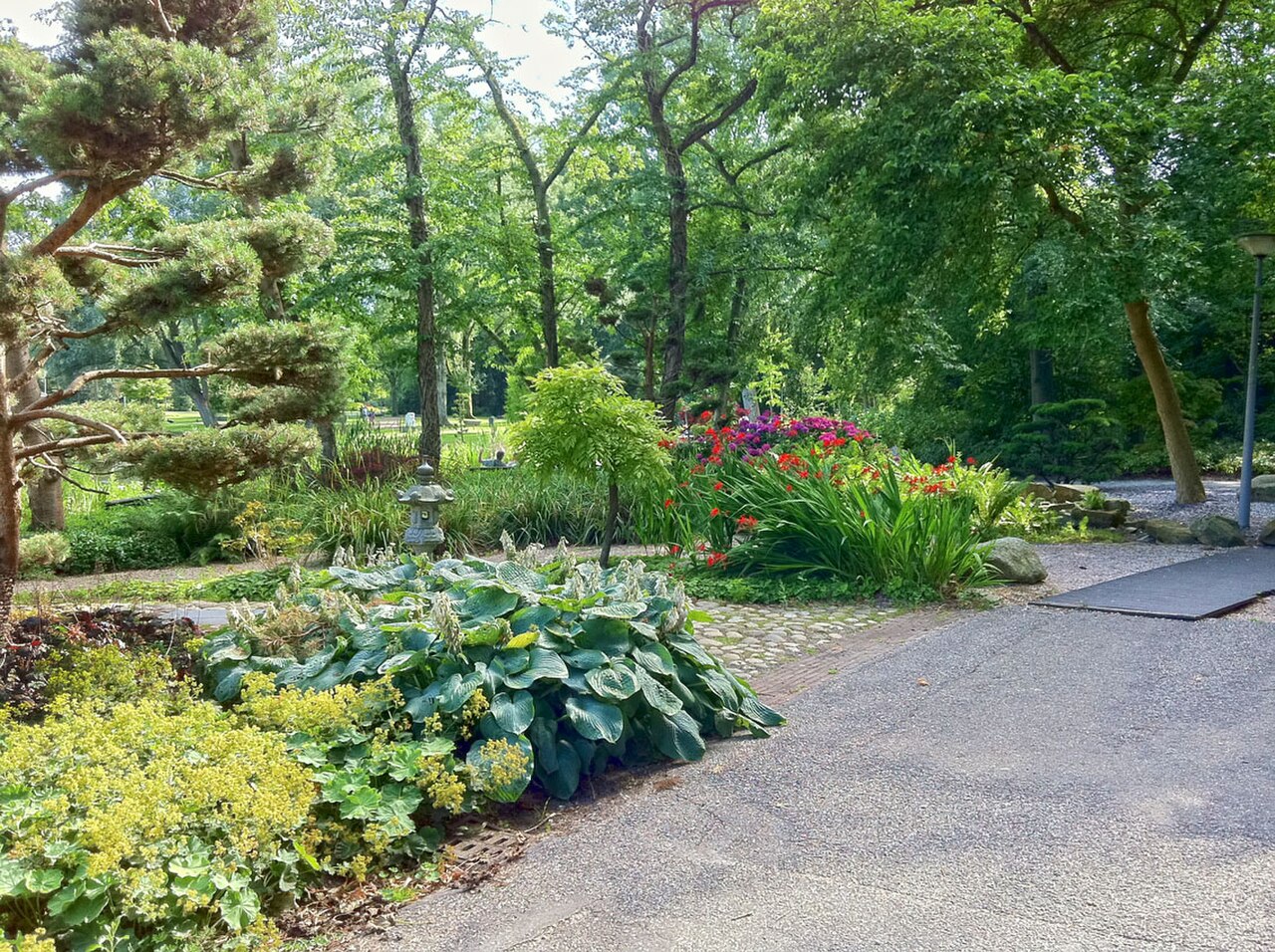
Amstelpark includes formal gardens, a rose garden, rhododendron garden, Japanese garden, labyrinth, petting zoo, and miniature golf course. The Rieker Windmill adds an historic feature, while sculptures and art installations provide points of interest along the grounds. A gallery and café facilities add indoor pauses to the outdoor route. Because the park combines gardens, recreation, and art, visitors can shape the visit around plants, family time, photography, or a relaxed walk beside the city. The park contains several notable features reflecting its origins as an exhibition site.
Checked 2026-08-26 · Source
Allow one to three hours at Amstelpark. A brisk circuit through the main paths and gardens can fit into about an hour, while the labyrinth, Rieker Windmill, petting zoo, miniature golf, and gallery extend the visit. Families may want additional time for activities and pauses, whereas photographers can spend longer moving between formal planting areas and sculptures. The park also works as a generous break between southern Amsterdam sights, without requiring a tightly timed route.
Checked 2026-08-26 · Source
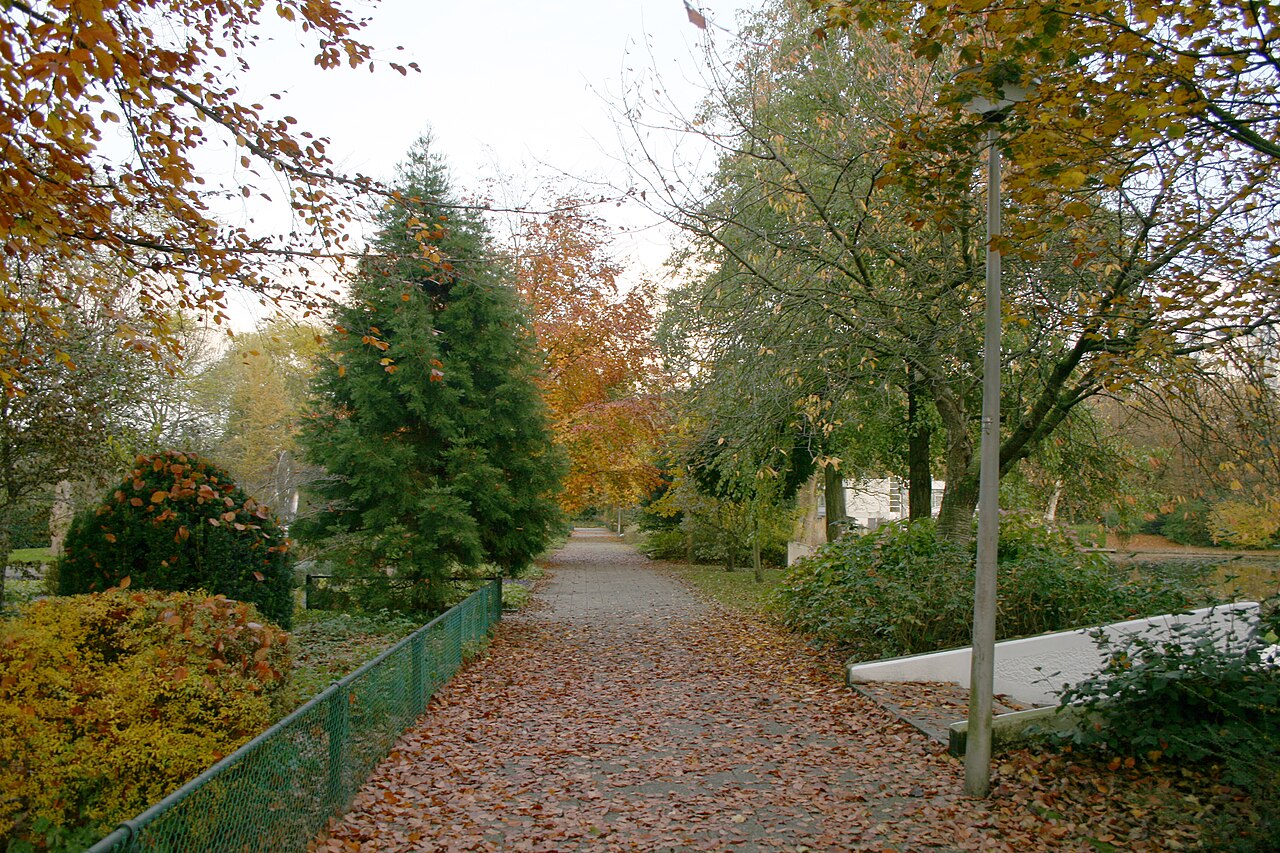
Spring and summer bring the fullest garden displays and the greatest benefit from the park’s outdoor setting. Autumn adds changing foliage, while winter offers a quieter, more restrained landscape. Choose a dry day if you want to explore several gardens and paths, since much of the experience takes place outside. Arriving with enough daylight helps with both plant displays and photographs. The park’s seasonal character makes it rewarding to revisit rather than treating it as a single fixed view.
Checked 2026-08-26 · Source
Amstelpark is a public park, so the grounds provide an accessible setting for a general walk without a standard attraction-style entry experience. Some activities and facilities inside the park, including miniature golf or special programmes, may have their own arrangements. Plan the main visit as a walk through gardens and green space, then treat optional activities as additions. This makes the park suitable for travellers who want a flexible stop without committing the entire day to one paid attraction.
Checked 2026-08-26 · Source
Amstelpark lies in Amsterdam-Zuid and can be reached by public transport, bicycle, or car, followed by a walk to the park. Cycling fits naturally with Amsterdam’s local travel culture, while the park’s southern position makes it a useful addition to a route outside the immediate canal ring. Use a current journey planner for the final public-transport choice and the mapped park location for the entrance approach. Plan extra walking time if you want to explore more than one garden.
Checked 2026-08-26 · Source
Amstelpark is mainly outdoors, so rain, wind, heat, and slippery paths can shape the day. Stay on designated paths to protect planted areas, and take extra care near water features and the Amstel River, particularly with children. Cyclists and pedestrians share Amsterdam’s wider movement culture, so remain alert where routes cross. At the petting zoo, follow the boundaries and treat animals gently. Bring weather-appropriate clothing and keep personal belongings secure during longer pauses.
Checked 2026-08-26 · Source
Amstelpark offers more photographic variety than a simple city garden. Frame the rose and Japanese gardens, seasonal planting, the Rieker Windmill, sculptures, paths, and open views toward the river. Morning and late afternoon light can give texture to plants and relief details, while overcast weather suits saturated garden colours. Keep clear of narrow paths and other visitors, and protect equipment from rain. A longer visit lets you return to the strongest subjects as the light changes.
Checked 2026-08-26 · Source
It is known for formal gardens, recreational features, art, and the Rieker Windmill in southern Amsterdam.
Amstelpark was created for the 1972 Floriade horticultural exhibition.
The park includes formal planting areas, a rose garden, a rhododendron garden, and a Japanese garden.
Yes. The petting zoo, labyrinth, and miniature golf course give families several ways to spend time beyond walking through the gardens.
Plan one to three hours, depending on whether you walk the gardens only or add activities such as the labyrinth, petting zoo, or miniature golf.
The Rieker Windmill is an eighteenth-century windmill relocated to Amstelpark as a historic feature within the grounds.
Loading the interactive map…
The interactive map could not be loaded.
Last updated:
Source: OpenStreetMap contributors, Wikidata ·