
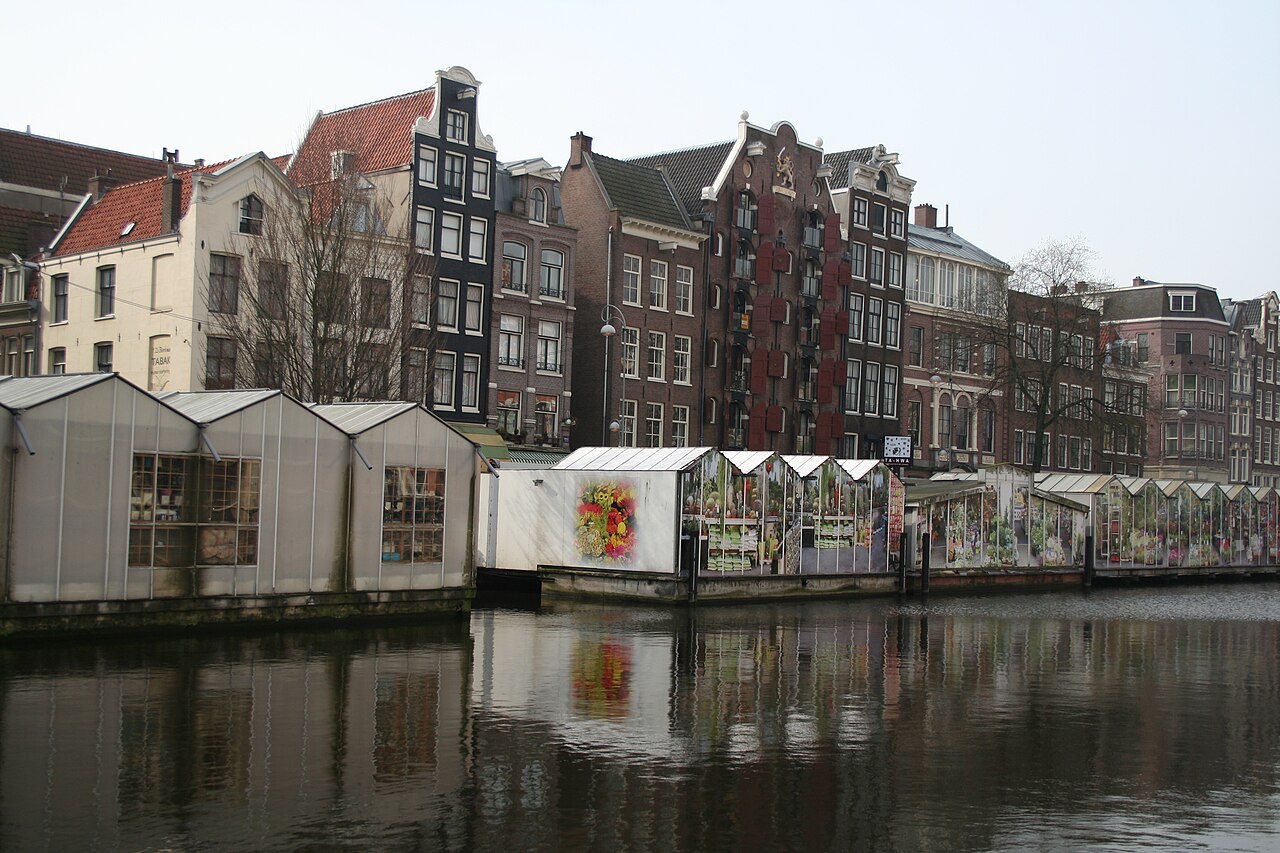
2 min walk
Bloemenmarkt
- High
- Market
Language · 11 published
Museum · Amsterdam
Kattenkabinet
Reviewed by Elena Voss · Roavina Travel Editor
| Monday | 10:00 – 17:00 |
|---|---|
| Tuesday | 10:00 – 17:00 |
| Wednesday | 10:00 – 17:00 |
| Thursday | 10:00 – 17:00 |
| Friday | 10:00 – 17:00 |
| Saturday | 12:00 – 17:00 |
| Sunday | 12:00 – 17:00 |
Parsed from OpenStreetMap opening hours on 2026-09-09.
This place is a Museum. It was established in 1990. It carries the Rijksmonument heritage designation.
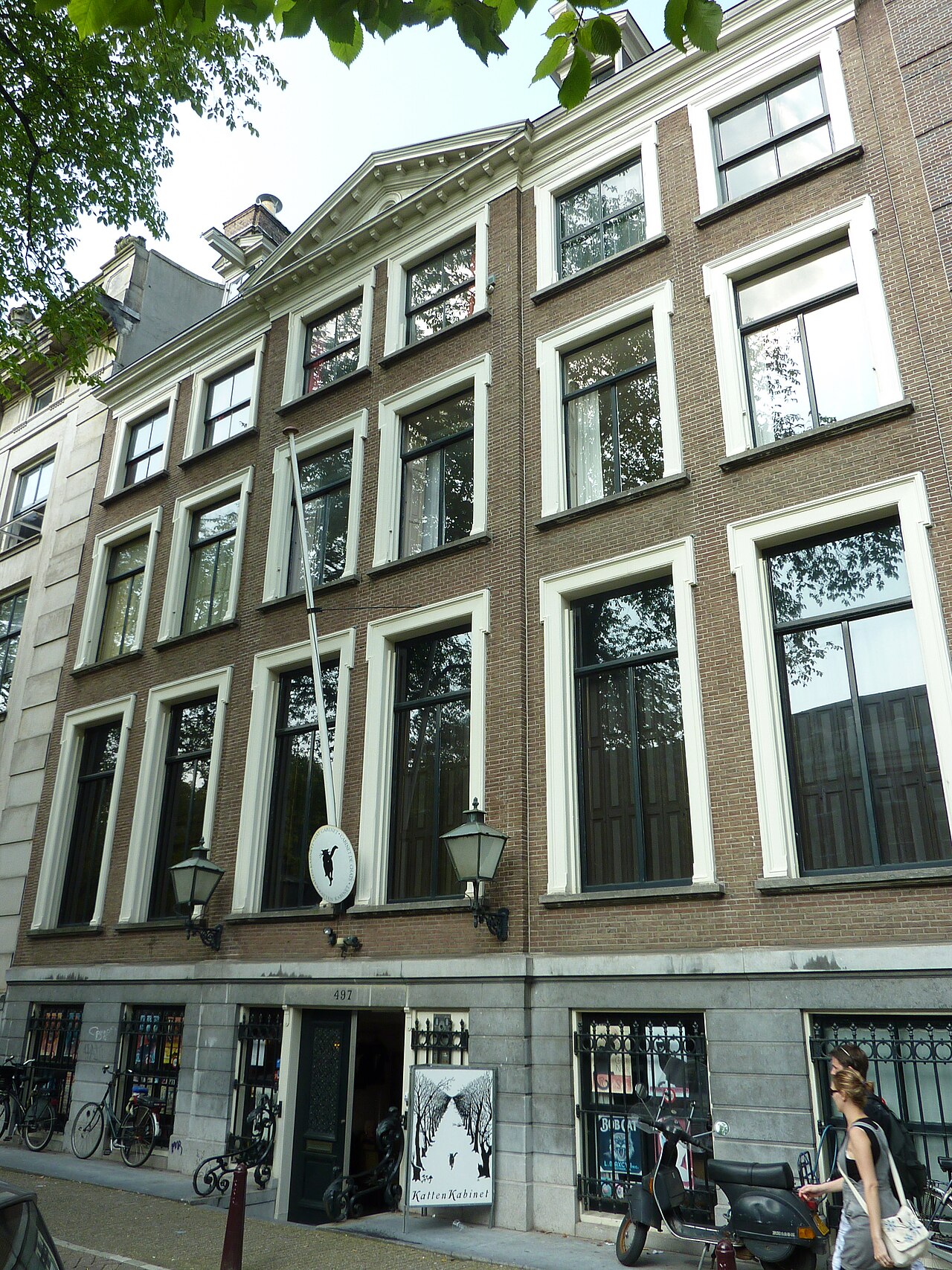
The Kattenkabinet is a museum in Amsterdam dedicated entirely to cat-related art and culture. Founded in 1990, it occupies a canal house on the Herengracht. The institution celebrates the role of cats in visual arts across centuries. It occupies a historic building typical of Amsterdam's Golden Age architecture, with period rooms serving as gallery spaces. The museum reflects Dutch fondness for domestic cats while presenting serious artistic works. Its collection spans paintings, drawings, sculptures, and posters. The Kattenkabinet operates as a private museum, maintaining independent curatorial standards. Visitors encounter both fine art and popular culture representations of felines in an intimate residential setting.
Checked 2026-08-26 · Source
The museum displays works by renowned artists including Picasso, Rembrandt, and Toulouse-Lautrec, all featuring cats as subjects. The collection encompasses posters, sculptures, and decorative objects alongside paintings. Period furniture fills the canal house rooms, creating domestic atmosphere. Temporary exhibitions rotate through the space. The museum's namesake cats may be present during visits, living among the artworks. Informational materials explain artistic contexts. The presentation emphasizes how cats have inspired creators across movements and eras. Display cases protect smaller objects while larger works hang on walls in traditional salon arrangement. The collection demonstrates sustained cultural fascination with feline companions.
Checked 2026-08-26 · Source
Most visitors spend approximately one hour exploring the Kattenkabinet. The compact scale of a canal house limits the physical space to traverse. Two floors of exhibition rooms contain the core displays. Readers of detailed labels and those seeking cats require additional time. The intimate setting encourages unhurried examination rather than rushed progression. Visitors with strong interest in specific artists or periods may linger longer. Families with children sometimes complete circuits more quickly. The museum's size suits inclusion within broader Amsterdam itineraries rather than dedicating full days. Return visits accommodate changing temporary exhibitions.
Checked 2026-08-26 · Source
Visitors should consult current official sources before planning attendance. Seasonal considerations for Amsterdam apply generally. Summer months bring peak tourism throughout the city, potentially affecting queue lengths at smaller attractions. Winter offers quieter experiences but reduced daylight hours for combined walking tours. Rainy weather, common in all seasons, makes indoor museums practical choices. School holidays may increase family visitation. Morning arrivals typically provide calmer environments at specialized museums. Verify operational status before travel as small private museums occasionally adjust schedules.
Checked 2026-08-26 · Source
The Kattenkabinet operates as a private museum, suggesting admission fees apply. Potential discounts for students, seniors, or children remain unverified. Group rates may be available with advance arrangement. Amsterdam museum passes sometimes include smaller institutions, though inclusion requires confirmation. Online pre-purchase options should be investigated through official channels. Free entry periods, common at Dutch national museums, may not extend to private operations. Budget-conscious visitors should allocate flexible funds. Contact the museum directly for current pricing structures and any combined ticket arrangements.
Checked 2026-08-26 · Source
The Kattenkabinet sits on Herengracht, one of Amsterdam's central ring canals. Walking from Dam Square or Leidseplein covers manageable distances through characteristic canal districts. Tram lines serve nearby stops along major thoroughfares. Central Station provides the main rail connection, requiring onward transit or walking. Cycling represents authentic Amsterdam arrival methods, with parking challenges typical of central locations. Canal tour boats pass the address without stopping specifically. Street signage in Dutch and English assists navigation. The compact historic center makes the museum reachable from numerous hotels. Water taxi services operate on canals for alternative transport. Pedestrian bridge crossings connect across canal rings.
Checked 2026-08-26 · Source
The historic canal house features steep staircases between floors, presenting accessibility challenges. Original floor surfaces may be uneven. The presence of live cats introduces allergy considerations for sensitive visitors. Fragile artworks in domestic settings lack the protective barriers of major institutions. Touching displays is prohibited. Limited capacity creates potential entry delays during busy periods. Photography policies require verification on arrival. The intimate scale means crowding affects experience quality significantly. No on-site catering facilities exist. Nearby restroom availability should be confirmed. Language of interpretive materials varies; Dutch predominates with possible English supplements. Children require supervision among art objects and resident animals.
Checked 2026-08-26 · Source
Visitors should request clarification from staff upon entry. Social media sharing of images raises copyright considerations regarding displayed works. Respect for other visitors' experience governs appropriate camera behavior. Resident cats as living subjects may attract photographic interest; their welfare takes priority. Video recording policies remain unverified. Commercial photography requires explicit permission. Mobile phone cameras present fewer intrusion concerns than equipment-heavy setups. Always observe posted signage and verbal instructions from museum personnel regarding image capture.
Checked 2026-08-26 · Source
Children may enjoy the cat theme, though the art-focused presentation suits mature appreciation. Live cats present interest for younger visitors. Parents must supervise among unbarriered artworks and steep stairs.
Cat presence varies as they are living animals, not scheduled exhibits. Visitors should not expect guaranteed feline encounters during any specific visit.
The historic canal house with steep stairs presents significant accessibility limitations. Visitors with mobility requirements should contact the museum directly to assess feasible accommodation.
Small private museums may offer limited retail.
Standard museum practice prohibits consumption near artworks.
The museum's intimate scale may render such services unnecessary.
Loading the interactive map…
The interactive map could not be loaded.
Last updated:
Source: OpenStreetMap contributors, Wikidata ·