
1 min walk
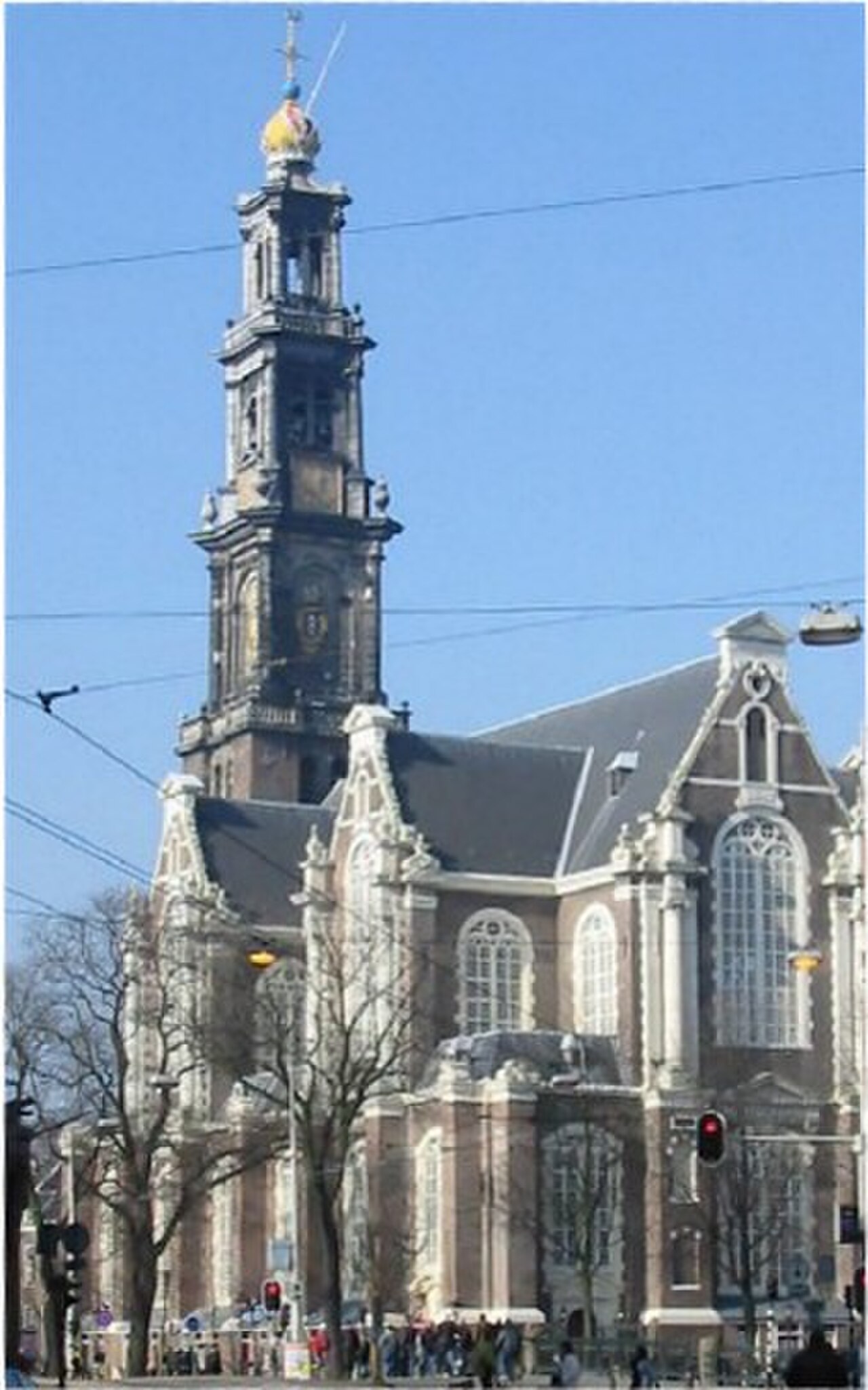
Westerkerk
- Must see · Heritage site
- Place of worship
Language · 11 published
Historic monument · Amsterdam
Reviewed by Elena Voss · Roavina Travel Editor
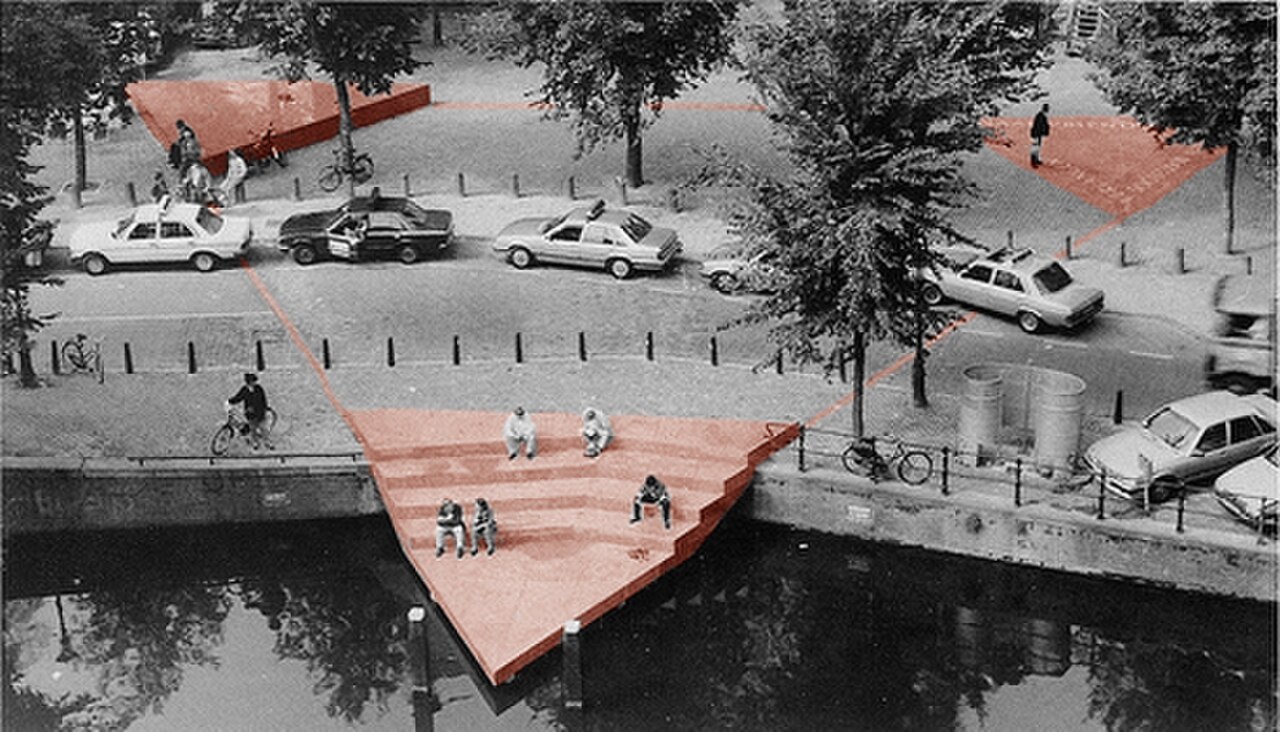
This place is a Memorial. It opened in 1987. It is built of granite.
The Homomonument is an outdoor memorial on Amsterdam’s Keizersgracht, beside the Westerkerk. Karin Daan designed the three-part pink granite monument, unveiled in 1987, as a public place of remembrance for LGBTQ+ people persecuted because of their sexuality. Three triangles form a larger triangle, transforming a symbol imposed on homosexual prisoners by the Nazis into an expression of visibility, dignity and resistance. The monument is still part of Amsterdam’s living LGBTQ+ landscape: people come to reflect, lay flowers, gather and affirm equal rights. Its setting on the canal makes the memorial inseparable from the city around it, while its history gives a short visit unusual emotional and civic depth.
Checked 2026-08-26 · Source
There is no indoor gallery or museum interior at the Homomonument. The work is arranged as three pink granite triangles set into and around the canal-side public space. One triangle points toward the Anne Frank House, another toward the National War Memorial on Dam Square, and the third rises upward. These directions give the installation a spatial meaning best understood by walking around it rather than viewing it from one fixed position. The granite, canal edge and adjacent streets are all part of the experience. Pause at each element and notice how an international memorial is woven into everyday Amsterdam.
Checked 2026-08-26 · Source
Allow about 15 to 30 minutes for a self-guided visit. That gives enough time to see the three triangles from different positions, take in the canal setting and pause with the monument’s history. A shorter stop works when passing between the Westerkerk and the Anne Frank House; a longer one makes sense if flowers, a ceremony or a public gathering is taking place. There is no room-by-room visit or timed circuit. Treat the duration as flexible, because the significance of the memorial rewards attention more than speed.
Checked 2026-08-26 · Source
Daylight is useful for reading the monument through its geometry, granite surfaces and canal setting. Weather matters because the installation is exposed beside the water, and wet conditions can change both the atmosphere and footing. LGBTQ+ gatherings, vigils and commemorations may make the area busier and give the visit a civic rather than solitary character. The monument’s meaning is not limited to one annual occasion: its public setting supports remembrance and visibility throughout the year. Allow extra time if you encounter flowers, a ceremony or a gathering that invites quiet attention.
Checked 2026-08-26 · Source
The Homomonument is an outdoor installation in public space and has no admission charge or ticketed entrance. Visitors can include it in a walking route without arranging timed entry for the memorial itself. Nearby destinations, including the Anne Frank House, have separate entry arrangements and should not be treated as part of the monument. Plan time to walk around the three triangles, notice their different orientations and pause with the memorial’s subject, rather than approaching it as a conventional attraction built around galleries or visitor reception.
Checked 2026-08-26 · Source
The Homomonument stands on Keizersgracht beside the Westerkerk and close to the Anne Frank House in Amsterdam’s central canal district. It fits naturally into a walking route through the Jordaan and western canal belt. Nearby tram stops provide access from other parts of the city, followed by a walk through the historic centre. Cycling is also common in Amsterdam, but visitors should leave bicycles only where local parking rules allow. Canal boats pass the area, yet the monument is not a dedicated boat stop. The canal-side setting makes a map useful for the final approach when nearby streets are busy.
Checked 2026-08-26 · Source
The Homomonument is an unsupervised memorial in a busy central neighbourhood, so remain aware of bicycles, pedestrians and the canal edge. Wet granite may be slippery. During vigils, demonstrations or other gatherings, give participants room and follow temporary directions in the public space. This is a place of remembrance as well as an urban landmark, so avoid climbing on the monument or treating ceremonies as a backdrop without considering those present. At night, use ordinary city-centre awareness. The site’s openness is part of its character, but there is no dedicated staff member providing on-site assistance.
Checked 2026-08-26 · Source
The three pink granite triangles make the Homomonument visually distinctive, especially with the Keizersgracht, canal reflections or Westerkerk nearby. Walk around the installation to show how the separate forms create a larger triangle and to capture their different orientations. Overcast light can soften the granite; low sunlight can make edges and shadows more pronounced. Keep clear of people attending a ceremony, laying flowers or using the monument for protest, and ask before making a person the focus of a commemorative image. Ordinary handheld photography is the practical choice; any drone use must follow Dutch aviation rules.
Checked 2026-08-26 · Source
No. The Homomonument is an outdoor memorial made from three pink granite triangles on the Keizersgracht. There is no enclosed museum or gallery at the monument itself.
No. The Homomonument is an outdoor installation in public space with no admission charge or ticketed entrance. Nearby attractions have their own entry arrangements and are separate from the monument.
The pink triangle refers to the badge homosexual prisoners were forced to wear by the Nazis in concentration camps. The monument reclaims that symbol for remembrance, visibility and LGBTQ+ rights.
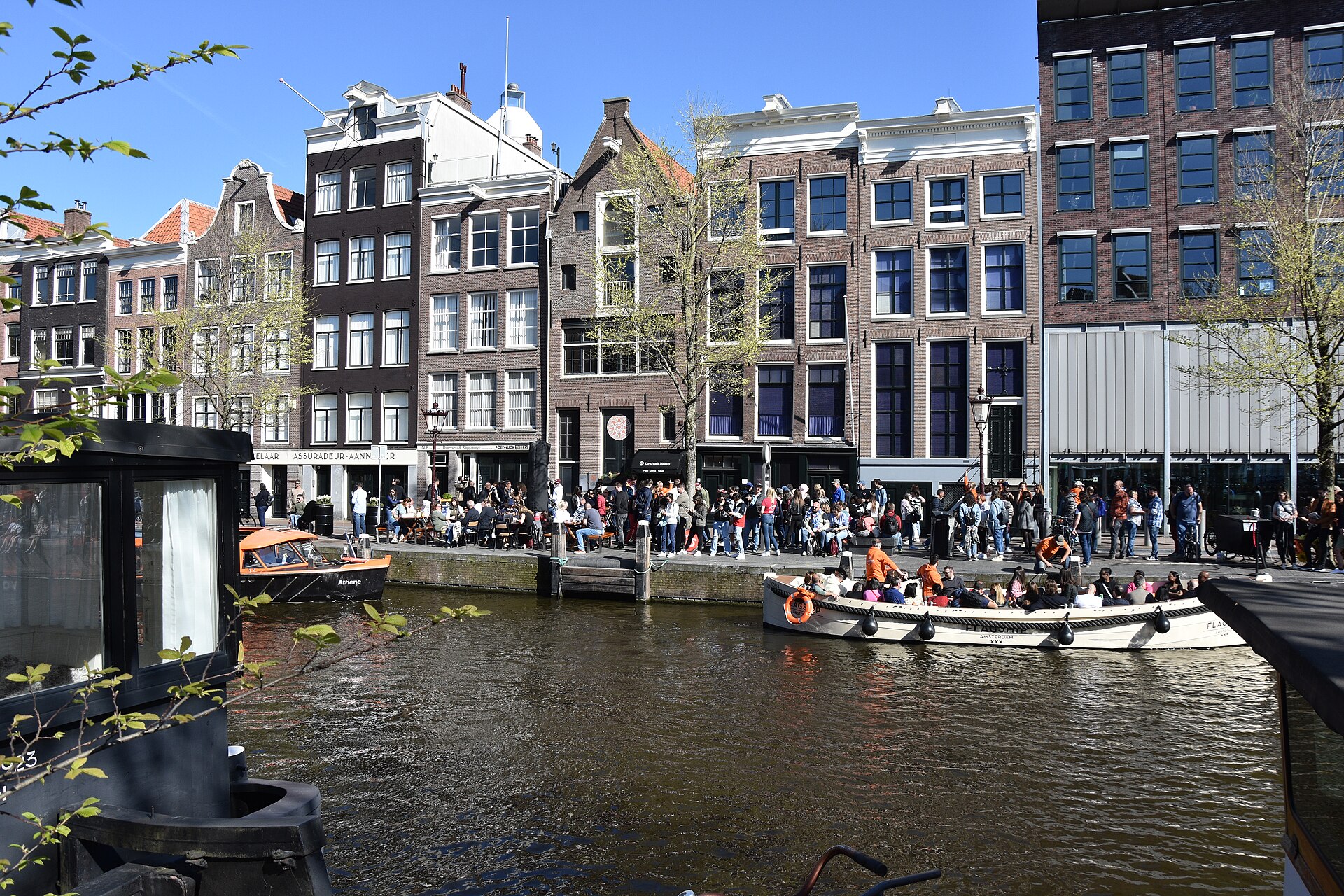
One of the monument’s triangles points toward the Anne Frank House on Prinsengracht. The two nearby memorial sites remember different groups affected by persecution during the Nazi occupation.
The Homomonument is an unsupervised outdoor installation that visitors experience independently. A broader Amsterdam walking tour may include the site, but the monument itself has no formal guided-tour infrastructure.
The monument is used for LGBTQ+ gatherings, commemorations and demonstrations, including Pride-related activities and May fourth remembrance. These occasions can make the site busier and change the character of a visit.
Loading the interactive map…
The interactive map could not be loaded.
Last updated:
Source: OpenStreetMap contributors, Wikidata ·