


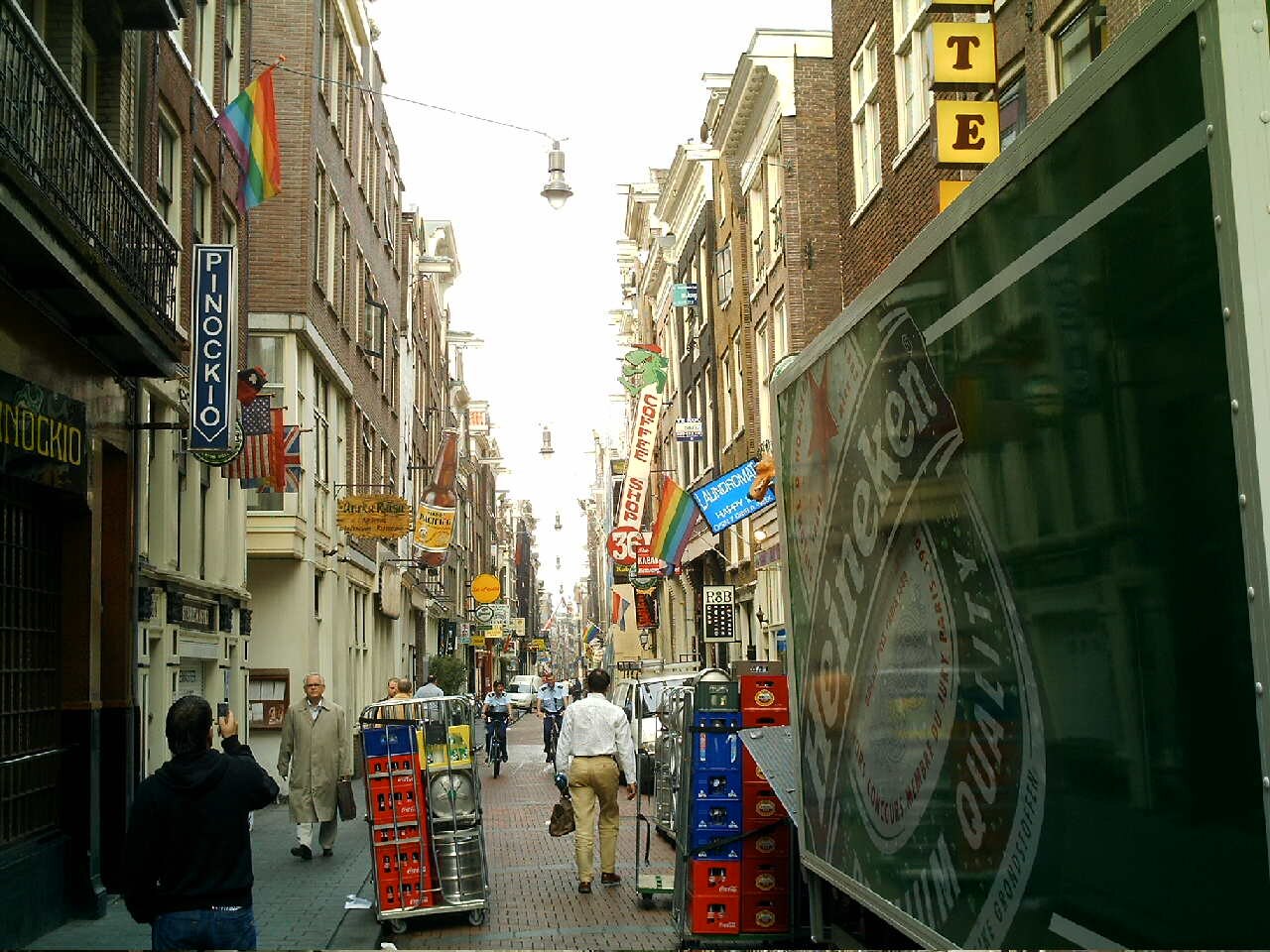
1 min walk
Warmoesstraat
- Notable
- Historic site
Place of worship · Amsterdam
Ons' Lieve Heer op Solder

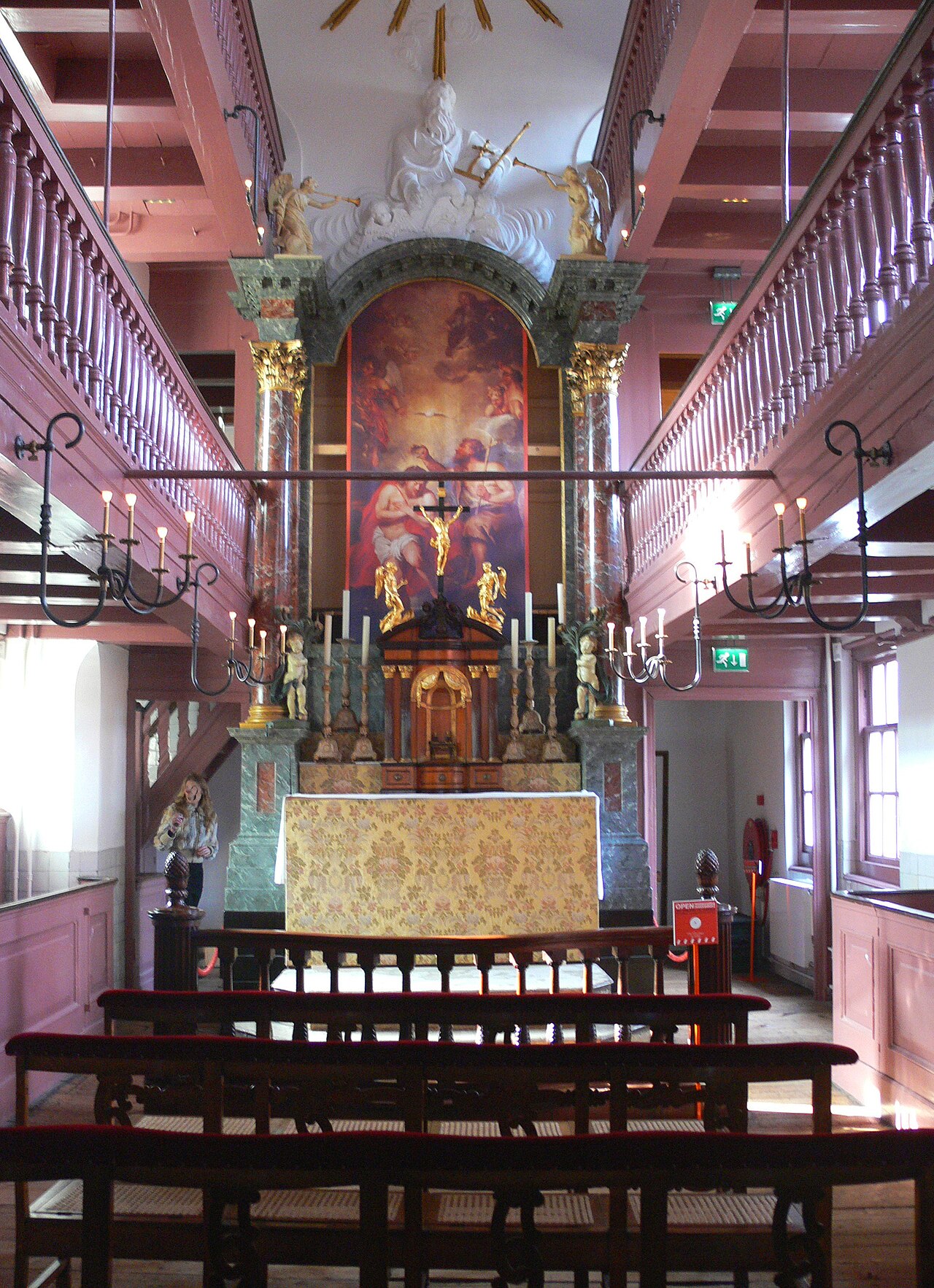
Ons' Lieve Heer op Solder is a museum in Amsterdam centred on a hidden Catholic church built in the attic of a seventeenth-century canal house. The building dates from 1663 and served as a clandestine place of worship during the Dutch Republic, when public Catholic mass was forbidden. The merchant Jan Hartman purchased the house and constructed the church across three upper floors. It remained in use until 1887 and opened as a museum in 1888. Monday–Sunday 10:00–18:00. From September through June, the museum opens at 11:00 on the first Sunday of each month because of church services.
Checked 2026-08-31 · Source
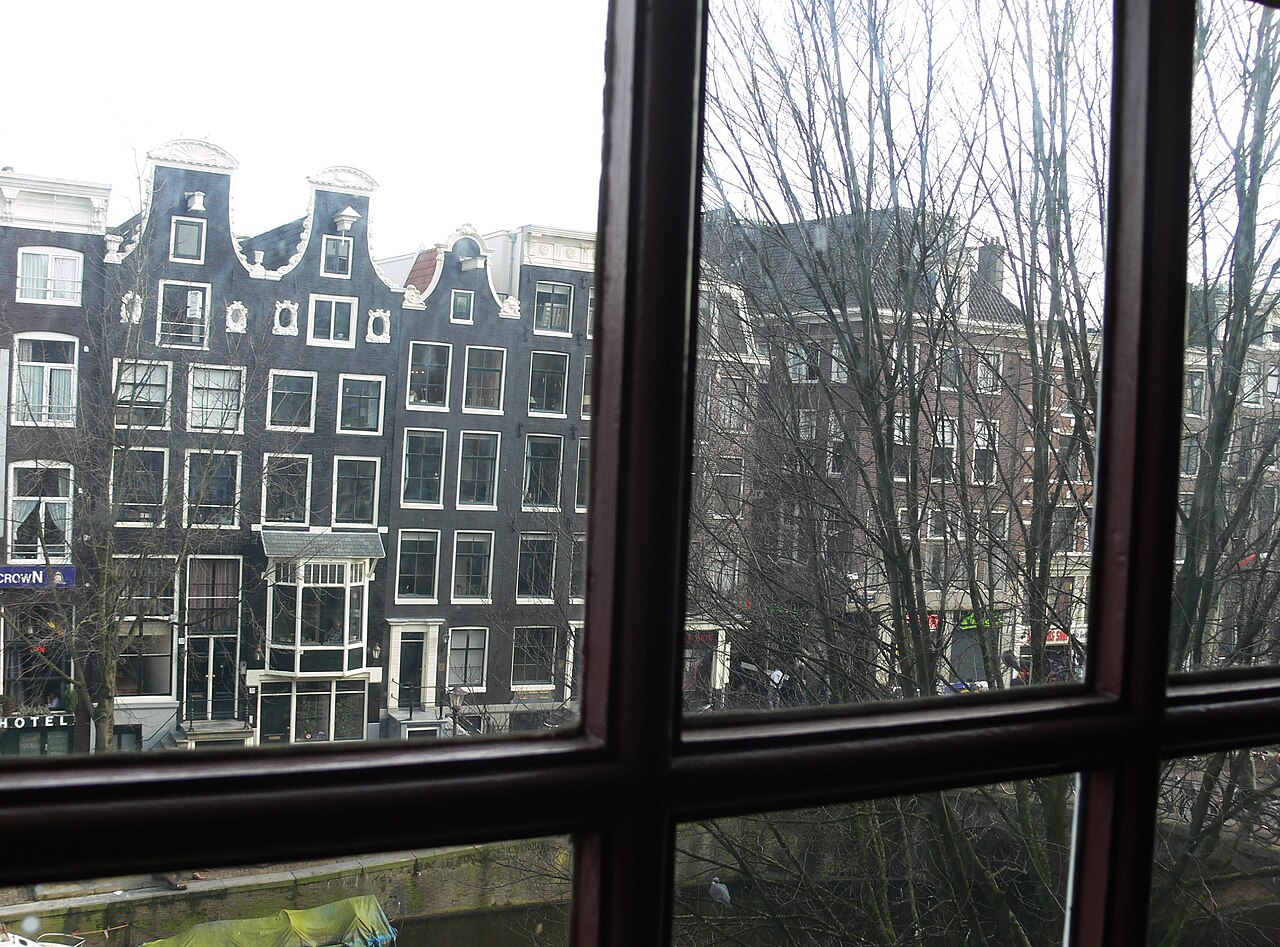
The museum comprises the original canal house with period rooms and the attic church complete with organ, altars, and seating galleries. Visitors encounter restored interiors including kitchens, bedrooms, and reception rooms furnished to reflect seventeenth and eighteenth-century merchant life. The church space features two floors of pews, a marble altar, and an eighteenth-century organ. The building contains steep staircases connecting its multiple levels. The collection includes religious artefacts, paintings, and domestic objects. Closed on 25 December (Christmas Day) and 27 April (King’s Day). Standard adult admission: €18.00.
Checked 2026-08-31 · Source
Most visitors spend approximately one to two hours exploring the museum. The narrow staircases and multiple floor levels require careful pacing. The route proceeds through the house rooms before ascending to the church attic. Visitors with limited mobility should note that the historic structure cannot accommodate elevators or modern accessibility adaptations. The self-guided nature of the visit allows individual pacing, though the confined spaces may create bottlenecks during busier periods.
Checked 2026-08-31 · Source
Visitors should consult the museum's official channels before planning attendance. The museum operates as an indoor attraction, making it viable year-round regardless of Amsterdam's variable weather. Morning visits may offer quieter conditions for appreciating the confined spaces. The canal house location in the city centre provides flexibility for combining with nearby attractions. Monday–Sunday 10:00–18:00. From September through June, the museum opens at 11:00 on the first Sunday of each month because of church services.
Checked 2026-08-31 · Source
Visitors must verify current admission costs through official museum communications. Potential visitors should investigate whether combined tickets with other Amsterdam heritage sites exist. Online advance booking may be available and advisable given spatial constraints limiting simultaneous capacity. Payment methods, concession categories, and free-entry policies require direct confirmation.
Standard adult admission: €18.00. The historic 17th-century canal house and attic church contain numerous narrow, steep stairs and are not wheelchair accessible. Wheelchairs, walkers and pushchairs cannot enter the historic monument. The temporary-exhibition space, museum café and museum shop are step-free in the entrance building and accessible by elevator.
Checked 2026-08-31 · Source

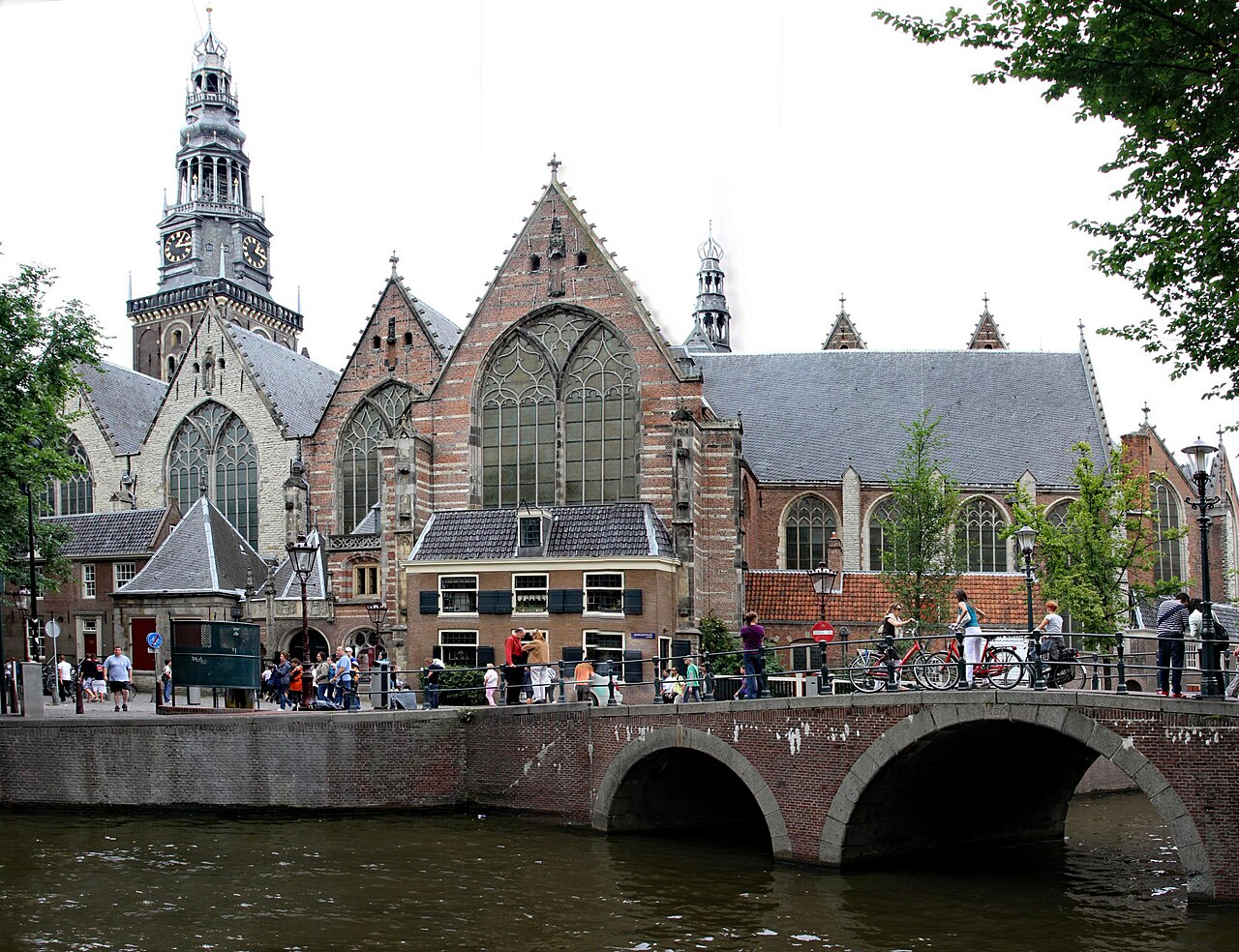
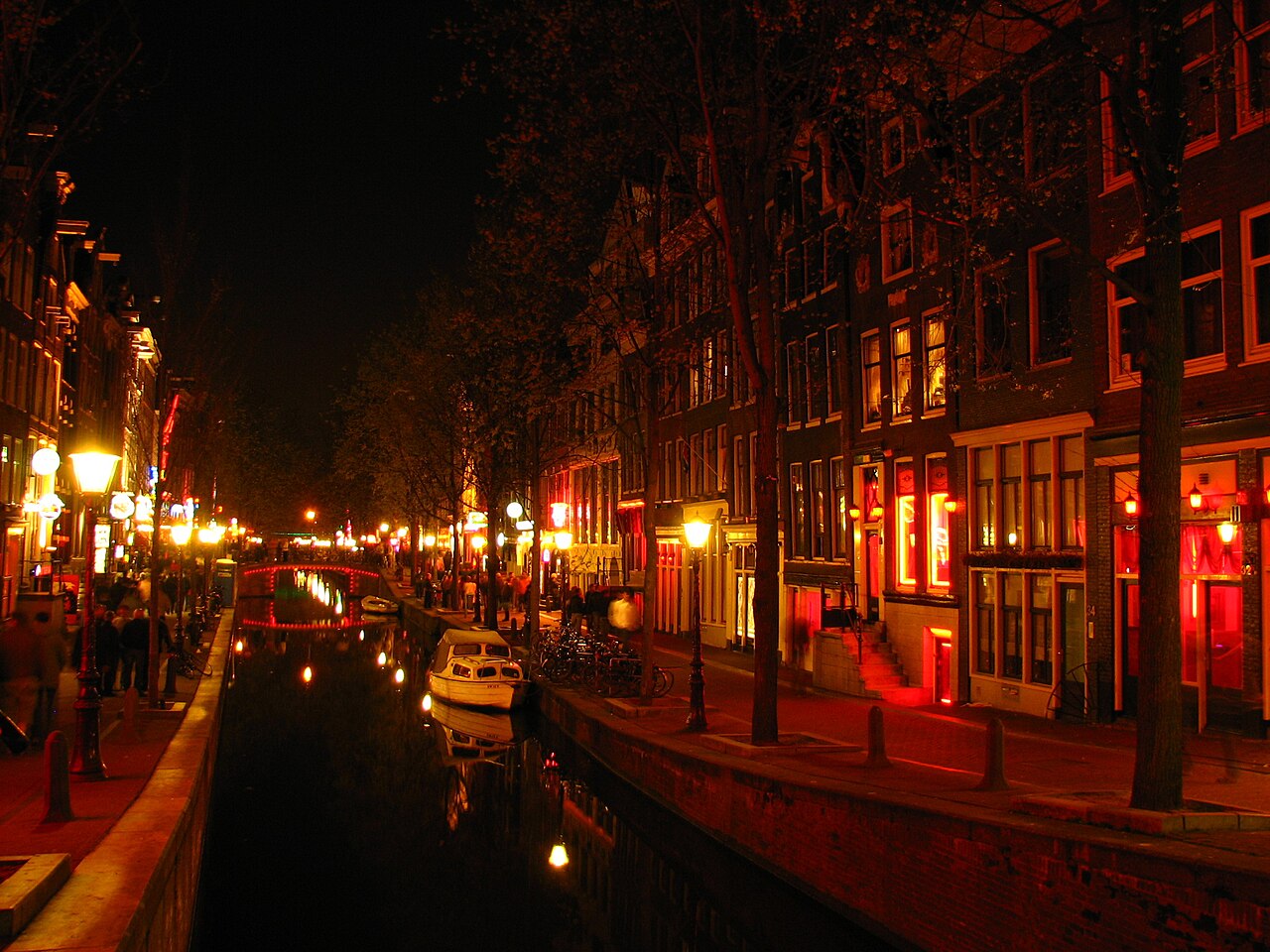
The museum occupies a canal house in Amsterdam's historic centre, specifically in the Wallen district near the Oudezijds Voorburgwal canal. Central location permits walking from Dam Square, Central Station, and major canal ring landmarks. Amsterdam's extensive tram network serves the surrounding area, with multiple stops within walking distance. The museum is at Oudezijds Voorburgwal 38–40. It is about a five-minute walk from Amsterdam Centraal station or Nieuwmarkt metro station. Tram routes 4, 14 and 24 stop at Dam, also about a five-minute walk away.
Checked 2026-08-31 · Source
The seventeenth-century structure presents significant accessibility challenges. Staircases are steep, narrow, and numerous, with no elevator alternatives. Visitors with mobility limitations, respiratory conditions, or vertigo should assess suitability carefully. The confined spaces may trigger discomfort for those with claustrophobia.
Original floor surfaces and lighting levels differ from modern standards. Crowding in narrow passages impedes movement during peak visitation. The historic 17th-century canal house and attic church contain numerous narrow, steep stairs and are not wheelchair accessible. The temporary-exhibition space, museum café and museum shop are step-free in the entrance building and accessible by elevator.
Checked 2026-08-31 · Source
Visitors should seek explicit guidance from museum staff upon arrival. Historic properties with delicate interiors often restrict flash photography to prevent light damage to artefacts and furnishings. Tripods and professional equipment typically face prohibition in confined museum spaces due to obstruction and conservation concerns.
The atmospheric attic church with its distinctive lighting presents obvious photographic interest, though practical constraints may limit opportunities. Respect for other visitors in narrow spaces takes priority. Staff instructions govern all image-making activities. An adapted toilet is available in the entrance building. A companion-based virtual tour is available for visitors with limited mobility.
Checked 2026-08-31 · Source
OpenStreetMap · Checked 2026-09-09
Wikidata · Checked 2026-09-09
Allow approximately 50 to 90 minutes.
Advance booking is not compulsory, but the museum recommends booking online to secure admission; tickets are also sold at the museum.
Yes. The free audio tour is available in Dutch, English, French, German, Spanish, Italian, Portuguese, Chinese and Russian.
Backpacks and bags larger than A4 size are not permitted in the monument and must be placed in the free lockers; the museum cannot accommodate large suitcases.
Photography without flash and video without additional lighting are allowed. Some temporary exhibitions prohibit photographing or filming particular objects where indicated.
Yes. Both the museum café and museum shop are accessible without an admission ticket.
Loading the interactive map…
The interactive map could not be loaded.
Last updated:
Source: OpenStreetMap contributors, Wikidata ·