.jpg)
2 min walk
Oude Kerk
- Must see · Heritage site
- Museum
Language · 11 published
Historic monument · Amsterdam
Reviewed by Elena Voss · Roavina Travel Editor
This place is a Attraction.
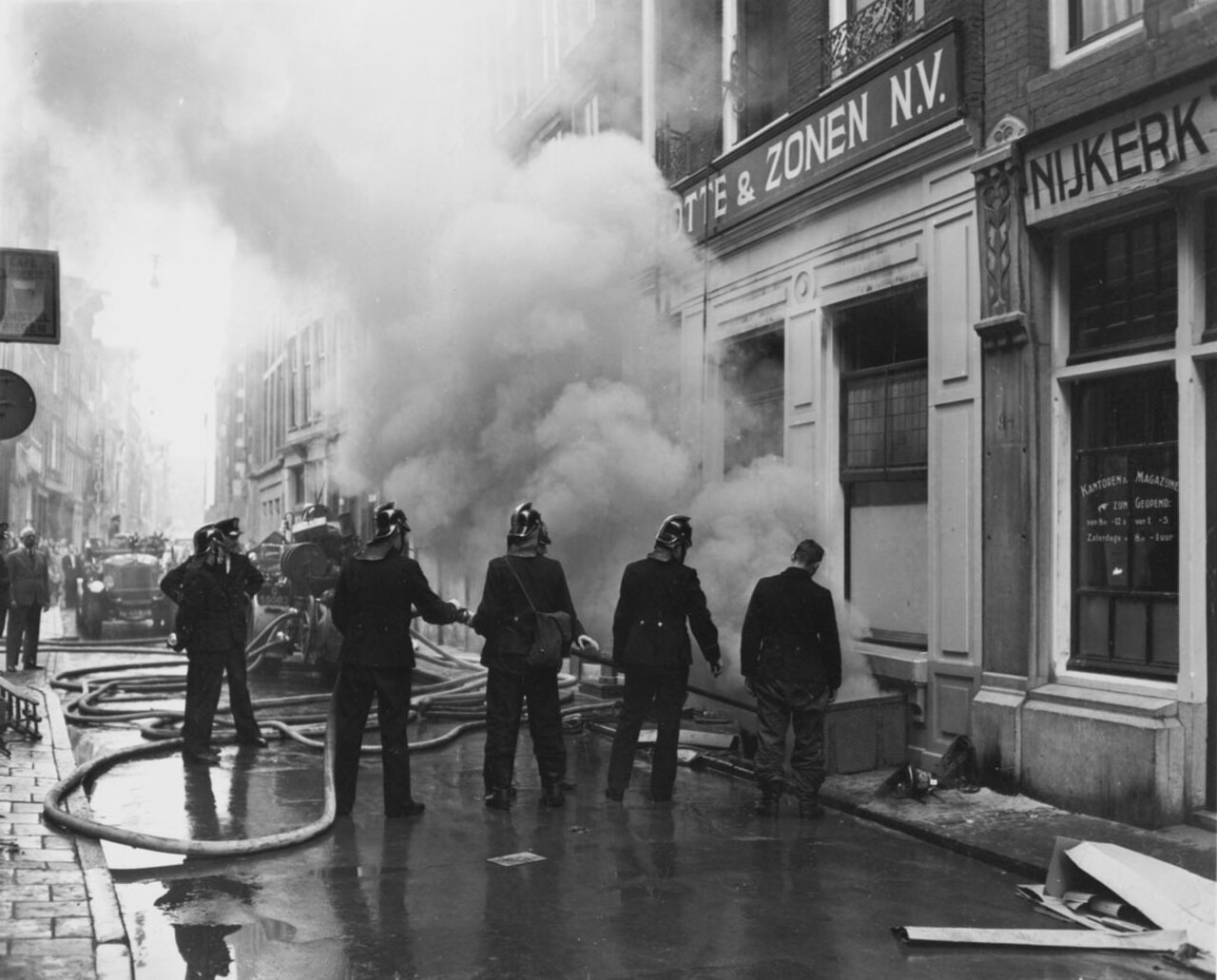
Warmoesstraat is a historic street in Amsterdam’s medieval centre, running through the Wallen area near the city’s oldest urban core. Its name comes from “warmoes,” an old Dutch word associated with vegetables and herbs, a reminder of earlier market life. Narrow façades, gabled houses and dense frontages give the street a distinctly historic character. It is an active city street rather than a single enclosed attraction, so its interest lies in the relationship between architecture, movement, commerce and the surrounding medieval street pattern. The street is best understood as part of the historic city itself, not as a separately ticketed monument.
Checked 2026-08-26 · Source
There is no single entrance or collection of exhibits on Warmoesstraat. Instead, the street presents a changing sequence of narrow historic buildings, shopfronts, hospitality venues, residential properties and connections to nearby lanes. Its setting makes the surrounding layout part of the experience: the street sits among canals, older thoroughfares and the compact blocks of central Amsterdam. The mixture of everyday commercial activity and historic architecture is more revealing than a formal museum display, especially for visitors interested in how the medieval centre remains part of a living city. Look beyond individual businesses to notice the continuous street frontage and the way newer activity occupies older buildings.
Checked 2026-08-26 · Source
Walking the length of Warmoesstraat takes roughly ten to fifteen minutes at a moderate pace if you continue without stopping. In practice, allow longer if you pause to examine façades, look into adjoining streets or connect the walk with the wider Wallen and historic centre. The street works well as a short segment within a larger walking route rather than as a standalone half-day destination. The time needed depends on whether your aim is simply to cross the area or to explore its architecture and urban atmosphere carefully. A slower walk gives you more opportunity to compare the narrow buildings with the lanes and canals around them.
Checked 2026-08-26 · Source
Warmoesstraat is a public street, so a visit does not depend on the timetable of one attraction. Daylight is useful for reading the architecture and seeing the street’s details clearly, while later hours bring a busier nightlife atmosphere in the surrounding Wallen. Choose the time that matches the experience you want and be prepared for changing crowd levels. If you plan to enter a particular business, treat that venue separately and check its own current arrangements before setting out. An early visit generally makes it easier to pause without obstructing other people, while an evening visit presents a livelier urban scene.
Checked 2026-08-26 · Source
Warmoesstraat is an open public thoroughfare, so walking along it does not require an admission ticket. You can include it in a self-guided exploration of Amsterdam’s historic centre without purchasing access to the street itself. Any payment connected with a separate business, service or attraction along the route belongs to that individual establishment and is not a fee for visiting Warmoesstraat. The simplest way to experience the street is therefore to treat it as part of your free urban walking route. There is no street-level ticket desk or visitor entrance to find before beginning the walk.
Checked 2026-08-26 · Source
From Amsterdam Central Station, Warmoesstraat is about a ten-to-fifteen-minute walk south through the historic centre. Approaching on foot lets you experience the compact medieval street pattern before reaching the street itself. Tram stops on nearby central routes can also bring you close, although the most convenient stop depends on your starting point and the service operating on the day. Cycling is common in the wider centre, but the narrow historic setting means you should follow local signs and avoid blocking pedestrian space. Because the street is integrated into the dense old centre, visitors can approach it from several neighbouring lanes rather than relying on one formal entrance.
Checked 2026-08-26 · Source
Warmoesstraat is narrow and busy, with pedestrians, bicycles and urban traffic sharing a constrained historic setting. Keep personal belongings secure and stay aware when the surrounding streets are crowded. The Wallen area includes adult-oriented nightlife, so the atmosphere may not suit every visitor, particularly after dark. Be considerate around businesses and residents, and do not photograph people or premises intrusively. Watch your footing on uneven historic paving, and leave enough room for others when stopping to look at buildings or take photographs. The street’s mixed residential and commercial character also makes quiet behaviour and respect for local occupants especially important.
Checked 2026-08-26 · Source
Warmoesstraat offers close-range views of Amsterdam’s narrow historic façades, gabled rooflines and tightly packed street frontage. The limited width can make whole-building compositions difficult, so details, vertical lines and views towards connecting lanes may work better than a single wide frame. Daylight helps reveal materials and architectural features; evening signage changes the mood but can make the street more visually crowded. Keep equipment out of the way, ask before photographing inside a business, and respect the privacy of people living or working here. Views from nearby connecting streets can help place Warmoesstraat within the larger historic pattern without requiring a wide view from the middle of the carriageway.
Checked 2026-08-26 · Source
Warmoesstraat is a public street in central Amsterdam. Use normal urban precautions, keep an eye on personal belongings and remain aware in crowded areas. The surrounding Wallen includes adult-oriented nightlife, which may make the setting unsuitable for some visitors.
Warmoesstraat is a narrow historic street, and the surrounding centre is heavily used by pedestrians and cyclists.
Warmoesstraat has commercial and hospitality venues along an active central street. Individual businesses, menus and opening arrangements can change, so choose and verify a specific venue separately if eating there is part of your plan.
Warmoesstraat belongs to Amsterdam’s medieval urban centre and is regarded as one of the city’s oldest streets.
Warmoesstraat lies in the broader Wallen area, Amsterdam’s well-known regulated prostitution and nightlife district. The street itself is also a mixed urban thoroughfare with historic buildings, businesses and residential properties, so its character is not limited to one type of activity.
The street can be included in broader walking itineraries through Amsterdam’s historic centre and the Wallen, but tour availability and route content depend on the provider.
Loading the interactive map…
The interactive map could not be loaded.
Last updated:
Source: OpenStreetMap contributors, Wikidata ·