
1 min walk
Foam Fotografiemuseum Amsterdam
- Notable
- Museum
Language · 11 published
Museum · Amsterdam
Reviewed by Elena Voss · Roavina Travel Editor
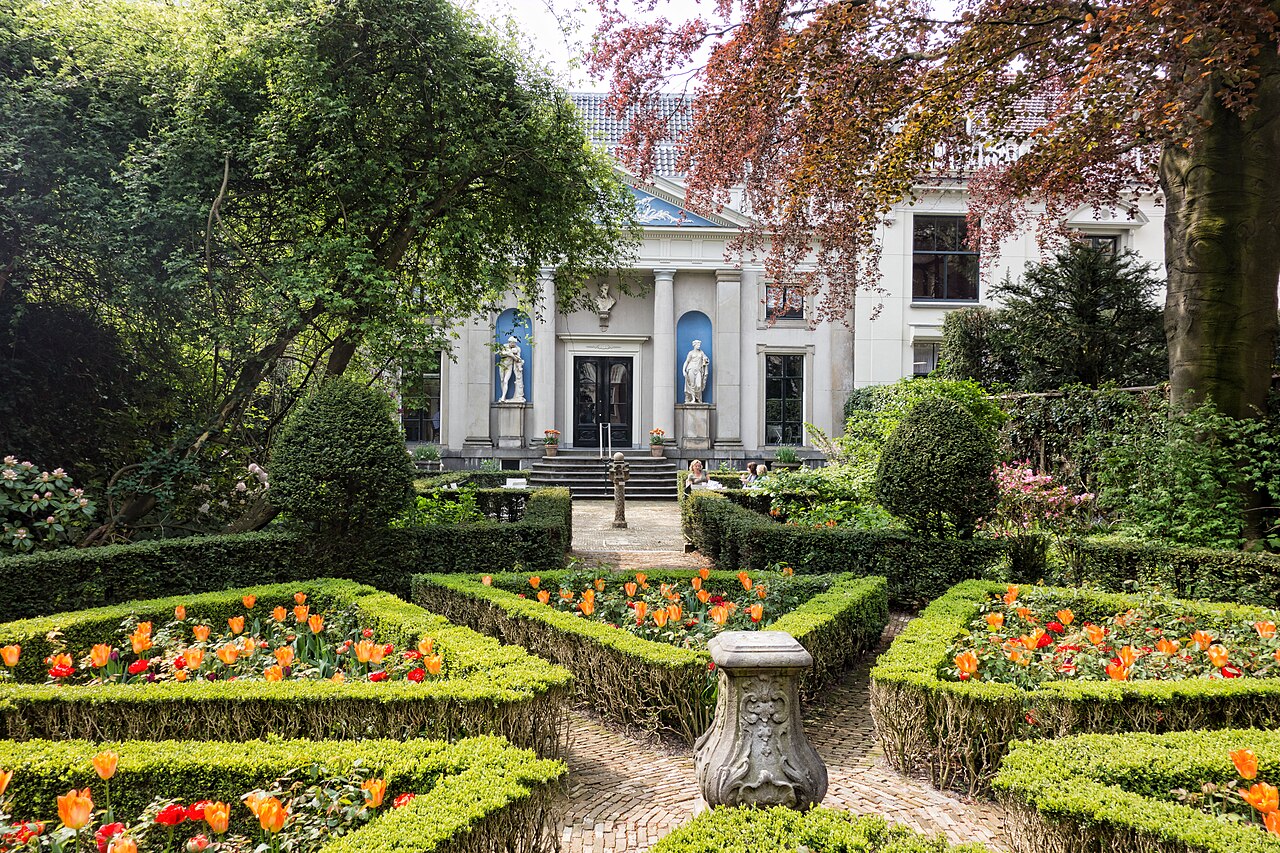
This place is a Museum. It was established in 1973. It was designed by Adriaan Dortsman. It carries the Rijksmonument heritage designation.
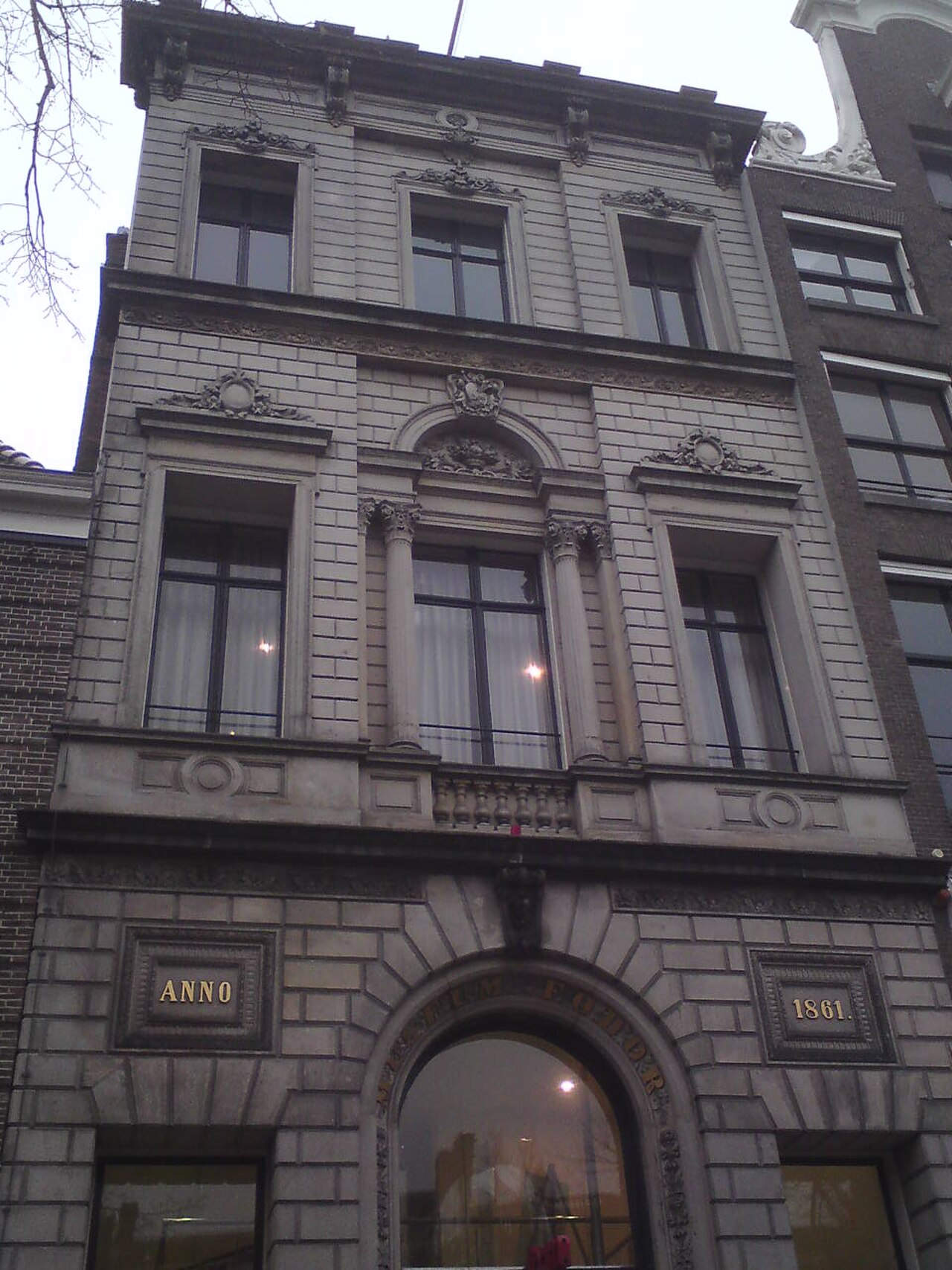
Museum Van Loon is a historic canal-house museum on Amsterdam’s Keizersgracht, where the building itself forms the central experience. Its narrow street frontage opens into a deeper domestic interior, allowing visitors to understand the relationship between Amsterdam canal architecture and private household life. The rooms are encountered as parts of a preserved residence rather than as galleries designed for modern display. That makes the museum particularly suited to travellers interested in historic homes, decorative arts and the character of Amsterdam’s canal ring. The house, its furnished rooms and the garden behind it create a focused visit built around one specific urban residence.
Checked 2026-08-26 · Source
The interior contains period rooms furnished with family collections and domestic objects. Visitors encounter reception rooms, a kitchen and sleeping quarters, with paintings, furniture, silverware and porcelain contributing to the atmosphere of a lived-in residence. A formal garden extends behind the house, and the coach house is reached through the garden. Together, these spaces present the household as a complete setting rather than a sequence of unrelated displays. Pay attention to room proportions, surfaces, furniture placement and smaller decorative details: the museum’s interest lies as much in how the rooms relate to one another as in any single object. The garden provides a change of scale after the compact interiors.
Checked 2026-08-26 · Source
Allow about one to two hours for Museum Van Loon. A shorter visit is enough to see the principal rooms and understand the character of the canal house. Stay towards the longer end if historic interiors, decorative arts, furniture, tableware or family collections hold your attention. The rear garden and coach house also deserve time, particularly if you want to experience how the domestic arrangement continues beyond the main residence. Because the museum is compact, it combines easily with a longer walk through Amsterdam’s central canal ring. The best pace is unhurried: pause over details, allow space for other visitors in narrow rooms and treat the visit as a close reading of one house.
Checked 2026-08-26 · Source
The garden is most rewarding when its planting is visible and the weather makes time outdoors comfortable, while the period rooms remain the central attraction in every season. A quieter period can make it easier to examine furnishings and move through the compact rooms without feeling crowded. Museum Van Loon fits naturally into a canal-ring walking route, so allow enough time for the complete visit rather than treating the building as a brief photographic stop. The preserved interiors are strongest when visitors can pause over details instead of rushing between rooms. Its central setting also makes it easy to pair architecture and domestic history within a broader day on foot or by bicycle.
Checked 2026-08-26 · Source
The visit centres on the canal house, its furnished rooms, rear garden and coach house. These spaces should be treated as one connected historic-house experience, with the garden extending the domestic setting beyond the main rooms. No ticket category, concession, pass arrangement or reservation condition is stated here, so the museum’s entry terms should be established before the visit rather than assumed from other Amsterdam attractions.
Checked 2026-08-26 · Source
Museum Van Loon stands on Keizersgracht in Amsterdam’s central canal ring. The surrounding streets are served by public transport, and the museum is practical to reach on foot from other central sights. Its location works especially well within a walk focused on canal architecture and historic townhouses. Cycling is a normal way to cross Amsterdam, although parking directly at the museum is restricted. Canal boats pass through the surrounding waterways, but the water does not provide a direct entrance to the museum. Approach from the street-side canal-ring route and treat the museum as a stop within the wider pedestrian and cycling network of central Amsterdam.
Checked 2026-08-26 · Source
Museum Van Loon occupies a historic house, so the route differs from that of a modern museum. Steep, narrow stairs connect the floors, and original flooring and furnishings require careful movement. The rooms may feel confined when several visitors arrive together. Fragile objects and domestic interiors call for attention to barriers and staff directions. Wet weather can make the rear garden slippery. These features are part of the building’s preserved character, but they can make the visit demanding for anyone who finds stairs, tight spaces or uneven surfaces difficult. The compact layout also means that visitors may need to pause and let others pass rather than expecting the circulation of a broad gallery.
Checked 2026-08-26 · Source
In the narrow historic rooms, visitors should keep photography discreet and avoid blocking the route. Flash or bulky equipment may be unsuitable around furnishings, paintings, textiles and other delicate objects, even where ordinary photography is permitted. Respectful, unobtrusive behaviour helps preserve the domestic atmosphere for other visitors. A small camera or phone is easier to use at close range without interrupting views. Photograph architectural details and room relationships thoughtfully, while following any local signs or staff directions inside the house. Any restriction applying at the museum takes precedence over general photography habits.
Checked 2026-08-26 · Source
The canal house has steep, narrow stairs between floors, making the historic route difficult for wheelchair users and visitors with limited mobility. Step-free access and other current accessibility arrangements are not established for this visit.
The garden is part of the Museum Van Loon setting and is reached through the house. A separate garden-only admission arrangement is not established, so independent garden access should not be assumed.
A guided-tour schedule and language offering are not established for Museum Van Loon. The visit can therefore be planned around the self-directed experience of the furnished rooms, garden and coach house.
Visitors should avoid relying on storage space when deciding what to bring into the compact historic house.
Children can encounter a quiet historic interior filled with fragile furnishings and decorative objects. Families should expect close supervision and careful movement around the rooms. The period-room format may appeal most to children interested in houses, objects and domestic history.
Food should be planned separately in Amsterdam’s surrounding canal district rather than assumed to be available inside the museum.
Loading the interactive map…
The interactive map could not be loaded.

Last updated:
Source: OpenStreetMap contributors, Wikidata ·