

5 min walk
Cat Cabinet
- Notable · Heritage site
- Museum
Language · 11 published
Nature site · Amsterdam
Deutzenhofje
Reviewed by Elena Voss · Roavina Travel Editor

This place is a Garden. It was designed by Pieter Adolfse de Zeeuw. It carries the Rijksmonument heritage designation.
Deutzen Hofje is an Amsterdam hofje: a small courtyard development whose identity is tied to housing rather than a museum, church, or ticketed attraction. Its significance lies in the way a shared court and compact homes preserve a residential form within the historic city. The place is best understood from the public approach, with any view beyond an entrance treated as conditional and quiet. Because the courtyard remains associated with residents, the experience is architectural and street-based rather than a conventional sightseeing visit. Deutzen Hofje is therefore a brief heritage stop for travellers interested in Amsterdam's enclosed residential spaces and the contrast between private courtyards and busy public streets. Deutzenhofje is a historic hofje, a traditional Dutch almshouse courtyard, located in Amsterdam. Hofjes were charitable institutions providing housing for elderly or impoverished residents, typically funded by wealthy benefactors. Public access is limited as Deutzenhofje functions primarily as residential housing. Entrance gates may permit quiet external courtyard viewing when open, but no formal public access policy is recorded.
Checked 2026-08-26 · Source
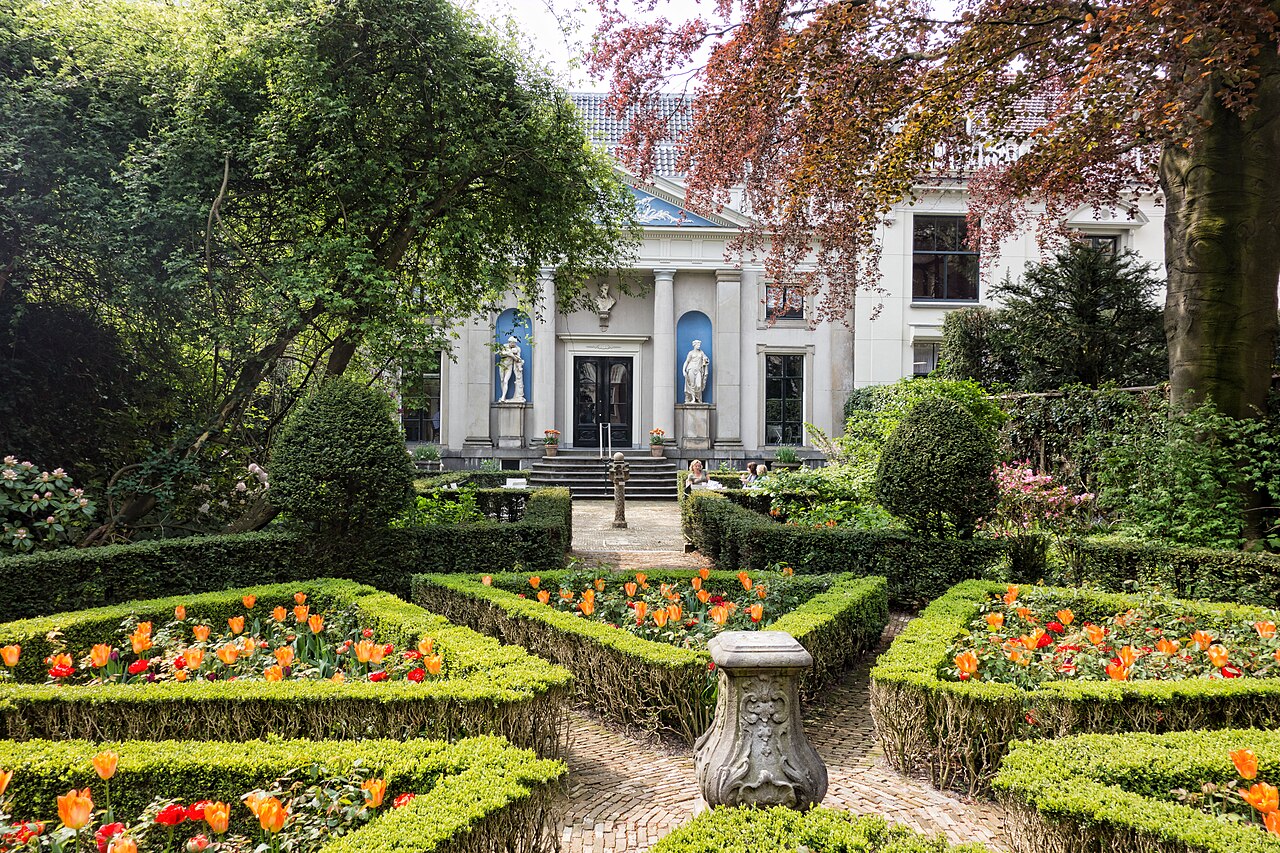
The defining feature is the relationship between the entrance and the enclosed courtyard: modest dwellings face inward around a shared open space. That arrangement gives the hofje a more intimate character than Amsterdam's open canals and public squares. From outside, look for the compact scale, the enclosing walls or façades, and the transition from the ordinary street into a protected residential interior.
Checked 2026-08-26 · Source
Allow about 15 to 30 minutes for a respectful stop, including finding the entrance, viewing the exterior, and pausing to understand how the courtyard sits within the surrounding Amsterdam streetscape. If the entrance is closed or the courtyard cannot be viewed, the visit may be limited to the public approach. The site works best as one small element of a walking route, not as a destination requiring a long standalone visit. Travellers who enjoy architectural details may stay slightly longer to compare the inward-facing layout with the surrounding street pattern, but there is no recorded visitor programme requiring additional time.
Checked 2026-08-26 · Source
Plan this as a daylight exterior stop and accept that residential access may be unavailable. A quiet daytime visit makes the entrance and façades easier to see, but it does not create a right of entry. If the gate is shut, keep the visit to the public street and continue without disturbing residents. The absence of recorded hours also means that a planned itinerary should not depend on entering the courtyard; treat any interior view as an opportunity rather than a guaranteed part of the visit.
Checked 2026-08-26 · Source
The practical takeaway is therefore not a claimed free ticket, but the absence of a verified ticket arrangement. Treat any accessible view as conditional residential access and do not expect a staffed ticket desk, timed admission, or a standard visitor entrance. The site's value is its historic courtyard form, visible from the approach when access permits. Travellers should not arrive expecting a commercial attraction, purchase tickets elsewhere, or interpret the lack of a recorded price as a promise of entry.
Checked 2026-08-26 · Source
Use the mapped way as the location reference and plan the final approach on foot. Amsterdam's historic core is easiest to navigate slowly, with attention to narrow streets, cycle traffic, and entrances that may be less prominent than surrounding landmarks. Confirm the exact approach in your navigation app before setting out. Allow time to identify the correct entrance without obstructing pedestrians or cyclists, since the mapped feature itself does not describe the visitor approach.
Checked 2026-08-26 · Source
Deutzen Hofje is connected with residential use, so privacy and quiet should govern the visit. Do not knock on doors, enter dwelling areas, block the entrance, or treat residents as part of the attraction. If access is not clearly available, remain on the public street. Historic thresholds or narrow passages may also make any conditional entry difficult. Keep voices low, give residents priority through shared spaces, and leave promptly if the entrance closes or anyone indicates that visitors are unwelcome.
Checked 2026-08-26 · Source
The safest photographic subject is the exterior approach and the way the entrance sits within Amsterdam's older streetscape. Interior courtyard photography should be attempted only where access is plainly permitted and should avoid residents, windows, doorways, and private domestic details. Keep equipment unobtrusive, avoid blocking passage, and stop immediately if access is restricted or anyone asks you to do so. Exterior photographs from the public approach are the most dependable option, while a courtyard image should never take priority over residential privacy.
Checked 2026-08-26 · Source
Because the hofje is associated with residential use, visitors should treat courtyard entry as conditional: enter only when access is clearly permitted, remain quiet, and stay on the public street if the entrance is closed or permission is unclear.
Plan for an independent exterior-focused visit and do not expect a staffed reception, interpretation service, or scheduled tour unless a responsible authority provides separate confirmation.
Its defining character is the hofje form: compact homes organized around an enclosed shared courtyard. That residential arrangement creates a small, inward-facing piece of historic urban fabric, distinct from Amsterdam's open canals and public squares.
Enter only if the entrance is visibly open and access is clearly welcome; otherwise view the approach from the public street. Do not knock, cross into private areas, or remain if residents indicate that visitors should leave.
Do not plan on toilets, drinking water, seating, baby-changing provision, pushchair access, or an information desk at the site.
Use the mapped location as the navigation reference, make the stop part of a walking route, and allow roughly 15 to 30 minutes. Plan around an exterior view because no opening schedule or public-access policy is verified. Keep the visit quiet and leave immediately if residential access is closed or unwelcome.
Loading the interactive map…
The interactive map could not be loaded.
Last updated:
Source: OpenStreetMap contributors, Wikidata ·