
3 min walk
Wijnkopersgildehuis
- Must see · Heritage site
- Historic monument
Language · 11 published
Historic monument · Amsterdam
Reviewed by Elena Voss · Roavina Travel Editor
This place is a Attraction. It was built in the Gothic architecture style. It carries the Rijksmonument heritage designation.
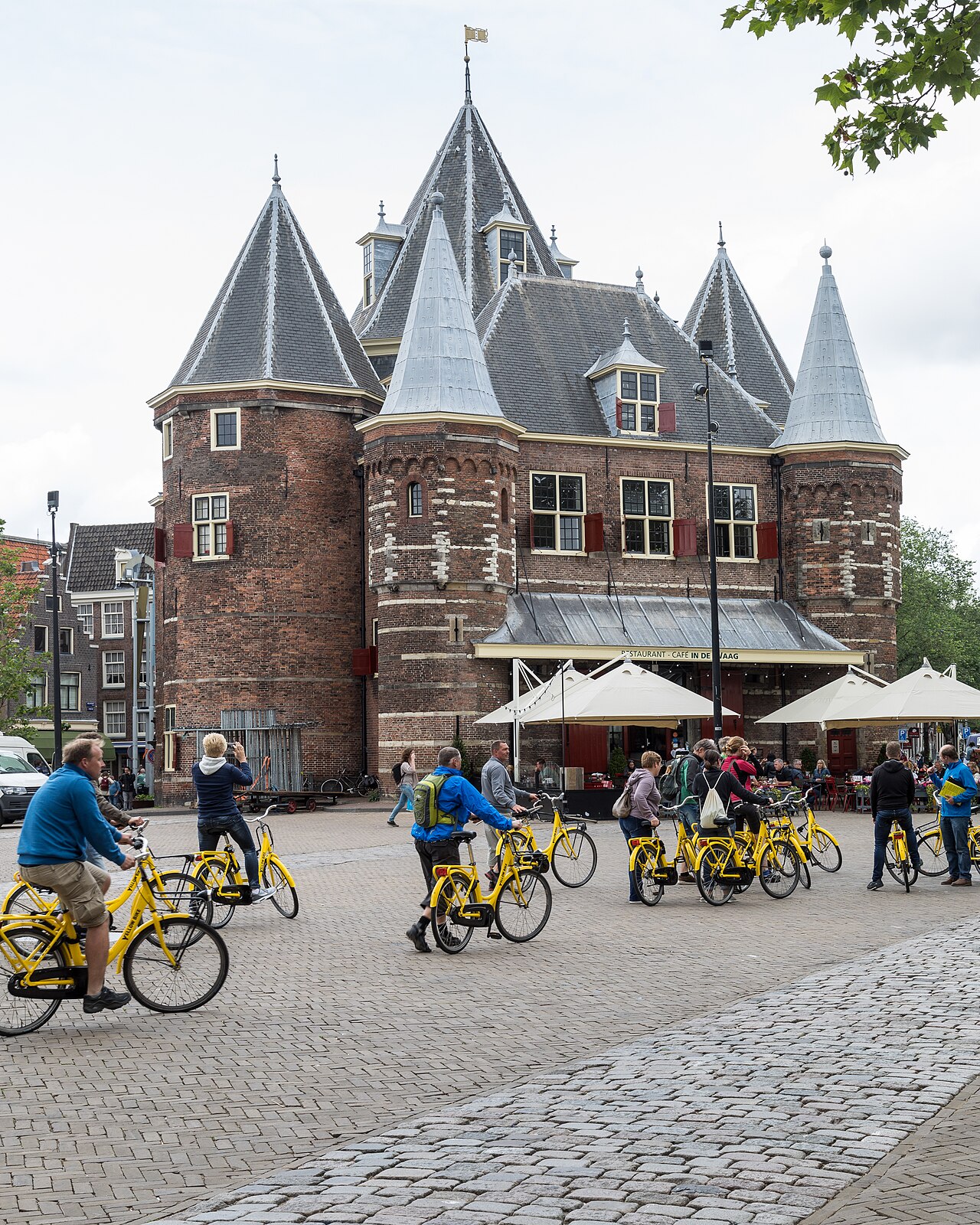
Waag is the historic landmark at the centre of Amsterdam’s Nieuwmarkt. It began as Sint Antoniespoort, a medieval city gate completed in 1488, and later became a weigh house for goods entering the city. That change of civic function explains the name Waag. Its brick walls, turrets and stepped-gable profile give Nieuwmarkt a recognisable architectural focus. The building records Amsterdam’s transition from a defended medieval settlement to a commercial and civic city. For visitors, its importance comes from the way one surviving structure brings together the history of fortification, trade, craftsmanship and public life in the old centre. The Waag’s identity is especially tied to Nieuwmarkt: its former gate role, later weighing function and surviving medieval form are visible in the same compact landmark. It is best understood as a historic urban building to read in its square, rather than as a generic old house or an assumed museum interior.
Checked 2026-08-26 · Source
Waag’s historical importance lies in the succession of uses associated with its interior. After serving as a weigh house, rooms were used by guilds, including the Surgeons’ Guild, connecting the building with Amsterdam’s medical and scientific history. The guild is also associated with Rembrandt’s anatomy lesson. These references help explain why the Waag matters even when a visit is centred on the outside: the facade belongs to a building shaped by trade, craft organisation and scientific practice. Historical functions therefore provide context, but they should not be presented as a description of today’s interior. The available record does not establish current rooms, exhibitions, commercial tenants or visitor facilities, so the building’s documented historical layers are the reliable subject of an interior discussion.
Checked 2026-08-26 · Source
Allow about 15 to 30 minutes for a focused exterior visit. Walk around the Nieuwmarkt frontage, compare the building’s gate-like massing with the square, and spend time on the turrets, brickwork and stepped gable rather than treating the Waag as a passing landmark. Add time if you want to photograph it from several positions or continue through Nieuwmarkt and the neighbouring historic streets. Its central location makes it easy to place between Amsterdam Centraal, Chinatown, nearby canals and other walks through the old centre. The duration suits a stop built around looking closely at the architecture and its urban setting, not a timed indoor tour. A longer stop belongs to the surrounding district walk rather than to a confirmed interior programme.
Checked 2026-08-26 · Source
Visit in daylight if your priority is reading the masonry, roofline, turrets and stepped gable or making clear architectural photographs. Morning and late afternoon can give the facade more directional texture, while evening changes the atmosphere of Nieuwmarkt and the relationship between the square and the darkening historic centre. Activity in the square can add context but may make quiet observation and wide photographs more difficult. Because the documented experience is an outdoor view of the building, weather is a practical consideration. The square’s changing activity is part of the setting, so timing depends on whether you prefer quieter architectural observation or a livelier city scene. No fixed interior schedule is recorded for planning a dedicated indoor visit.
Checked 2026-08-26 · Source
The documented visitor experience is viewing the Waag’s facade from Nieuwmarkt’s public square. No ticket amount, concession, group rate, reservation rule or payment method is supplied. Plan around the exterior landmark itself and treat any indoor visit as dependent on the building’s current use and access arrangements. Public-square viewing should not be used to infer a ticket arrangement for interior spaces. The available record therefore supports no admission charge entry, and it also does not support a claim that a museum, exhibition or other paid interior experience is operating.
Checked 2026-08-26 · Source
The Waag stands on Nieuwmarkt in Amsterdam’s central district. From Amsterdam Centraal, the walk takes roughly 15 minutes through the historic centre, making the building straightforward to combine with a station-to-old-town route. Nieuwmarkt metro station provides the closest direct public-transport reference, while tram stops in surrounding streets offer additional options. Cycling is practical through Amsterdam’s extensive bicycle network, although the square and nearby approaches can be busy. The central position makes Waag easy to combine with Chinatown, canals and historic-centre walks. Check current municipal transport information for live routes and service conditions before setting out. The building’s position on the square makes the final approach part of the visit.
Checked 2026-08-26 · Source
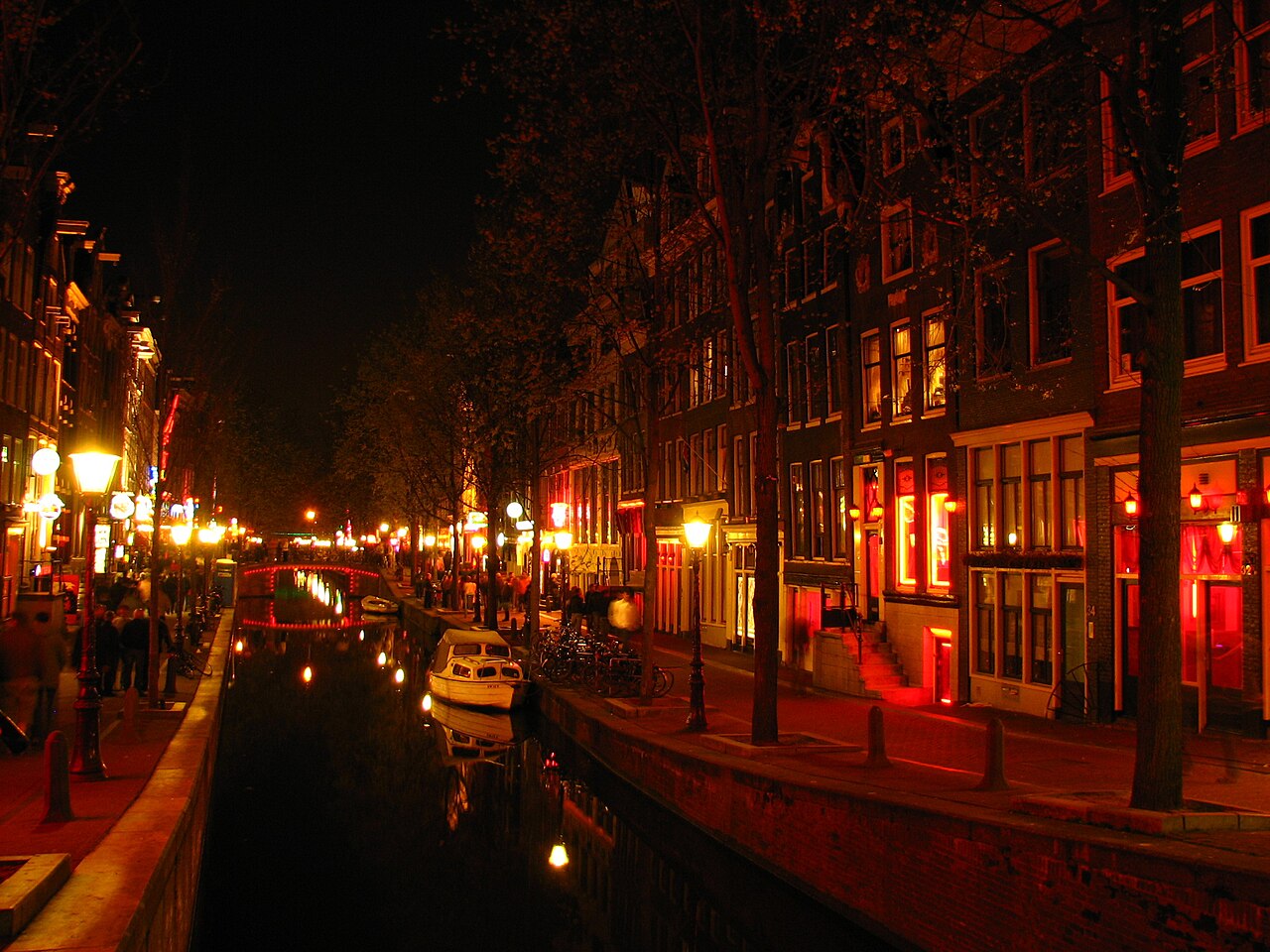
Approach the Waag as a historic landmark in a working urban square, not as a guaranteed museum visit. Outdoor conditions change with weather, activity and pedestrian traffic. The building’s setting may matter for visitors who need a particularly smooth route, and crowded approaches can make close viewing less comfortable. The surrounding central area can feel markedly different by day and night, while nearby streets include adult-oriented businesses. Keep the public square distinct from building areas that are not clearly open to visitors, and do not treat the building’s past guild or medical uses as proof of present facilities. No current interior access or amenity record is established.
Checked 2026-08-26 · Source
Nieuwmarkt gives you room to photograph the Waag as an architectural whole, with the square showing its scale and urban setting. Start with a wider view that includes the distinctive turrets and stepped gable, then move closer for brickwork, roofline and facade details. Morning and late afternoon light can bring out texture, while evening changes the relationship between the building and square. Keep tripods and long stops out of busy pedestrian paths. The building’s compact position within Nieuwmarkt makes changing distance especially useful: a broad square view explains its civic presence, while closer frames emphasise masonry and medieval gate-like features. Exterior photography is the clearly documented photographic opportunity; no interior photography policy is recorded.
Checked 2026-08-26 · Source
The available place record establishes the Waag as a landmark on Nieuwmarkt but does not establish current interior access.
The documented experience is viewing the exterior from Nieuwmarkt’s public square. No indoor fee, free-entry rule or ticket arrangement is supplied, so the exterior visit should not be described as an admission product or used to infer indoor pricing.
It began as Sint Antoniespoort, a medieval city gate completed in 1488, and later became a weigh house for goods. The building also housed guilds, including the Surgeons’ Guild, connecting it with Amsterdam’s medical and scientific history and with Rembrandt’s anatomy lesson.
Use Nieuwmarkt metro station as the closest direct public-transport reference. Amsterdam Centraal is about a 15-minute walk away, and tram stops in nearby streets provide further options. Cycling is also practical through Amsterdam’s bicycle network. Check current municipal transport information for route changes and service conditions.
Nearby businesses in Nieuwmarkt and the surrounding central streets should not be presented as amenities inside the building. The available place record does not establish current interior commercial tenants or food-service facilities.
The facade faces Nieuwmarkt’s public square, so it can be observed outdoors without relying on an interior opening schedule. Light, weather, activity and the atmosphere of the square vary. This does not confirm interior access or any special lighting programme.
Loading the interactive map…
The interactive map could not be loaded.
Last updated:
Source: OpenStreetMap contributors, Wikidata ·