
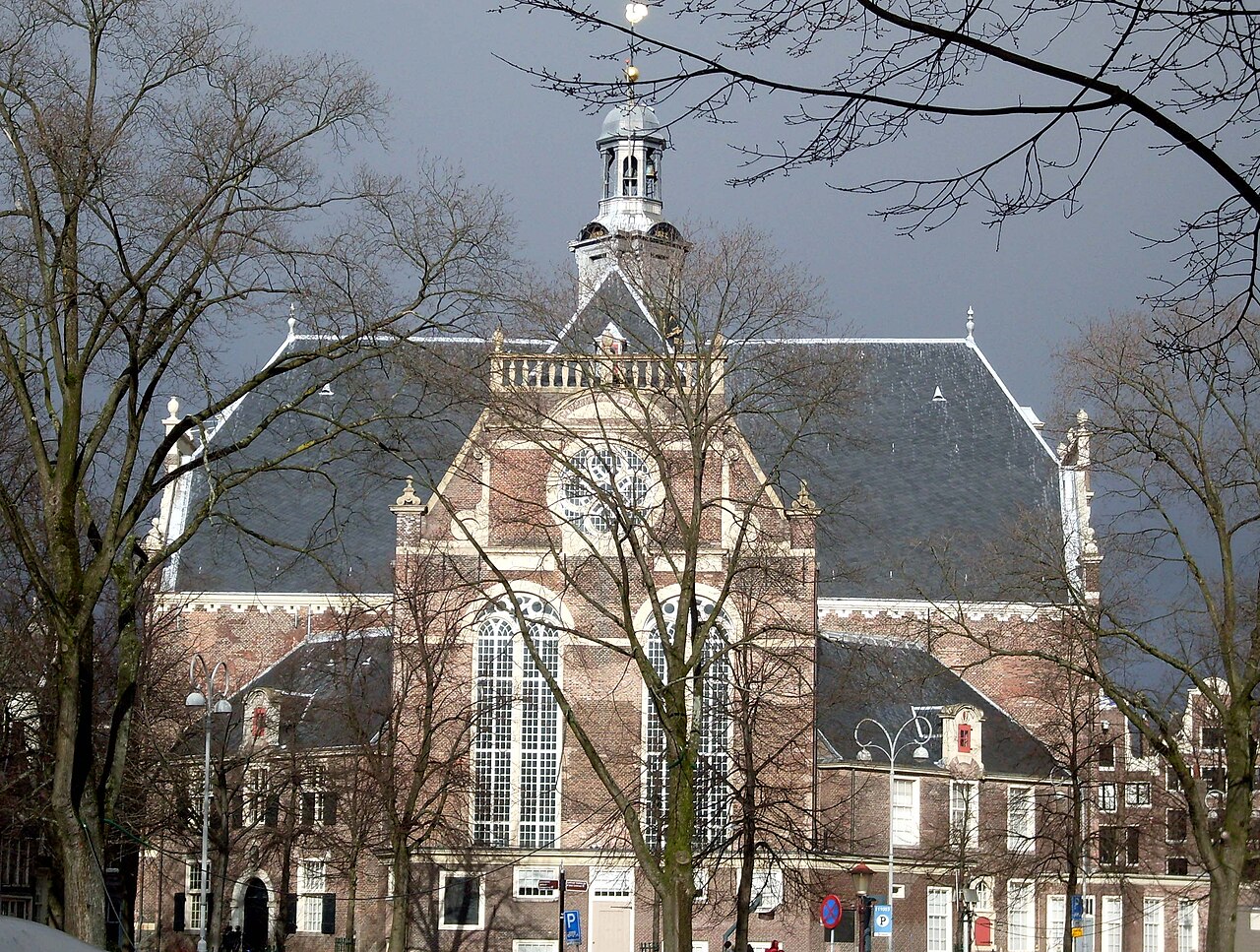
5 min walk
Noorderkerk
- High · Heritage site
- Place of worship
Language · 11 published
Historic monument · Amsterdam
West Indisch Huis
Reviewed by Elena Voss · Roavina Travel Editor
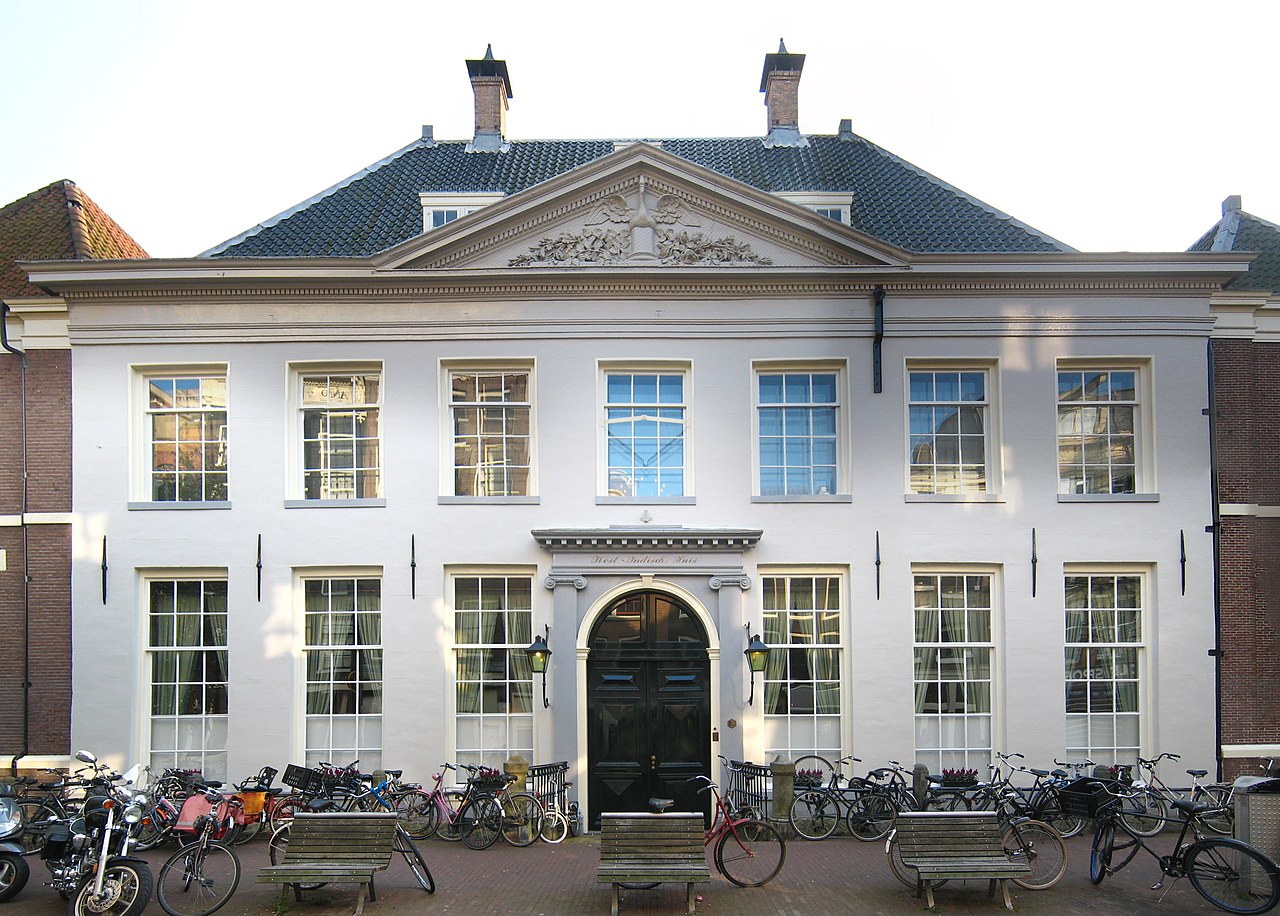
It was established in 1617. It carries the Rijksmonument heritage designation.
West-Indisch Huis is a historic Amsterdam building associated with the Dutch West India Company, the seventeenth-century chartered company involved in Atlantic trade, colonial administration and commercial operations. Its significance is not limited to architecture: the property connects Amsterdam’s urban prosperity with overseas commercial and imperial activity. The building is best approached as a heritage site with a complicated historical meaning, rather than assumed to be a conventional museum. Its central setting makes it a useful stop for travellers tracing how merchant institutions shaped the city and its wider Atlantic connections. The name itself points to the building’s connection with the West Indies and to Amsterdam’s role in organising commercial activity across the Atlantic. The West-Indisch Huis is a historic building in Amsterdam associated with the Dutch West India Company, a major chartered company of the seventeenth century. Visitors must verify current opening status through official sources before planning.
Checked 2026-08-26 · Source
The building’s interest comes from the historic character of a civic and commercial property connected with company administration. Architectural features, rooms and surviving fabric can help visitors imagine the headquarters function associated with the Dutch West India Company. The dependable subject is the relationship between the building, Amsterdam’s mercantile setting and the company’s seventeenth-century Atlantic activities. Visitors looking at the property should focus on how its architecture supported administration, meetings and the public presence of a powerful chartered company.
Checked 2026-08-26 · Source
Allow around thirty minutes to an hour for a focused stop centred on West-Indisch Huis, its visible architecture and its historical context. This is enough time to examine the building from the surrounding streets and consider the Dutch West India Company’s role in Atlantic trade and colonial administration. A longer visit makes sense only if an authorised interior visit, organised event or detailed architectural study is available. The central location also makes the site easy to combine with other historic places in Amsterdam. Treat it as a compact heritage stop rather than a destination requiring a full morning.
Checked 2026-08-26 · Source
West-Indisch Huis fits naturally into a daytime walking route through Amsterdam’s historic centre, with comfort shaped by daylight, weather and pedestrian conditions. Spring and autumn can be pleasant for exploring the old city on foot, while summer usually brings heavier visitor traffic and winter can make an outdoor stop less comfortable. Because regular interior access is not established, the site should not be planned as a guaranteed open attraction. Its exterior can instead be treated as one element of a broader city walk. Daylight is particularly useful for seeing the building clearly and placing it within the surrounding historic streets.
Checked 2026-08-26 · Source
Plan the stop around its historical and architectural interest without assuming that an interior visit is available as a normal ticketed experience. Visitors should therefore treat the exterior as the reliable part of the visit and avoid budgeting for an unrecorded admission charge.
Checked 2026-08-26 · Source
West-Indisch Huis is in central Amsterdam, where walking and cycling are practical ways to approach through the historic street network. Amsterdam Central Station is the main rail gateway for regional and international arrivals, while tram and bus services connect the surrounding centre. Canal transport serves routes in the wider area. Driving is a poor fit for this part of the city because parking in the historic core is limited and costly. Cyclists should take care around busy crossings, while walkers should allow for bridges, narrow pavements and mixed traffic. The site works well as a waypoint between other central landmarks, especially for travellers already exploring on foot.
Checked 2026-08-26 · Source
The main practical limitation is uncertain interior access: regular public hours, a visitor route and an admission system are not established. The surrounding historic centre can be busy, with bicycles, pedestrians, bridges and narrow streets requiring attention during the approach. The building’s connection with the Dutch West India Company also deserves historically informed attention, because its story concerns commerce and colonial power as well as architecture. Respect any private, institutional or organised activity taking place at the property.
Checked 2026-08-26 · Source
The exterior of West-Indisch Huis is the clearest photographic subject and can be included in a walk around Amsterdam’s historic centre. A wider streetscape image can show how the property sits within the dense urban fabric associated with the city’s mercantile history. Keep clear of paths and entrances, and respect signs or instructions at the property. Framing the façade with neighbouring historic streets can also communicate the building’s urban setting more effectively than an isolated close-up.
Checked 2026-08-26 · Source
Regular public opening hours and daily interior access are not established.
West-Indisch Huis is associated with the Dutch West India Company, whose seventeenth-century activities included Atlantic trade, colonial administration and commercial operations. That connection gives the building importance in Amsterdam’s mercantile and imperial history.
A guided-tour programme and regular tour duration are not established for West-Indisch Huis. No tour offering should be treated as part of a standard visit description.
Accessibility should therefore be treated as unrecorded rather than confirmed or ruled out, and the building’s historic character provides no reliable basis for promising step-free entry or accessible facilities.
Current rental arrangements, event policies and private-hire availability are not established for West-Indisch Huis. No event-use offer should be presented as a confirmed visitor service, and the property’s current institutional or private use should not be inferred from its historical importance.
Its association with the Dutch West India Company links West-Indisch Huis to Atlantic commerce and colonial administration. The building represents how Amsterdam’s commercial institutions participated in Dutch overseas expansion, making it relevant to the city’s colonial history as well as its architecture.
Loading the interactive map…
The interactive map could not be loaded.

Last updated:
Source: OpenStreetMap contributors, Wikidata ·