
4 min walk
Huis Bartolotti
- High · Heritage site
- Museum
Language · 11 published
Historic monument · Amsterdam
Het Huis met den Hoofden
Reviewed by Elena Voss · Roavina Travel Editor

This place is a Attraction. It was established in 1622. It was built in the Renaissance architecture style. It was designed by Hendrick de Keyser. It carries the Rijksmonument heritage designation.
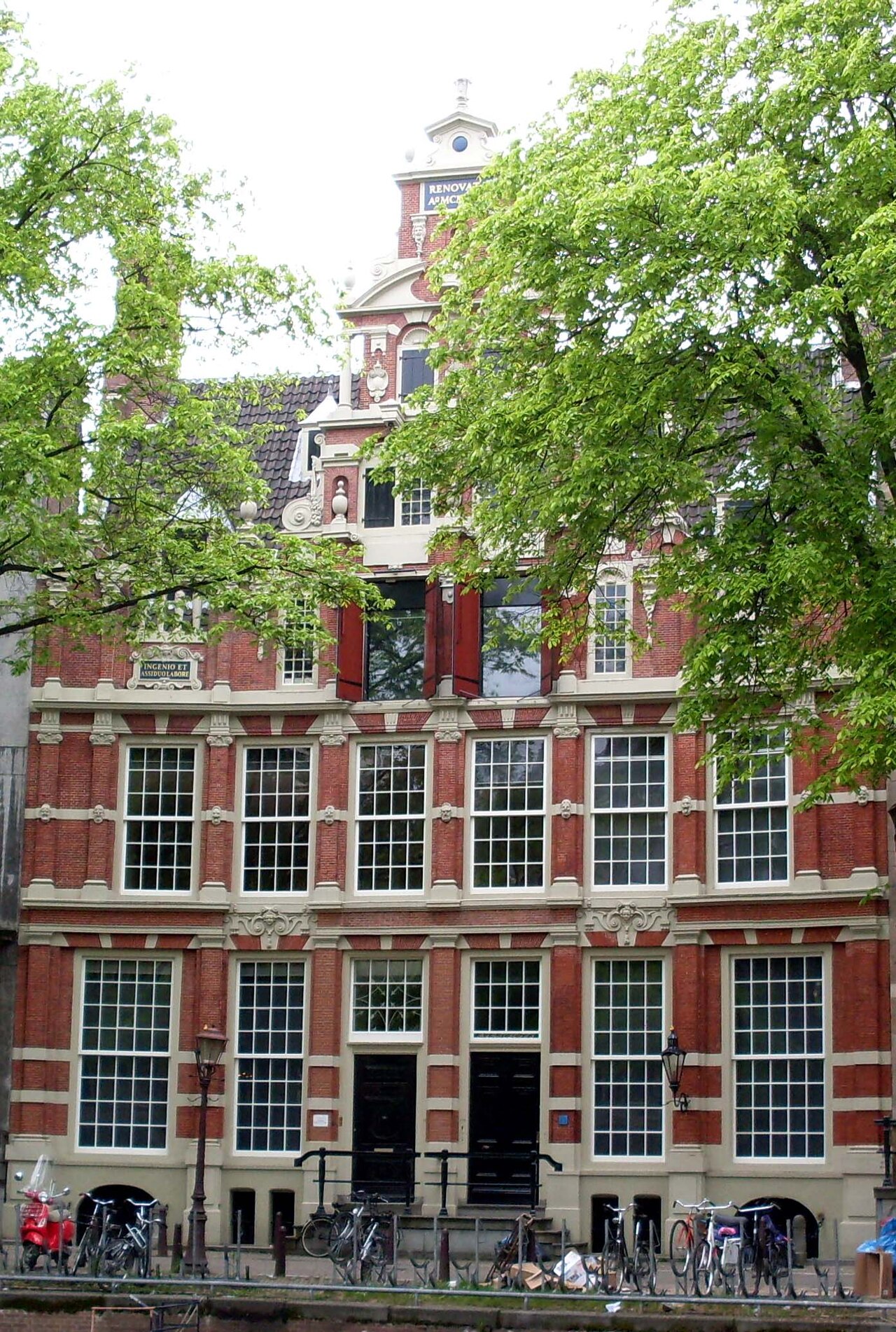
Huis met de Hoofden, also known as Het Huis met den Hoofden, is an Amsterdam canal house known for a row of carved stone heads on its facade. The heads explain the house’s name and form its defining visual feature. Dating from the early seventeenth century, the building is an example of Dutch Renaissance architecture within the city’s canal ring. Its appeal is architectural rather than museum-like: visitors encounter a distinctive sculpted frontage set among tall historic canal houses. The repeated heads make it immediately recognisable during a central Amsterdam walk and reward a slower look at the relationship between ornament, brickwork, and the narrow streetscape. This is a place to appreciate from the city around it, where the facade’s decoration contributes to the visual rhythm of Amsterdam’s historic canal architecture. The house is especially memorable because its name, sculpture, and setting reinforce one another in a single compact landmark.
Checked 2026-08-26 · Source
Treat Huis met de Hoofden as an exterior architectural sight rather than a museum, exhibition, or set of visitor rooms. The house’s interest lies in what can be read from the street: the sculpted heads, the proportions of the canal frontage, and its position among Amsterdam’s historic buildings. A street-level visit gives you the defining visual experience, while the facade provides enough detail for a focused architectural stop within a longer exploration of the canal ring. Look at the building as a complete frontage rather than isolating the heads alone. Their placement, the vertical rise of the canal house, and the surrounding historic facades help explain why this building stands out during an urban walk. The attraction is the relationship between detail and setting, not an interior sequence.
Checked 2026-08-26 · Source
Allow time for a deliberate street-level look at the facade, the carved heads, and the way the ornament sits within the tall canal-house frontage. Huis met de Hoofden works best as one compact architectural stop in a broader canal-ring walk, rather than as a destination requiring a full morning or afternoon. Visitors with a strong interest in Dutch Renaissance details may linger to compare its decoration with nearby historic buildings or to compose photographs. The length of the stop depends on how closely you study the facade and how busy the pavement is. A short pause is enough to recognise the building and its signature ornament; a longer pause suits visitors who enjoy comparing masonry, proportions, and decorative details across the surrounding streets. Build it into a route with several nearby sights.
Checked 2026-08-26 · Source
Fit Huis met de Hoofden into the daylight portion of your canal-ring walk. Natural light helps the carved stone heads stand out against the facade, while rain, wind, and poor visibility can make a stationary outdoor visit less comfortable. The surrounding historic centre remains rewarding for walking throughout the year, but weather affects how long you may want to pause. Plan to stop where you can look carefully without rushing, and combine the visit with nearby historic streets rather than making it a long standalone outing. Earlier or later daylight can give the facade a different balance of highlights and shadow, while busier periods may make it harder to stand still on the pavement. Choose the moment that lets you observe without blocking local movement.
Checked 2026-08-26 · Source
The visitor experience is viewing the exterior from public streets. The building’s historic character does not establish an indoor attraction or a paid visitor route, so plan this as street-level architectural observation rather than a museum visit with an admissions desk. The facade can be incorporated into a walking itinerary without setting aside time for standard ticket collection at the building itself. This makes Huis met de Hoofden a simple stop between other canal-ring landmarks: the visit depends on reaching the streets around the house, finding a clear viewing position, and taking time to study the carved heads and the surrounding frontage.
Checked 2026-08-26 · Source
Huis met de Hoofden is mapped within Amsterdam’s canal ring, where walking, cycling, trams, and buses are practical ways to approach the historic centre. Use the OpenStreetMap feature as the location reference when building your route. Once you reach the district, walking is especially useful because it lets you place this distinctive facade alongside other canal houses and historic streets. Choose a viewing position that leaves the pavement and cycle movement clear, then continue on foot through the compact surrounding area after examining the building. A walking route also gives the visit its proper context: the house is part of a dense historic streetscape rather than an isolated complex. Cycling can cover the district quickly, but dismount or pause away from active cycle lanes when you want to look upward.
Checked 2026-08-26 · Source
View the building from public thoroughfares and do not cross private boundaries or attempt to enter without permission. Amsterdam’s canal-ring streets may be narrow and busy, with cyclists and passing traffic requiring attention while you look upward at the facade. Keep the pavement clear, avoid touching the historic exterior, and respect residents, neighbours, and nearby workers. Do not treat an unmarked doorway as an invitation. Careful observation should not obstruct access or disturb the surrounding historic fabric. Stand where other pedestrians can pass comfortably, especially when travelling in a group. Keep children close to the pavement side away from cycle movement, and lower your camera when crossing or moving through a busy section. The most considerate visit is quiet, brief, and firmly on public ground.
Checked 2026-08-26 · Source
The carved stone heads are the natural photographic focus at Huis met de Hoofden. Photograph from public thoroughfares while remaining considerate of residents, neighbours, cyclists, and other pedestrians. Daylight can help separate the sculpted details from the facade, while shadows and changing weather alter the result. A wider frame showing the canal-ring streets can explain the building’s setting, but keep that context distinct from the house itself. Pause where you are not obstructing movement, and choose angles that keep the row of heads legible without stepping into a cycle lane or private frontage. A vertical composition can emphasise the height of the canal house, while a wider image shows how the decorated frontage sits among neighbouring buildings. Review the background before photographing so windows, entrances, and passing people receive appropriate consideration.
Checked 2026-08-26 · Source
The visitor experience is viewing the exterior from public streets. The facade can be included as a short architectural stop during a walk through Amsterdam’s canal ring.
Visit during daylight, when natural light helps the carved stone heads stand out against the facade. Weather affects the comfort of pausing outdoors in the canal district.
Viewing the exterior from public streets is free, making the facade an easy addition to a walking itinerary.
The name refers to the row of decorative carved stone heads on the facade. They are the building’s defining visual feature and the detail to look for during a street-level visit.
Huis met de Hoofden is described as dating from the early seventeenth century and is presented as an example of Dutch Renaissance architecture in Amsterdam’s canal ring.
The visitor experience is exterior viewing from public streets. Keep the pavement and cycle movement clear while choosing a suitable position to see the facade.
Loading the interactive map…
The interactive map could not be loaded.
Last updated:
Source: OpenStreetMap contributors, Wikidata ·