
01
2 hr 30 min
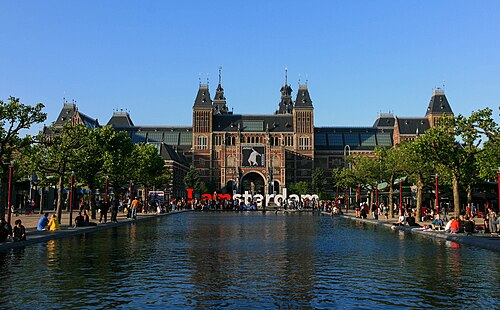
Rijksmuseum
The Rijksmuseum is the national museum of the Netherlands, at Museumstraat 1 on the south side of Amsterdam's Museumplein, immediately next to the Van Gogh Museum.
- Must see
- Museum
Language · 11 published
City guide · Netherlands
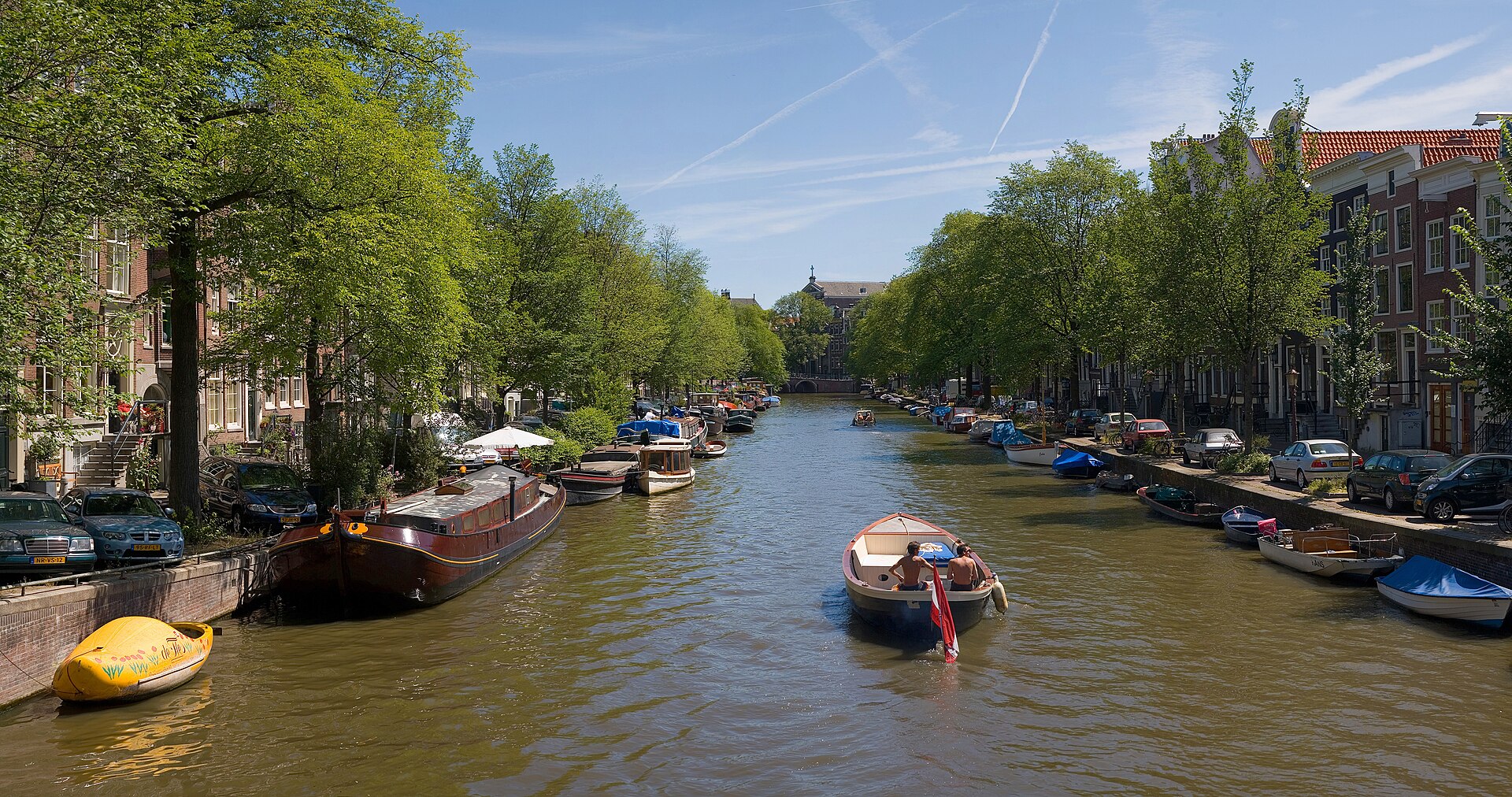
Amsterdam is the constitutional capital of the Netherlands, organised around a historic centre of canals, bridges and narrow streets. The seventeenth-century canal ring shapes the central visitor experience, while major museums cluster south around Museumplein and ferries connect Centraal Station with Amsterdam Noord. The city is compact but not confined to the old centre: Jordaan, De Pijp, Plantage, Westerpark, Oost and the redeveloped northern waterfront each work as distinct neighbourhood visits.
Reviewed by Elena Voss · Roavina Travel Editor
Set your days, your pace and the hours you actually want to be out. The planner works around closing days and travel time, and leaves room to eat.
Ranked by importance — sitelinks, pageviews and heritage status, not editor preference.
78 places match
Category
Typical visit duration
The Rijksmuseum is the national museum of the Netherlands, at Museumstraat 1 on the south side of Amsterdam's Museumplein, immediately next to the Van Gogh Museum.
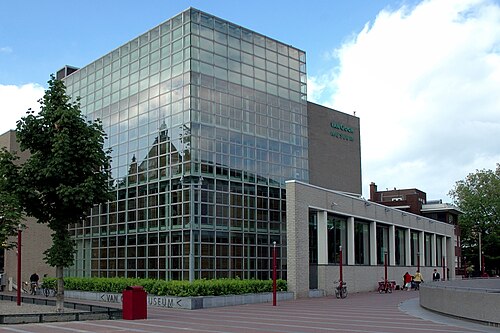
The Van Gogh Museum stands at Museumplein 6, on the square it shares with the Rijksmuseum and the Stedelijk, and its main entrance faces that square.
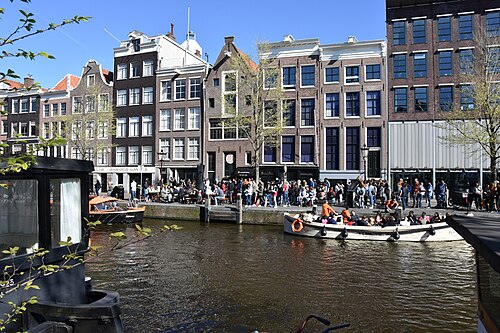
Anne Frank Huis
The Anne Frank House is the canal house at Prinsengracht 263-267 in central Amsterdam where Anne Frank and seven other people hid from July 1942 until their arrest, and where she wrote the diary.
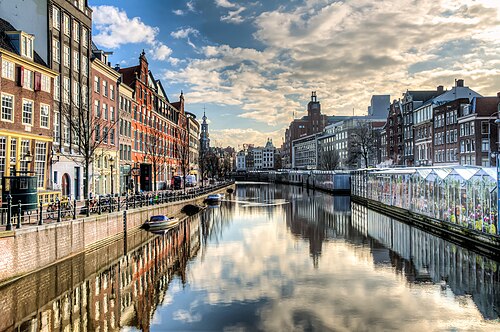
Grachtengordel van Amsterdam
The Grachtengordel is not a building a visitor enters but a district a visitor walks through, and it is the largest single thing on Amsterdam's sightseeing list.
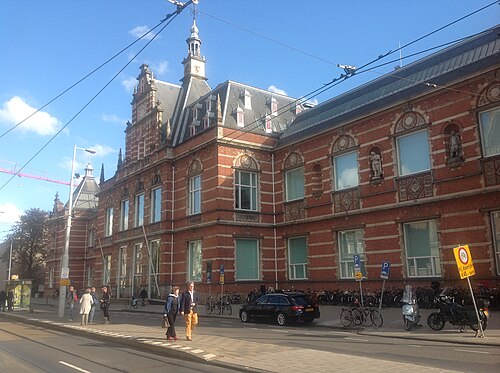
Stedelijk Museum Amsterdam is the city's museum for modern and contemporary art and design, located at Museumplein.
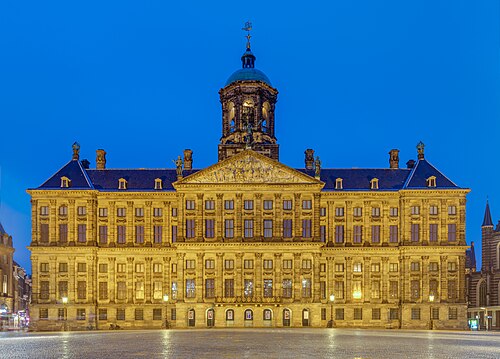
Koninklijk Paleis
The Royal Palace Amsterdam stands on the west side of Dam Square, opposite the National Monument and beside the Nieuwe Kerk. It was not built as a palace.
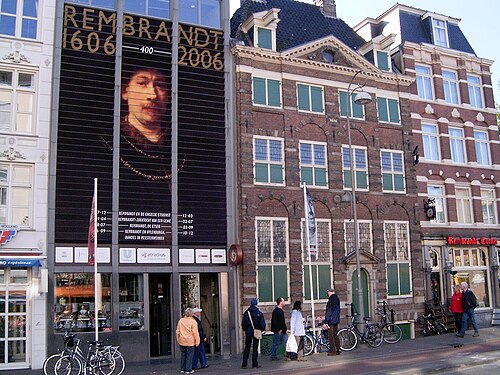
Rembrandthuis
Museum Het Rembrandthuis is the house on Jodenbreestraat that Rembrandt van Rijn bought on 5 January 1639 for thirteen thousand guilders and lived in until his bankruptcy forced its auction in 1658, when it fetched eleven thousand.
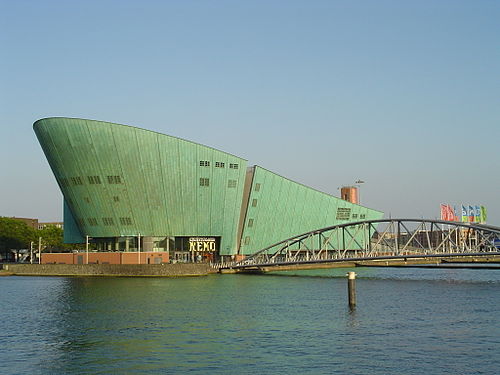
Nemo
NEMO Science Center is a science museum located in Amsterdam, Netherlands. It is housed in a distinctive green copper-clad building designed by Renzo Piano, which resembles a ship rising from the water.
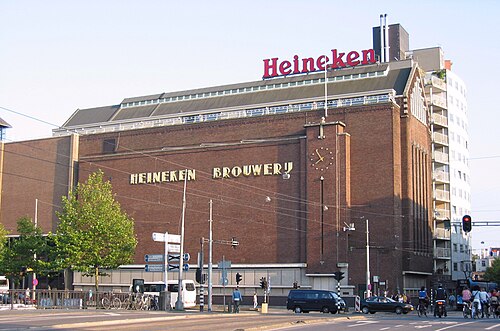
The Heineken Experience is a visitor attraction located in Amsterdam, housed in a former Heineken brewery. The building served as the company's primary brewing facility from 1867 until 1988, when production moved to larger premises outside the city center.
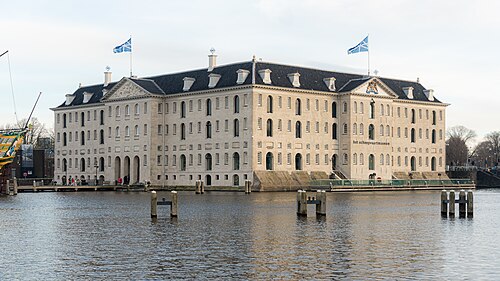
Het Scheepvaartmuseum
Het Scheepvaartmuseum is the National Maritime Museum of the Netherlands, housed in a former naval arsenal built in 1656. The monumental building stands on the waterfront near Amsterdam's city center, serving as a major institution dedicated to Dutch maritime history.
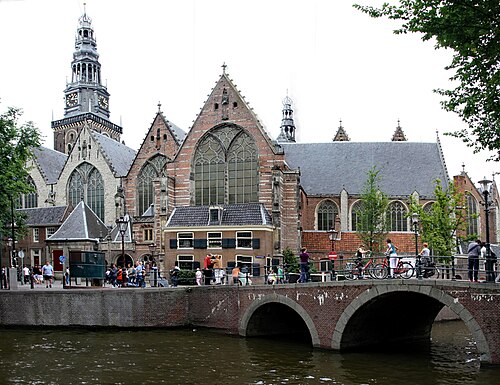
The Oude Kerk is the oldest building in Amsterdam and, since 2012, a museum of contemporary art that happens to be a medieval parish church.
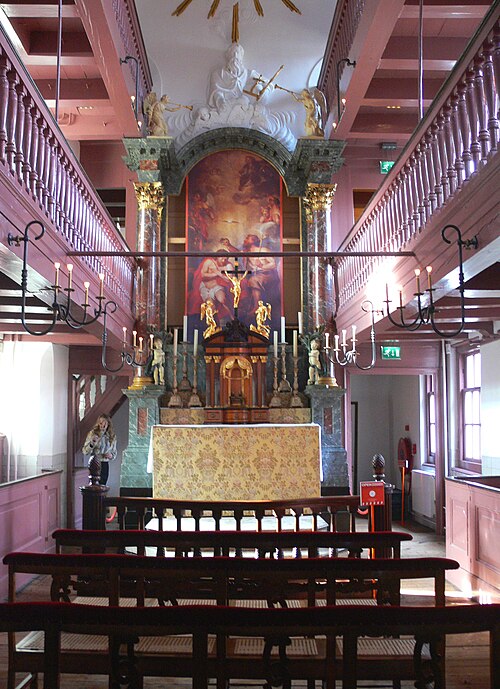
Ons' Lieve Heer op Solder
Ons' Lieve Heer op Solder is a museum in Amsterdam centred on a hidden Catholic church built in the attic of a seventeenth-century canal house.
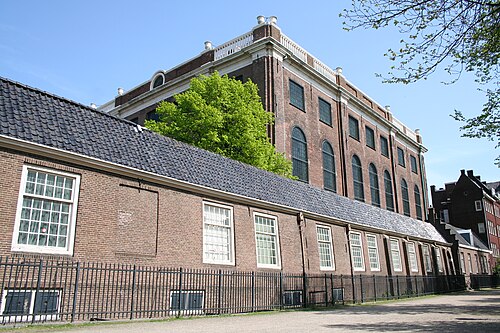
Portugese Synagoge
The Portuguese Synagogue stands on Mr. Visserplein in central Amsterdam and is known to the community that built it as the Esnoga, the Judaeo-Spanish word for synagogue.

Nationaal Holocaustmuseum
The National Holocaust Museum in Amsterdam occupies a former nursery and teacher training college that served as a clandestine escape route for Jewish children during the German occupation of the Netherlands.
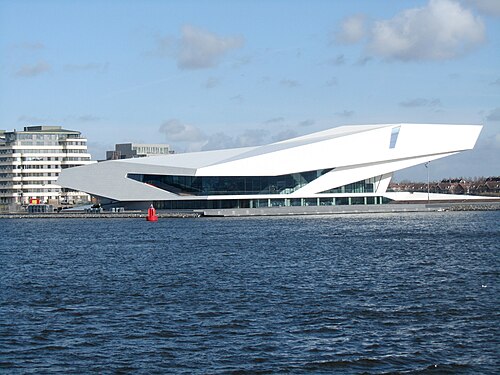
Eye Filmmuseum is a museum dedicated to film culture situated on the northern bank of the IJ river in Amsterdam. The building occupies a prominent position opposite Amsterdam Central Station, accessible by ferry.
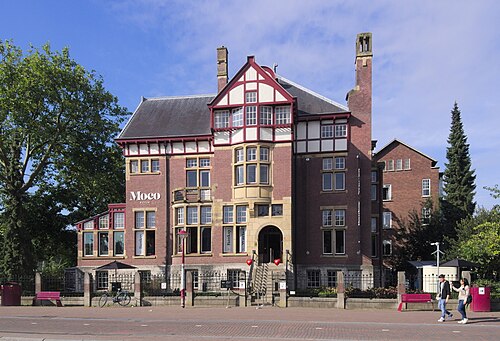
Moco Museum is a private contemporary art museum in Amsterdam. The institution occupies a historic townhouse near Museumplein in the city's Museum Quarter. It positions itself as a boutique museum experience focused on modern and contemporary art movements.
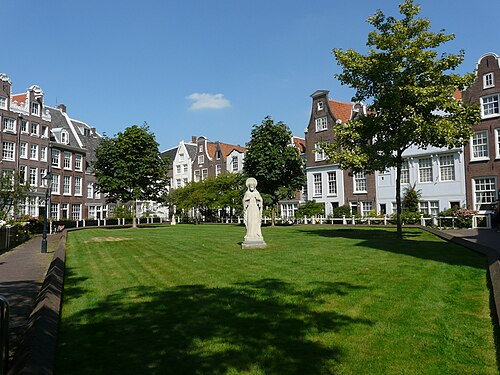
Begijnhof is a historic courtyard in central Amsterdam, one of the oldest inner courts in the city. The site originated as a beguinage, a community for religious women who lived together without taking monastic vows.
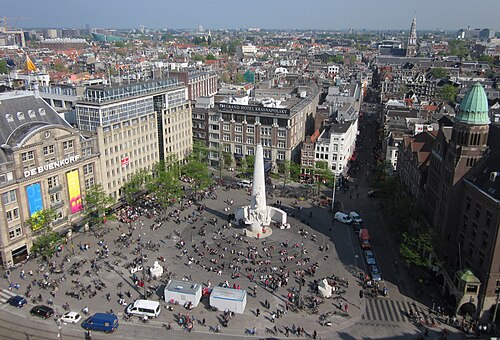
Dam
Dam Square, known locally as the Dam, is the central square of Amsterdam, Netherlands. It lies in the historical center of the city, approximately 750 meters south of Central Station.
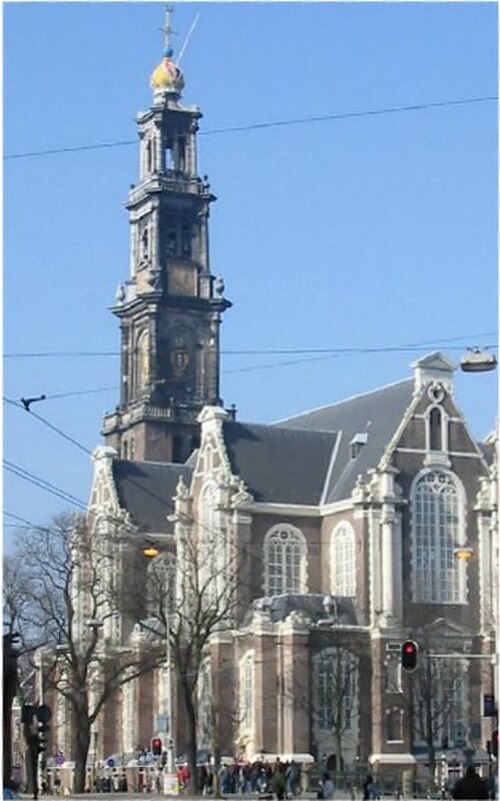
Westerkerk is a Protestant church in Amsterdam, located in the Grachtengordel district beside the Prinsengracht canal. It was built in the Dutch Renaissance style and remains one of the city's most prominent religious structures.

STRAAT
STRAAT is a museum in Amsterdam Noord dedicated to street art and graffiti. Housed in a former NDSM shipyard warehouse, it occupies a substantial industrial space on the north bank of the IJ river.
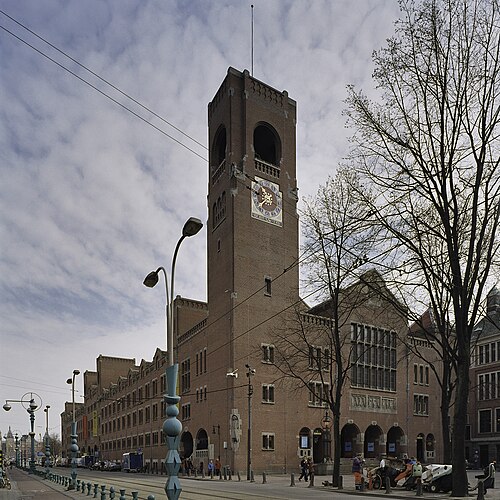
Beurs van Berlage is a former exchange building on Damrak beside Beursplein in central Amsterdam. Hendrik Petrus Berlage designed it, and construction was completed in 1903.
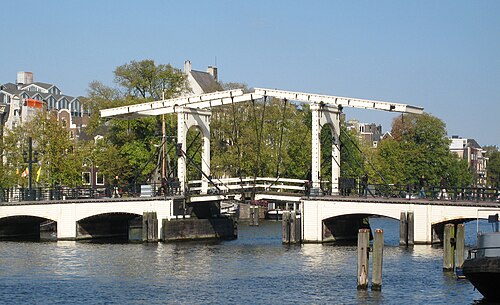
Magere Brug is a working pedestrian and cyclist bridge across the Amstel in central Amsterdam, linking Kerkstraat on the west bank with Nieuwe Kerkstraat on the east.
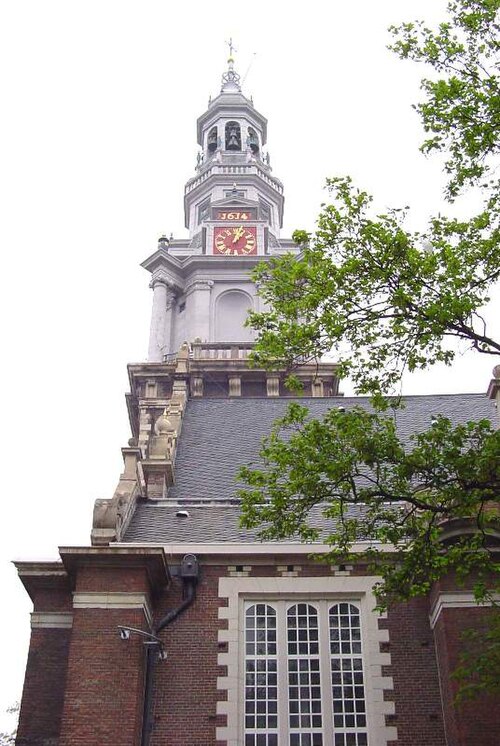
The Zuiderkerk is a former Protestant church in Amsterdam, located in the Nieuwmarkt area near the historic city centre.
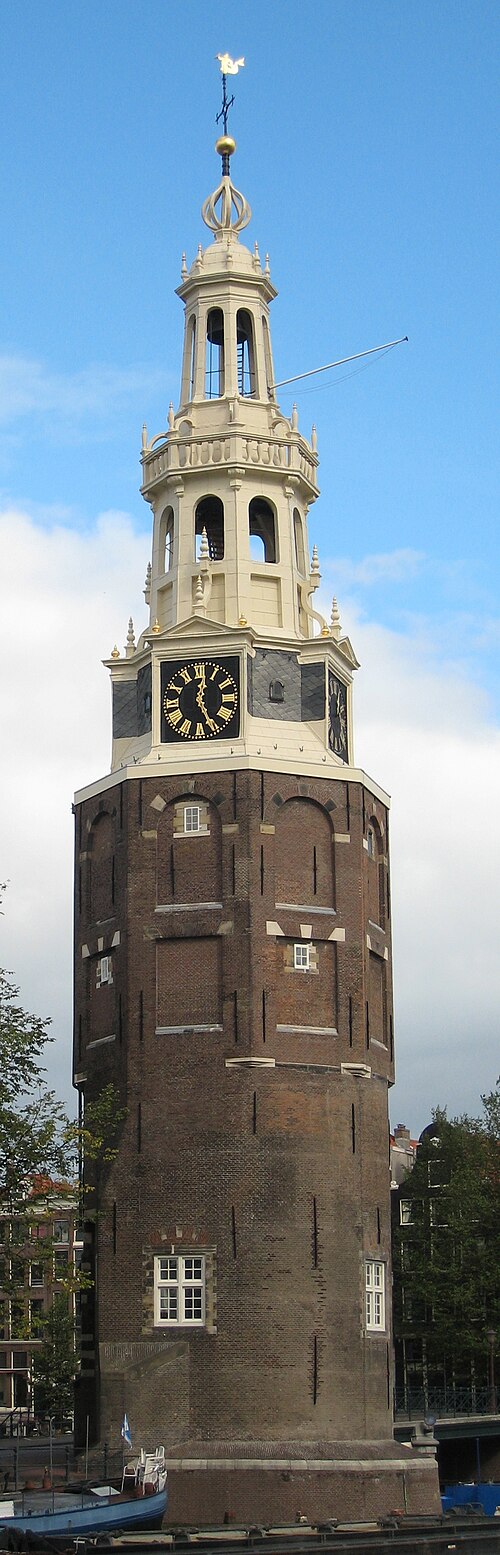
Montelbaanstoren is a surviving medieval tower on Oude Schans, beside the canal in Amsterdam’s historic centre. Built in 1516 as part of Amsterdam’s defensive fortifications, it preserves the outline of the city’s former fortified waterfront.
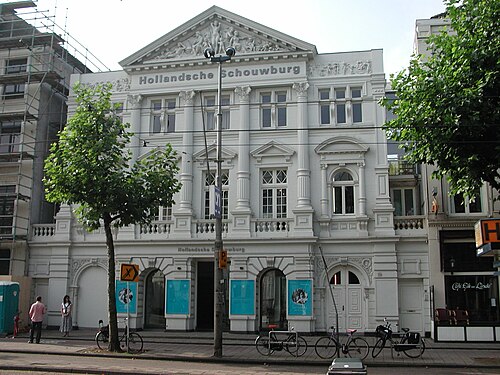
Hollandsche Schouwburg is a former theatre in Amsterdam’s Plantage district and now a place of Holocaust remembrance. Opened as a theatre in 1892, the building was later used during the German occupation as a deportation centre for Jewish people.
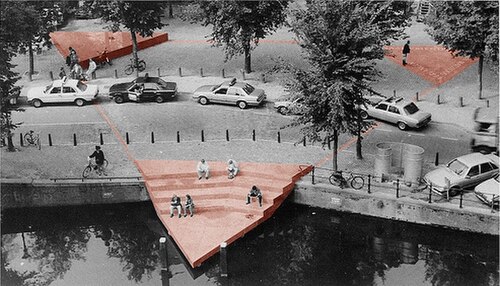
The Homomonument is an outdoor memorial on Amsterdam’s Keizersgracht, beside the Westerkerk. Karin Daan designed the three-part pink granite monument, unveiled in 1987, as a public place of remembrance for LGBTQ+ people persecuted because of their sexuality.

Oost-Indisch Huis is a historic Amsterdam building identified with the Dutch East India Company, or VOC. Unlike a private canal-side merchant house, it is remembered for institutional work: administration, meetings, records and decisions connected with a powerful trading organisation.
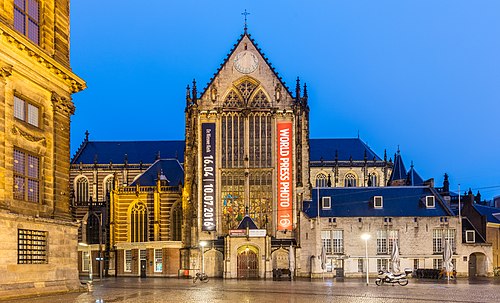
De Nieuwe Kerk stands on the west side of Dam Square, wall to wall with the Royal Palace, and it is no longer a working parish church.
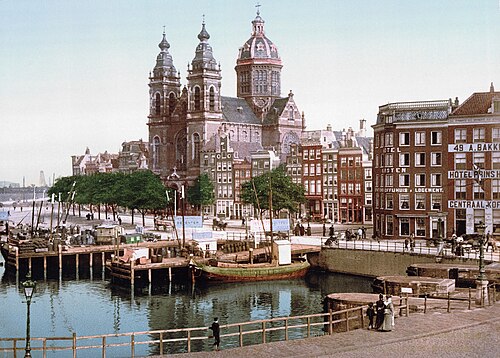
Co-kathedrale Basiliek van Sint Nicolaas
The Church of St Nicholas, known locally as Co-kathedrale Basiliek van Sint Nicolaas, stands as a prominent Roman Catholic church in Amsterdam. Located in the city's oldest centre near Central Station, it serves as the city's main Catholic church.
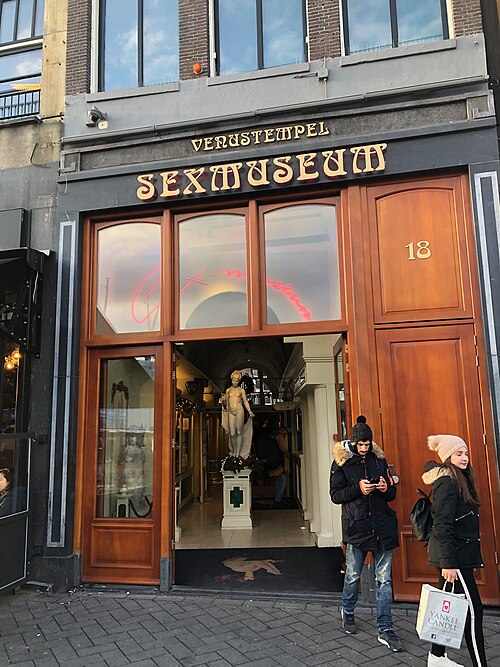
Venustempel Sexmuseum
Sexmuseum Amsterdam is a compact, multi-floor museum in Amsterdam’s historic centre near Dam Square, focused specifically on the history and cultural representation of human sexuality.
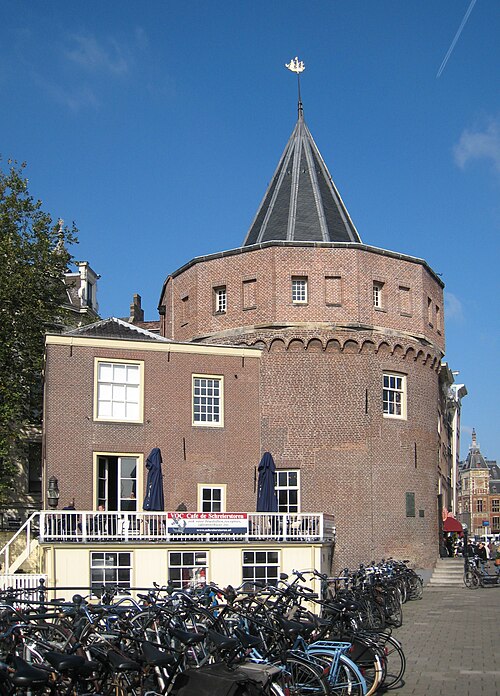
Schreierstoren is a late-medieval defensive tower beside Amsterdam’s old harbour, on Prins Hendrikkade close to the IJ waterfront.
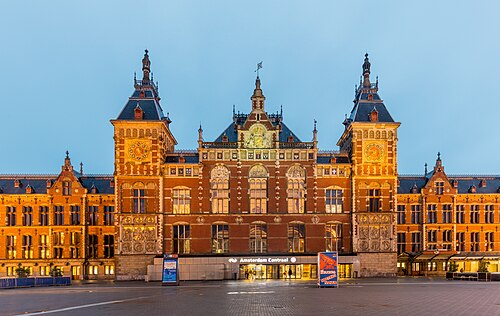
Centraal Station
Amsterdam Central station is the city’s principal railway gateway, set between Amsterdam’s historic centre and the IJ waterfront.
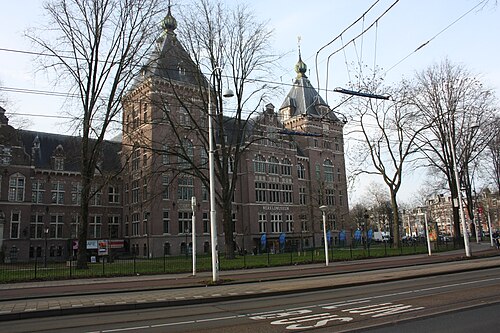
Wereldmuseum Amsterdam is a museum in Amsterdam dedicated to world cultures and ethnographic collections. The institution presents artifacts and narratives from diverse global traditions, positioned within the Netherlands' historical context of colonial engagement and maritime trade.

Joods Museum
Amsterdam’s Jewish Museum is a cultural institution devoted to Jewish history, religion and culture in the Netherlands. Its setting in the city’s historic Jewish quarter gives the museum a direct relationship with the streets and community it interprets.
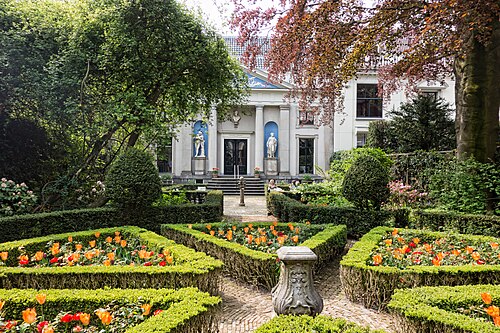
Museum Van Loon is a historic canal-house museum on Amsterdam’s Keizersgracht, where the building itself forms the central experience.
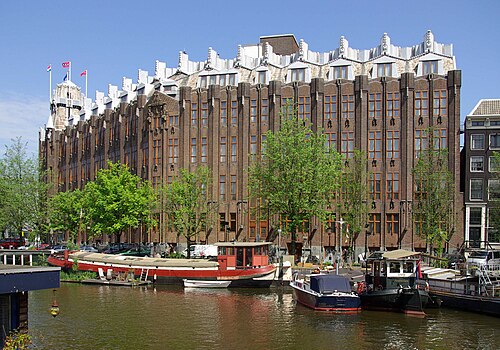
Scheepvaarthuis is an Amsterdam landmark whose identity is unusually clear: it was built between 1912 and 1916 as the headquarters of six shipping companies.
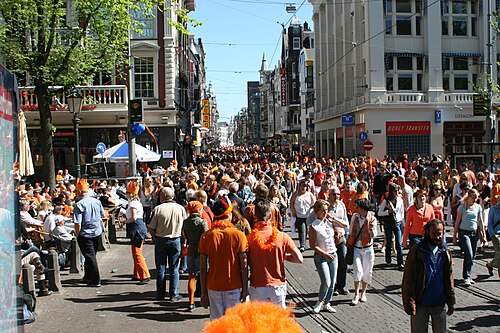
Leidseplein is a central Amsterdam square where theatre façades, cinemas, cafés, restaurants, bars and hotel entrances meet around an open paved space.
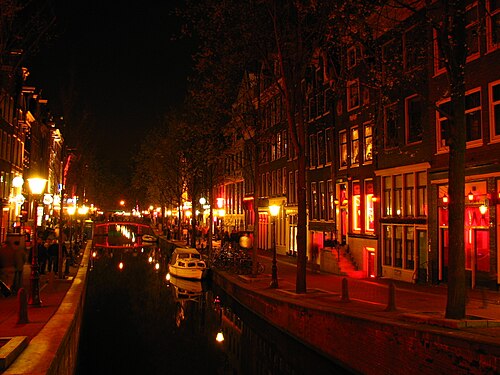
de Wallen
De Wallen is the oldest and most historic neighbourhood of Amsterdam, located in the medieval centre. It encompasses the city's original harbour and canal network, with buildings dating back centuries.
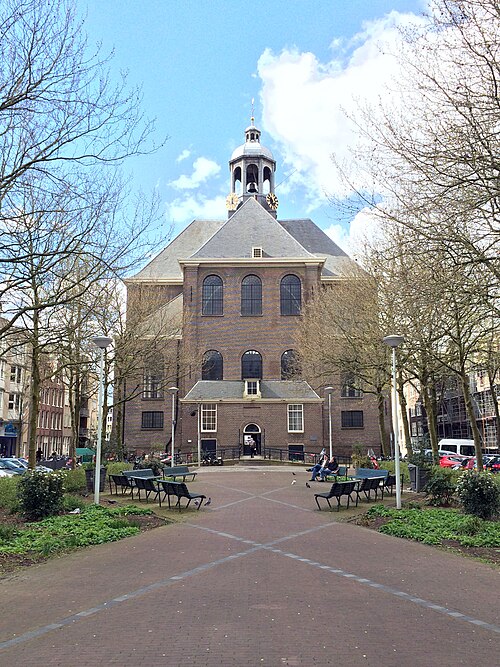
Oosterkerk, or East Church, is a historic church building in Amsterdam. Its name points to the eastern part of the city, while the building itself belongs to Amsterdam’s religious and architectural heritage.

H'ART Museum
H'Art Museum is an art institution on Amsterdam’s Amstel riverfront, where the character of the visit is tied to both the galleries and the historic waterway setting.

Het Huis met den Hoofden
Huis met de Hoofden, also known as Het Huis met den Hoofden, is an Amsterdam canal house known for a row of carved stone heads on its facade.
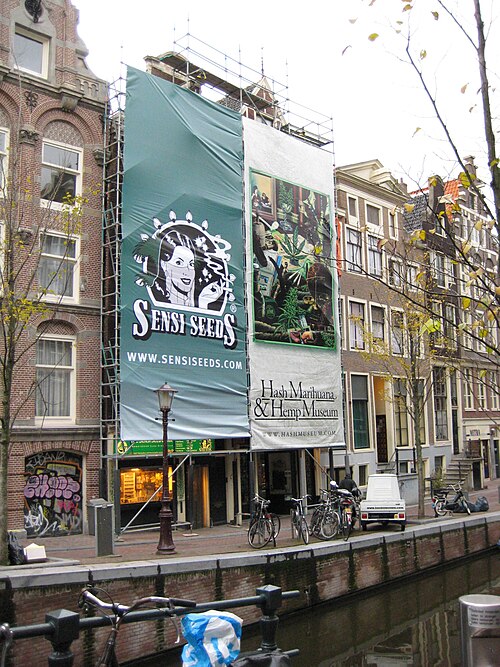
Hash Marihuana & Hemp Museum
The Hash Marihuana & Hemp Museum in Amsterdam is a museum dedicated to cannabis culture and the history of hemp. It explores the plant's multifaceted uses across medicine, industry, and recreation.
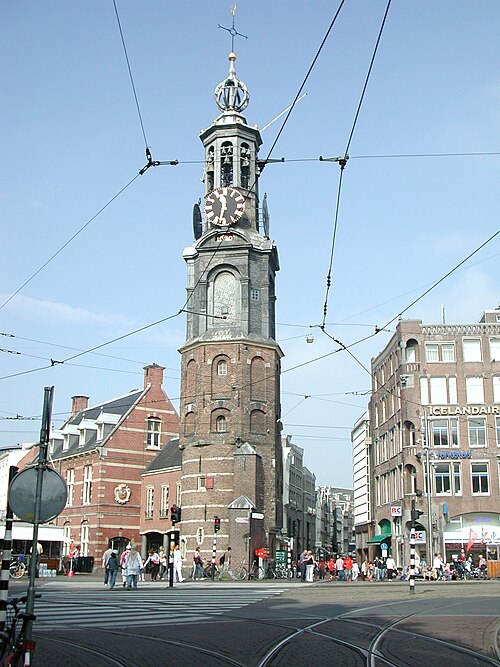
Munttoren is Amsterdam’s historic clock tower at Muntplein, where the Amstel meets the Singel canal.
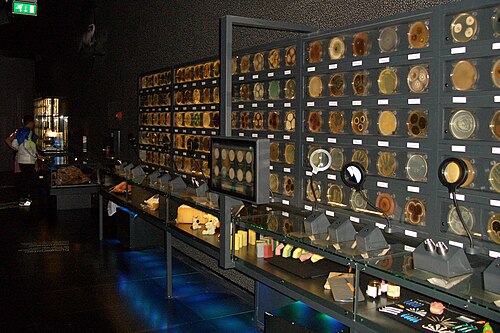
Micropia is Amsterdam’s museum devoted to microbial life, in the Plantage district beside Artis Zoo. Its subject is the living world of bacteria, fungi, and other microorganisms that normally remains beyond unaided sight.
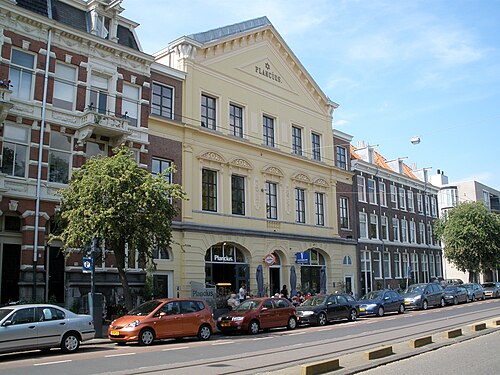
Verzetsmuseum
The Dutch Resistance Museum, known locally as Verzetsmuseum, documents the history of Dutch resistance during the German occupation of the Netherlands in World War II.
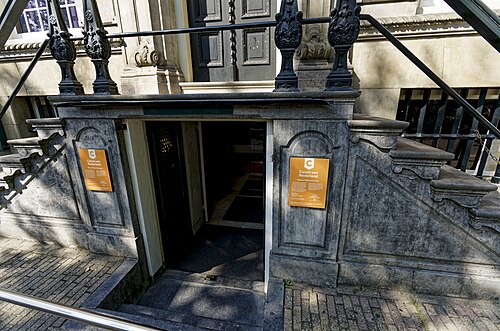
Willet-Holthuysen
Museum Willet-Holthuysen is a preserved canal-house residence at Herengracht 605, where visitors enter the world of Amsterdam’s nineteenth-century wealthy urban households.
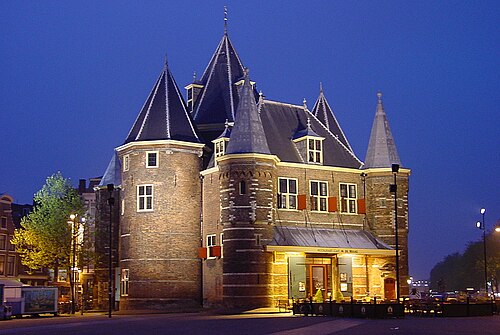
Waag is the historic landmark at the centre of Amsterdam’s Nieuwmarkt. It began as Sint Antoniespoort, a medieval city gate completed in 1488, and later became a weigh house for goods entering the city.
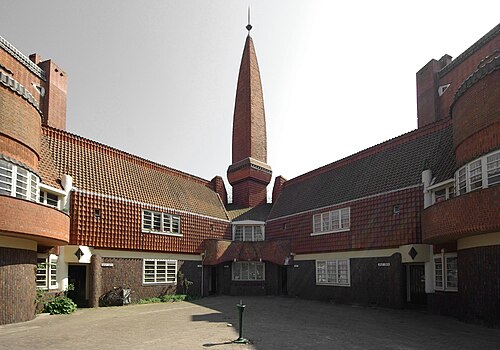
Museum Het Schip
Het Schip is a social-housing complex in Amsterdam’s Spaarndammerbuurt, designed by Michel de Klerk and completed in 1921.
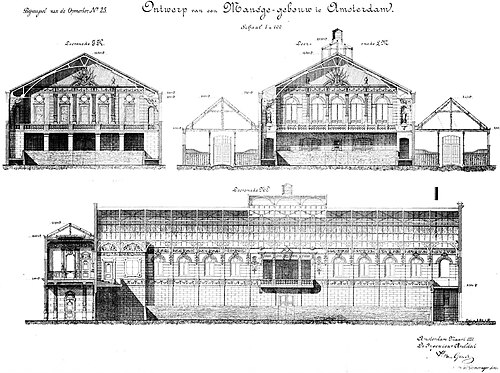
The Hollandsche Manege is a historic riding school in Amsterdam, Netherlands. Established in the nineteenth century, it represents one of the oldest indoor riding facilities in the country.
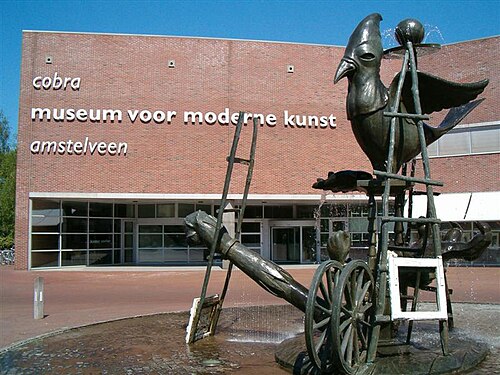
Cobra Museum is a specialist art museum in Amstelveen, the municipality bordering Amsterdam. Its subject is the Cobra movement, an international post-war group whose name joins Copenhagen, Brussels and Amsterdam.
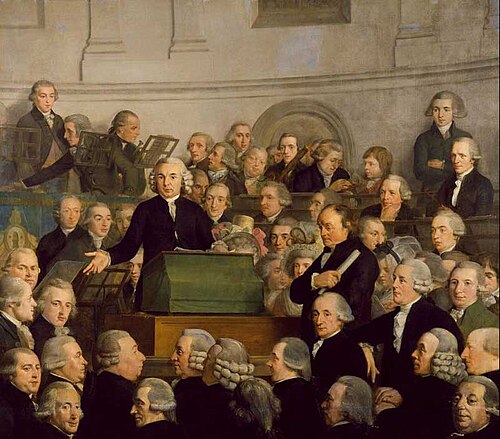
Felix Meritis is an Amsterdam cultural landmark remembered for bringing several fields of knowledge and creativity into one institution. Its Latin name means “Happiness through Merit,” a phrase that reflects the Enlightenment ideals associated with its founders.
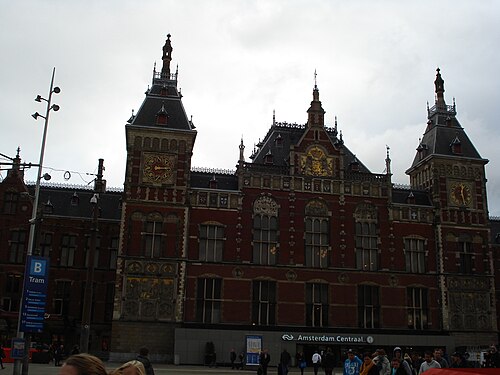
The Amsterdam Dungeon
Amsterdam Dungeon is a theatrical attraction built around live actor performances, atmospheric sets, sound, lighting, and dark episodes from Dutch history.
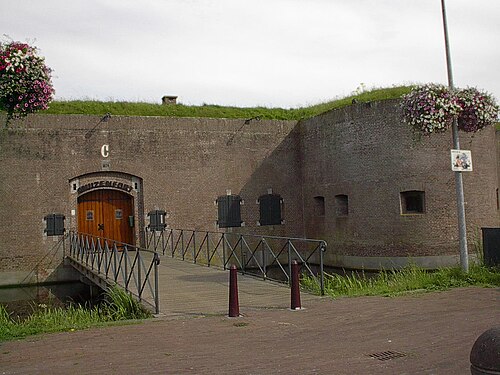
Muizenfort
Mouse Fort is the English name recorded for Muizenfort, a fortification associated with Amsterdam’s wider defensive landscape. Its interest lies in the relationship between military construction, controlled water and the low-lying terrain around the Dutch capital.
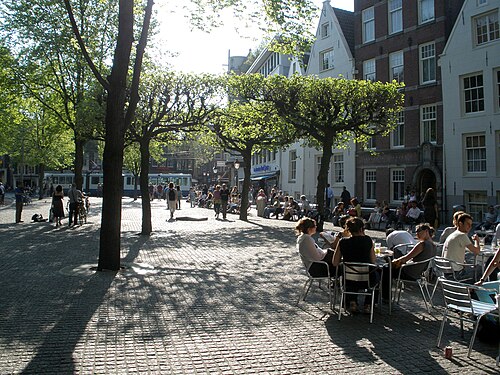
Spui is a central Amsterdam square beside the Singel canal, where a broad paved public space meets bookshops, cafés and the entrance to the Begijnhof.
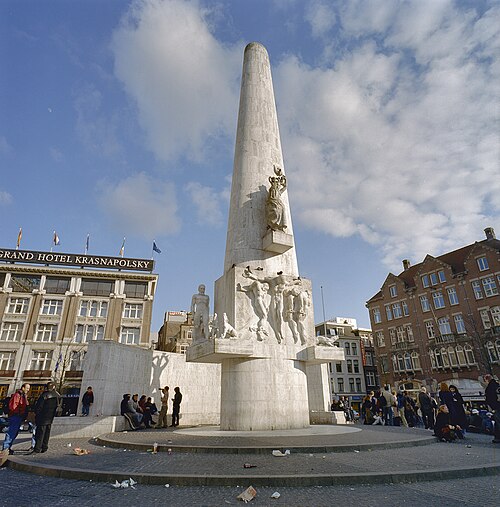
Nationaal Monument
The National Monument is a white stone memorial pillar located on Dam Square in central Amsterdam. Erected in 1956, it commemorates Dutch victims of World War II and subsequent conflicts.
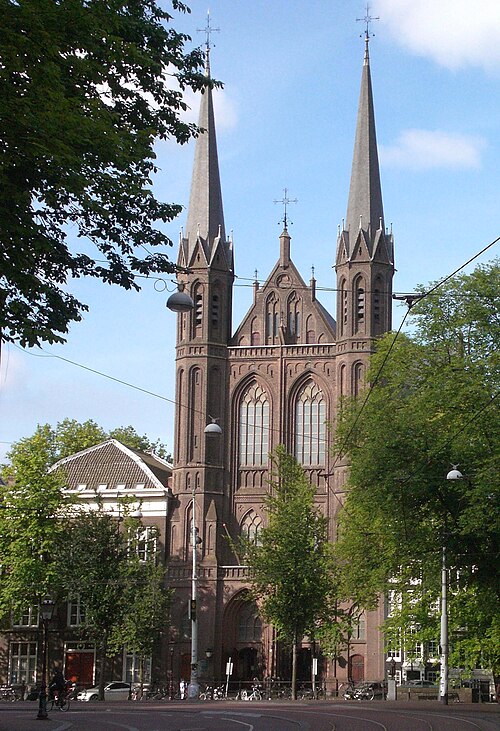
Sint-Franciscus Xaveriuskerk
De Krijtberg, also called Sint-Franciscus Xaveriuskerk, is a Catholic church on the Singel canal in central Amsterdam. The church is dedicated to Saint Francis Xavier and remains part of the city’s religious life.
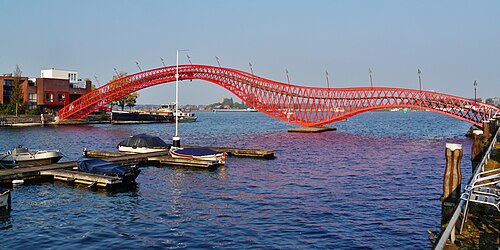
Pythonbrug
Python Bridge, known locally as Pythonbrug, is a pedestrian bridge in Amsterdam’s Eastern Docklands. The bridge is recognizable for its serpentine form, which gives the structure its English and Dutch names and distinguishes it from Amsterdam’s many straighter crossings.
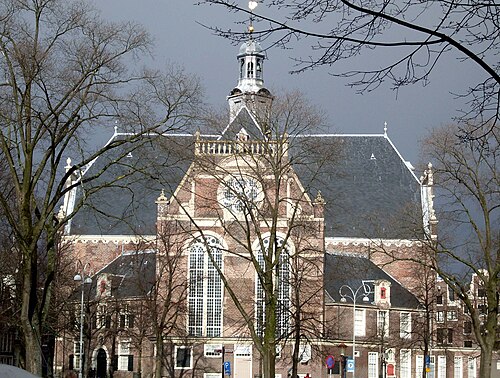
Noorderkerk is a Protestant church in Amsterdam, situated in the Jordaan district on the Noordermarkt. Designed by Hendrick de Keyser, construction began in 1620 and was completed in 1632.
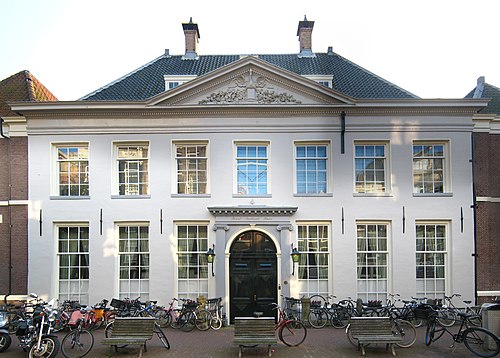
West Indisch Huis
West-Indisch Huis is a historic Amsterdam building associated with the Dutch West India Company, the seventeenth-century chartered company involved in Atlantic trade, colonial administration and commercial operations.

Madame Tussauds Amsterdam is a wax museum located in the city centre of Amsterdam, Netherlands. It is part of the global Madame Tussauds franchise known for displaying lifelike wax figures of celebrities, historical figures, and cultural icons.
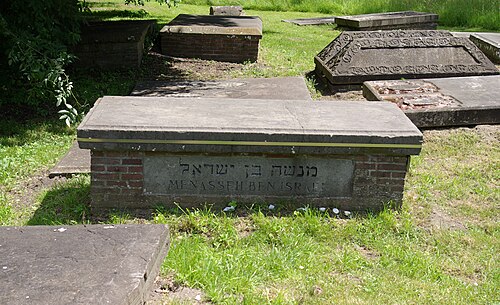
Beth Haim is a historic Jewish cemetery in Ouderkerk aan de Amstel, about seven kilometres south of central Amsterdam. Founded in 1614 by Amsterdam’s Portuguese Jewish community, it is among the oldest Jewish cemeteries in the Netherlands.
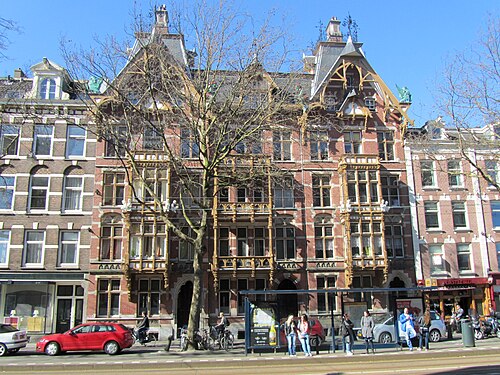
Huis met de Kabouters means House with the Gnomes. It is a distinctive Amsterdam building known for decorative gnome figures and an unusual facade.
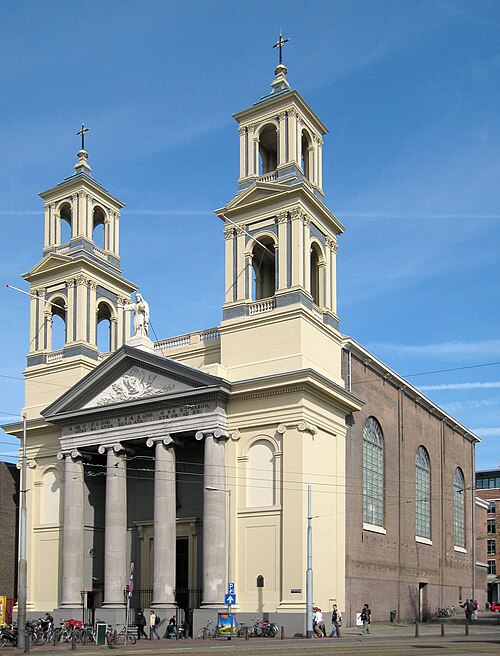
Mozes en Aäronkerk is a Catholic church in Amsterdam’s historic centre, named for Moses and Aaron. It is a working place of worship rather than a museum arranged around a visitor route.
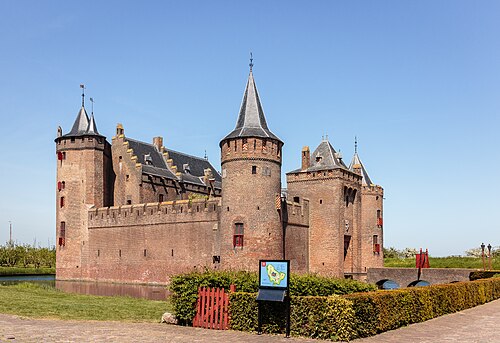
Muiderslot is a medieval castle located near Amsterdam in the town of Muiden, southeast of the city centre. The structure dates to approximately 1285 and represents one of the Netherlands' best-preserved historic castles.
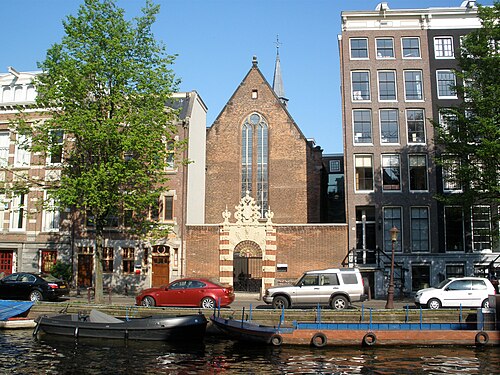
Agnietenkapel (UvA)
Agnietenkapel is a historic chapel in Amsterdam, associated with the University of Amsterdam (UvA). The name derives from the former convent of Saint Agnes. It serves as an academic ceremonial venue rather than a regular place of worship.
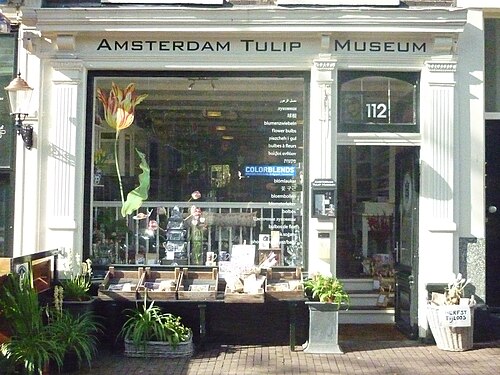
The Amsterdam Tulip Museum is a specialist museum in Amsterdam’s Jordaan district devoted to the tulip’s historical and cultural importance in the Netherlands. Its distinctive subject is the relationship between a flower, horticulture, trade and national imagery.
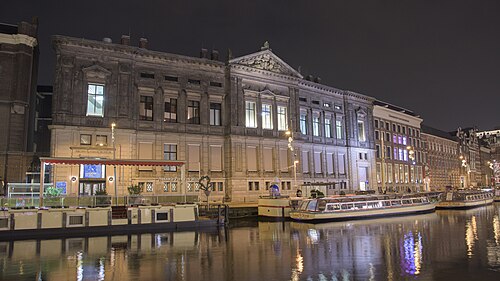
The Allard Pierson Museum is the archaeological museum of the University of Amsterdam. It houses collections of antiquities from ancient Egypt, the Near East, the Greek world, Etruria, and the Roman Empire.
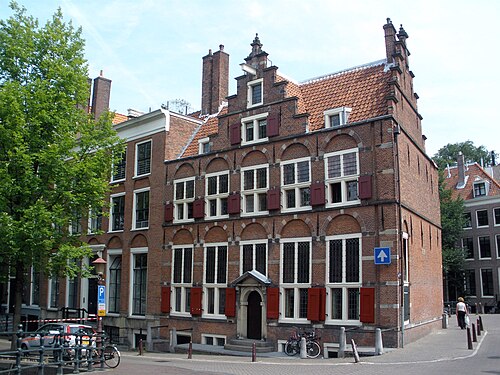
Huis aan 3 grachten
Huis aan de Drie Grachten is an Amsterdam canal house whose name means “House on the Three Canals.” The name points to the building’s defining setting: it stands where three canals meet, making its relationship with the water more important…
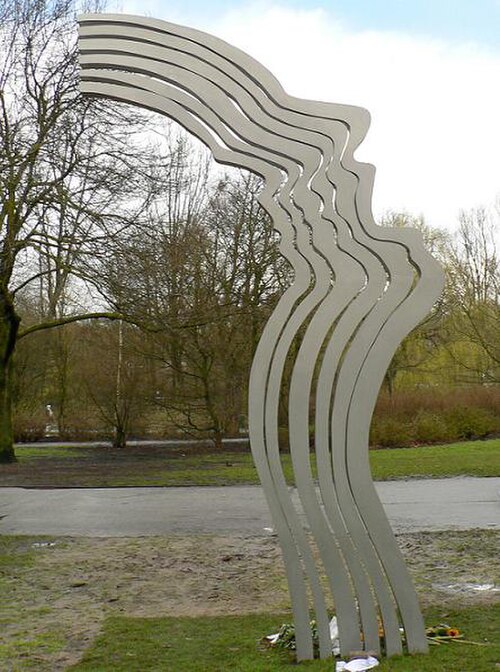
De Schreeuw is an outdoor memorial monument in Amsterdam, identified by its Dutch name, “The Scream.” It is a fixed public artwork in the city rather than a museum, gallery, or historic building with visitor rooms.
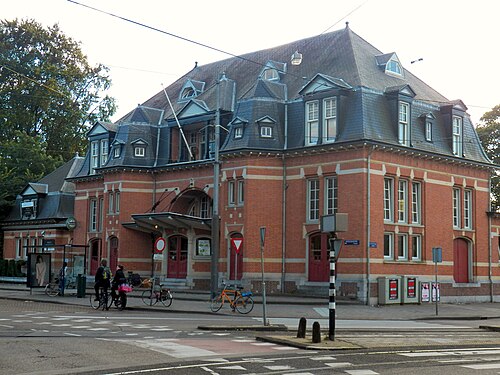
Haarlemmermeerstation is a historic railway station building in Amsterdam. It formerly served as a terminus for the Haarlemmermeer railway lines and represents the period when railways connected the capital with surrounding polder communities.
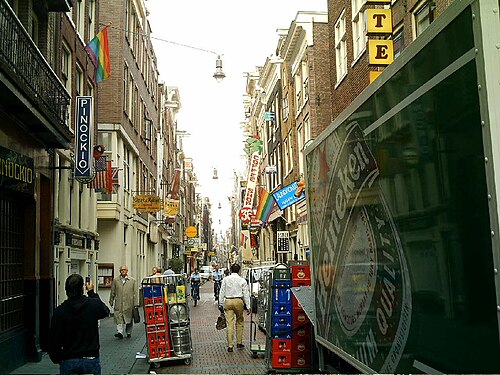
Warmoesstraat is a historic street in Amsterdam’s medieval centre, running through the Wallen area near the city’s oldest urban core. Its name comes from “warmoes,” an old Dutch word associated with vegetables and herbs, a reminder of earlier market life.
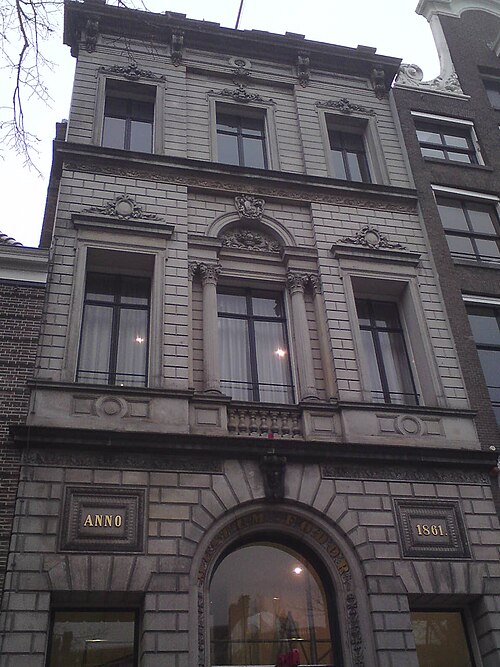
foam
Foam Fotografiemuseum Amsterdam is a photography museum housed on Keizersgracht in Amsterdam’s central canal district.
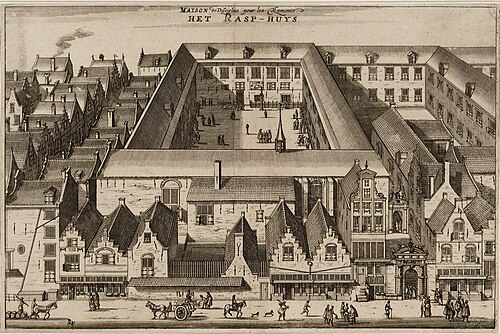
Rasphuispoort
Rasphuis, also known locally as Rasphuispoort, is a surviving gate connected with Amsterdam’s former rasphuis, or house of correction. The name refers to the rasping of wood, labour associated with inmates of the institution.
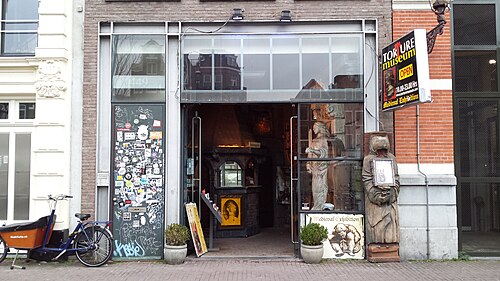
Amsterdam’s Torture Museum is a compact specialist museum devoted to judicial torture and punishment in European history. Its narrow canal-house setting gives the visit an intimate old-city character unlike Amsterdam’s large national museums.
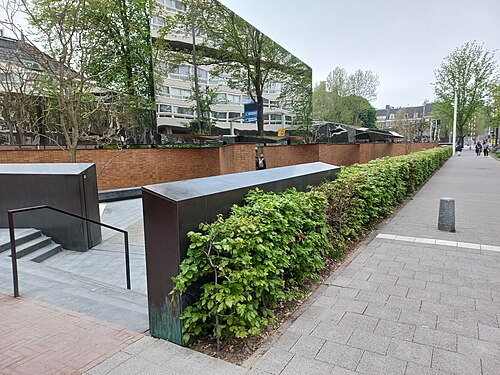
Nationaal Holocaust Namenmonument
The National Holocaust Names Memorial, or Nationaal Holocaust Namenmonument, is a place of remembrance in Amsterdam’s former Jewish quarter. Its walls commemorate Jews, Sinti and Roma from the Netherlands who were murdered during the Holocaust.
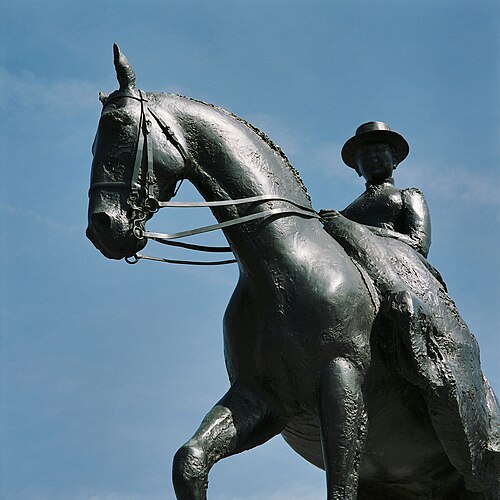
Ruiterstandbeeld van Koningin Wilhelmina
The Equestrian statue of Queen Wilhelmina is an Amsterdam civic monument centred on a mounted portrait of Queen Wilhelmina of the Netherlands. The horse-and-rider format gives the work a strong silhouette and distinguishes it from standing or seated royal memorials.

Fort Pampus
Fort Pampus is a sea fort located on the artificial island of Pampus in the IJmeer, east of Amsterdam.

Kattenkabinet
The Kattenkabinet is a museum in Amsterdam dedicated entirely to cat-related art and culture. Founded in 1990, it occupies a canal house on the Herengracht.
Source: OpenStreetMap contributors, Wikidata ·
Start with Centrum around Dam Square and the medieval streets, then read the canal belt as widening arcs around it. Jordaan lies west of the Prinsengracht, while the Museum Quarter and De Pijp sit south of the central canals. Plantage and the eastern islands extend the cultural route eastward. Amsterdam Noord is across the IJ rather than across another canal and is reached from the Centraal Station waterfront. The municipality divides Amsterdam into seven districts plus the Weesp city area, but visitor neighbourhood names are usually more useful than administrative boundaries.
Checked 2026-08-26
Walk through the central canals and use GVB trams, metros, buses and ferries for longer links. GVB accepts contactless check-in and check-out through OVpay as well as its own visitor tickets. Cycling is part of daily transport, but unfamiliar riders should not treat busy cycle lanes as a sightseeing attraction; public transport is the calmer first choice. Ferries are particularly useful for Amsterdam Noord, while trams connect the centre with Museumplein and surrounding neighbourhoods. Always check in and out with the same card or device.
Checked 2026-08-26
A fixed stay length is not recorded. Organise time around Centrum and the canal ring, the Museum Quarter, then one or more outer neighbourhoods such as Noord, De Pijp or Oost.
Centrum and the canal ring form the main historic core. Jordaan lies to the west, Museumplein to the south, and Amsterdam Noord sits across the IJ from Centraal Station.
GVB supports OVpay. Check in when boarding or entering the system and check out at the end using the same contactless card, phone or watch.
No. Walking and GVB services cover the visitor city well. Cycling is practical for confident riders, but busy local cycle traffic makes it a poor default for an unfamiliar visitor.
Use the GVB ferries from the waterfront behind Centraal Station. Noord is across the IJ and should be planned as a separate neighbourhood cluster rather than part of a canal-ring walk.