Oslo Opera House
Operahuset i Oslo
The Oslo Opera House (Operahuset) is the home of the Norwegian National Opera and Ballet and Norway's national opera house, standing in Bjørvika at the head of the Oslofjord.
- Must see
- Art and culture venue
City guide · Norway
3838 places catalogued in Oslo so far.
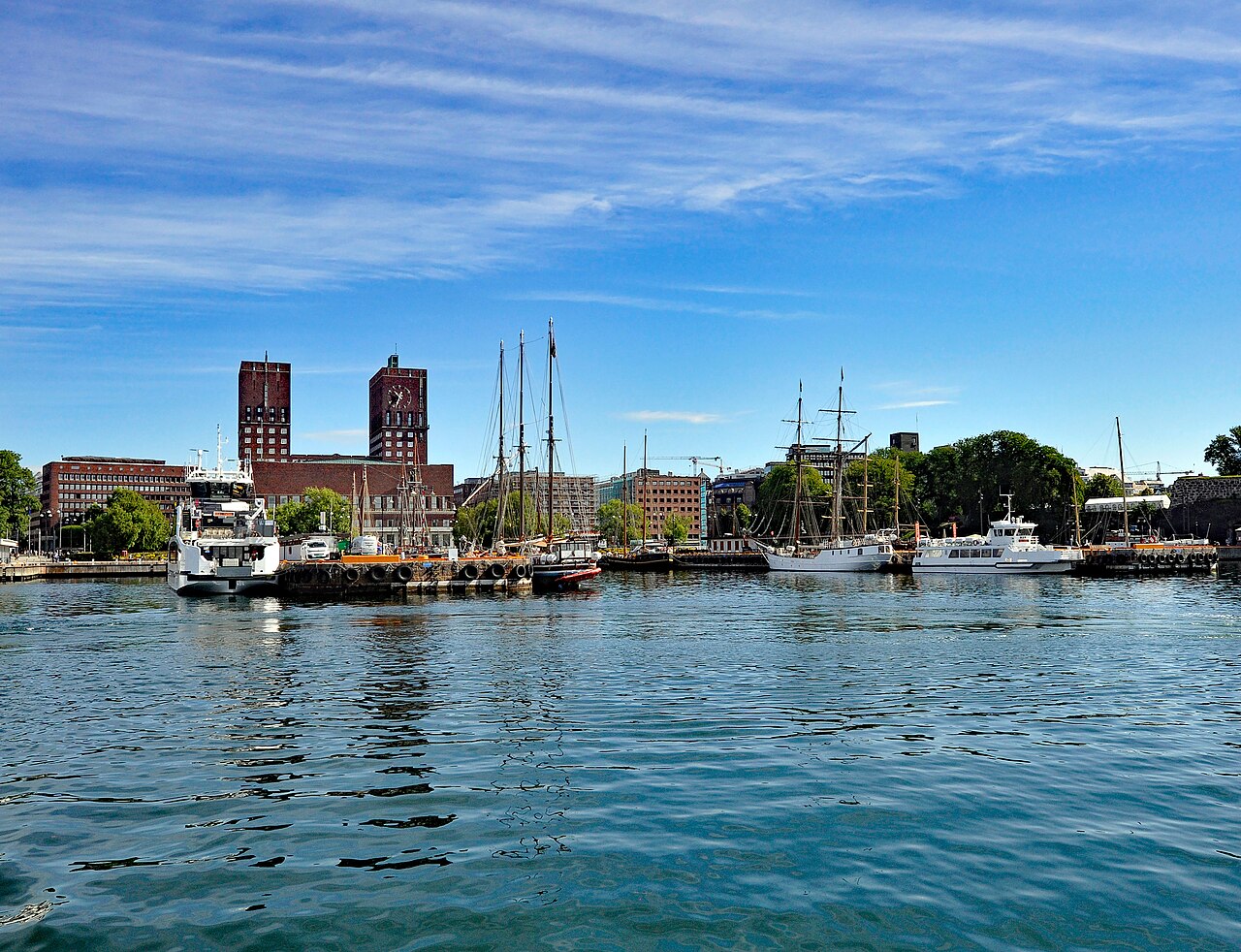
Photograph · P. Hughes · CC BY 4.0
Set your days, your pace and the hours you actually want to be out. The planner works around closing days and travel time, and leaves room to eat.
Ranked by importance — sitelinks, pageviews and heritage status, not editor preference.
2031 places match
Category
Typical visit duration
Good for
Operahuset i Oslo
The Oslo Opera House (Operahuset) is the home of the Norwegian National Opera and Ballet and Norway's national opera house, standing in Bjørvika at the head of the Oslofjord.
Akershus festning
Akershus Fortress, in the centre of Oslo, has served as a centre of power and a national symbol for over 700 years.
Frognerparken
Frogner Park (Frognerparken) is a public park in the Frogner borough of Oslo's West End and, at 45 hectares, the largest park in the city.
Det kongelige slott
The Royal Palace (Det kongelige slott) is the official residence of the Norwegian monarch.
Karl Johans gate is the main street of Oslo. It is named after King Charles III John, who was also King of Sweden as Charles XIV John, and received the name in 1852, shortly after his death.
Oslo rådhus
Oslo City Hall (Oslo rådhus) is the municipal building of Norway's capital and houses the city council, the city administration and other municipal bodies.
Nasjonalgalleriet
The National Gallery (Nasjonalgalleriet) is an art gallery in Oslo, established in 1842 following a parliamentary decision of 1836.
Nationaltheatret
The National Theatre (Nationaltheatret) is one of Norway's largest and most prominent venues for the dramatic arts. It gave its first performance on 1 September 1899, but its origins go back to the Christiania Theatre, founded in 1829.
Aker Brygge, formerly known as Holmen, is a waterfront neighbourhood in central Oslo on the west side of Pipervika, an arm of the Oslofjord. It stands on the former shipyard of Akers Mekaniske Verksted, founded in 1854.
Kunstnernes hus
Kunstnernes Hus ("The Artists' House") is an independent art institution in central Oslo, founded by artists in 1930 and Norway's largest gallery run by artists.
Trefoldighetskirken
Trinity Church (Trefoldighetskirken) is a Church of Norway parish church in the Hammersborg neighbourhood of central Oslo, at Akersgata 60, next to the government quarter.
Oslo domkirke
Oslo Cathedral (Oslo domkirke) is a Lutheran church of the Church of Norway in the city centre and the seat of the Bishop of Oslo.
Oslo Spektrum is a multi-purpose indoor arena in central Oslo, opened in December 1990 and run by Nova Spektrum. It stands next to Oslo Central Station, the bus terminal, the Jernbanetorget public transport hub and the international ferry terminals.
Hovedøya kloster
Hovedøya Abbey (Hovedøya kloster) was a medieval Cistercian monastery on the island of Hovedøya in the Oslofjord. It was founded on 18 May 1147 by monks from Kirkstead Abbey in England and dedicated to the Virgin Mary and Saint Edmund.
Frognerseteren is a historic restaurant from 1891 high above Oslo, on the edge of the Nordmarka forest, and one of the best examples of the dragon style (dragestil) in the city.
Slottsparken
The Palace Park (Slottsparken) is a 22-hectare public park in the centre of Oslo surrounding the Royal Palace.
Sankt Olav domkirke
St. Olav's Cathedral (Sankt Olav domkirke) is the cathedral of the Roman Catholic Diocese of Oslo and the parish church of St. Olav's parish.
Det Norske Teatret (the Norwegian Theatre) is a theatre in Oslo founded in 1912 on the initiative of Hulda Garborg and Edvard Drabløs.
Eidsvolls plass is a square and park in central Oslo, west of the Parliament building, south of Karl Johans gate and east of Studenterlunden and the National Theatre.
Middelalderparken (the Medieval Park) lies between Bjørvika and Gamlebyen in the Gamle Oslo district, in what was once the southern part of medieval Oslo.
Chat Noir (French for "black cat") is a cabaret and revue theatre in Oslo.
Olaf Ryes plass is a roughly square park at the centre of the Grünerløkka district of Oslo.
Gamle Aker kirke
Old Aker Church (Gamle Aker kirke) is a medieval church and active parish church that is the oldest existing building in Oslo.
Sinnataggen
Sinnataggen, the Angry Boy, is a bronze sculpture in the Vigeland installation in Frogner Park and is considered Gustav Vigeland's most famous work. Probably modelled in 1928, it was installed in 1940 as one of 58 sculptures on the Bridge.
Villa Paus (Pausvillaen) is a listed villa at Christian Benneches vei 6 on Bygdøy in Oslo.