
01
2 hours
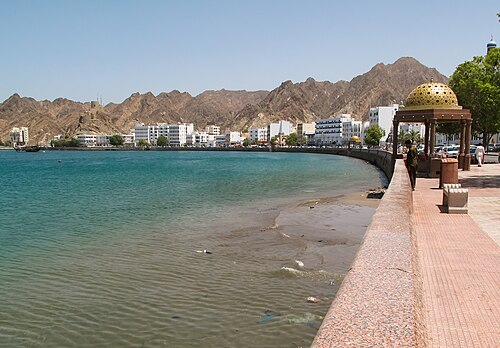
Mutrah Corniche
Mutrah Corniche is the waterfront promenade along the old harbour of Mutrah, a historic district of Muscat.
- Must see
- Activity
Language · 11 published
City guide · Oman
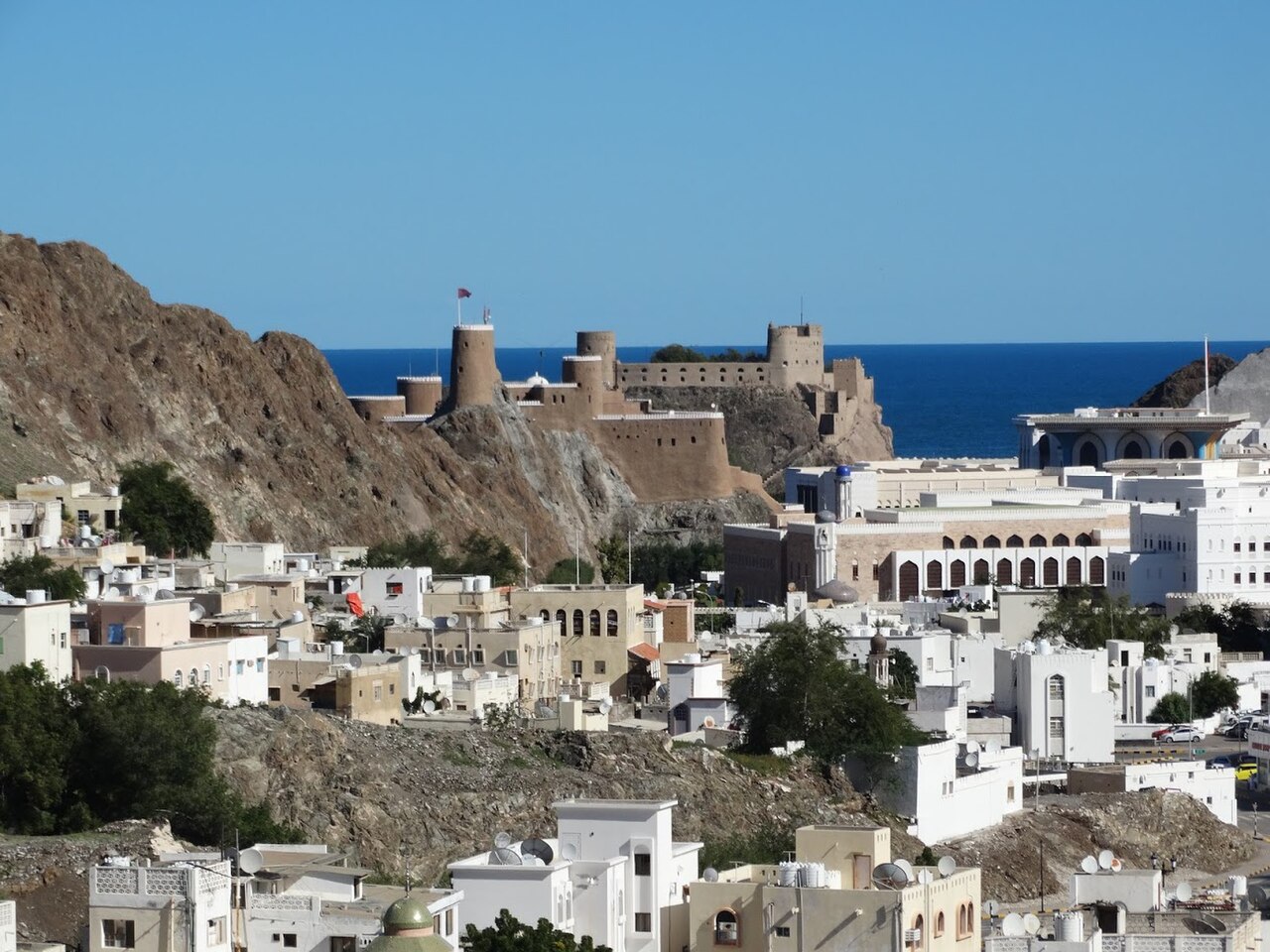
Muscat is a long coastal capital made of separated districts rather than one compact centre. Old Muscat contains the ceremonial quarter and national museums; Mutrah centres on the harbour, corniche and souq; Qurum and Shatti Al Qurum form a western beach and cultural zone. The airport and newer commercial districts lie farther west. Plan east-to-west clusters and avoid repeated journeys along the same urban corridor.
Reviewed by Elena Voss · Roavina Travel Editor
Set your days, your pace and the hours you actually want to be out. The planner works around closing days and travel time, and leaves room to eat.
Ranked by importance — sitelinks, pageviews and heritage status, not editor preference.
14 places match
Category
Typical visit duration
Interests
Mutrah Corniche is the waterfront promenade along the old harbour of Mutrah, a historic district of Muscat.
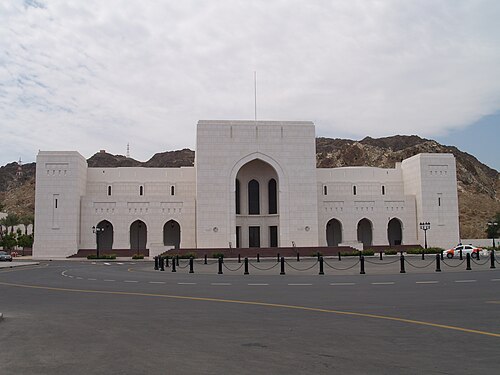
المتحف الوطني
The National Museum is Oman's flagship cultural institution, established in 2013 to present the Sultanate's heritage from its earliest human settlement to the present. The purpose-designed building stands in historic Muscat opposite Qasr Al Alam Palace.
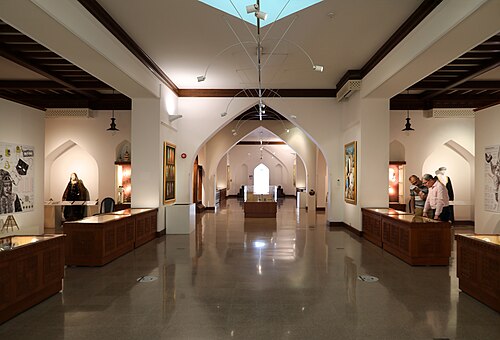
بيت الزبير
Bait Al Zubair Museum is a cultural institution in Muscat, Oman, dedicated to Omani heritage and arts.
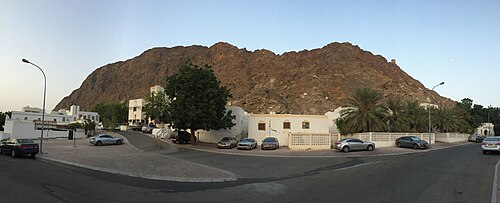
The Muscat Gate Museum occupies a reconstructed city gate structure that once controlled access to Oman's capital. Its Arabic name, Matḥaf Bawwābat Masqaṭ, reflects this fortified heritage.
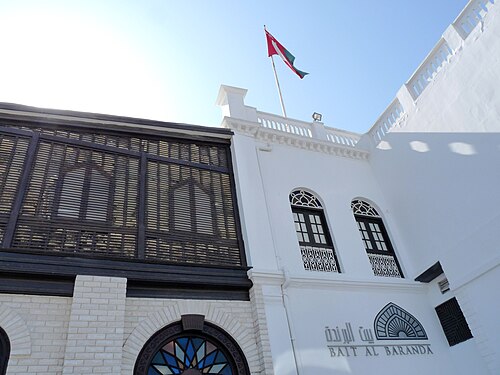
متحف بيت البرندة
Bait Al Baranda Museum, locally known as Bayt al-Baranda, is a cultural institution in Muscat, Oman. Housed in a historic building, the museum presents aspects of Omani heritage and history to visitors.
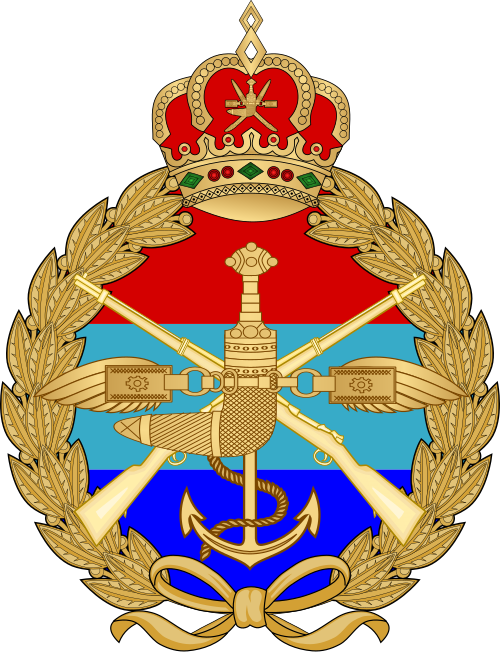
The Sultan's Armed Forces Museum is a military museum in Muscat, Oman. Its local name is Matḥaf Quwwāt as-Sulṭān al-Musallaḥa. The museum occupies a historic fort building and presents the military history of Oman.
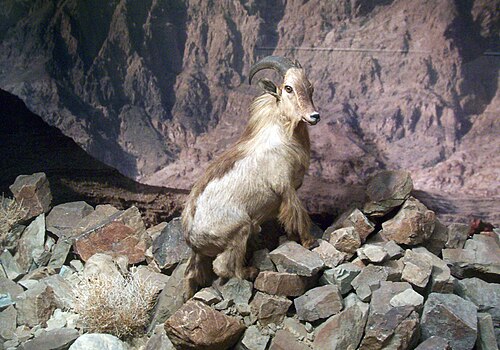
متحف التاريخ الطبيعي
The Oman Natural History Museum is a national institution in Muscat dedicated to preserving and presenting the Sultanate's natural heritage. Its Arabic name is Matḥaf at-Tārīkh aṭ-Ṭabīʿī.
المتحف العماني الفرنسي
The Omani French Museum, known locally as al-Matḥaf al-ʿUmānī al-Faransī, is a museum in Muscat, Oman. It is housed in a historic building that was formerly the French Embassy in Muscat.
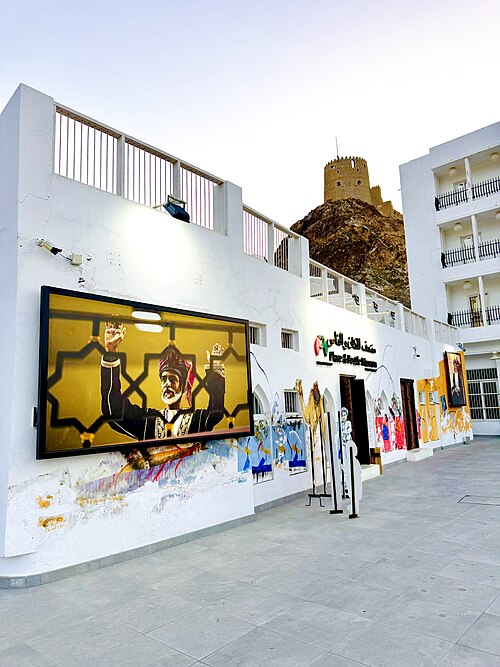
متحف المكان والناس
Place and People Museum, also known locally as Matḥaf Ghāliyā lil-Fann al-Ḥadīth, presents Omani society through artistic and historical themes. The museum is in Wilayat Muttrah, near Muttrah Fort and the Corniche.
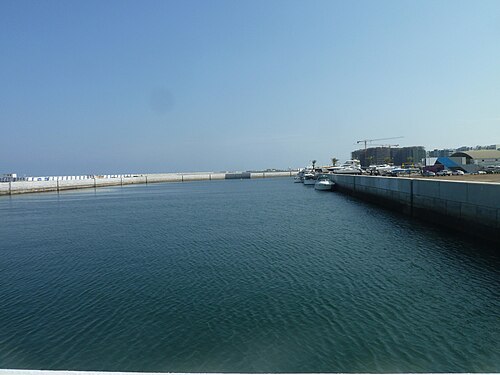
Al Mouj Muscat is a waterfront master-planned community developed along the coast of Oman's capital. The local name al-Mawj Masqaṭ reflects its Arabic identity.
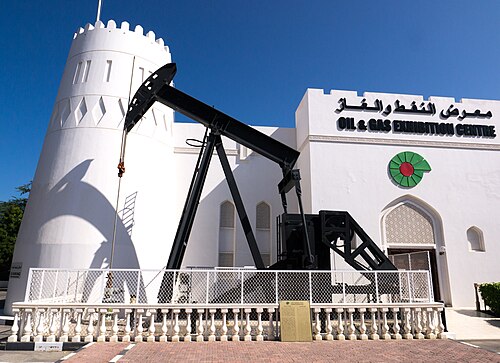
Oil and Gas Exhibition Center مكتب نفط عمان
The Oman Oil and Gas Exhibition Centre is a petroleum industry museum in Muscat operated by Petroleum Development Oman.

The Museum of Omani Heritage in Muscat introduces visitors to the cultural life of Oman before modern development reshaped everyday routines. It is a public museum focused on traditional crafts, customs, objects and historical identity.
Oman Aquarium is a large public aquarium inside Mall of Muscat, offering an indoor attraction centred on aquatic life. It combines education and recreation in a climate-controlled setting, making it a practical choice when Muscat’s outdoor heat is intense.
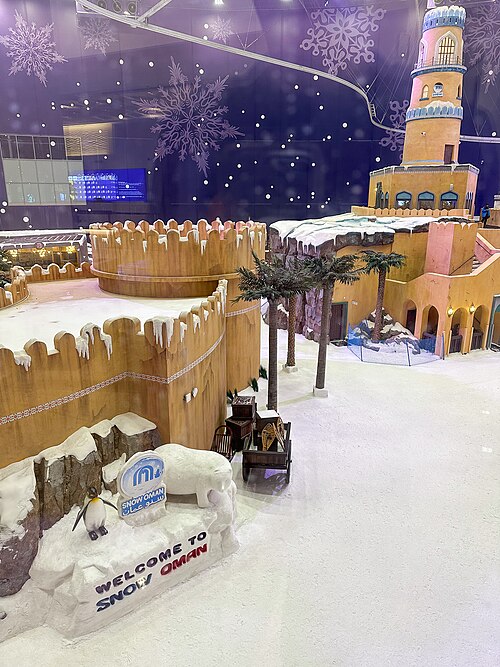
Snow Oman is an indoor snow park in Muscat, offering a striking contrast with the hot desert climate outside. It creates a climate-controlled winter environment where families and other visitors can spend time around artificial snow without leaving the city.
Source: OpenStreetMap contributors, Wikidata ·
Old Muscat occupies a sheltered eastern bay around Al Alam Palace, the forts and major museums. Mutrah lies immediately northwest with its fish market, souq and corniche. Ruwi is the inland commercial and transport district. Qurum and Shatti Al Qurum continue west with parks, beaches, the opera house and modern services. The Grand Mosque, airport and newer neighbourhoods sit farther west, while mountain and wadi excursions fall outside the city route.
Checked 2026-08-26
Use Mwasalat city buses where routes align with the itinerary, then combine taxis or a rental car for places away from the main corridors. Oman’s government app portal identifies the Mwasalat app for trip planning and the Oman Taxi app for airport and hotel taxis. Walking works along Mutrah Corniche and inside Old Muscat, but heat, arterial roads and the distance between districts make it unsuitable as the main cross-city mode.
Checked 2026-08-26
No fixed stay length is recorded. Plan separate blocks for Old Muscat, Mutrah, Qurum and the Grand Mosque corridor, then add any mountain or wadi excursion independently.
Old Muscat and Mutrah can share an eastern-city day with a planned transfer. Qurum, Shatti Al Qurum and the opera-house area form a separate western cluster.
No. Walking is useful along Mutrah Corniche and within Old Muscat, but the capital's districts are separated by long roads and substantial distances.
Oman's government app portal lists Mwasalat for booking and journey planning and Oman Taxi for airport and hotel taxi services.
No. They are excursions beyond the urban route and require separate transport, time and conditions checks rather than being added to a central sightseeing day.