


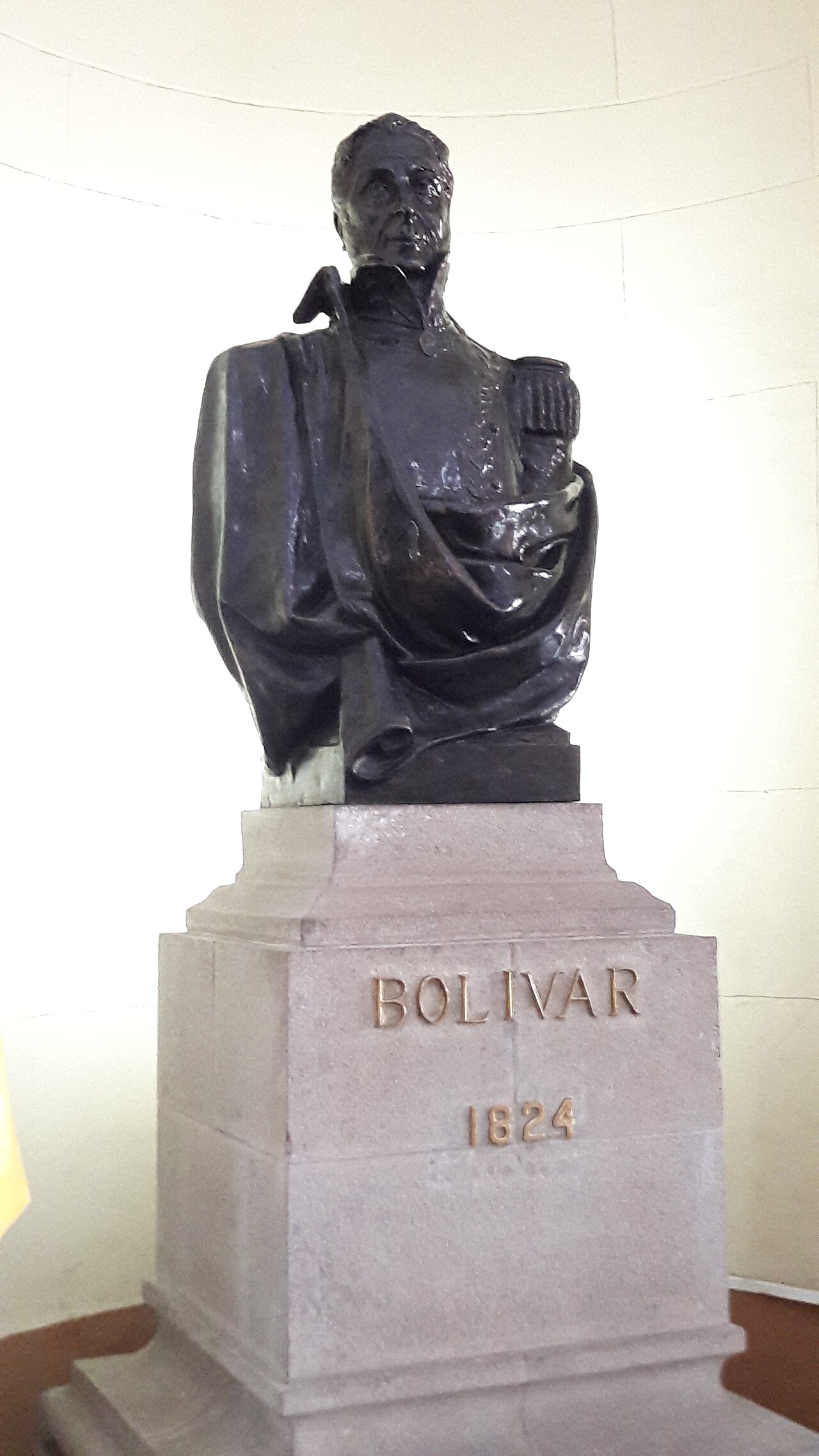
1 min walk
Panteón de los Próceres
- Must see · Heritage site
- Museum
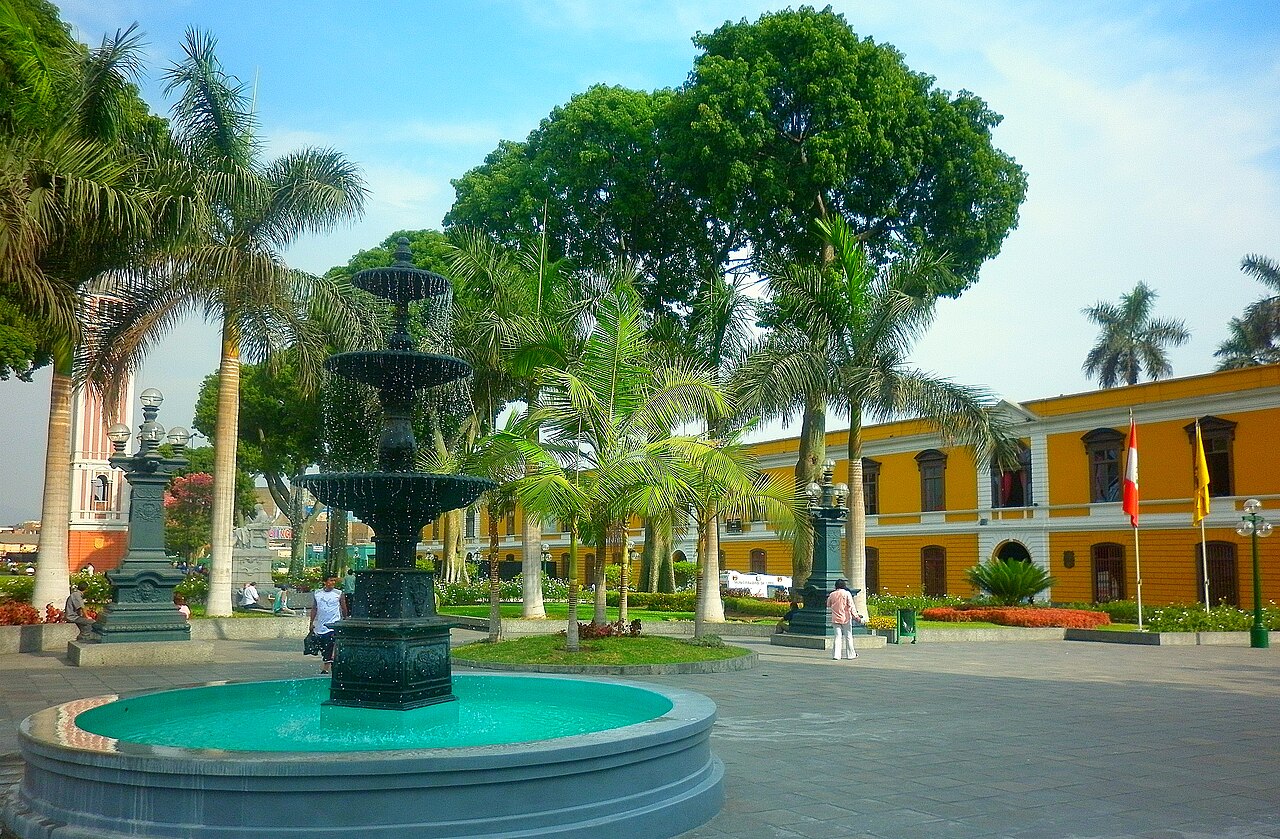
Historic site · Lima
Casona de San Marcos
| Monday | 09:00 – 17:00 |
|---|---|
| Tuesday | 09:00 – 17:00 |
| Wednesday | 09:00 – 17:00 |
| Thursday | 09:00 – 17:00 |
| Friday | 09:00 – 17:00 |
| Saturday | 09:00 – 17:00 |
| Sunday | 09:00 – 17:00 |
Checked 2026-08-31 · Source
Not recorded
Source · Checked 2026-08-31
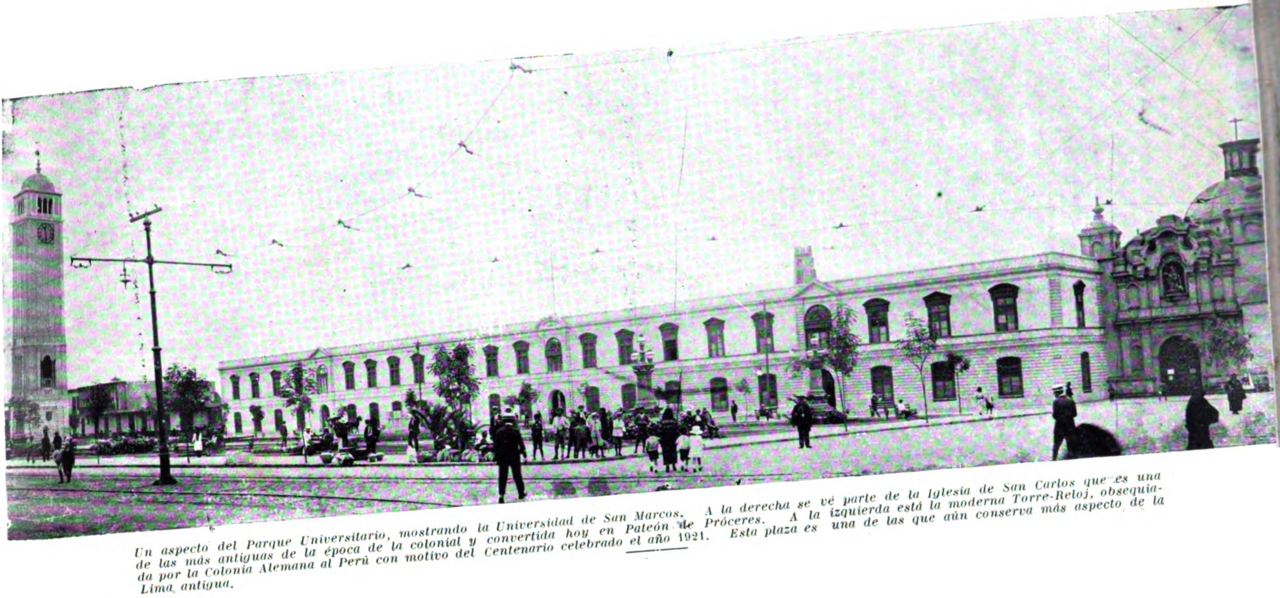
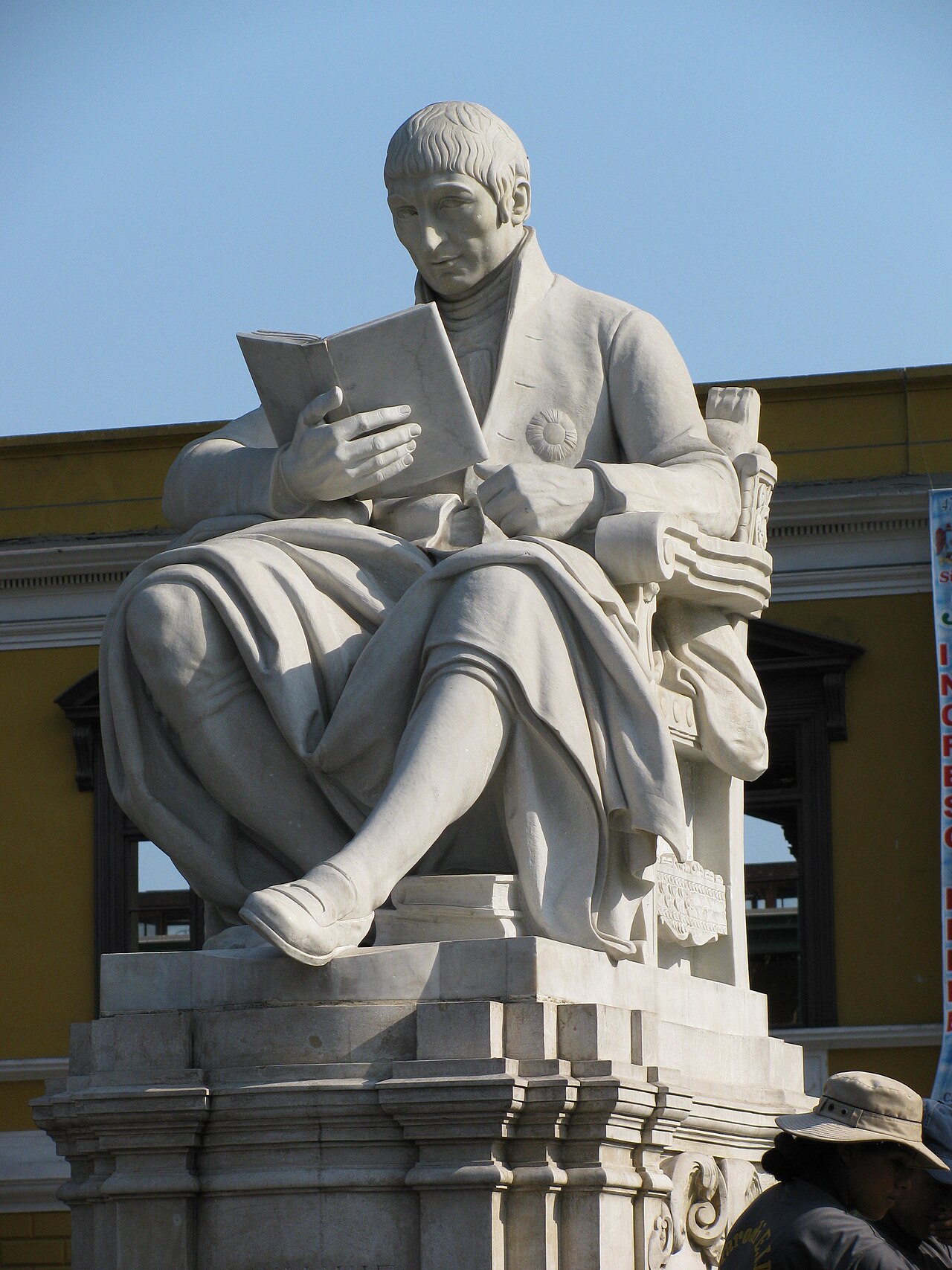
The Casona of San Marcos is the historic main building of the National University of San Marcos, located in central Lima, Peru. Its local name is Casona de San Marcos. The structure forms part of the oldest university in the Americas, founded in 1551. The complex preserves colonial-era cloisters and serves as a significant architectural landmark connecting Lima's historic centre to this long-standing academic institution. The building represents centuries of Peruvian educational and cultural heritage within its walls.
Checked 2026-08-31 · Source
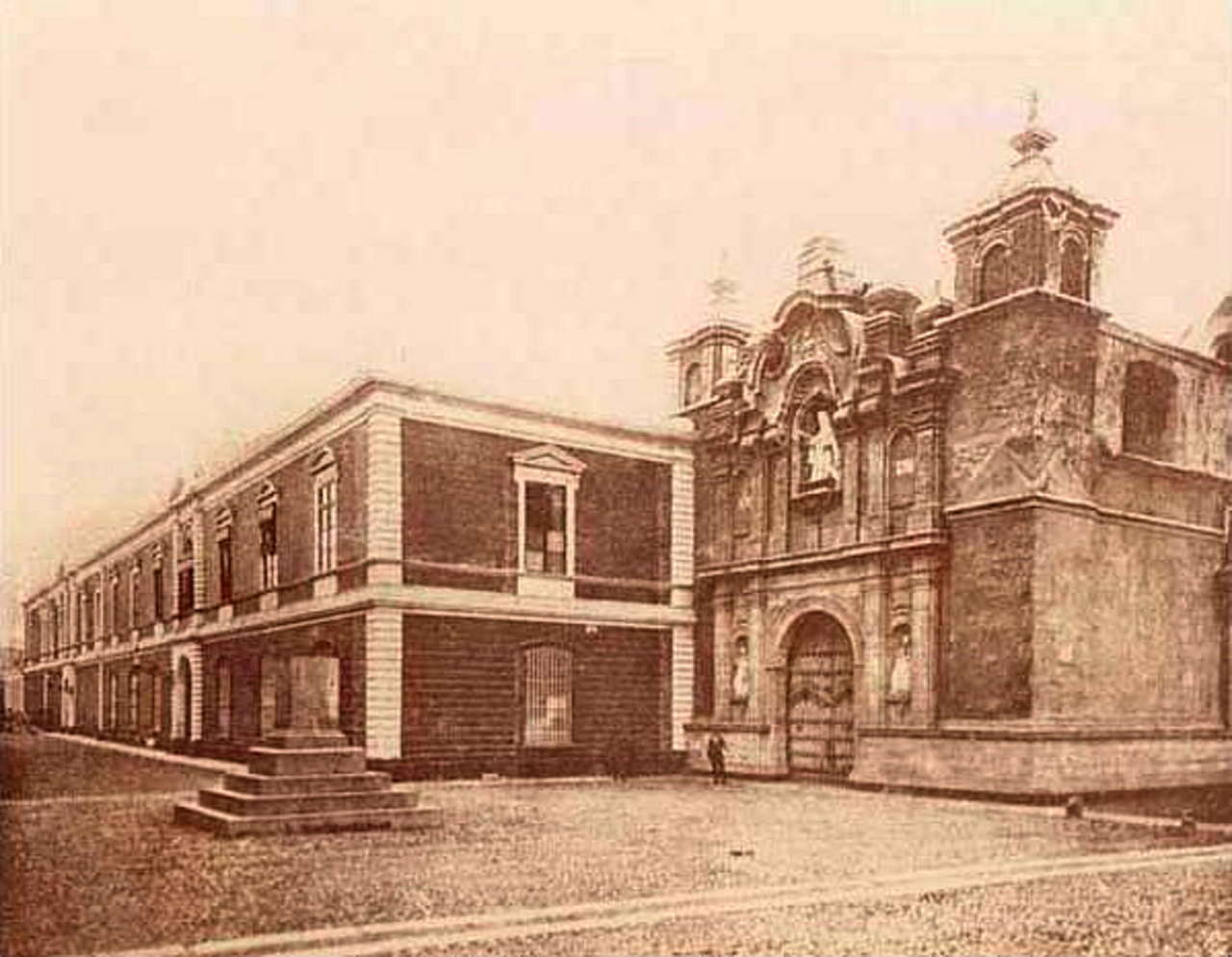
The Casona preserves colonial cloisters that visitors can observe. These historic courtyards and surrounding architecture reflect the building's lengthy academic tradition. The university complex contains spaces associated with administrative and ceremonial functions. Visitors should expect a historic institutional atmosphere rather than a conventional museum setup. The architectural features themselves constitute the primary points of interest for those exploring this heritage site.
Checked 2026-08-31 · Source
Most visitors spend approximately one to two hours exploring the Casona's exterior and accessible interior spaces. Those with strong interest in colonial architecture or university history may extend their visit. The compact nature of the historic complex means extensive time is not required. Visitors often combine this stop with other nearby attractions in Lima's historic centre. Personal pace and photographic interest will influence duration significantly.
Checked 2026-08-31 · Source
Cultural-centre spaces generally open Monday-Saturday 09:00-17:00; guided heritage visits and events use announced schedules. Weather, ceremonies, conservation work and dated operator notices can replace the ordinary schedule. Arrive early enough to complete the public route before final admission. The responsible body’s published calendar is the controlling basis for planning this visit.
Checked 2026-08-31 · Source
Courtyard access is free; exhibitions, performances or guided products may use separate registration. The base amount and currency follow the operator tariff; premium products and separate institutions remain excluded unless named.
Checked 2026-08-31 · Source
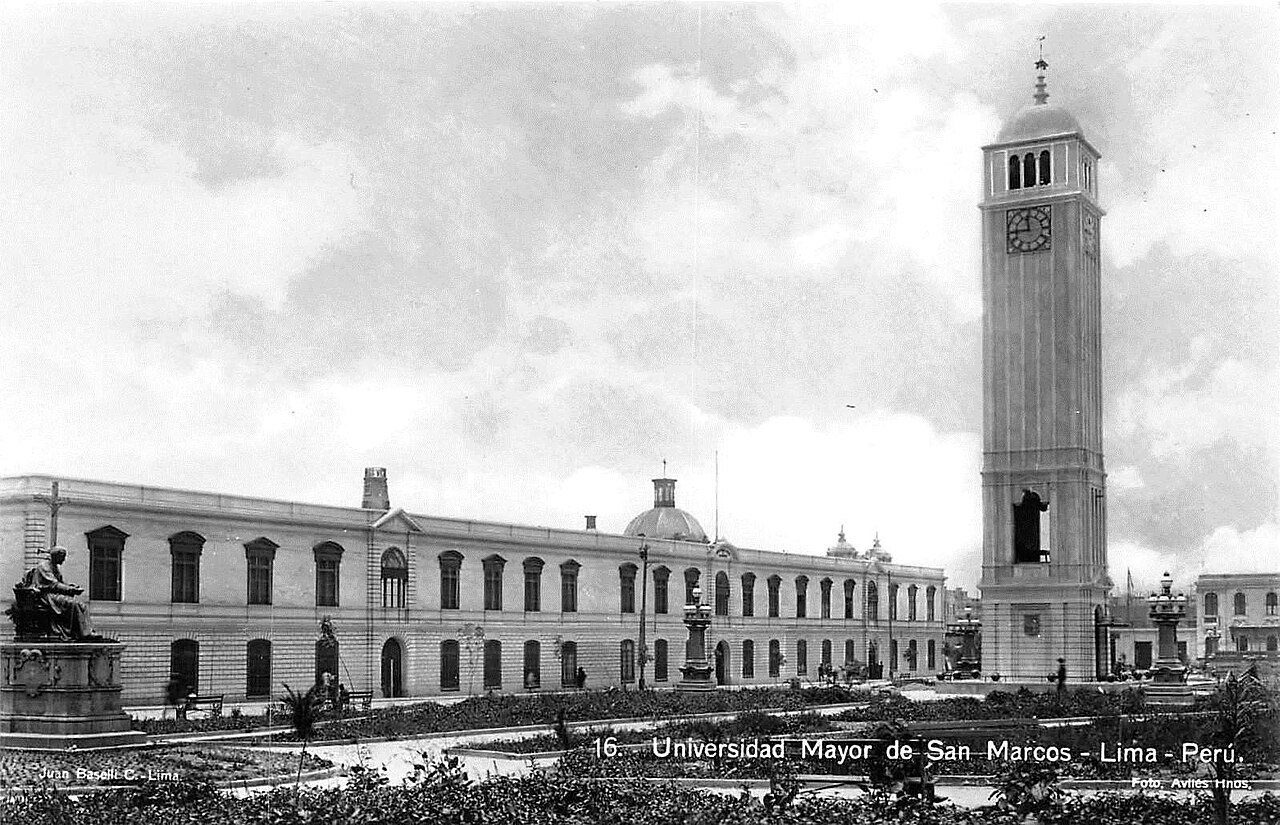
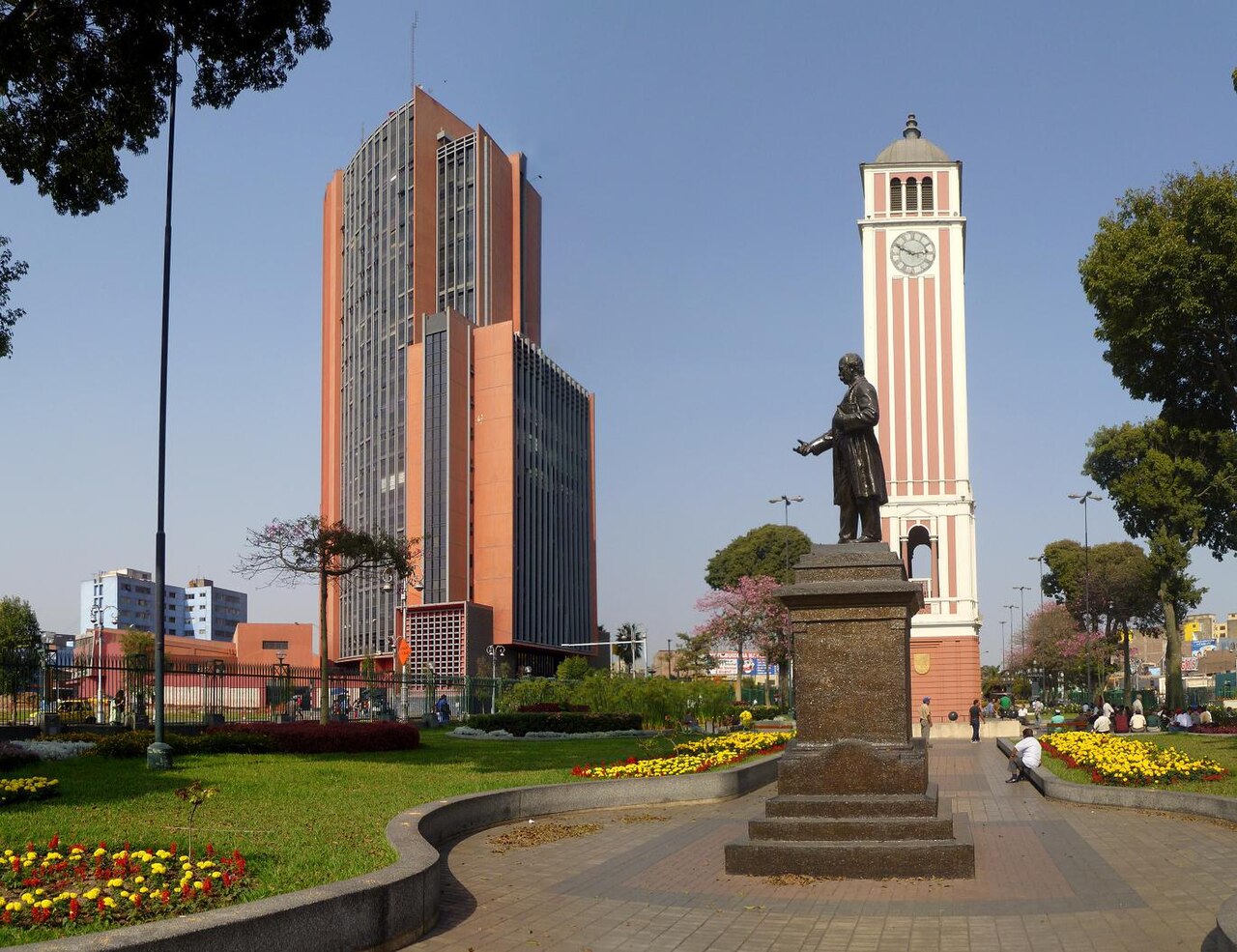
The Casona stands in Parque Universitario near Metropolitano Colmena and Estación Central. Use the named entrance and stop because security, traffic and separate institutional gates can change the practical route. This route identifies the closest practical arrival for the visitor entrance. Follow staff directions.
Checked 2026-08-31 · Source
The main courtyard has an adapted entrance, but stairs, balconies and historic thresholds prevent a full step-free circuit. Historic surfaces, crowds and security remain relevant.
Checked 2026-08-31 · Source
The colonial cloisters offer appealing architectural subjects for photography, particularly the arched corridors and courtyard perspectives. Natural lighting conditions vary by time and weather. Tripod use may attract security attention or require permission. Early arrival may provide quieter conditions. The historic textures and aged surfaces reward detailed capture. Consider the building's institutional context when photographing; avoid disrupting university functions.
Checked 2026-08-31 · Source
Cultural-centre spaces generally open Monday-Saturday 09:00-17:00; guided heritage visits and events use announced schedules.
Courtyard access is free; exhibitions, performances or guided products may use separate registration.
The main courtyard has an adapted entrance, but stairs, balconies and historic thresholds prevent a full step-free circuit.
The Casona stands in Parque Universitario near Metropolitano Colmena and Estación Central.
Yes. Ceremonies, events, maintenance or security controls can change the ordinary visitor route.
No. Nearby museums, performances and commercial services use their own admission terms.
Loading the interactive map…
The interactive map could not be loaded.
Last updated:
Source: OpenStreetMap contributors, Wikidata ·