
2 min walk
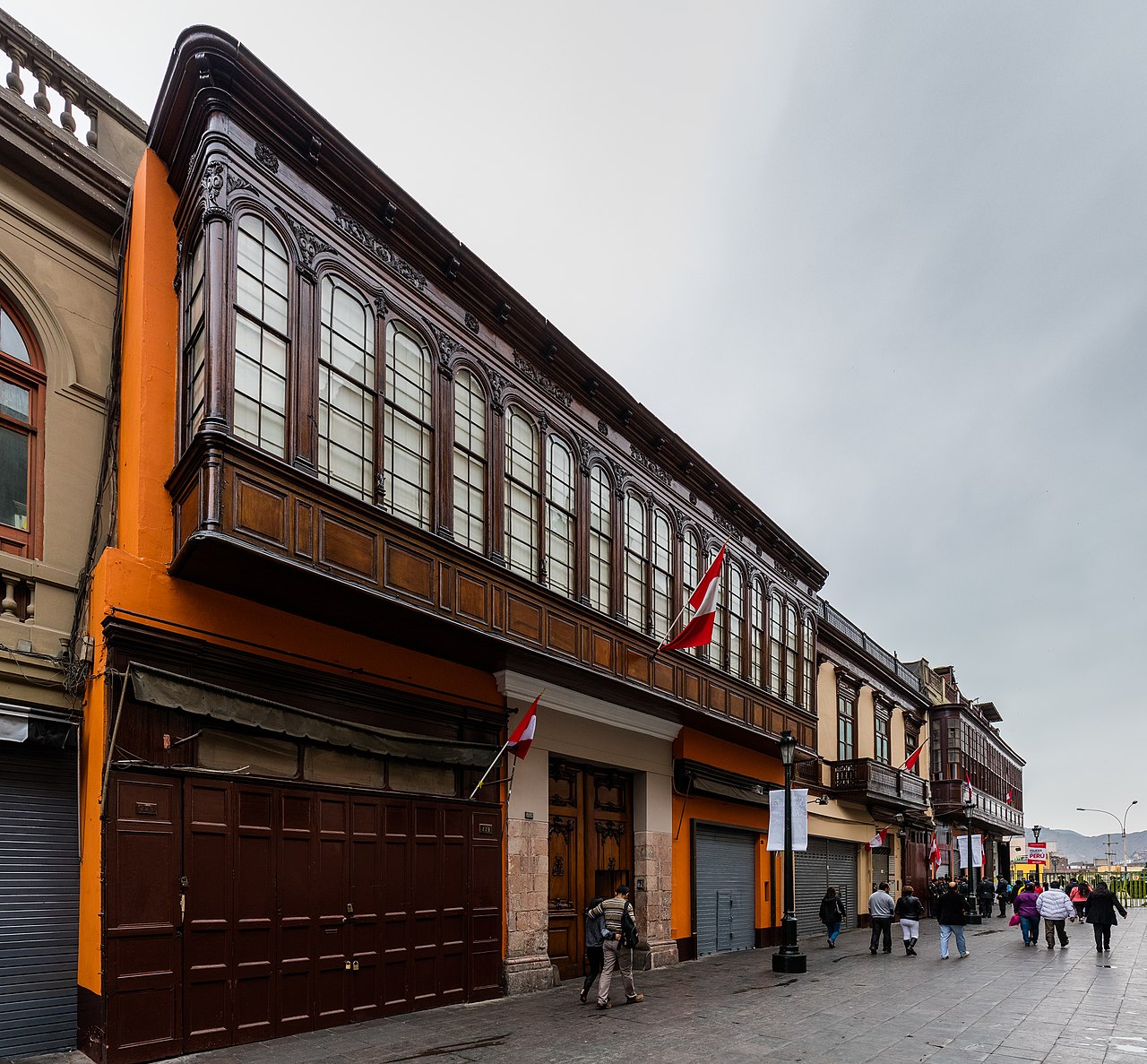
Aliaga House
- Must see
- Activity
Language · 11 published
Activity · Lima
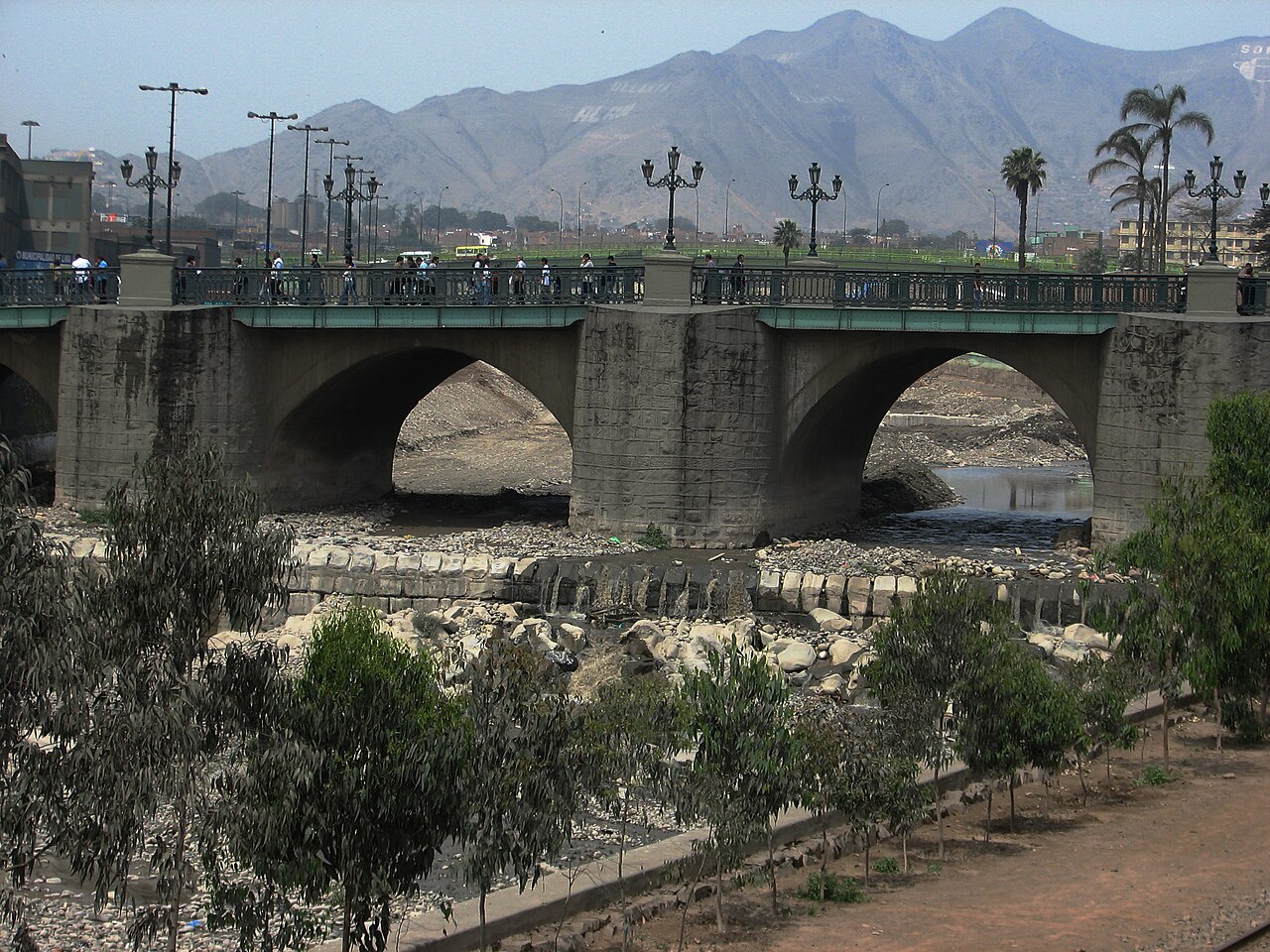
Puente de Piedra
Reviewed by Elena Voss · Roavina Travel Editor
| Monday | 00:00 – 23:59 |
|---|---|
| Tuesday | 00:00 – 23:59 |
| Wednesday | 00:00 – 23:59 |
| Thursday | 00:00 – 23:59 |
| Friday | 00:00 – 23:59 |
| Saturday | 00:00 – 23:59 |
| Sunday | 00:00 – 23:59 |
Checked 2026-08-31 · Source
Read from the OpenStreetMap access tags; anything not listed has no tag recorded.
Set the group type to family in the planner and the day window contracts to about three quarters of a solo day.
It carries the cultural heritage of Peru heritage designation.
The Puente de Piedra, or Stone Bridge of Lima, is a colonial-era bridge spanning the Rímac River in Peru's capital. It serves as a historic connection between Lima's historic centre and the Rímac district. The structure represents a significant surviving example of colonial infrastructure in the city. The bridge forms part of the broader UNESCO World Heritage Site designated as the Historic Centre of Lima, recognized for its outstanding collection of colonial architecture and urban planning that reflects Spanish colonial influence in South America. The public road bridge is visible 24 hours daily; traffic management, demonstrations and repairs can restrict sidewalks. Sidewalk approaches have curb ramps, but narrow widths, traffic and uneven historic fabric limit comfortable access. The public road bridge is visible 24 hours daily; traffic management, demonstrations and repairs can restrict sidewalks. Crossing and exterior viewing are free. Sidewalk approaches have curb ramps, but narrow widths, traffic and uneven historic fabric limit comfortable access. The bridge links Plaza Mayor with Rímac; Metropolitano Jirón de la Unión is the nearest trunk station. Yes. Ceremonies, events, maintenance or security controls can change the ordinary visitor route. No. Nearby museums, performances and commercial services use their own admission terms. The public road bridge is visible 24 hours daily; traffic management, demonstrations and repairs can restrict sidewalks. Crossing and
Checked 2026-08-31 · Source
The bridge itself is a stone-built crossing structure without enclosed interior spaces. Visitors encounter the architectural fabric of the bridge, including its stonework and structural form. The surrounding area includes views of the Rímac River and access to both the historic centre and Rímac district. The bridge functions as pedestrian and vehicular infrastructure. Nearby, the historic centre contains numerous colonial buildings, churches, and plazas that constitute the UNESCO-listed area. The bridge's significance lies in its role within this larger urban historical context rather than in separate internal attractions. Crossing and exterior viewing are free. The bridge links Plaza Mayor with Rímac; Metropolitano Jirón de la Unión is the nearest trunk station.
Checked 2026-08-31 · Source
A crossing of the Puente de Piedra requires only a few minutes on foot. Visitors typically incorporate the bridge into broader exploration of Lima's historic centre, which can occupy several hours to a full day depending on depth of interest. Those specifically examining colonial infrastructure may pause briefly to observe the stonework and consider the bridge's historical function. The duration of visit depends entirely on individual purpose. Most travelers will experience the bridge as a thoroughfare during visits to surrounding historic attractions rather than as a dedicated destination requiring extended time. Sidewalk approaches have curb ramps, but narrow widths, traffic and uneven historic fabric limit comfortable access.
Checked 2026-08-31 · Source
The public road bridge is visible 24 hours daily; traffic management, demonstrations and repairs can restrict sidewalks. Worship, weather, restoration and events can replace ordinary access. The bridge links Plaza Mayor with Rímac; Metropolitano Jirón de la Unión is the nearest trunk station.
Checked 2026-08-31 · Source
Crossing and exterior viewing are free. The base ticket does not include transport, guided programmes, commercial activities or separately controlled areas unless the operator explicitly lists them. Carry any identity or concession document required by the published tariff. This record separates free public access from optional paid interiors and activities.
Checked 2026-08-31 · Source
The bridge links Plaza Mayor with Rímac; Metropolitano Jirón de la Unión is the nearest trunk station. Use the named entrance or stop because hills, security and historic streets change the approach. No. Nearby museums, performances and commercial services use their own admission terms.
Checked 2026-08-31 · Source
Sidewalk approaches have curb ramps, but narrow widths, traffic and uneven historic fabric limit comfortable access. The public road bridge is visible 24 hours daily; traffic management, demonstrations and repairs can restrict sidewalks. Crossing and exterior viewing are free. Sidewalk approaches have curb ramps, but narrow widths, traffic and uneven historic fabric limit comfortable access. Historic surfaces, crowds and security remain relevant.
Checked 2026-08-31 · Source
The Puente de Piedra offers photographic subjects including colonial stonework, river views, and contextual shots of historic infrastructure. The bridge's connection between districts allows for compositions incorporating both the historic centre and Rímac approaches. River-level perspectives may be possible from adjacent areas. Lighting conditions vary; morning and afternoon typically provide more favorable illumination than midday or nighttime. The garúa mist of winter months creates atmospheric conditions that some photographers may find appealing while others may prefer clearer skies. No photography restrictions are documented, though standard respect for traffic safety and other pedestrians applies. Crossing and exterior viewing are free.
Checked 2026-08-31 · Source
The public road bridge is visible 24 hours daily; traffic management, demonstrations and repairs can restrict sidewalks.
Crossing and exterior viewing are free.
Sidewalk approaches have curb ramps, but narrow widths, traffic and uneven historic fabric limit comfortable access.
The bridge links Plaza Mayor with Rímac; Metropolitano Jirón de la Unión is the nearest trunk station.
Yes. Ceremonies, events, maintenance or security controls can change the ordinary visitor route.
No. Nearby museums, performances and commercial services use their own admission terms.
Loading the interactive map…
The interactive map could not be loaded.
Last updated:
Source: OpenStreetMap contributors, Wikidata ·