
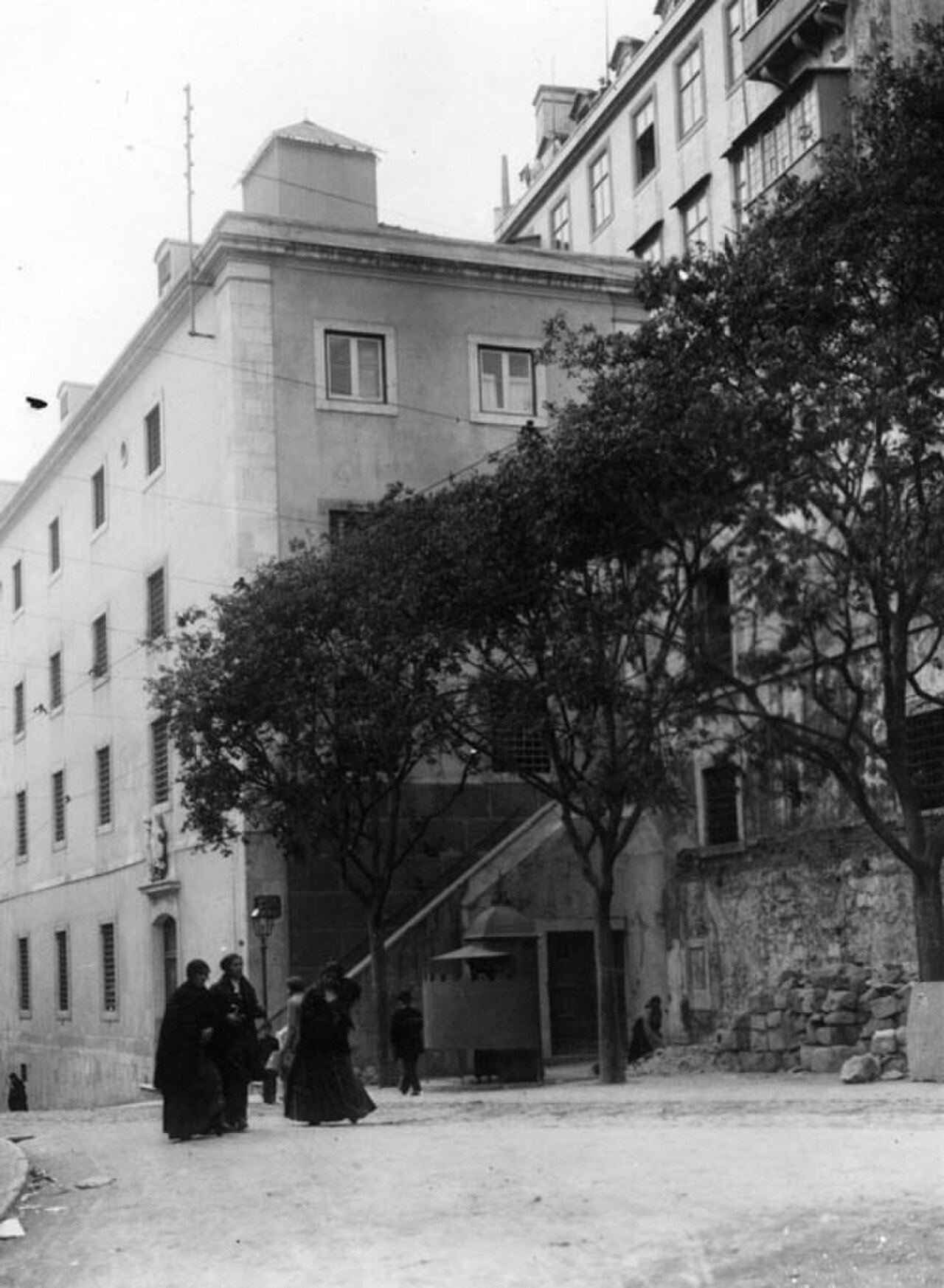
1 min walk
Cadeia do Aljube
- Must see · Heritage site
- Museum
Museum · Lisbon
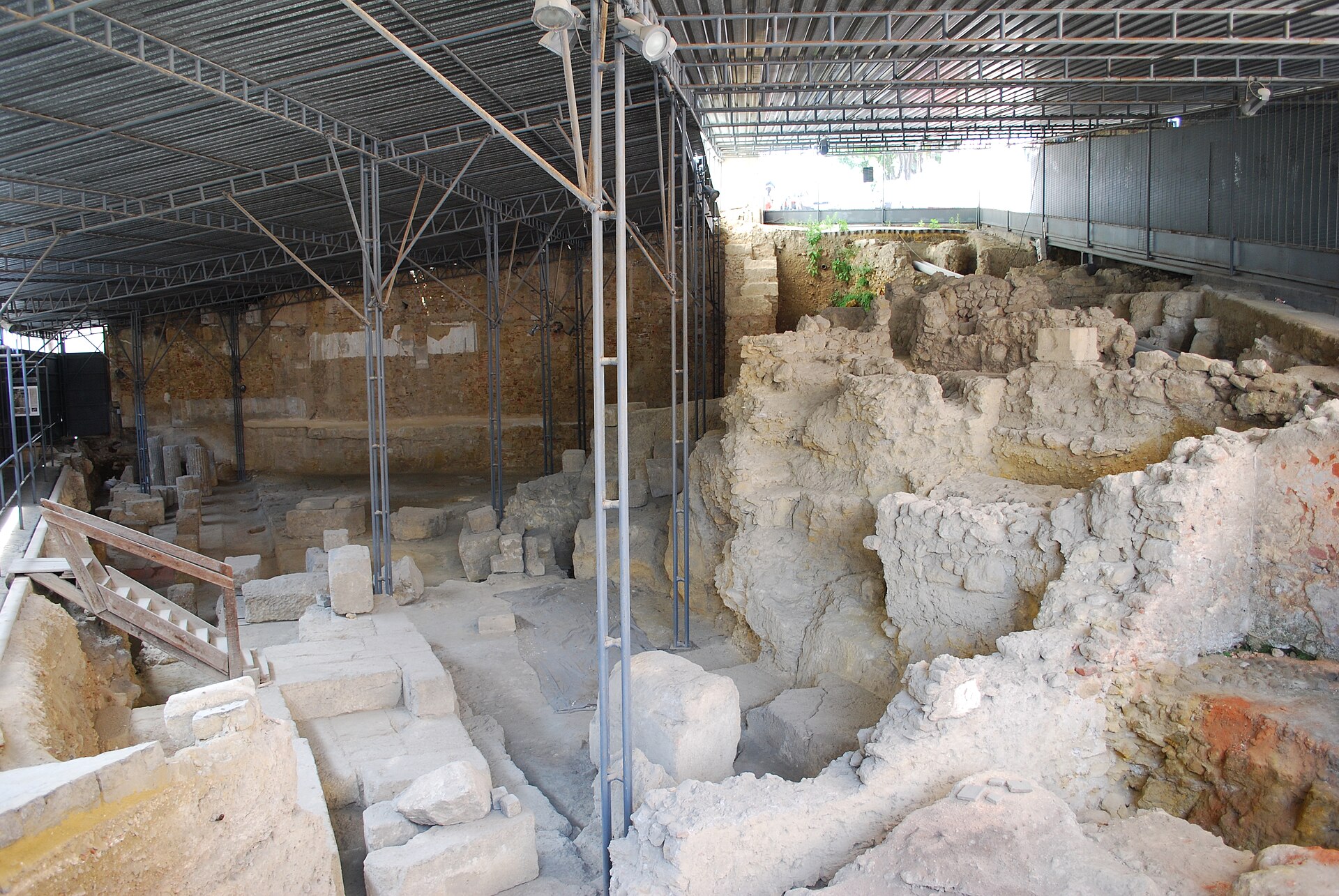
Museu de Lisboa - Teatro Romano
The Ancient Roman theatre, known locally as Museu de Lisboa – Teatro Romano, preserves the remains of a Roman performance venue in Lisbon's Alfama district. Built during the imperial period when the city was called Olisipo, it offers a direct connection to Roman Lisbon. The surviving archaeological fabric shows how public entertainment and civic life were organized on São Jorge hill. The Ancient Roman theatre in Lisbon, locally known as Museu de Lisboa - Teatro Romano, is an archaeological site preserving the remains of a Roman theatre dating from the imperial period. Located in the Alfama district on the slope of São Jorge hill, it represents one of the most significant Roman remnants in Portugal's capital. The theatre was built during the first century CE when Lisbon, then called Olisipo, was an important municipality in the province of Lusitania. Its discovery in the eighteenth century and subsequent excavations have revealed substantial portions of the cavea, orchestra, and scenae frons foundations. The site combines outdoor archaeological remains with indoor museum spaces. Visitors should prepare for weather exposure on the ruin portions.
Checked 2026-08-26 · Source
The visit combines exposed theatre remains with museum displays. Stone foundations, seating areas, and elements associated with the orchestra and stage building reveal the structure's original layout. Inside, architectural fragments, sculpture, and everyday objects recovered during excavation add context. Interpretive displays connect the ruins with construction methods, Roman performances, and the social role of theatres in Olisipo. Visitors encounter exposed archaeological remains including stone foundations, seating areas, and structural elements of the ancient theatre. The site incorporates a museum component displaying artifacts recovered during excavations. These include architectural fragments, sculptural pieces, and everyday objects from Roman daily life. The exhibition spaces interpret the theatre's original function and its place within the urban fabric of Roman Lisbon. The museum provides contextual information about the construction techniques, the performances that occurred, and the social significance of such public entertainment venues in the Roman world. The integration of ruin and interpretation creates an immersive historical experience.
Checked 2026-08-26 · Source
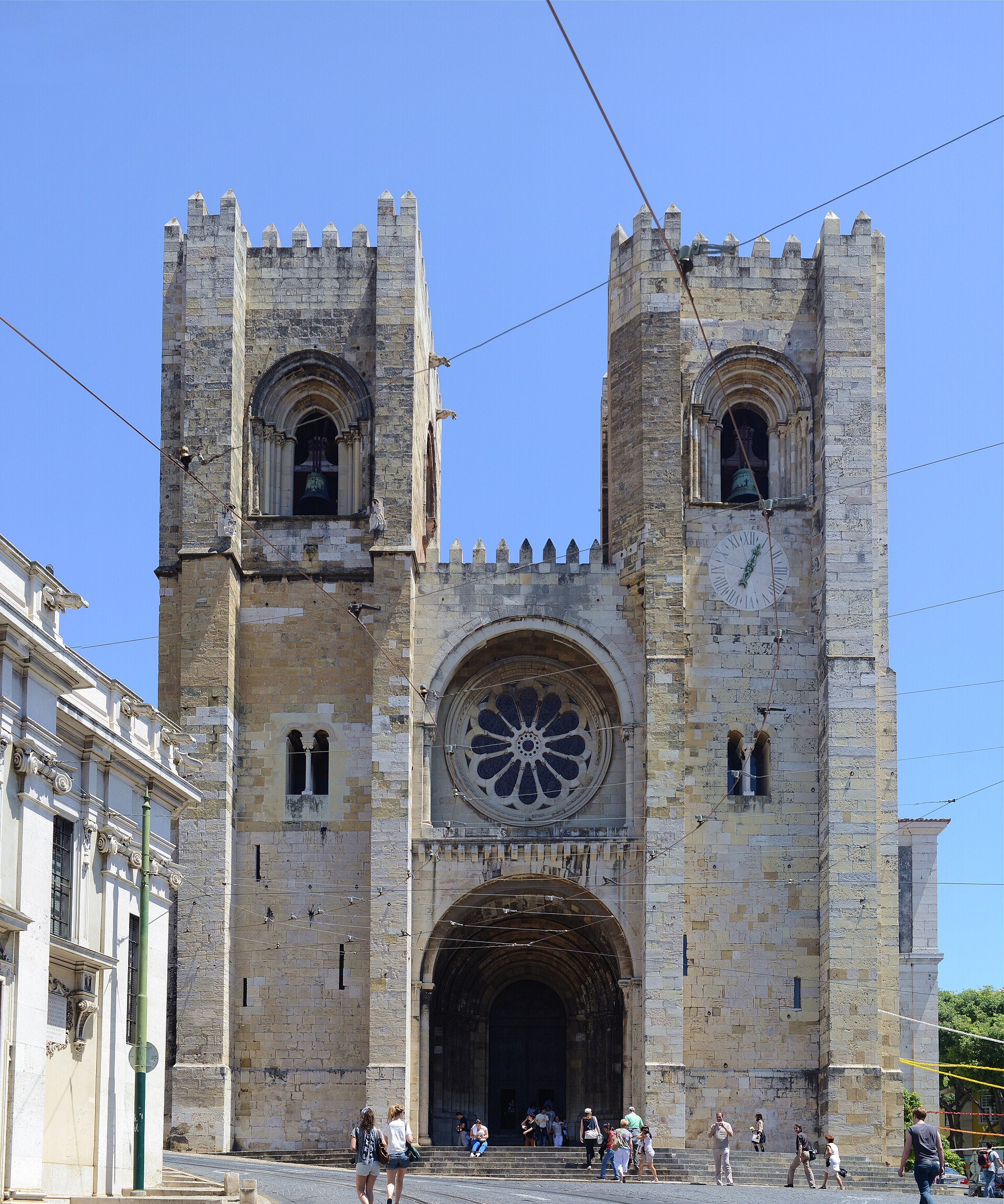
A focused visit can take about thirty minutes, while a more attentive circuit usually takes forty-five to ninety minutes. Give yourself extra time if Roman archaeology and excavation details are central to your interests. The theatre works especially well within an Alfama history walk that also includes Lisbon Cathedral or São Jorge Castle, although steep streets make the route slower than the map may suggest. A thorough visit to the Ancient Roman theatre typically requires between forty-five minutes and ninety minutes depending on individual interest in archaeological detail.
Checked 2026-08-26 · Source
Because part of the theatre is outdoors, dry weather makes the archaeological remains easier to explore. In hot summer conditions, an early or later visit reduces exposure on the open sections. Rain can make stone surfaces slippery and less comfortable. The surrounding Alfama lanes are busy during popular sightseeing periods, so a quieter time gives more room to read displays and examine the compact site.
Checked 2026-08-26 · Source
The guide information identifies the theatre as a Museu de Lisboa archaeological site but gives no current admission amount or ticket conditions. Plan it as a dedicated museum visit rather than assuming that entry to São Jorge Castle, Lisbon Cathedral, or another Alfama attraction includes the ruins. The compact site can still add considerable historical depth to a walking day in the district.
Checked 2026-08-26 · Source
The Ancient Roman theatre is in Alfama, where walking is the most direct way to move between the archaeological site, Lisbon Cathedral, and São Jorge Castle. Tram 28E crosses the district, but reaching the site still involves narrow lanes, steep slopes, and uneven cobblestones. The hillside setting rewards a planned walking route and comfortable footwear more than a rushed point-to-point transfer.
Checked 2026-08-26 · Source
Expect uneven stone, steps, changes in level, and steep approaches through Alfama. Take care after rain, when stone surfaces may be slippery. The site is compact and can feel crowded when the surrounding historic quarter is busy. Outdoor sections expose visitors to sun and weather, while the narrow streets require attention around other pedestrians. Wear shoes suited to Lisbon's irregular paving.
Checked 2026-08-26 · Source
The theatre offers atmospheric views of weathered stone, seating remains, foundations, and the layered relationship between ancient ruins and Alfama's hillside streets. Use the changing levels to frame the cavea and structural fragments from different angles. Keep clear of fragile archaeological fabric and other visitors. The surrounding quarter adds photographs of narrow lanes, historic façades, and the route toward the cathedral and castle.
Checked 2026-08-26 · Source
The visit combines outdoor archaeological remains with indoor museum displays.
The site includes stone foundations, seating areas, and structural elements connected with the orchestra and stage building.
Yes. Both are in or near Alfama, although steep streets and uneven paving mean the combined route needs time and comfortable footwear.
Allow thirty minutes for a focused stop or forty-five to ninety minutes for a fuller visit with the museum displays.
It is in the Alfama district on the slope of São Jorge hill, close to Lisbon Cathedral and São Jorge Castle.
Wear comfortable shoes suited to steep streets, steps, uneven stone, and Lisbon's irregular cobblestone paving.
Loading the interactive map…
The interactive map could not be loaded.
Last updated:
Source: OpenStreetMap contributors, Wikidata ·