.jpg)
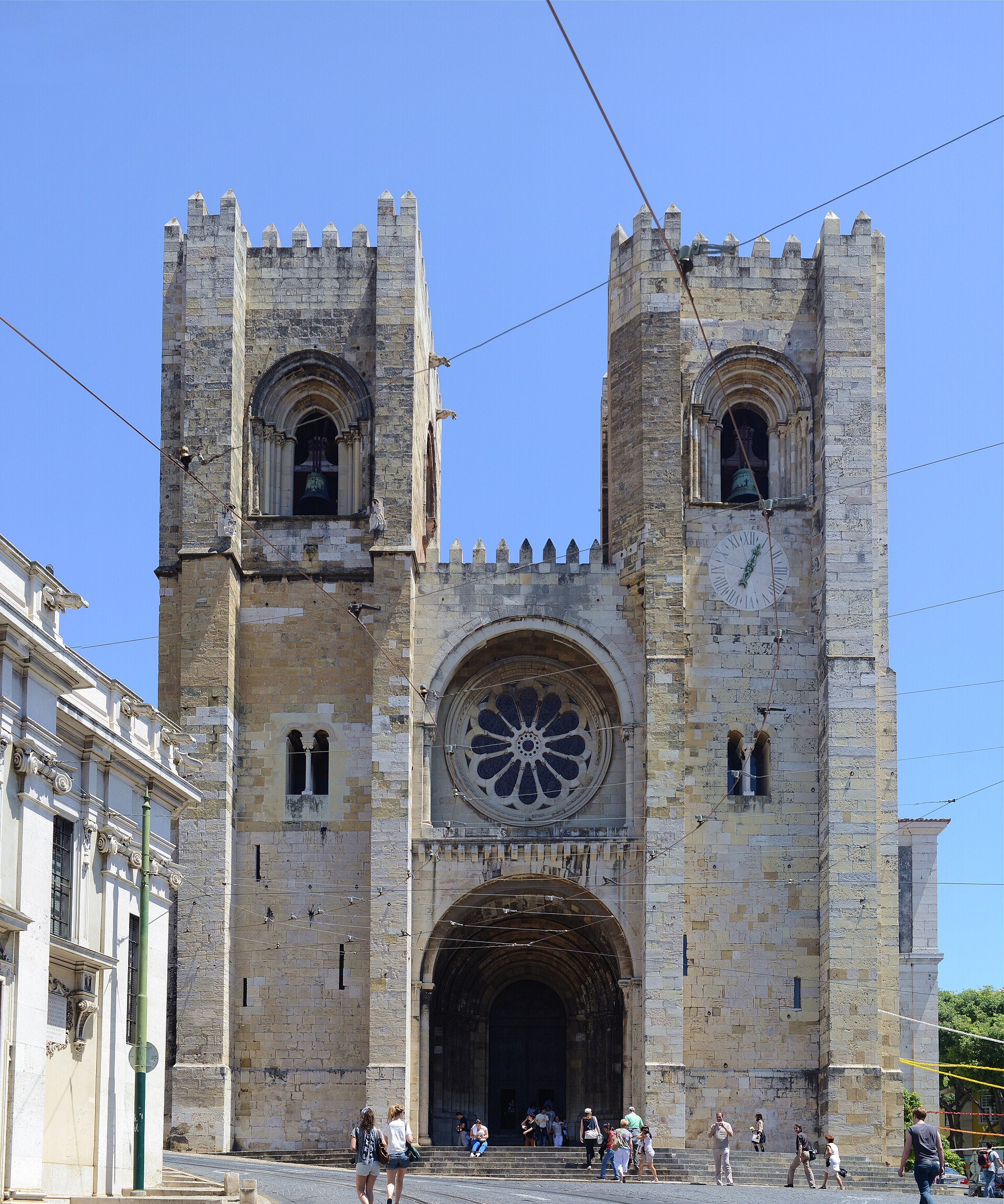
1 min walk
Lisbon Cathedral
- Must see · Heritage site
- Place of worship
Language · 11 published
Museum · Lisbon
Museu do Aljube - Resistência e Liberdade
Reviewed by Elena Voss · Roavina Travel Editor
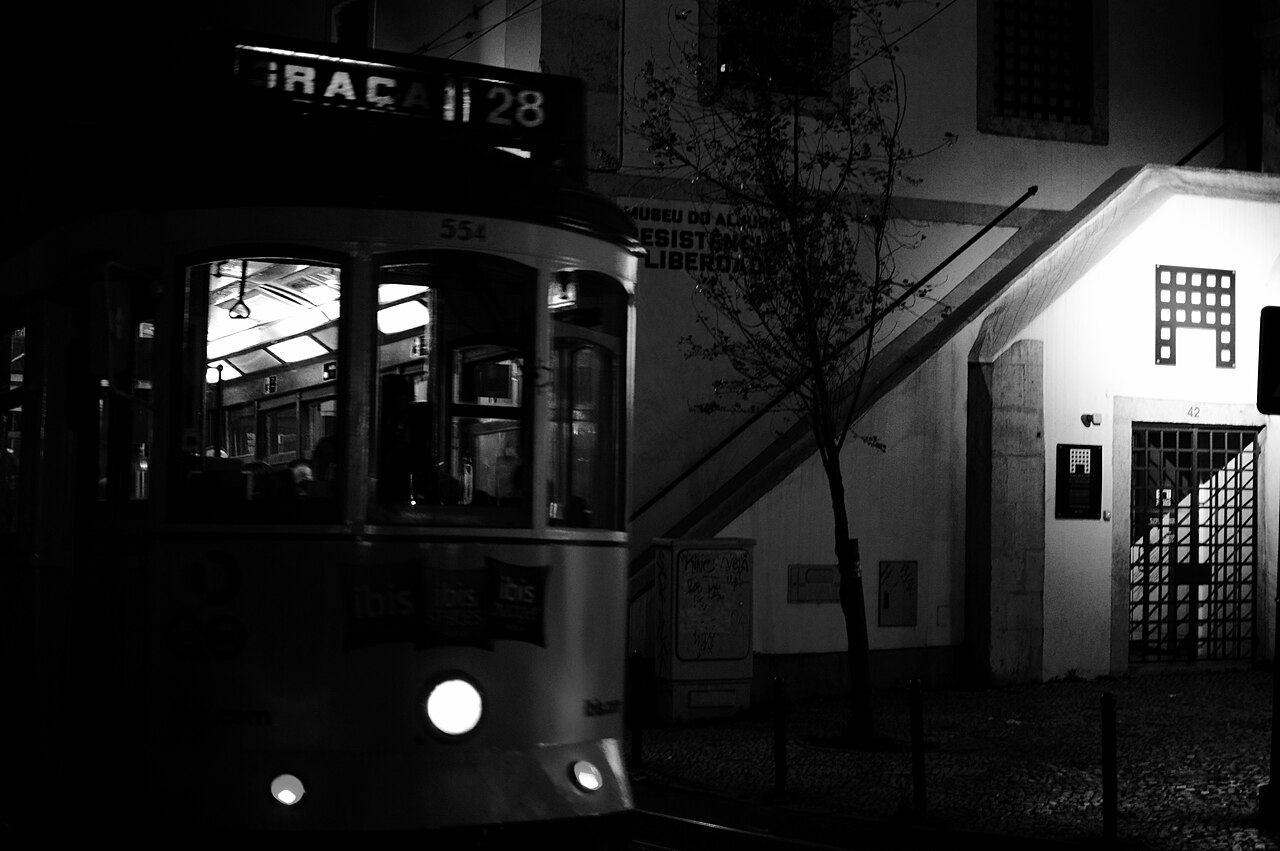
This place is a Museum. It opened in 2015. It carries the Included in protected site heritage designation.
Cadeia do Aljube, now operating as Museu do Aljube - Resistência e Liberdade, is a former prison in Lisbon. The building served as a place of detention during the Estado Novo dictatorship that governed Portugal from 1933 to 1974. Located near Lisbon Cathedral in the historic Alfama district, the museum occupies a site with profound significance for understanding Portuguese twentieth-century political history. The institution documents resistance to authoritarian rule and commemorates those who suffered imprisonment for their opposition activities. Its transformation from prison to museum represents a deliberate effort to preserve memory and educate subsequent generations about this period.
Checked 2026-08-26
The museum presents exhibitions focused on the Portuguese dictatorship, resistance movements, and the struggle for democratic freedom. Displays include documentary materials, photographs, and testimonies related to political imprisonment and opposition activities. The former prison cells and related spaces have been adapted to serve educational and commemorative purposes. Content addresses the experiences of those detained at Aljube and broader themes of political repression and resistance throughout the Estado Novo period. The museum interprets these histories through contemporary museological approaches, emphasizing personal narratives and historical documentation. Visitors encounter material that contextualizes Portugal's democratic transition following the 1974 Carnation Revolution.
Checked 2026-08-26
Visitors should allocate sufficient time to engage with the museum's substantial historical content. The exhibitions require careful reading and reflection given their serious subject matter. A thorough visit typically demands one to two hours, though individual pacing varies considerably based on interest in documentary detail and Portuguese political history. Those with limited time may prioritize specific exhibition sections, while visitors seeking comprehensive understanding should plan for the longer end of this range. The emotional weight of the material may necessitate breaks during the visit. Audio or guided components, if available, would extend duration accordingly.
Checked 2026-08-26
Visitors should consult the museum's official communication channels or established visitor information services before planning attendance. Seasonal variations in Lisbon tourism may affect crowding at this centrally located site. Morning visits potentially offer quieter conditions for contemplative engagement with the exhibitions. The museum's indoor setting provides shelter from weather conditions, making it viable year-round. Integration with broader exploration of Alfama and the cathedral vicinity suggests coordinating timing with other nearby attractions. Advance verification of accessibility remains prudent given the historic building's physical characteristics and any operational modifications. Check the operator's own site for the travel date before relying on a schedule or fare.
Checked 2026-08-26
The museum may operate with admission fees or free-entry policies depending on institutional decisions and any applicable concessions for specific visitor categories. Potential visitors should verify current arrangements through official sources. Some Portuguese museums offer free entry on designated days or to particular demographic groups, though specific applicability to this institution requires confirmation. Budget-conscious travelers should investigate whether Lisbon tourist cards or combined ticketing schemes include this museum. Donation-based entry or temporary exhibition supplements represent possibilities requiring direct inquiry. Documentation of any concession eligibility should be carried if applicable. Check the operator's own site for the travel date before relying on a schedule or fare.
Checked 2026-08-26
The museum occupies a position in Lisbon's historic core near Lisbon Cathedral, accessible through the city's public transportation network. The Baixa and Alfama districts surrounding the site feature narrow streets characteristic of older Lisbon urban fabric. Metro stations, trams including the iconic line 28, and bus services connect to this central area, though final approach involves walking through historic streets. The steep topography of this Lisbon zone may present challenges for mobility-impaired visitors. Signage in the cathedral vicinity assists orientation. Integration with walking routes through Alfama makes the museum approachable from multiple directions within the historic district.
Checked 2026-08-26
The museum addresses traumatic historical events including political imprisonment, torture, and state violence. Visitors sensitive to such material should prepare accordingly. The physical environment involves adaptation of a former prison, potentially including confined spaces and steep stairs given the historic structure. Lisbon's characteristic cobblestones and inclines in surrounding streets require appropriate footwear. Personal belongings warrant standard urban vigilance in tourist-frequented areas nearby. Photography policies within exhibition spaces require observation of posted restrictions, particularly regarding documentary materials. Respectful conduct is appropriate given the site's commemorative function and significance for individuals with direct connections to the historical events presented.
Checked 2026-08-26
Photography policies within the museum require verification on-site or through advance inquiry, as restrictions commonly apply to exhibitions containing documentary materials, personal testimonies, or loaned items. Flash photography typically faces prohibition in museum environments to protect sensitive materials. Video recording and commercial photography may face additional restrictions requiring explicit permission. Visitors should observe all posted guidance and staff instructions regarding image capture. Exterior photography of the building facade generally faces fewer limitations, though respect for the site's character remains appropriate. Social media sharing should maintain dignified presentation given the memorial dimension of this institution and the serious historical events it documents.
Checked 2026-08-26
Not recorded. Historic prison buildings often present accessibility challenges. Direct inquiry recommended.
Not recorded. Check official channels for current programming including guided or audio options.
Not recorded. The surrounding Alfama district offers numerous dining options.
Not recorded. Content addressing political imprisonment and state violence may require parental discretion.
Not recorded. Many museums maintain modest retail offerings, though confirmation required.
The museum forms part of broader efforts to preserve memory of the Estado Novo dictatorship, complementing other institutions addressing this period.
Loading the interactive map…
The interactive map could not be loaded.
Last updated:
Source: OpenStreetMap contributors, Wikidata ·