_(cropped).jpg)


.jpg)
.jpg)
2 min walk
Casa apalaçada e jardim
- High · Heritage site
- Historic monument
Language · 11 published
Entertainment venue · Lisbon
Cinemateca Portuguesa - Museu do Cinema
Reviewed by Elena Voss · Roavina Travel Editor
This place is a Attraction. It was established in 1948.
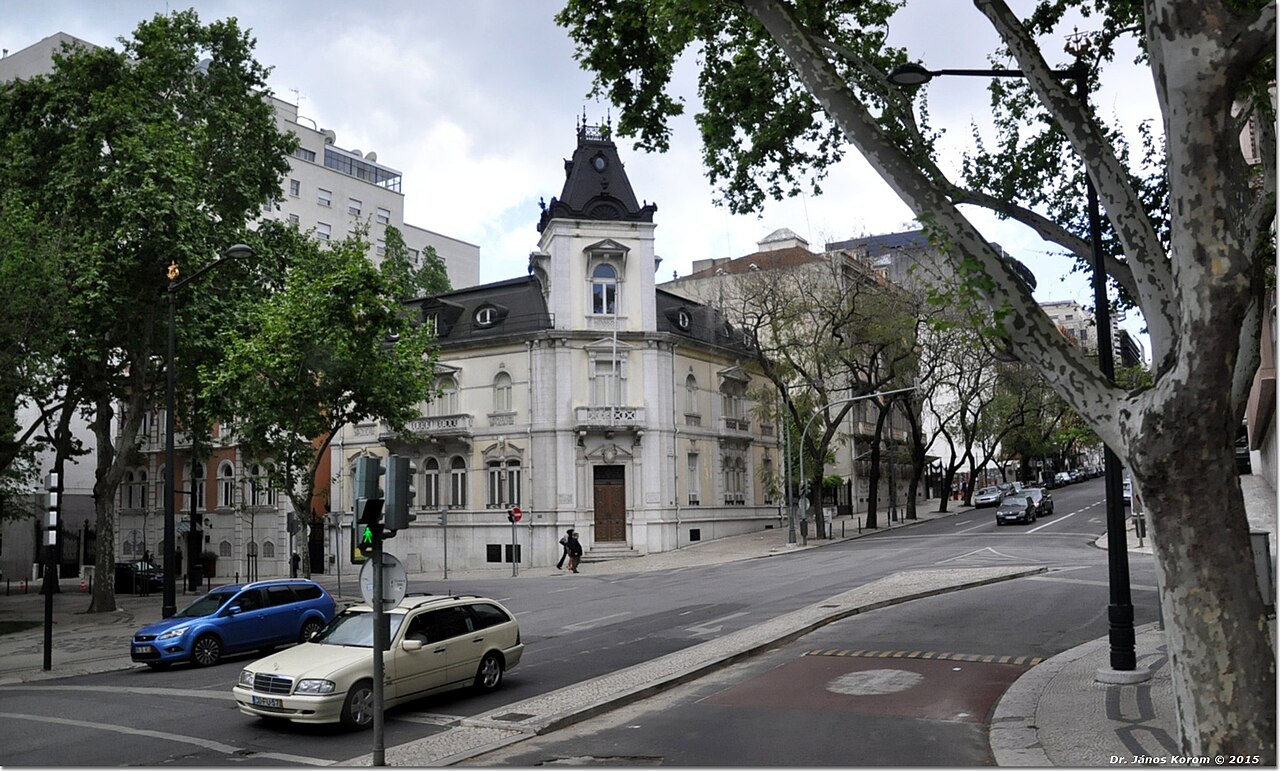
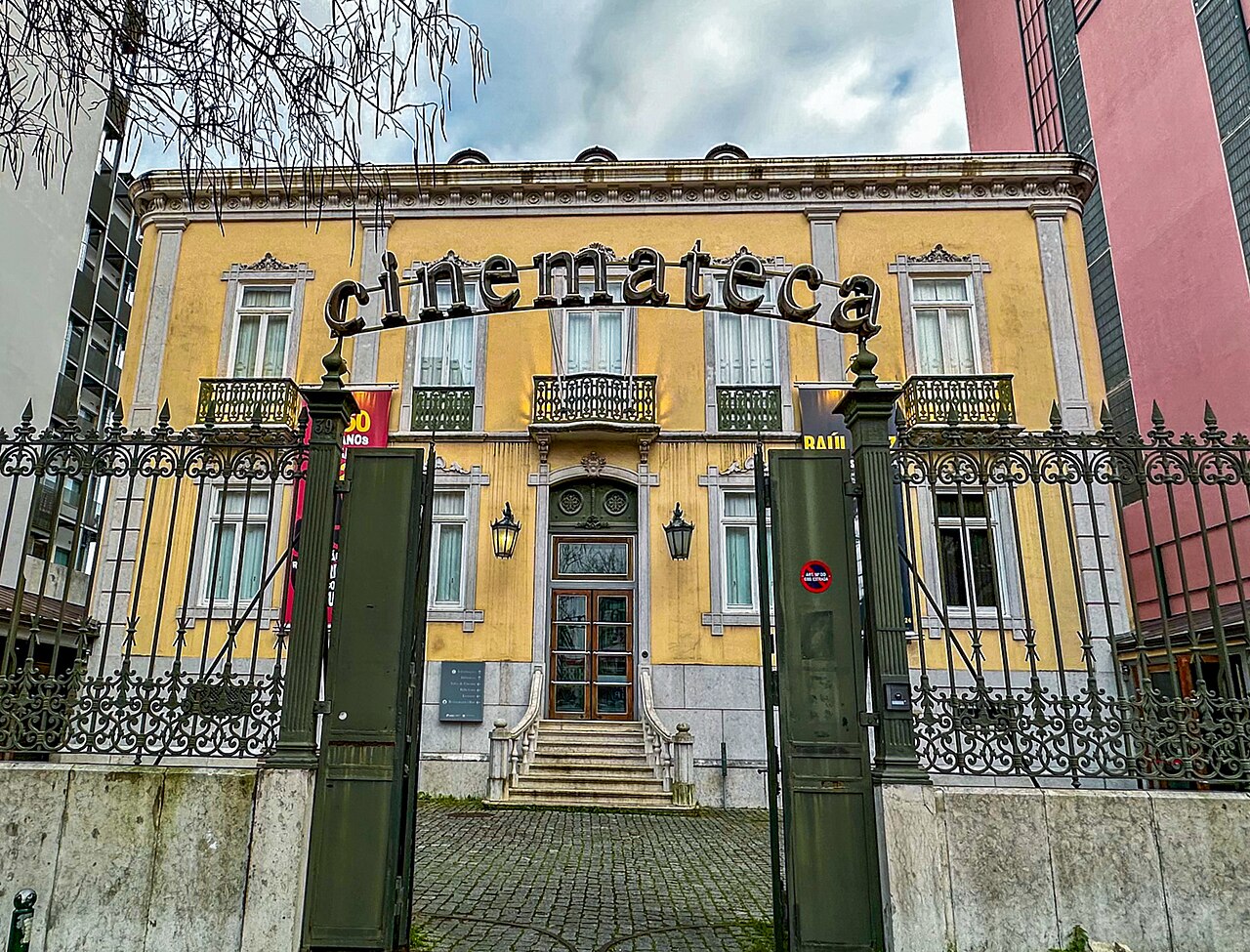
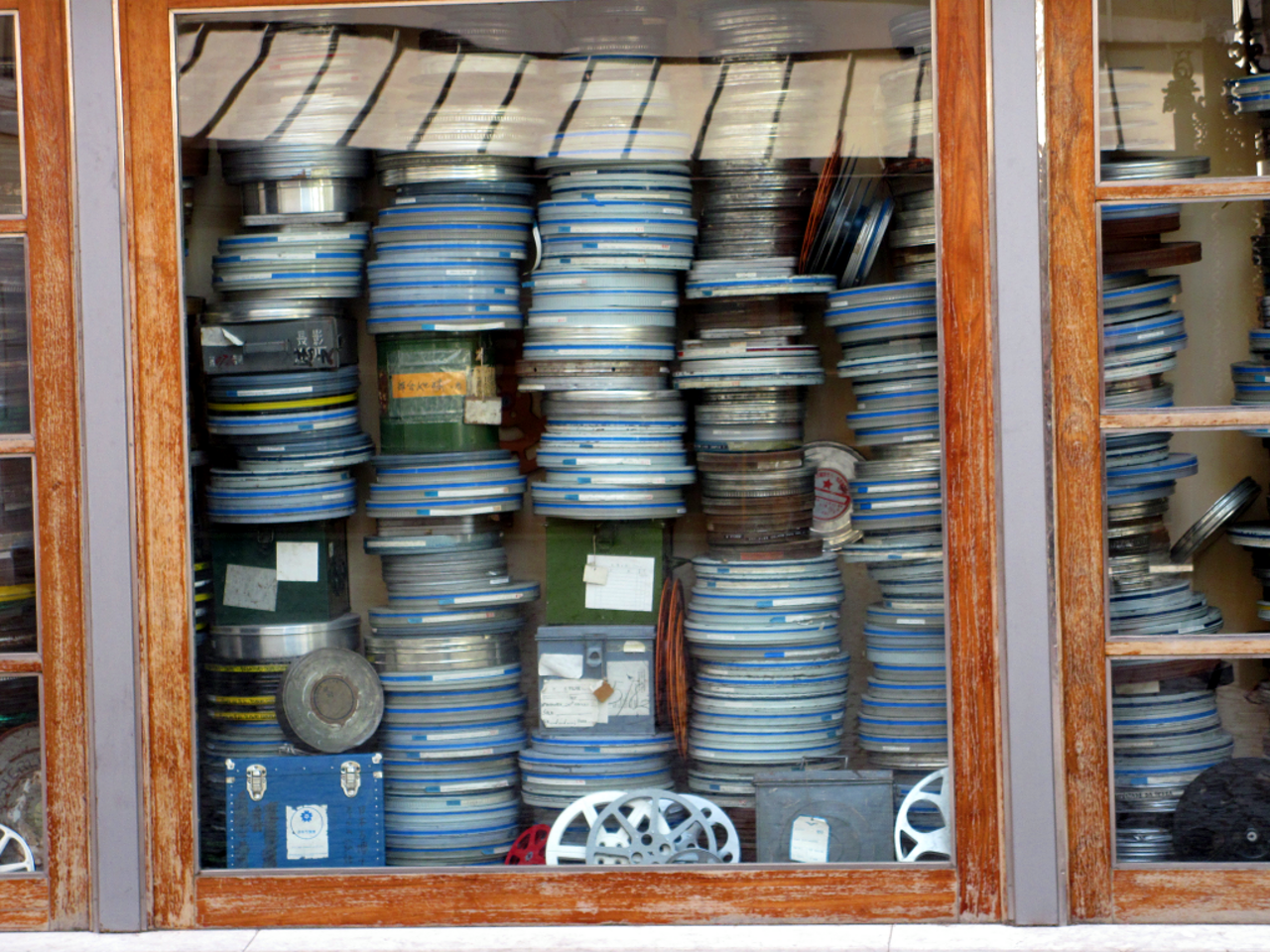
Cinemateca Portuguesa, the Museu do Cinema, is Portugal's national film archive and a public cinema museum in Lisbon. It brings together preservation, research, exhibitions and screenings, giving visitors a focused way to explore moving-image culture. The institution suits travellers who enjoy film history, archival material and curated cinema programmes. It is a cultural venue with a specialist identity, offering a different experience from Lisbon's art museums and historic monuments. Cinemateca Portuguesa - Museu do Cinema is Portugal's national film archive and cinema museum located in Lisbon. It serves as the country's principal institution for film preservation, exhibition, and study. The institution combines archival functions with public programming, maintaining collections of cinematic heritage while operating as a cultural venue accessible to visitors. It represents a significant node in Lisbon's cultural infrastructure, supporting both scholarly research and general public engagement with film history and moving image arts in the Portuguese context. It functions as both Portugal's national film archive and a museum of cinema, combining preservation, research, and public exhibition through screenings and displayed collections.
Checked 2026-08-26 · Source
The venue combines museum displays with archive and cinema functions. Exhibitions can present cinema equipment, documents and other objects connected with film history, while the auditorium hosts curated screenings, retrospectives and thematic programmes. The archive covers Portuguese and international cinema, giving the venue both a national and wider cultural perspective. A visit is strongest when you choose either a museum-focused stop or add a screening, rather than rushing through both without time to watch and reflect. The Cinemateca Portuguesa houses film archives, preservation facilities, exhibition spaces, and a cinema auditorium for screenings. Its museum component displays artifacts related to cinema history, potentially including equipment, documents, and materials illustrating the development of moving image technology and Portuguese film production.
Checked 2026-08-26 · Source

Set aside about forty-five to ninety minutes for the museum displays, depending on how closely you read the material. Adding a film screening turns the visit into a longer cultural outing: include the full running time and time to arrive, take a seat and leave afterward. Combining the museum with one screening can occupy two to four hours. Researchers using archival resources may need substantially longer and may return on another day.
Checked 2026-08-26 · Source
Choose your timing around the screening programme as well as the museum. Afternoon and evening can both work, but the cinema schedule determines whether a particular film fits your day. Leave enough time between arrival and the start of a screening to enter calmly. The venue is especially rewarding for visitors who build their Lisbon plans around cultural events. Programme changes can alter the best time to visit, so use the published schedule for the chosen date.
Checked 2026-08-26 · Source
Museum entry and cinema screenings are separate parts of the visit, and screenings require attention to the programme's ticket arrangements. Prices, concessions and availability depend on the selected event. Popular retrospectives can make advance planning useful. Treat the museum and auditorium as distinct experiences when budgeting and scheduling. The venue's own current programme is the practical reference for a particular film, screening time and admission condition.
Checked 2026-08-26 · Source
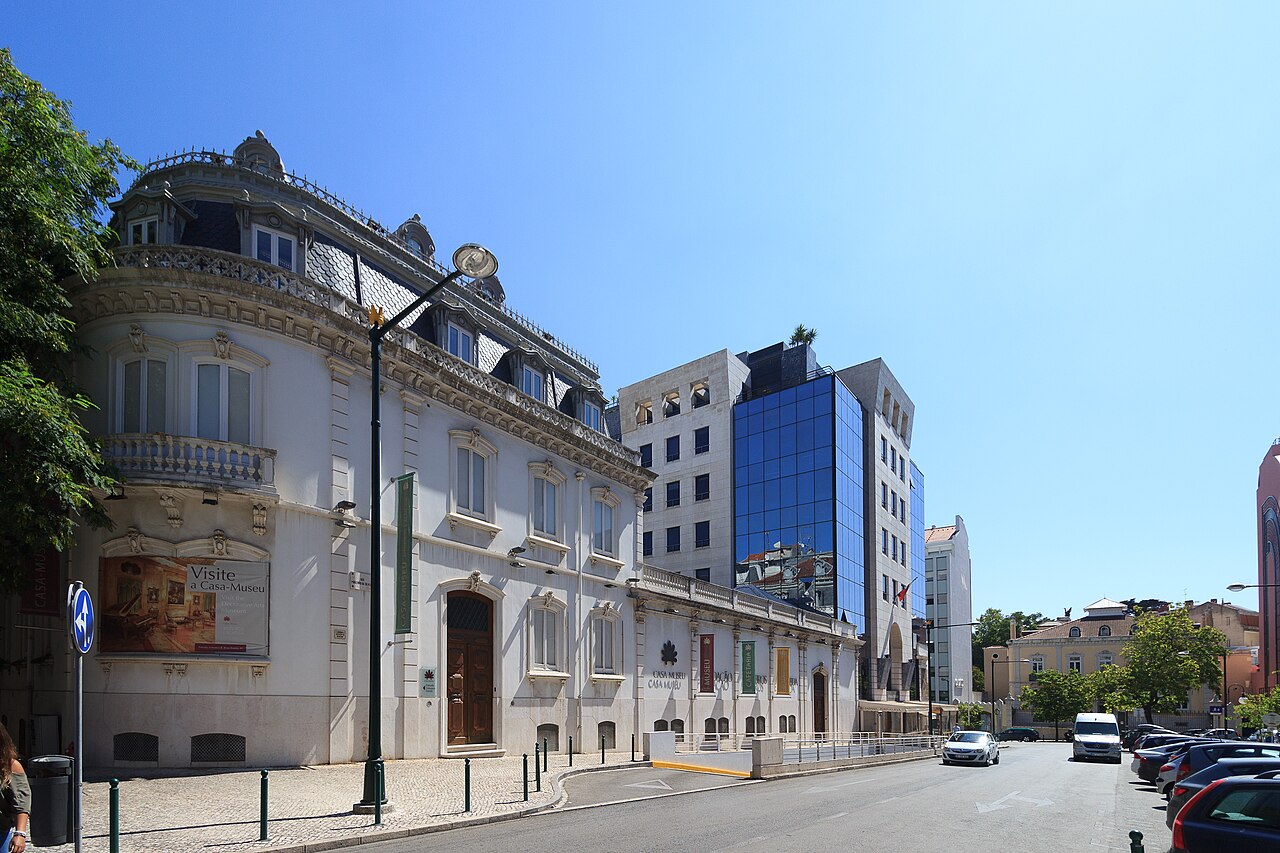
Cinemateca Portuguesa is part of Lisbon's central urban cultural area and can be reached through the city's public transport network. The final approach may include walking from a nearby bus, metro or other transit stop. Lisbon's hills can make a short map distance feel more demanding, especially for visitors carrying equipment or travelling with children. Taxis and ride-hailing services also operate in the city. Build the venue into a central cultural day rather than pairing it with distant sights.
Checked 2026-08-26 · Source
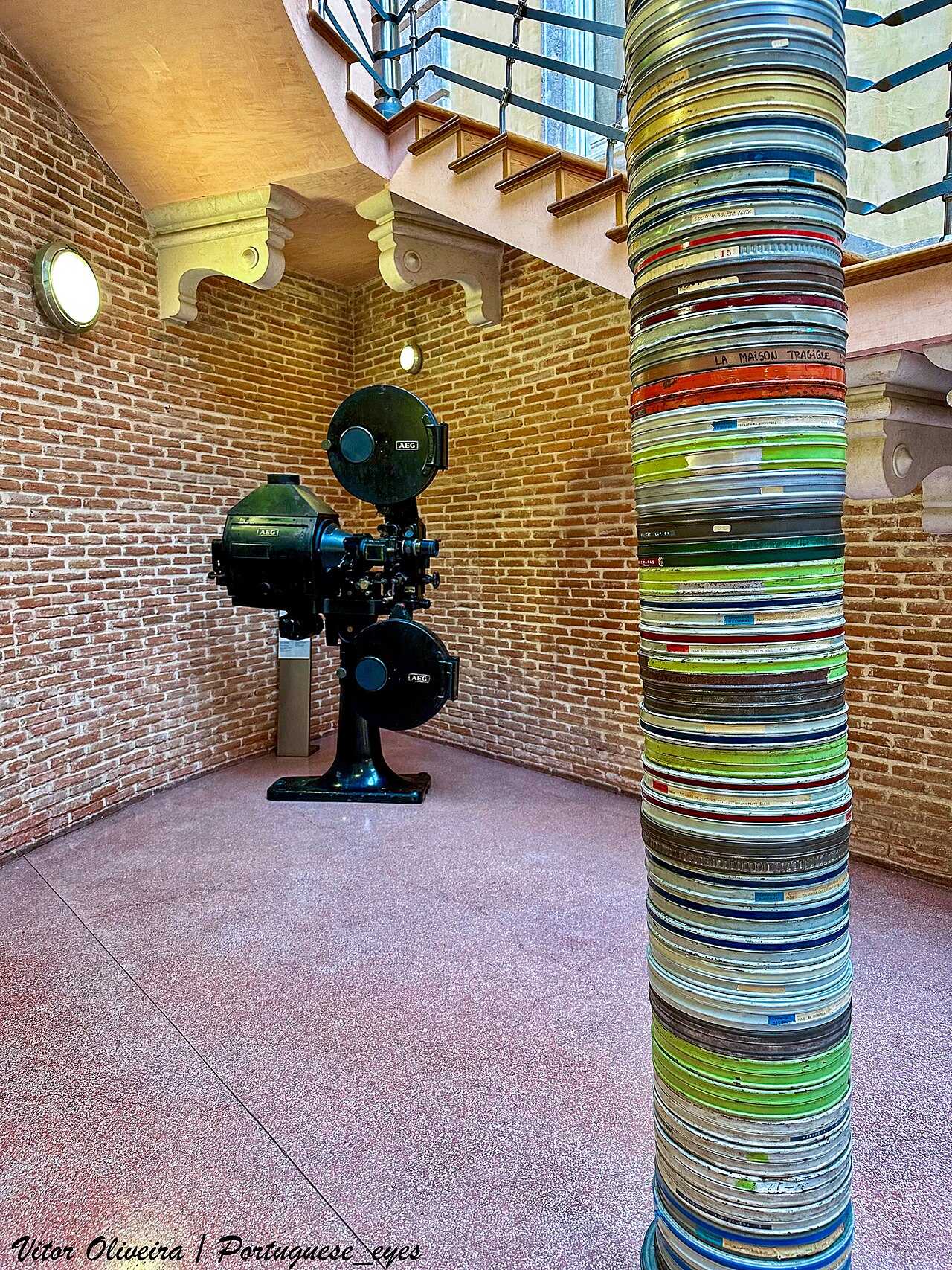
This is a specialist film institution, so its programme may include original-language films and material aimed at dedicated cinema audiences. A screening is a concentrated cultural experience rather than background entertainment. Arrive with enough time to settle before the film begins, and keep phones and recording devices away during screenings. Exhibition and screening areas may have separate rules. The venue's archival mission also means that some spaces or materials may be controlled rather than freely explored.
Checked 2026-08-26 · Source
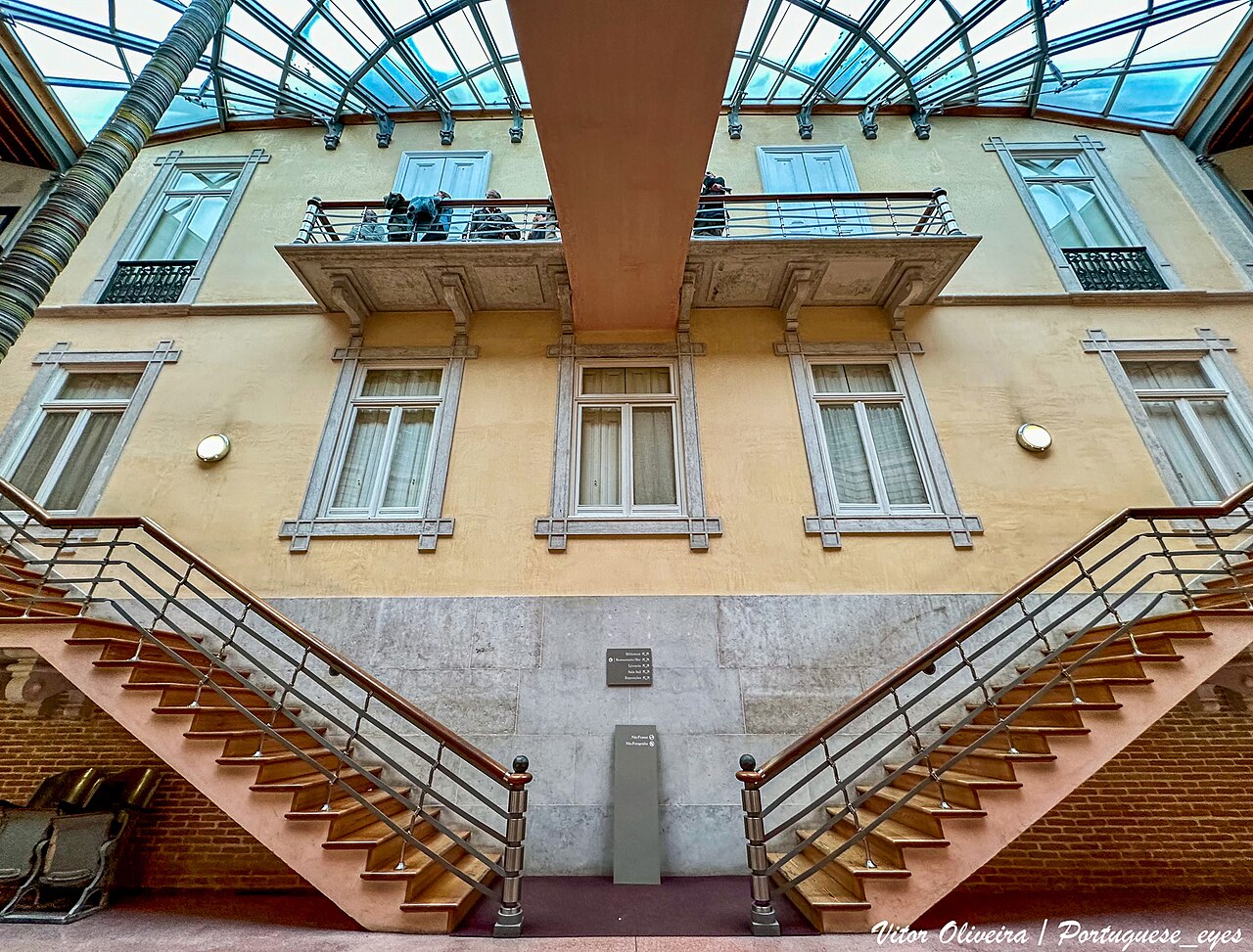
Use discretion with cameras inside the museum and cinema. Exhibition objects, documents and equipment may have presentation or preservation requirements, while recording a film screening is inappropriate. Follow signs and staff directions, keep flash away from displays and never record the screen. Exterior views and public areas offer safer opportunities for photographs. If your visit centres on a screening, put the camera away and give the film your full attention.
Checked 2026-08-26 · Source
It is Portugal's national film archive, cinema museum and screening venue in Lisbon.
You can explore cinema-related exhibitions and attend curated screenings, retrospectives and thematic film programmes.
Allow forty-five to ninety minutes for the museum; a screening extends the visit by the film's running time and surrounding arrival time.
Its collections and public programming cover Portuguese cinema as well as international film.
Yes. The venue brings museum exhibitions and cinema screenings together, and the combination makes a longer two- to four-hour visit.
No. Keep recording devices away during screenings and follow the venue's directions for photography in exhibition spaces.
Loading the interactive map…
The interactive map could not be loaded.
Last updated:
Source: OpenStreetMap contributors, Wikidata ·