
3 min walk
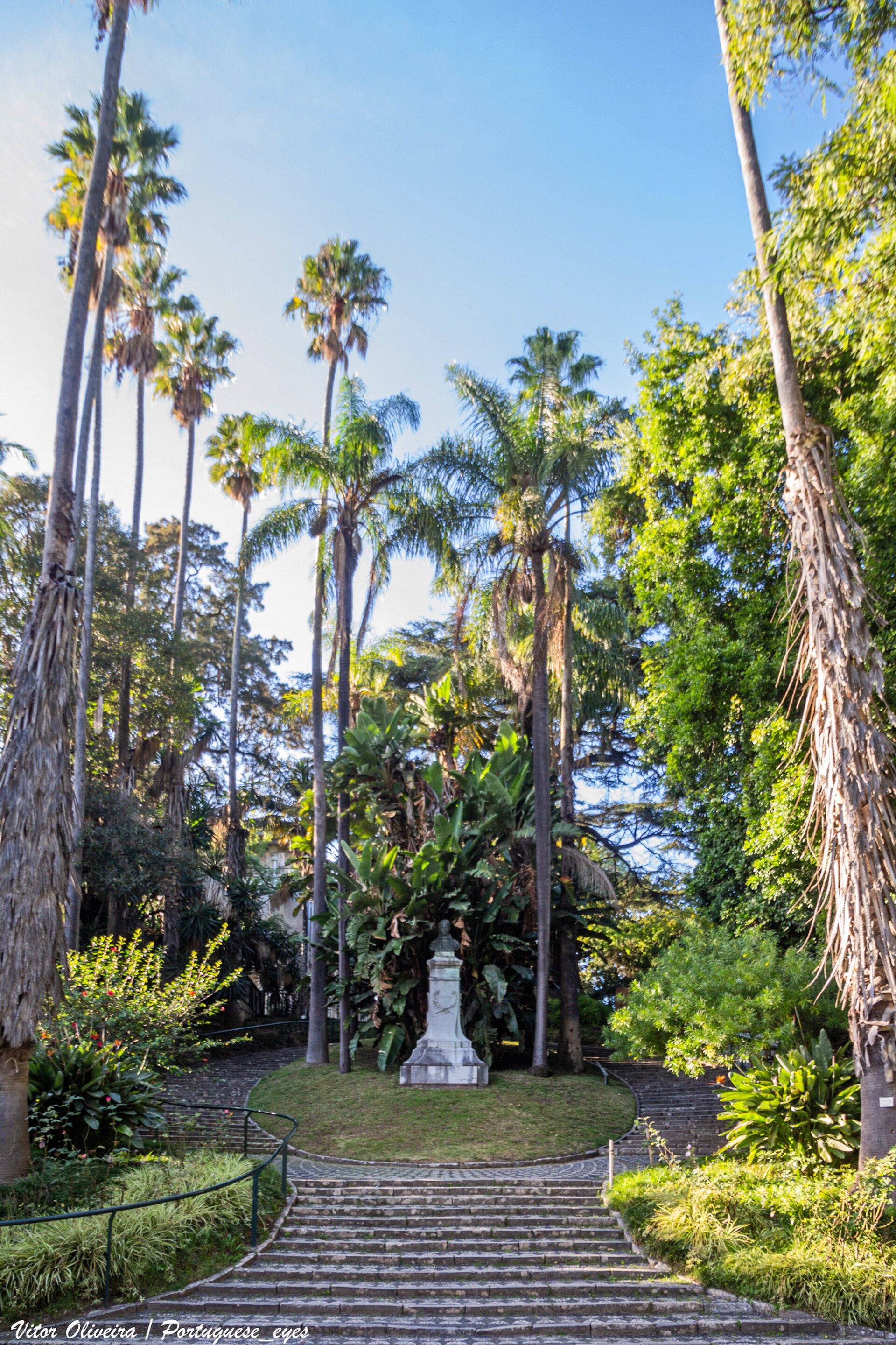
Jardim Botânico de Lisboa
- Must see · Heritage site
- Nature site
Museum · Lisbon
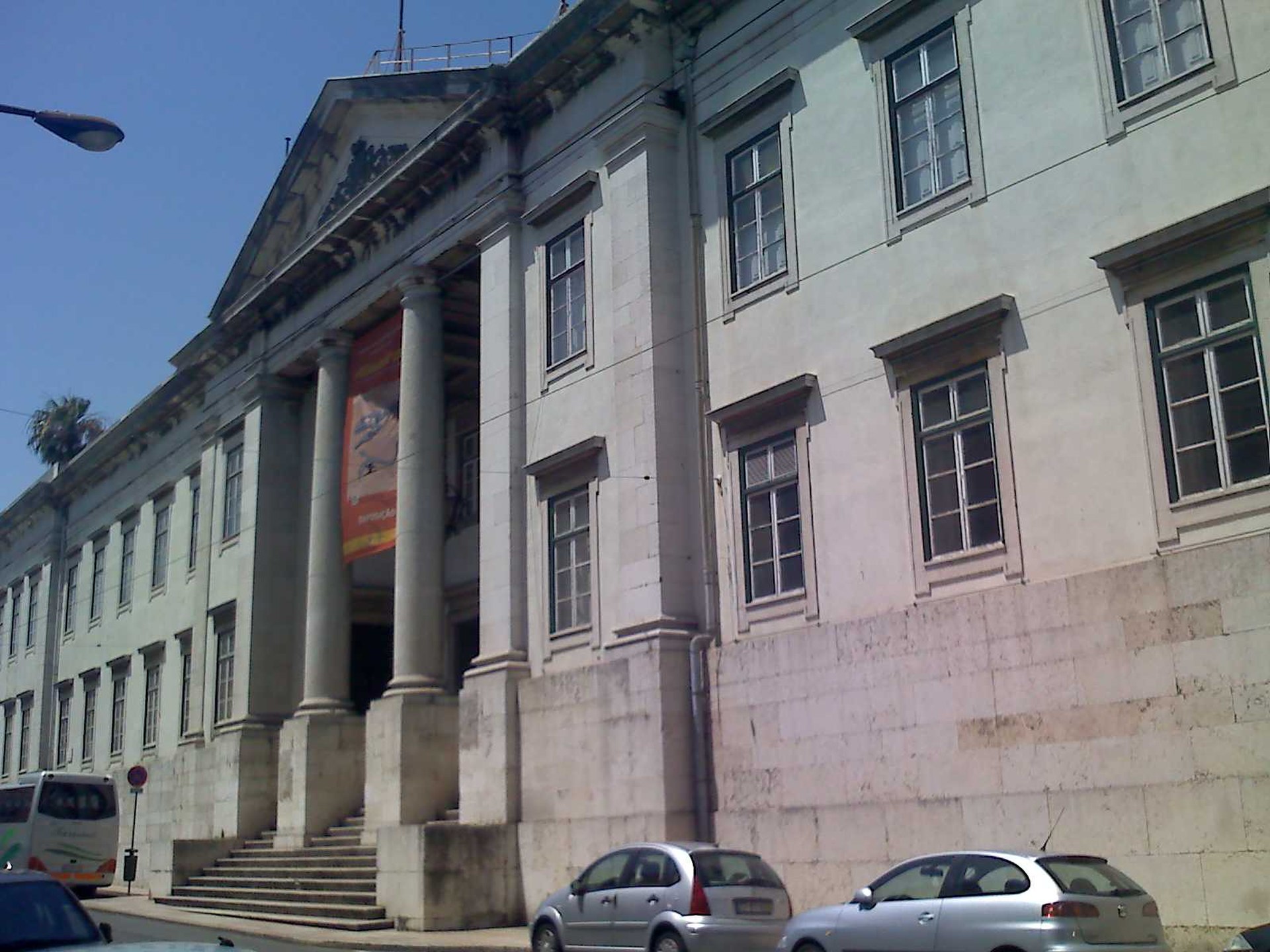
Museu Nacional de História Natural e da Ciência
The National Museum of Natural History and Science occupies a historic building in Lisbon’s university quarter. It brings together natural history, scientific study, and public learning. The museum suits travellers interested in animals, plants, rocks, fossils, anthropology, and the way scientific knowledge has developed in Portugal. Its university setting gives the visit an academic atmosphere and makes it a thoughtful cultural stop between central Lisbon’s streets and gardens. The National Museum of Natural History and Science occupies a historic building in Lisbon's university quarter. It serves as a scientific and educational institution preserving natural history collections and promoting science communication. The museum operates under the University of Lisbon, reflecting Portugal's academic heritage. Its establishment connects to long-standing traditions of botanical and zoological research in the country. Visitors encounter exhibition spaces dedicated to biodiversity, geology, and the history of scientific inquiry. The institution balances public engagement with ongoing research activities, making it a site of both historical significance and contemporary relevance for understanding natural sciences in Portugal. Children interested in animals, rocks, or science may find engagement, though presentation styles reflect academic traditions rather than interactive modern children's museums. Parental guidance enhances educational value.
Checked 2026-08-26 · Source
The displays cover zoology, botany, geology, and anthropology. Visitors can encounter preserved animals, plant materials, minerals, and fossils arranged around themes such as biodiversity, natural heritage, and scientific inquiry. The historic setting contributes to the experience, especially where older museum presentation styles remain visible. Temporary exhibitions and educational activities may add variety. Public galleries show selected objects from collections that extend beyond what a general visitor can see. The museum houses diverse collections spanning zoology, botany, geology, and anthropology. Specimens include preserved animals, plant materials, minerals, and fossils accumulated through centuries of scientific activity. Exhibition galleries display selected items from these holdings, often arranged thematically to illustrate evolutionary relationships, ecological systems, or Portuguese natural heritage. The building itself merits attention, with architectural features reflecting its academic function.
Checked 2026-08-26 · Source
Allow about 90 minutes for a focused visit through the main galleries. Around two hours gives you time to read labels, compare specimens, and pause over geology, biodiversity, and scientific-history displays. Travellers with a strong interest in natural sciences may stay longer, particularly when a temporary exhibition or educational activity is available. The museum also combines easily with a walk through the surrounding university quarter.
Checked 2026-08-26 · Source
The museum works well as a daytime cultural stop throughout the year, including on days when Lisbon’s heat or rain makes outdoor sightseeing less comfortable. Morning visits can feel calmer before school groups arrive. Weekday and weekend visits have different rhythms because the museum forms part of a university environment. Leave enough space in your itinerary for close looking rather than reducing the museum to a quick indoor break.
Checked 2026-08-26 · Source
Treat this as a museum admission visit in your Lisbon plans. The University of Lisbon setting connects the museum with academic study, while its public galleries offer a broad introduction to natural sciences. Keep the museum separate from the nearby university buildings and other attractions when organising your day, because each stop has its own visitor arrangements. Its strongest value is the concentration of animals, plants, rocks, fossils, and scientific history in one place.
Checked 2026-08-26 · Source
The museum stands in Lisbon’s university quarter, north of the busiest Baixa and riverfront sightseeing areas. Lisbon’s metro, bus, and tram network serves the surrounding central districts, followed by a walk through the academic neighbourhood. Walking from nearby areas around Parque Eduardo VII is practical. Lisbon’s slopes can add effort for visitors carrying luggage or using a pushchair. Taxis and rideshares provide a direct alternative between attractions.
Checked 2026-08-26 · Source
This is an academic museum in a historic setting, so expect a quieter, collection-led experience rather than a highly interactive family attraction. Scientific labels may reward visitors who enjoy careful reading, and interpretation can vary between displays. Historic interiors may make movement less straightforward than in a modern museum. School visits can make some galleries busier. Plan around specimens, research traditions, and atmosphere rather than extensive commercial facilities.
Checked 2026-08-26 · Source
Photographic subjects include specimens, display cases, scientific objects, and historic academic interiors. Close-up images work well for textures in minerals, fossils, and botanical materials, while wider frames show the arrangement of the galleries. Keep camera work unobtrusive in busy or narrow spaces and follow signs or staff directions. A phone is sufficient for detail studies, but a slower visit gives more time to compose the contrasts between natural forms and museum architecture.
Checked 2026-08-26 · Source
Children who enjoy animals, plants, rocks, fossils, or science can find many subjects to discuss across the zoology, botany, geology, and anthropology collections. The visit works best for families who enjoy looking closely and talking about what they see.
The collections cover zoology, botany, geology, and anthropology. Exhibits include preserved animals, plant materials, minerals, and fossils, alongside displays about biodiversity, Portuguese natural heritage, and the development of scientific study.
Allow around 90 minutes for the main galleries. Plan roughly two hours if you read labels carefully, examine specimens closely, or spend time with temporary exhibitions and educational activities.
It is in Lisbon’s university quarter, a central academic area north of the main Baixa and riverfront sightseeing zone. The museum combines naturally with a walk through the university neighbourhood.
Its intimate scale and university setting emphasise scientific collections, Portuguese research traditions, and close observation. It offers a focused encounter with natural history rather than the vast spectacle of a major metropolitan museum.
Expect a historic academic environment connected with the University of Lisbon. The building and older museum traditions contribute to the experience, while the galleries bring together natural specimens and the history of scientific inquiry.
Loading the interactive map…
The interactive map could not be loaded.
Last updated:
Source: OpenStreetMap contributors, Wikidata ·