_(34249096483).jpg)

.jpg)
.jpg)
.jpg)
4 min walk
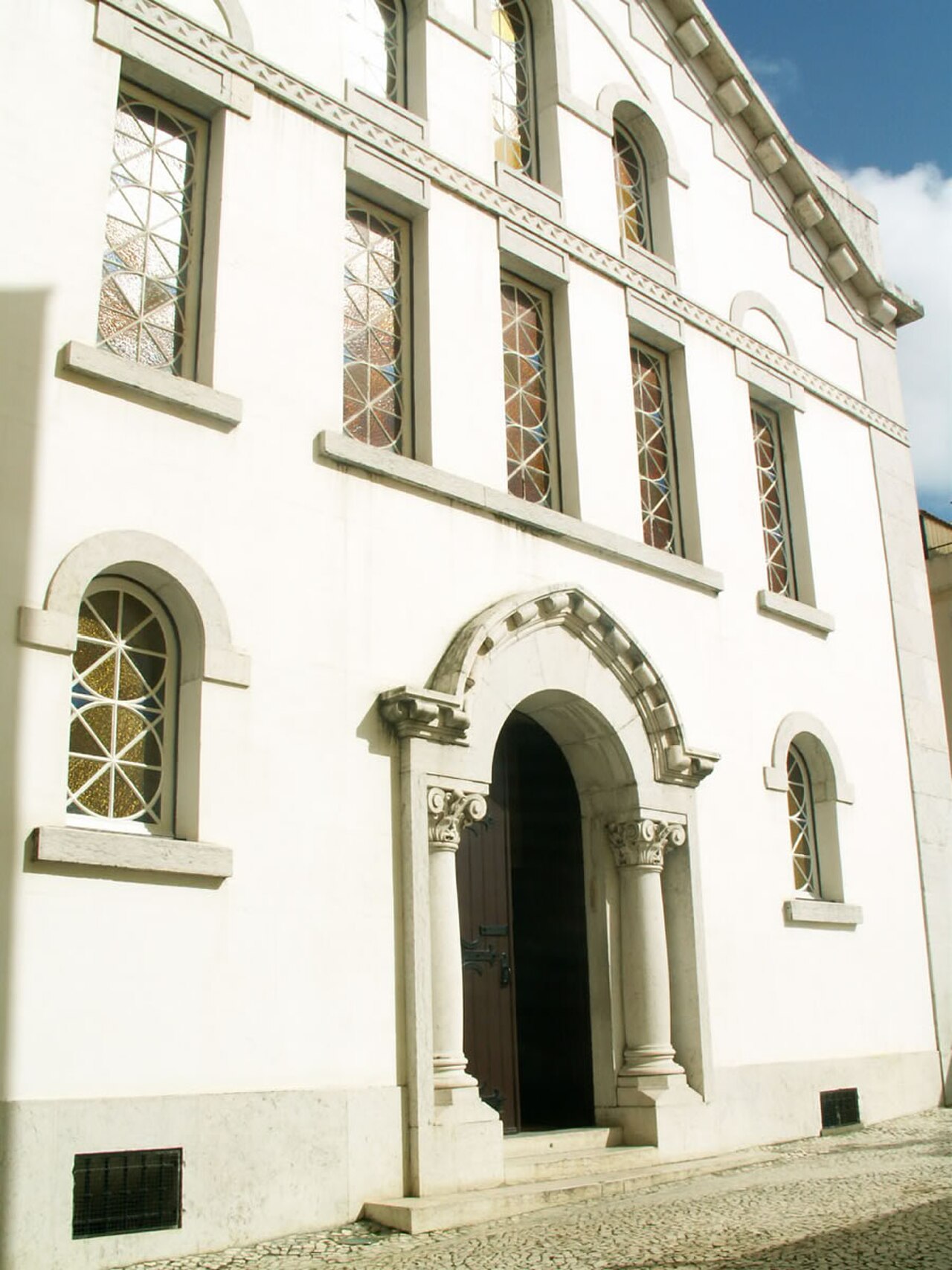
Lisbon Synagogue
- High · Heritage site
- Place of worship
Museum · Lisbon
| Monday | 10:00 – 17:30 |
|---|---|
| Tuesday | 10:00 – 17:30 |
| Wednesday | 10:00 – 17:30 |
| Thursday | 10:00 – 17:30 |
| Friday | 10:00 – 17:30 |
| Saturday | 10:00 – 17:30 |
| Sunday | 10:00 – 17:30 |
Closed to visitors between 12:30 – 13:30
Parsed from OpenStreetMap opening hours on 2026-09-09.
The Reservatório da Mãe d'Água das Amoreiras is a historic water reservoir in Lisbon, Portugal. It forms part of the city's 18th-century Águas Livres Aqueduct system, engineered to supply fresh water to the capital. The structure features impressive stone vaulted chambers and represents significant Portuguese hydraulic engineering heritage. Located in the Amoreiras district, it stands as a monument to Enlightenment-era infrastructure planning. The reservoir functioned as a distribution point where aqueduct water was collected and directed toward urban fountains and domestic users throughout Lisbon.
Checked 2026-08-26
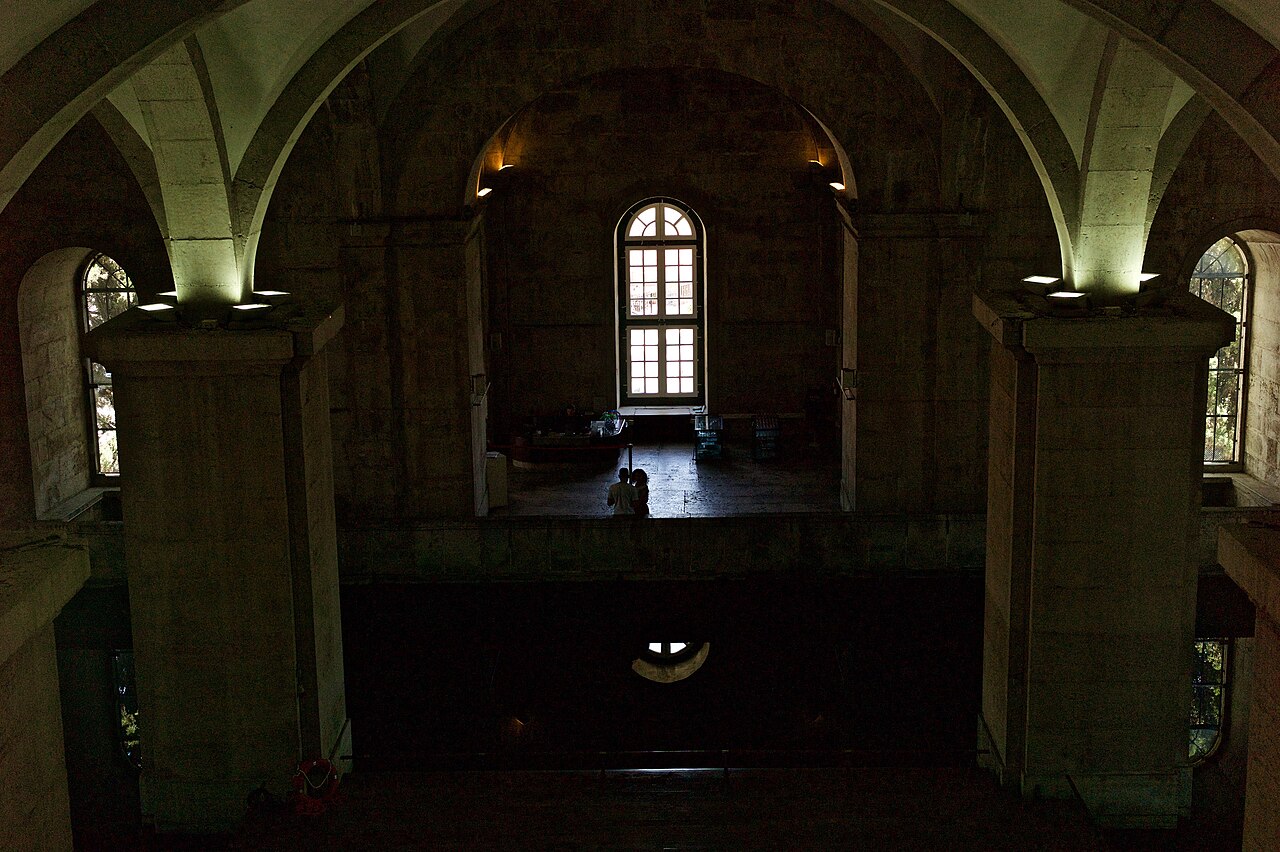
The interior comprises monumental vaulted cistern chambers constructed from limestone and brick. Visitors encounter a vast underground space with rows of sturdy columns supporting elegant barrel vaults overhead. The architectural design emphasizes both functional water storage and aesthetic grandeur typical of Portuguese engineering monuments. Historical piping systems and water management features may be observed. The space creates a remarkable atmosphere through its scale, symmetry, and the play of light across stone surfaces. Interpretive elements about the aqueduct network may be present, though specific current displays are Not recorded.
Checked 2026-08-26

A complete visit typically requires between thirty and sixty minutes, depending on individual interest in architectural and engineering heritage. The space lends itself to contemplative observation rather than extended activity. Photography enthusiasts and history specialists may prefer longer stays to appreciate structural details and atmospheric qualities. The compact nature of the interior chambers means visitors can comprehensively experience the monument without significant time investment. Combining this visit with nearby attractions in the Amoreiras district would constitute a logical half-day itinerary for travelers exploring Lisbon's hydraulic heritage infrastructure.
Checked 2026-08-26
Visitors should verify current opening schedules through official municipal or cultural heritage channels before planning attendance. The interior environment maintains relatively stable temperature and humidity conditions year-round due to its subterranean construction, reducing seasonal comfort variations. Lisbon's peak tourist seasons occur during summer months and major holiday periods, which may affect crowding at popular heritage sites. Morning visits potentially offer quieter conditions at cultural attractions generally. Advance confirmation of accessibility remains essential given the specialized nature of this heritage infrastructure site. Check the operator's own site for the travel date before relying on a schedule or fare.
Checked 2026-08-26
Visitors must consult official sources for current admission fees, concession eligibility, and any available combined ticketing with related aqueduct monuments. Some Portuguese heritage sites participate in municipal museum networks or cultural passes, though specific arrangements for this reservoir are unverified. Free entry periods may apply on certain commemorative days according to national practice, but exact dates and policies require direct confirmation. Payment methods accepted and online booking availability remain unspecified without authoritative source verification. Budget-conscious travelers should prepare for variable admission scenarios. Check the operator's own site for the travel date before relying on a schedule or fare.
Checked 2026-08-26
The reservoir occupies the Amoreiras district in central Lisbon, accessible via the city's public transportation network. Multiple bus routes serve the surrounding area. The nearby Rato metro station on the Yellow Line provides convenient underground rail connection, requiring subsequent walking through urban streets. Tram and funicular services operating in Lisbon's historic zones may require transfer for optimal routing. Pedestrian access from central districts including Baixa and Chiado is feasible for active walkers, though Lisbon's characteristic hills should be anticipated. Street signage and digital mapping applications assist navigation in this established neighborhood.
Checked 2026-08-26
The historic infrastructure presents inherent accessibility constraints typical of 18th-century construction. Subterranean spaces may involve uneven flooring, dim lighting conditions, and stair access without modern alternatives. Visitors with mobility limitations, respiratory sensitivities, or claustrophobic tendencies should assess suitability carefully. Moisture accumulation in underground chambers may create slippery surfaces. Low ceilings in certain passages require height awareness. Emergency exit routes and contemporary safety installations should be noted upon entry. The monument's preservation status means some areas may carry restricted access. Appropriate footwear with secure grip is strongly recommended for all visitors entering this heritage environment.
Checked 2026-08-26

The architectural qualities of the vaulted chambers offer exceptional photographic opportunities emphasizing repetition, perspective, and dramatic lighting contrasts. The interplay between artificial illumination and shadow across stone surfaces creates atmospheric compositions. Wide-angle lenses accommodate the spatial scale, while tripods may prove valuable given interior light levels. Specific photography policies including flash restrictions, commercial usage permits, and tripod allowances are Not recorded pending review. Respect for other visitors and preservation requirements must guide photographic behavior. The monochrome palette of limestone and shadow particularly suits black-and-white interpretation. Reflections in any residual water features may yield creative possibilities.
Checked 2026-08-26
Yes, it belongs to the Águas Livres Aqueduct system, a significant 18th-century hydraulic engineering network supplying Lisbon. Related monuments include the aqueduct arches and other reservoir structures.
Specific connecting access between the reservoir and aqueduct walkway is Not recorded. The aqueduct's pedestrian passage operates separately with distinct access points and regulations.
Scheduled guided tour availability is Not recorded pending review. Visitors should inquire with official operators regarding educational programming and language options.
The current operational status regarding water retention is Not recorded. The monument primarily serves heritage and cultural purposes rather than active municipal water distribution.
The underground environment and architectural constraints may challenge young visitors. Parental discretion is advised considering darkness, spatial enclosure, and walking requirements.
On-site amenity provision including restrooms is Not recorded pending review. Visitors should plan accordingly given the specialized heritage nature of this infrastructure monument.
Loading the interactive map…
The interactive map could not be loaded.
Last updated:
Source: OpenStreetMap contributors, Wikidata ·