
.jpg)


.png)
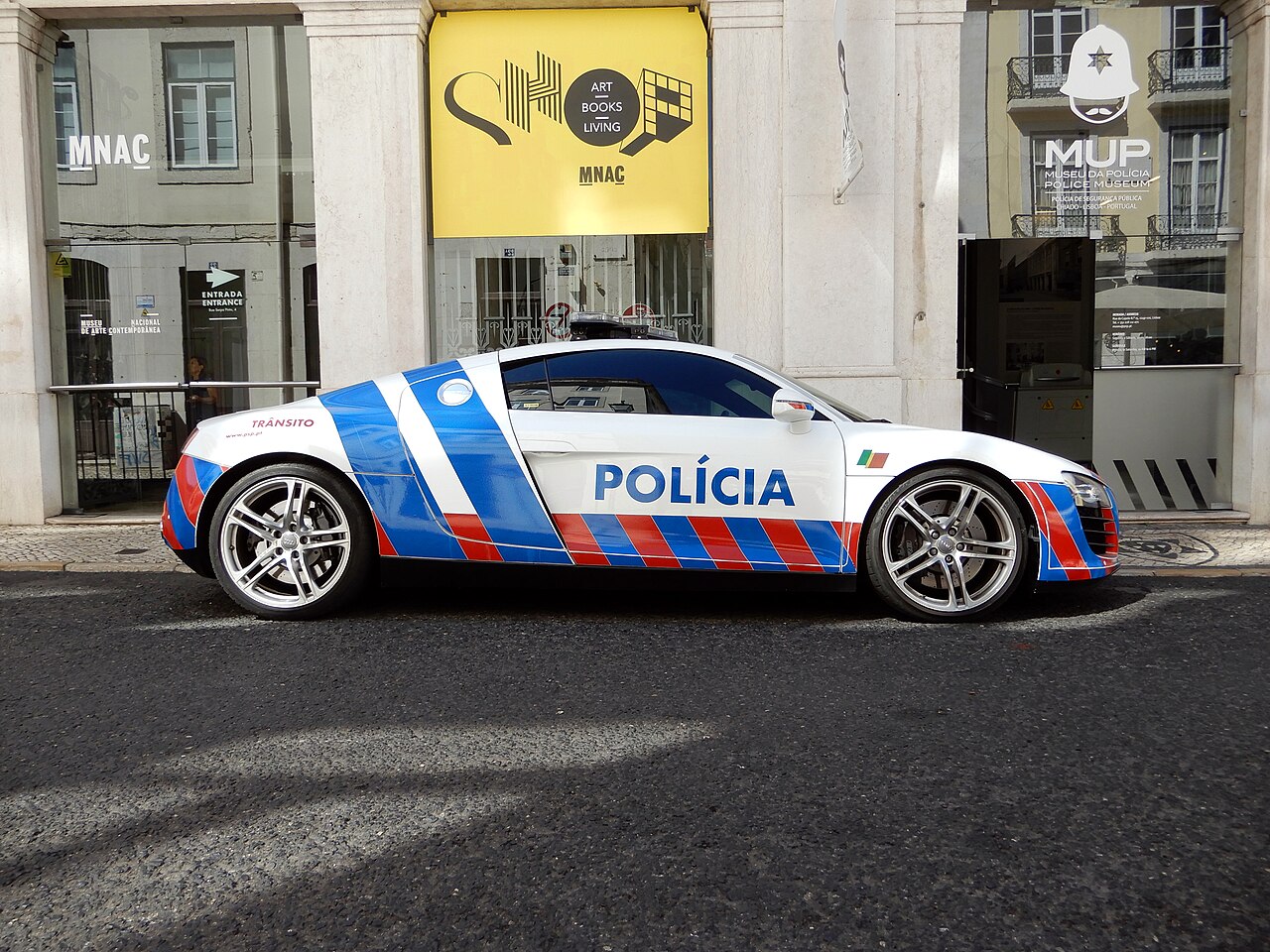
1 min walk
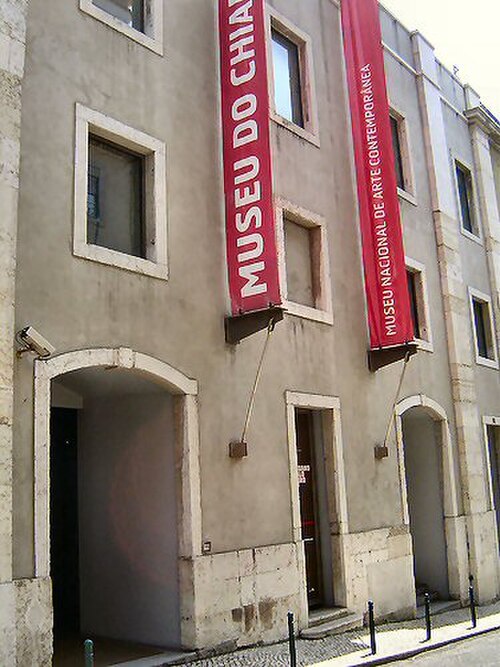
Museu Nacional de Arte Contemporânea (MNAC)
- High
- Museum
Art and culture venue · Lisbon
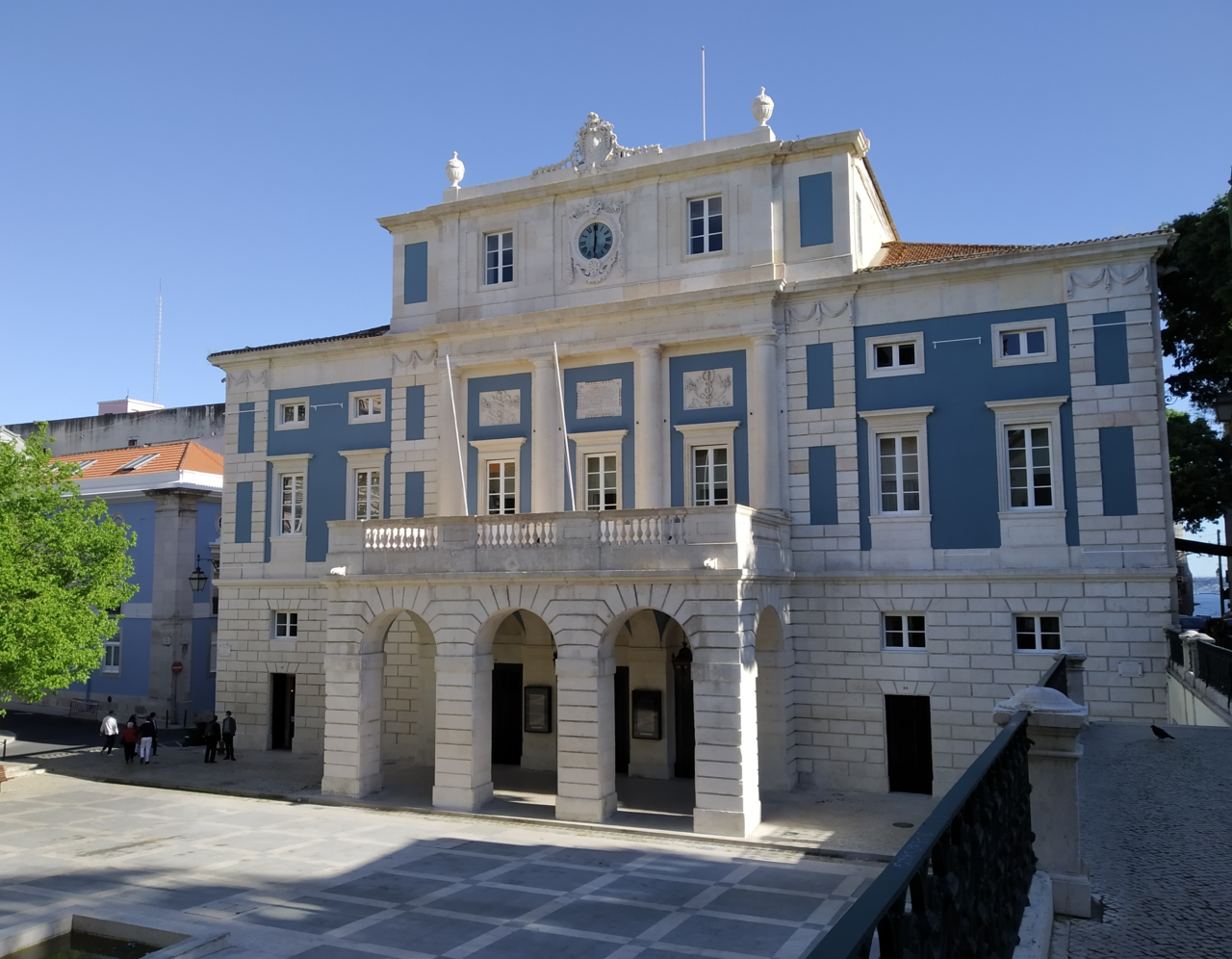
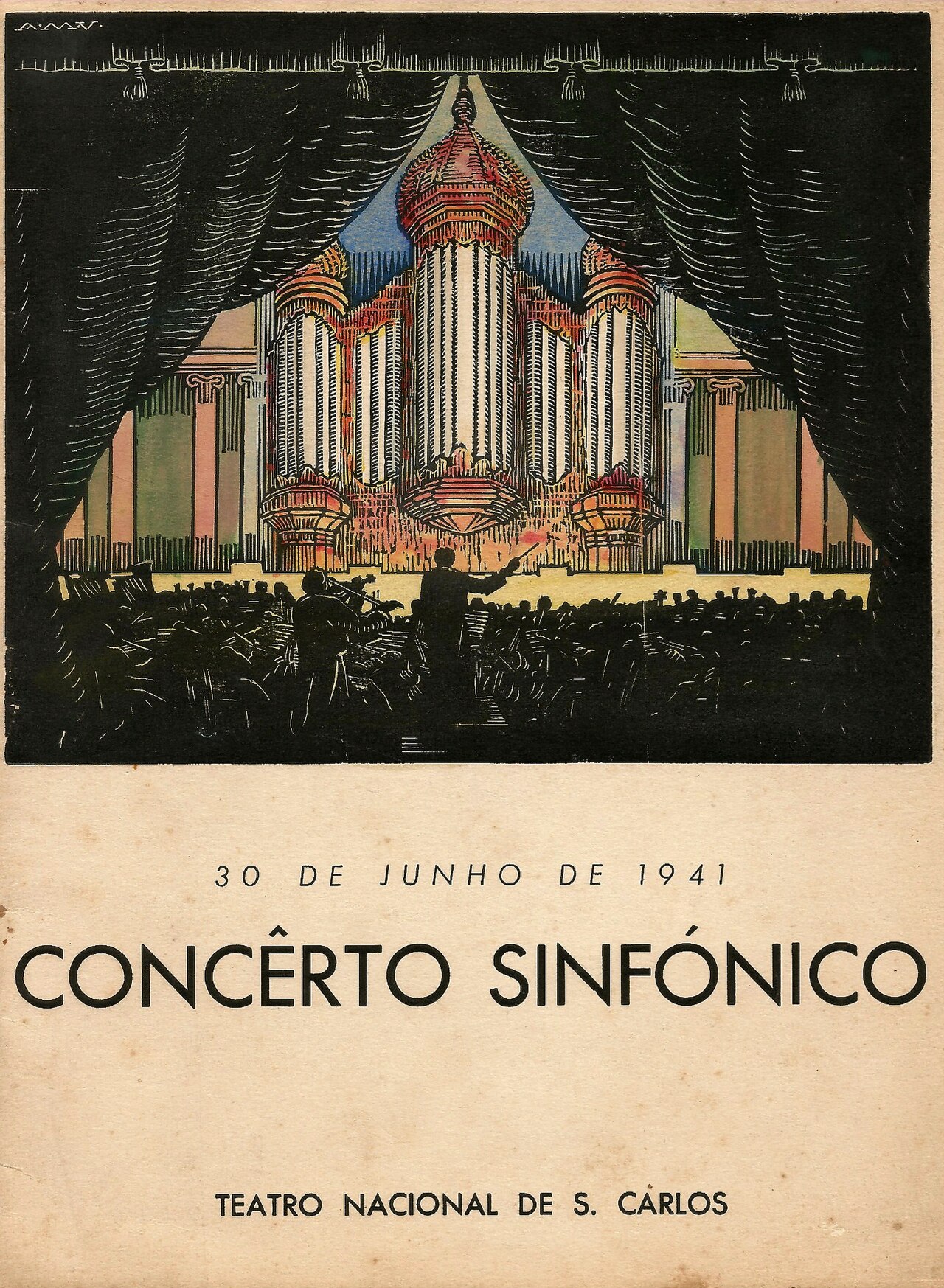
Teatro Nacional de São Carlos is Lisbon’s national opera house, standing in the Chiado district among the city’s historic streets. Founded in the late eighteenth century, it remains a major Portuguese venue for opera, ballet, classical music and orchestral performance. Its neoclassical exterior and long cultural role make it worthwhile even for travellers whose interests extend beyond attending a full evening production. Teatro Nacional de São Carlos is Lisbon's principal opera house and the leading venue for classical music and opera performance in Portugal. Established in the late 18th century, it occupies a prominent position in the Chiado district. The theatre serves as the national opera house and maintains a significant role in Portuguese cultural life. Its neoclassical architecture reflects the aesthetic values of its founding period. The institution continues to present opera, ballet, and orchestral concerts throughout its annual programming season. It is the principal national opera house. Other venues may host operatic performances occasionally. Organised tours may be available at certain times.
Checked 2026-08-26 · Source
The theatre’s defining interior is a horseshoe-shaped auditorium arranged with several tiers of boxes and galleries. Ornamental decoration, stalls and upper seating create the intimate, layered atmosphere associated with eighteenth-century European opera houses. Behind the public spaces are the stage, orchestra pit, scenery-handling areas and other facilities needed for large productions. Foyers and circulation areas complete the visitor experience, while the historic design sits alongside modern performance infrastructure. The interior features a traditional horseshoe-shaped auditorium with multiple tiers of boxes and galleries typical of 18th-century European opera house design. The main performance hall accommodates audiences in stalls and upper levels with ornamental decorative schemes. Backstage facilities support full-scale opera productions with orchestra pit, stage machinery, and scenery handling capabilities. Public areas include entrance foyers and circulation spaces. The building's architectural character preserves historical decorative elements alongside functional modernisations required for contemporary performance standards and audience comfort.
Checked 2026-08-26 · Source
Plan around thirty minutes to appreciate the exterior and setting, or forty-five to ninety minutes for a daytime tour or building visit when one is available. An opera or concert is a much longer commitment, commonly lasting two and a half to four hours with an interval. Arrive early enough to find your seat comfortably, and leave room afterwards for the journey through central Lisbon. A typical opera or concert performance extends between two and a half to four hours including intervals, though individual event duration varies by programme. Visitors should anticipate additional time for arrival, seating, and departure.
Checked 2026-08-26 · Source
The strongest reason to visit is a performance in the theatre’s autumn-to-spring cultural season, when opera and concerts give the building its full atmosphere. A daytime exterior stop works throughout the year and fits naturally into a Chiado walking route. Evening shows require more deliberate planning because central Lisbon becomes busy around dinner and public transport connections. The surrounding district is especially rewarding before or after a performance.
Checked 2026-08-26 · Source

Performance tickets are sold through the theatre’s box office and authorised booking channels, with prices differing by production and seating position. The horseshoe auditorium makes seat location part of the experience, so compare the available sections before choosing. Popular productions can fill quickly.
Checked 2026-08-26 · Source
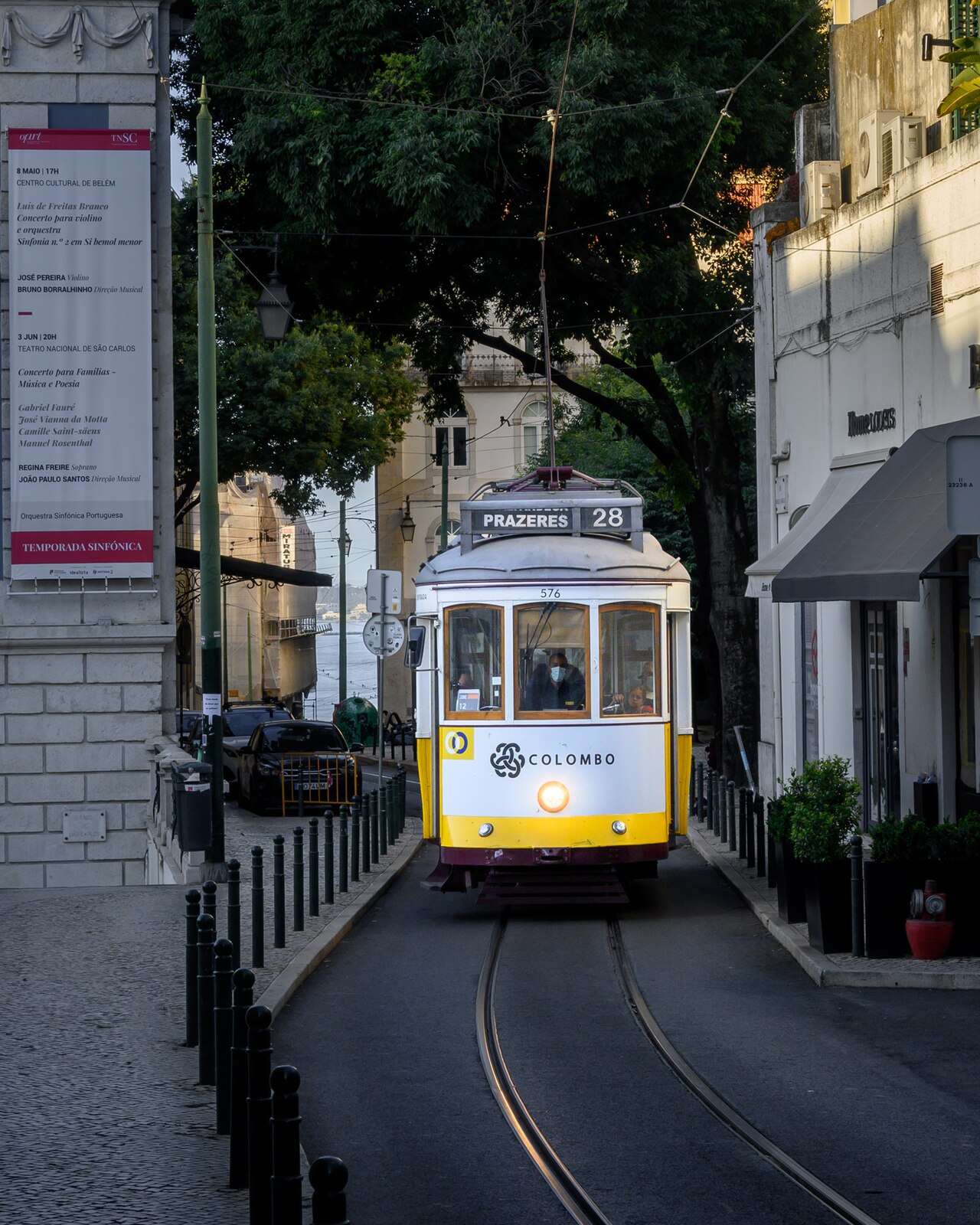
The theatre is centrally placed in Chiado, close to Baixa-Chiado metro station, served by the green and blue lines. It is also reachable by bus and lies within walking distance of Rossio and the Baixa streets. The Elevador da Bica serves the wider neighbourhood. For an evening performance, public transport or a taxi is more practical than searching for parking in Lisbon’s congested historic centre.
Checked 2026-08-26 · Source
Late arrival can affect entry to the auditorium, particularly once a performance has begun, so allow time for the journey and seating. The historic arrangement includes stairs and may be difficult for some visitors with limited mobility. During busy periods in Chiado, keep bags and phones secure. Dress is generally smart casual to formal in spirit, while silence, a switched-off phone and respect for performers matter more than strict clothing rules.
Checked 2026-08-26 · Source

The neoclassical façade can be photographed from the surrounding Chiado streets, with evening light offering a different view from daytime detail. Inside, performance photography and flash would disturb artists and audiences and are prohibited. If a daytime visit or tour gives access to public rooms, follow the venue’s instructions before taking pictures. Keep equipment compact in crowded streets and avoid blocking entrances, queues or other visitors.
Checked 2026-08-26 · Source
The theatre presents opera, ballet, classical music and orchestral performances as part of its cultural programme.
It stands in Lisbon’s Chiado district, near Baixa-Chiado metro station and within walking distance of Baixa and Rossio.
Its traditional horseshoe plan has several tiers of boxes and galleries, creating an intimate eighteenth-century opera-house setting.
The exterior is easy to appreciate during a Chiado walk, while daytime building visits or tours may provide access to interior spaces.
An opera or concert commonly lasts between two and a half and four hours, including an interval.
Photography during performances is prohibited because it distracts performers and audience members; exterior photography is suitable from public streets.
Loading the interactive map…
The interactive map could not be loaded.
Last updated:
Source: OpenStreetMap contributors, Wikidata ·