1 min walk
Well of Zamzam
- Must see
- Place of worship
Language · 11 published
Historic monument · Mecca
الحجر الأسود
Reviewed by Elena Voss · Roavina Travel Editor
| Monday | 00:00 – 23:59 |
|---|---|
| Tuesday | 00:00 – 23:59 |
| Wednesday | 00:00 – 23:59 |
| Thursday | 00:00 – 23:59 |
| Friday | 00:00 – 23:59 |
| Saturday | 00:00 – 23:59 |
| Sunday | 00:00 – 23:59 |
Checked 2026-08-31 · Source
Read from the OpenStreetMap access tags; anything not listed has no tag recorded.
Set the group type to family in the planner and the day window contracts to about three quarters of a solo day.
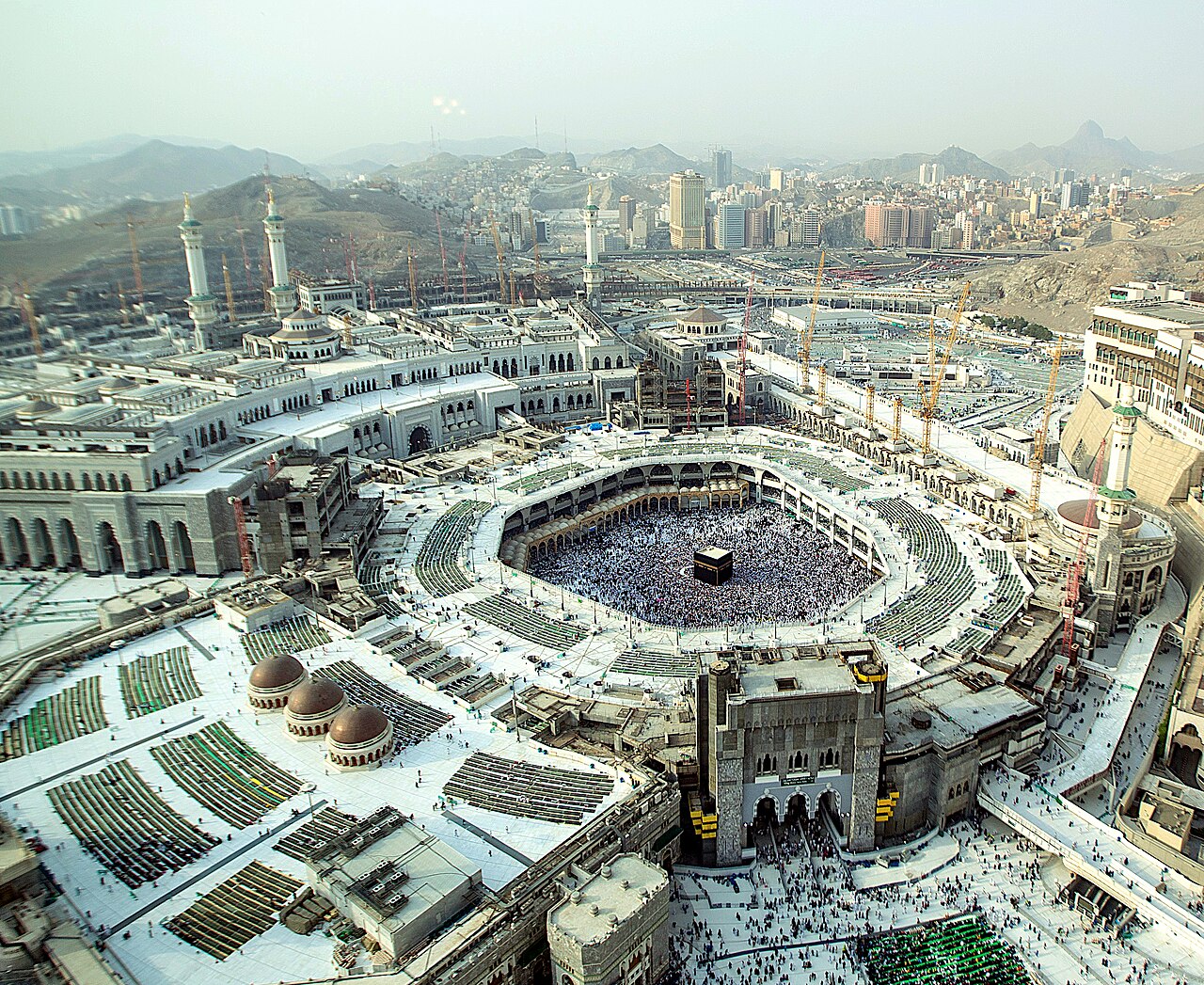
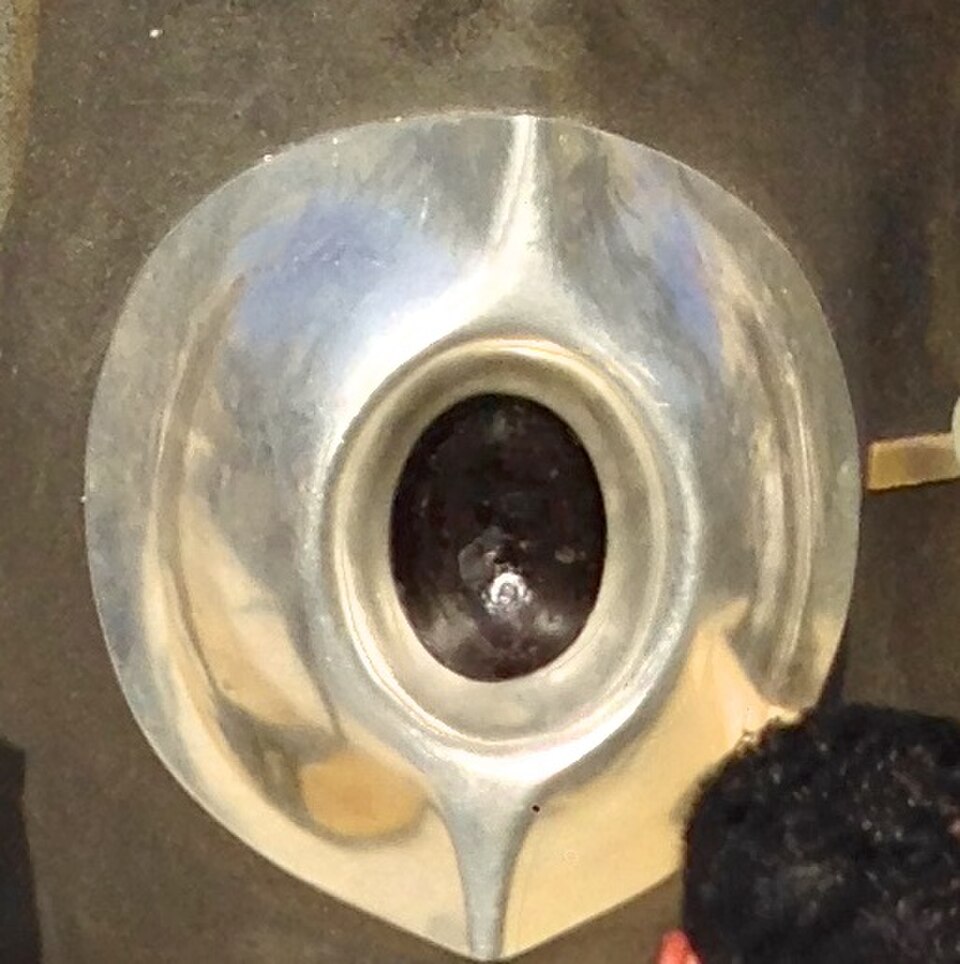
The Black Stone is an ancient stone set into the eastern outer corner of the Kaaba in the Grand Mosque of Mecca, Islam's holiest site. Muslims believe it predates Islam and was placed by the prophet Ibrahim and his son Ismail during the Kaaba's construction. The stone is built into a silver frame due to historical damage. Pilgrims performing Hajj or Umrah traditionally attempt to kiss or touch it if possible, though crowding often makes this impractical. The stone holds profound spiritual significance as a marker for the start of the ritual circumambulation known as Tawaf.
Checked 2026-08-26
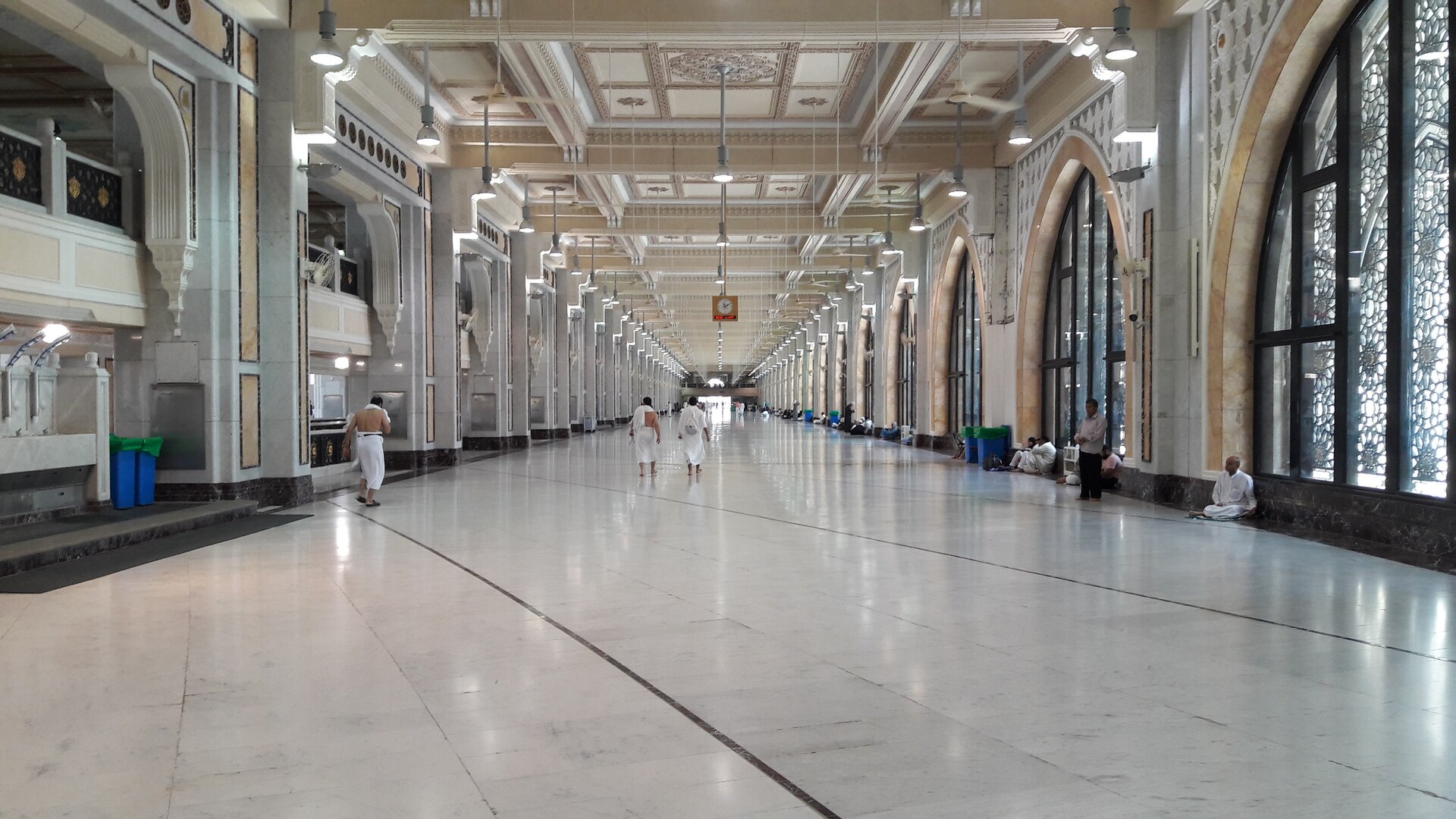
The Black Stone itself is not a structure with interior spaces. It is a single stone fragment, now composed of several pieces held together by a silver frame or band, mounted at approximately chest height on the Kaaba's corner. The stone's original nature remains uncertain, with historical accounts describing various materials. The surrounding area comprises the massive marble courtyard of the Grand Mosque, which accommodates millions of worshippers. The immediate vicinity of the stone becomes extremely congested during peak pilgrimage periods, with barriers and crowd management systems employed by mosque authorities.
Checked 2026-08-26
There is no fixed duration for visiting the Black Stone itself, as it is not a timed attraction but an integrated element of religious ritual. The circumambulation of the Kaaba, during which pilgrims pass the stone seven times, typically takes between twenty minutes to over an hour depending on crowd density. During Hajj season or Ramadan, the entire experience may extend significantly due to massive visitor numbers. Individual contact with the stone, when possible, lasts mere seconds. Most visitors should anticipate spending several hours within the Grand Mosque complex overall.
Checked 2026-08-26
The Black Stone is accessible whenever the Grand Mosque is open for worship, which is generally continuous throughout the year with periodic cleaning and maintenance closures. Hajj occurs during specific Islamic calendar dates, while Umrah can be performed year-round except during designated Hajj days. Ramadan brings exceptionally high domestic attendance. Visitors should consult official Saudi religious authorities for current access conditions. Climate considerations are significant, as Mecca experiences extreme summer heat exceeding forty degrees Celsius, making cooler months more comfortable for extended outdoor queueing. Check the operator's own site for the travel date before relying on a schedule or fare.
Checked 2026-08-26
Access to the Black Stone and the Grand Mosque is not ticketed in the conventional sense. There is no admission fee for Muslims entering to perform worship. Non-Muslims are not permitted entry to Mecca's city limits or the mosque under Saudi law. Pilgrims undertaking Hajj or Umrah must arrange packages through authorized agents, with costs varying enormously by accommodation class and services. Additional expenses may include transportation, lodging, and ritual necessities. Official Saudi platforms provide the only authoritative pricing information for pilgrimage arrangements. Check the operator's own site for the travel date before relying on a schedule or fare.
Checked 2026-08-26
Mecca is served by King Abdulaziz International Airport in Jeddah, approximately ninety kilometers west, with dedicated Hajj terminals handling seasonal pilgrimage traffic. High-speed rail connects Jeddah airport to Mecca. Road access is restricted for non-Muslims approaching the city. Within Mecca, the Grand Mosque occupies the city center, accessible by foot from surrounding accommodations. The mosque complex has multiple gates, with the Black Stone located at the eastern corner of the Kaaba. Internal mosque navigation requires following directional signage and crowd flow patterns, with ground markings indicating the stone's location for circumambulation.
Checked 2026-08-26
Extreme crowding presents the primary safety concern, with stampedes historically occurring during peak periods. The area immediately around the Black Stone becomes dangerously compressed; authorities may redirect flow away from direct contact. Summer heat poses serious health risks, including dehydration and heat exhaustion. Visitors should maintain hydration and recognize personal limits. Pickpocketing occurs in dense crowds. Religious police and security personnel enforce behavior standards. Photography restrictions apply in certain areas. Physical altercations over position near the stone have been reported. Visitors with mobility limitations face significant challenges navigating the congested marble surfaces, which become slippery.
Checked 2026-08-26
Photography policies within the Grand Mosque are restrictive and subject to enforcement by religious authorities. General photography of the mosque architecture is widely practiced, though officially discouraged or prohibited depending on current interpretations. Photography specifically targeting worshippers, particularly women, is strictly forbidden and may provoke serious confrontation. The Saudi government has implemented surveillance and monitoring systems throughout the complex. Visitors should exercise extreme caution with camera use, respect directives from authorities, and prioritize devotional atmosphere over documentation. Smartphone use while walking in dense circumambulation crowds creates collision hazards and distracts from necessary spatial awareness.
Checked 2026-08-26
No. Non-Muslims are prohibited from entering Mecca city limits and the Grand Mosque under Saudi law, with checkpoints enforcing this restriction.
No. While desirable in Islamic tradition, direct contact is not obligatory. The ritual circumambulation remains valid without it, especially given practical crowding constraints.
The stone has historically fractured and been repaired. Current pieces are held in a silver frame. Ultimate custodianship lies with Saudi religious authorities.
Yes. Women perform the same rituals as men, though practical crowding and gender dynamics may affect individual experience of proximity.
Islamic tradition attributes its origin to the time of Ibrahim, though scientific dating has not been performed. Its precise geological age remains unknown.
Historical accounts describe damage and removal attempts, notably by the Qarmatians in 930 CE, though the stone was later returned. Complete details are not recorded.
Loading the interactive map…
The interactive map could not be loaded.
Last updated:
Source: OpenStreetMap contributors, Wikidata ·