.jpg)
1 min walk
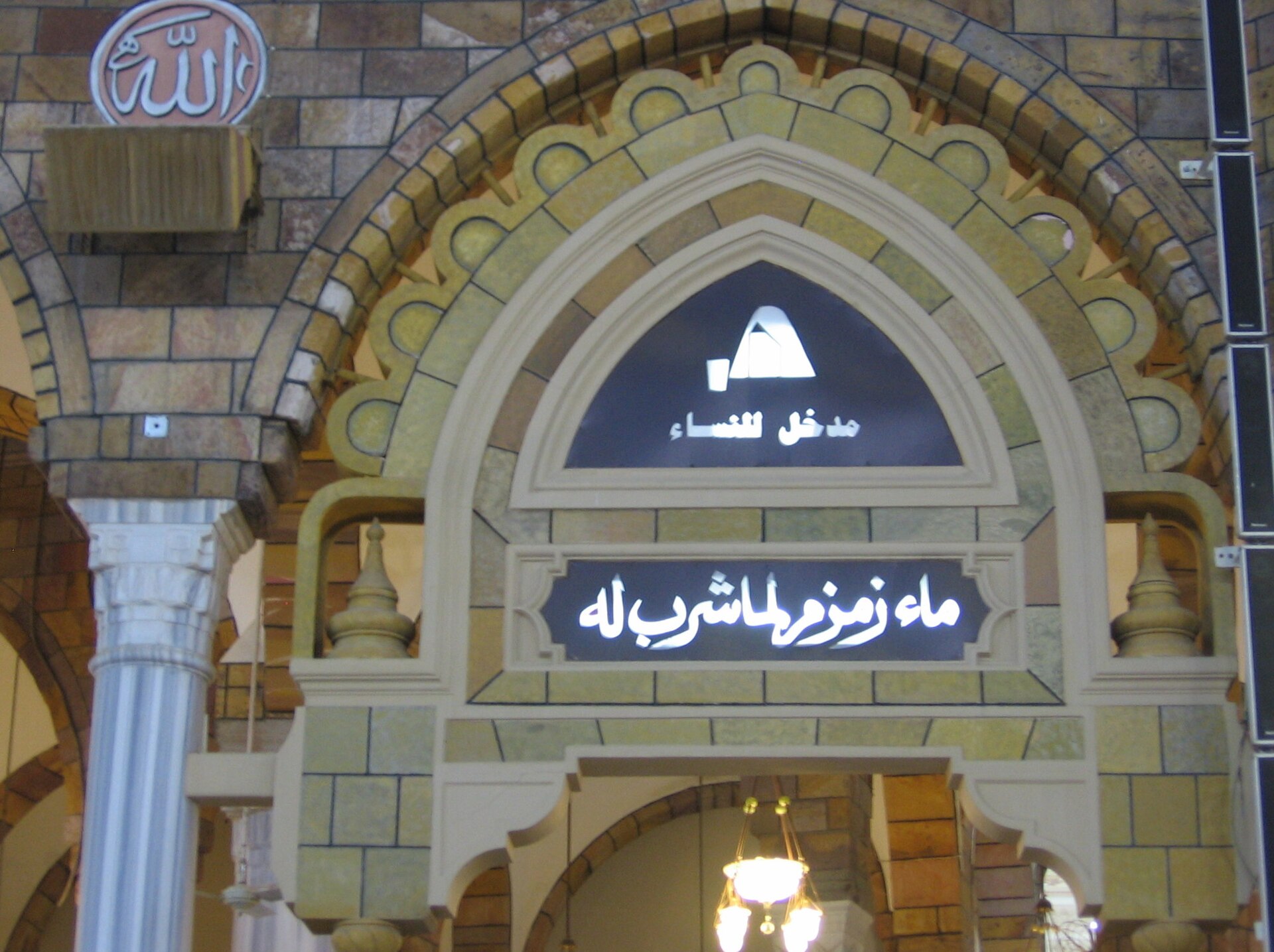
Well of Zamzam
- Must see
- Place of worship

Historic monument · Mecca
مقام إبراهيم
| Per person | Free entry |
|---|
Checked 2026-08-31 · Source
Read from the OpenStreetMap access tags; anything not listed has no tag recorded.
Set the group type to family in the planner and the day window contracts to about three quarters of a solo day.
The Station of Abraham, known locally as Maqam Ibrahim, is a significant Islamic religious site in Mecca, Saudi Arabia. It contains a stone bearing the footprints believed to be those of the Prophet Abraham, who is said to have stood there during the construction of the Kaaba. The structure housing the stone stands near the Kaaba within the Grand Mosque complex. The site holds deep religious importance for Muslims performing pilgrimage rituals, particularly during Tawaf when pilgrims may pause to pray near it.
Checked 2026-08-26
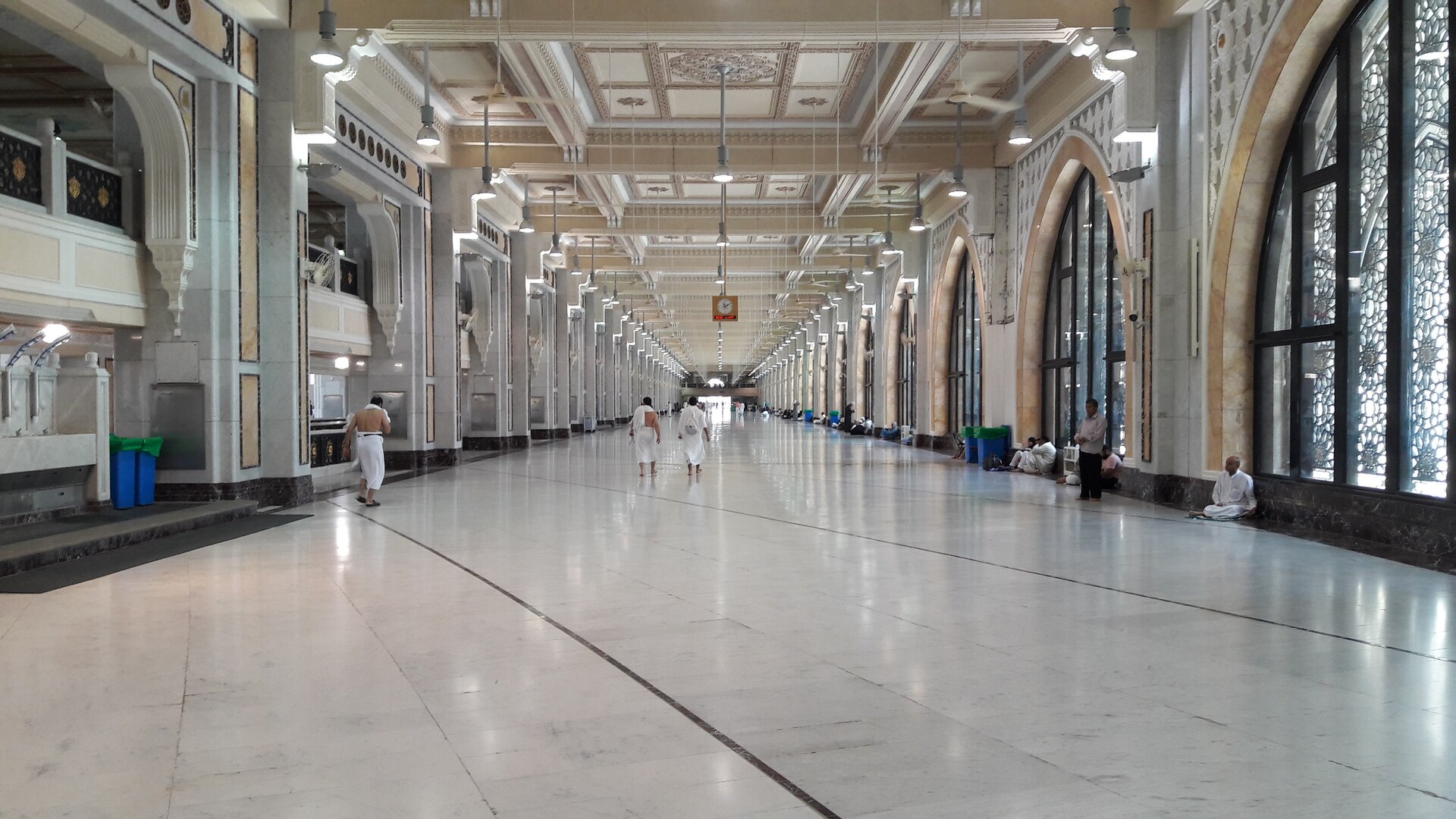
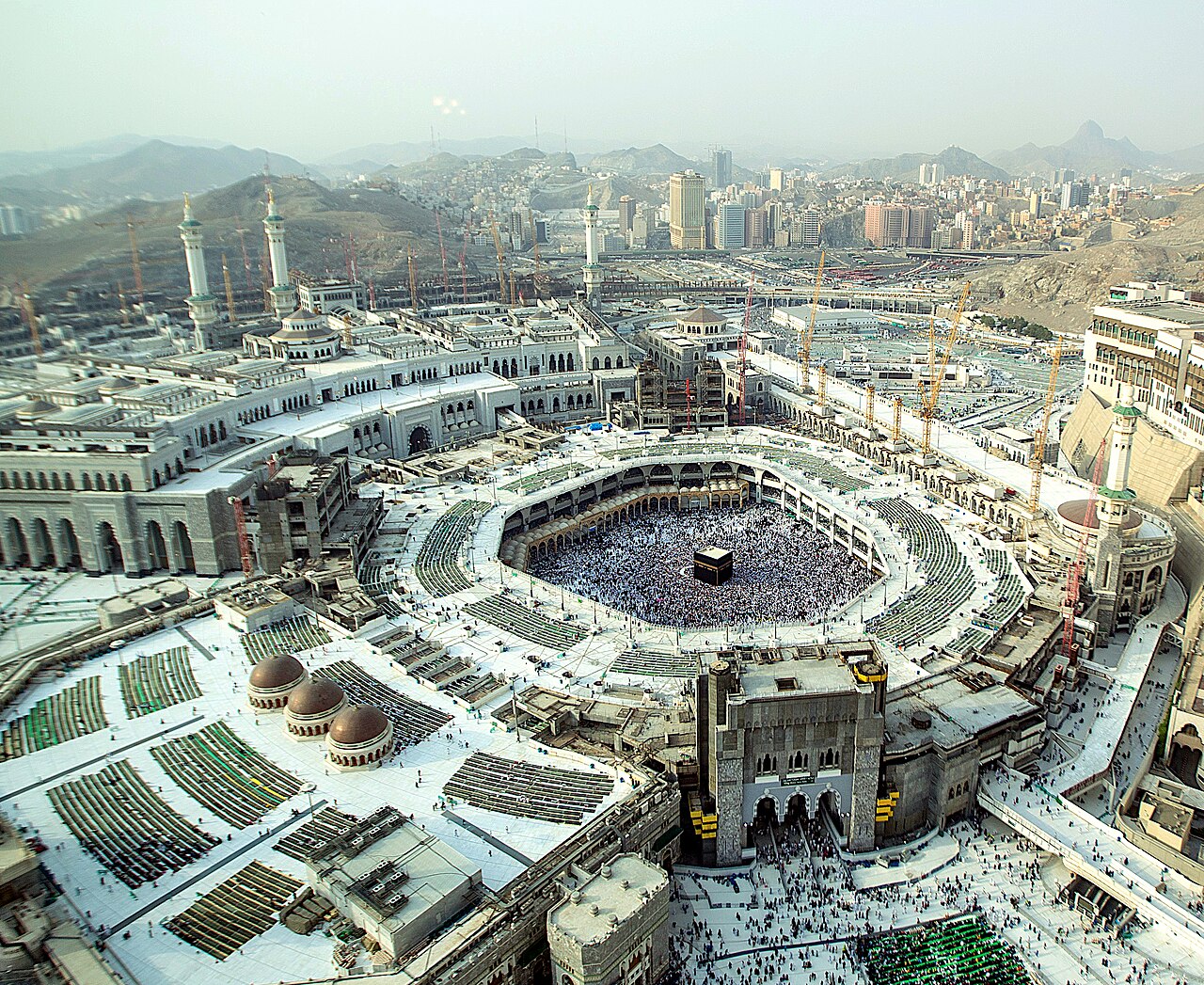
The central feature is the revered stone with footprint impressions, enclosed within a protective glass and metal structure shaped like a small shrine or station. The enclosure allows visibility while safeguarding the ancient stone. The surrounding area forms part of the expansive Grand Mosque floor, with marble surfaces and the vast prayer hall extending in all directions. The immediate vicinity becomes densely crowded during peak worship periods, with pilgrims circulating around the Kaaba and passing near or stopping at this station as part of their religious observance.
Checked 2026-08-26
Individual visits to the Station of Abraham itself are typically brief, as most pilgrims pause momentarily for prayer or contemplation before continuing their Tawaf circuit around the Kaaba. The complete ritual of circumambulation generally takes between twenty minutes to over an hour depending on crowd density. During Hajj and Ramadan, congestion can extend all activities substantially. Many visitors incorporate this stop within their broader Grand Mosque visit, which may span several hours for complete prayers and reflection throughout the sacred precinct. Station of Abraham also earns time in a mecca itinerary because Unique exact local or English production name match within the declared city scope. Its value becomes clearer when the stop is compared with the surrounding streets and the other ranked places nearby.
Checked 2026-08-26
The Grand Mosque operates continuously throughout the year, permitting access for prayer and pilgrimage at all hours. Crowd patterns vary dramatically: Ramadan evenings and Hajj periods bring maximum congestion. Relatively quieter periods occur between dawn and mid-morning outside major religious seasons. Climate considerations matter, as Mecca experiences extreme summer heat exceeding forty degrees Celsius, making cooler months generally more comfortable for extended mosque visits despite consistent indoor climate control. Check the operator's own site for the travel date before relying on a schedule or fare.
Checked 2026-08-26
Access to the Grand Mosque and the Station of Abraham is free of charge for all Muslim visitors. No admission fee is required for entry to the mosque complex or for performing religious rituals. Non-Muslims are not permitted entry to Mecca or the Grand Mosque under Saudi regulations. Pilgrims undertaking Hajj or Umrah must obtain appropriate visas and may incur costs for these administrative processes through official channels. Check the operator's own site for the travel date before relying on a schedule or fare.
Checked 2026-08-26
The Station of Abraham lies within the Grand Mosque in central Mecca. Most visitors arrive on foot from surrounding accommodations, as numerous hotels cluster near the mosque. The nearest significant transportation hub is the Haramain High Speed Railway station connecting Mecca with Medina and Jeddah. King Abdulaziz International Airport in Jeddah serves as the primary air gateway, approximately seventy kilometers west. Taxis and private vehicles navigate Mecca's road network, though pedestrian access dominates the immediate mosque vicinity due to dense development and religious foot traffic patterns.
Checked 2026-08-26
Extreme crowding presents the primary challenge, with dense human flows surrounding the Station of Abraham during Tawaf that can overwhelm unprepared visitors. Physical contact with the stone itself is generally impractical and discouraged due to congestion and preservation concerns. Pilgrims should maintain awareness of personal belongings and stay with companions. The marble floors become slippery. Summer heat outside demands hydration. Religious decorum requires modest dress and respectful behavior. Those with mobility limitations should note that wheelchair accessibility exists but navigating through dense moving crowds remains inherently difficult regardless of accommodations.
Checked 2026-08-26
Photography policies within the Grand Mosque are restrictive and subject to religious authority enforcement. Visitors should exercise extreme caution and observe prevailing regulations without assumption of permission. The Saudi religious authorities governing the mosque may prohibit or limit image capture, particularly of worshippers and sacred objects. Discreet observation of others' behavior provides guidance. Using cameras or phones near the Station of Abraham could attract intervention from mosque staff or security. Respectful verbal permission is impractical in dense crowds. When uncertain, refraining entirely represents the safest approach to avoid unintended offense or official difficulty.
Checked 2026-08-26
No. Non-Muslims are prohibited from entering Mecca and the Grand Mosque under Saudi Arabian law. The restriction applies to the entire city and all sites within it.
Direct physical contact is generally impractical due to protective enclosure and extreme crowding during Tawaf. Most pilgrims view the stone from nearby while continuing their circumambulation.
No separate ticket is needed. Access is included within free entry to the Grand Mosque, though appropriate pilgrimage visas are required for foreign Muslim visitors.
Modest Islamic dress is mandatory. Men wear simple unsewn white garments for pilgrimage states; women must cover fully with loose clothing. General mosque visits require conservative attire covering awrah.
The primary challenge is navigating dense crowds while walking. The Tawaf circuit itself requires sustained walking. Those with mobility concerns should seek designated assistance channels through mosque services.
Pilgrims performing Tawaf may pause to pray two rakahs near Maqam Ibrahim if possible, following the Quranic reference, though practical execution depends on crowd conditions and available space.
Loading the interactive map…
The interactive map could not be loaded.
Last updated:
Source: OpenStreetMap contributors, Wikidata ·