10 min walk
Plain of Arafat
- Must see
- Place of worship
Language · 11 published
Historic monument · Mecca
جبل الرحمة
Reviewed by Elena Voss · Roavina Travel Editor
Read from the OpenStreetMap access tags; anything not listed has no tag recorded.
Set the group type to family in the planner and the day window contracts to about three quarters of a solo day.
This place is a Peak.
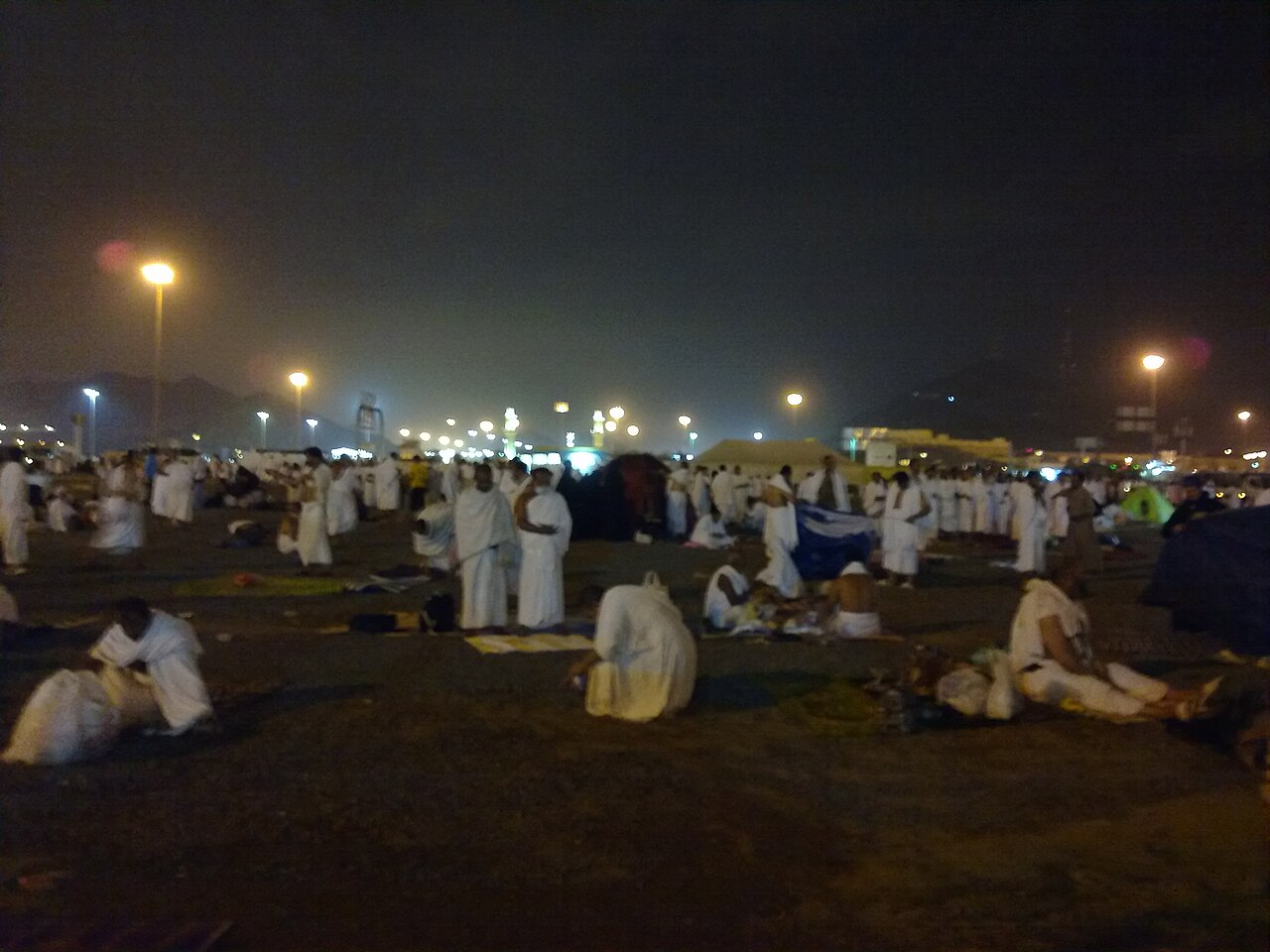
Mount Arafat, known locally as Jabal al-Rahmah or the Mountain of Mercy, is a granite hill approximately east of central Mecca in Saudi Arabia. It holds supreme significance in Islam as the site where the Prophet Muhammad delivered his Farewell Sermon during his final pilgrimage. The mountain and surrounding plain constitute the central location for the Hajj pilgrimage's most essential ritual, Wuquf, where pilgrims gather for prayer and supplication from noon until sunset on the ninth day of Dhu al-Hijjah.
Checked 2026-08-26
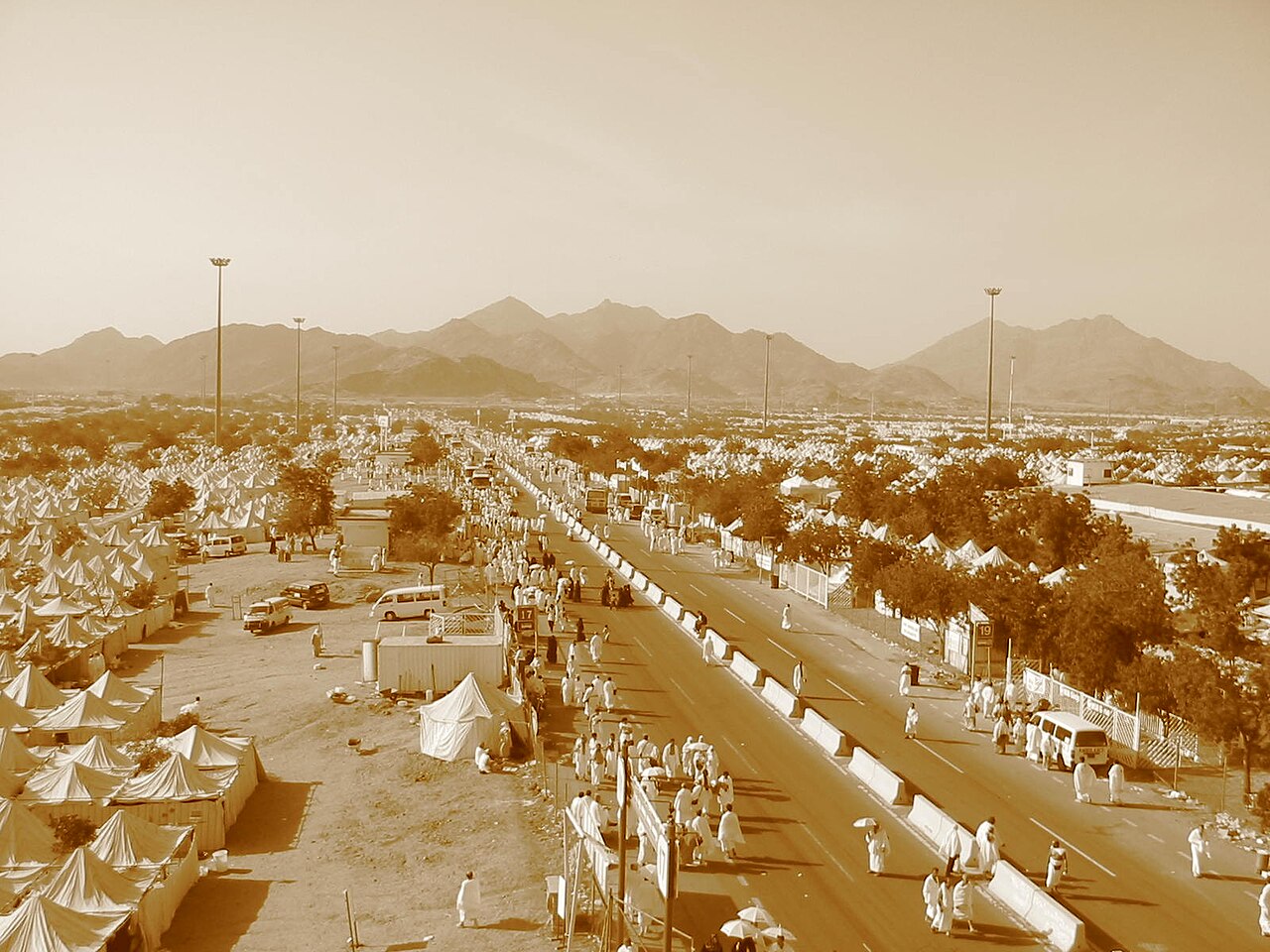
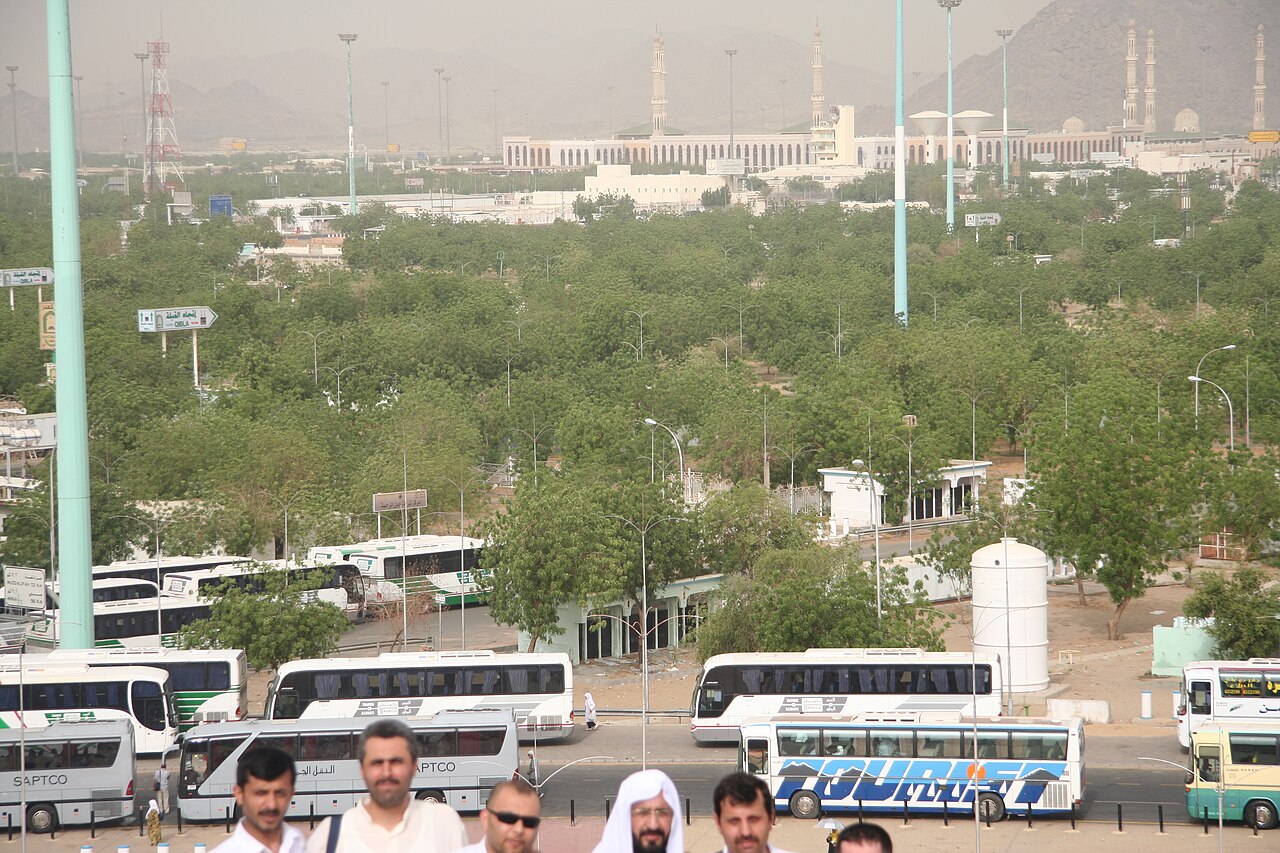
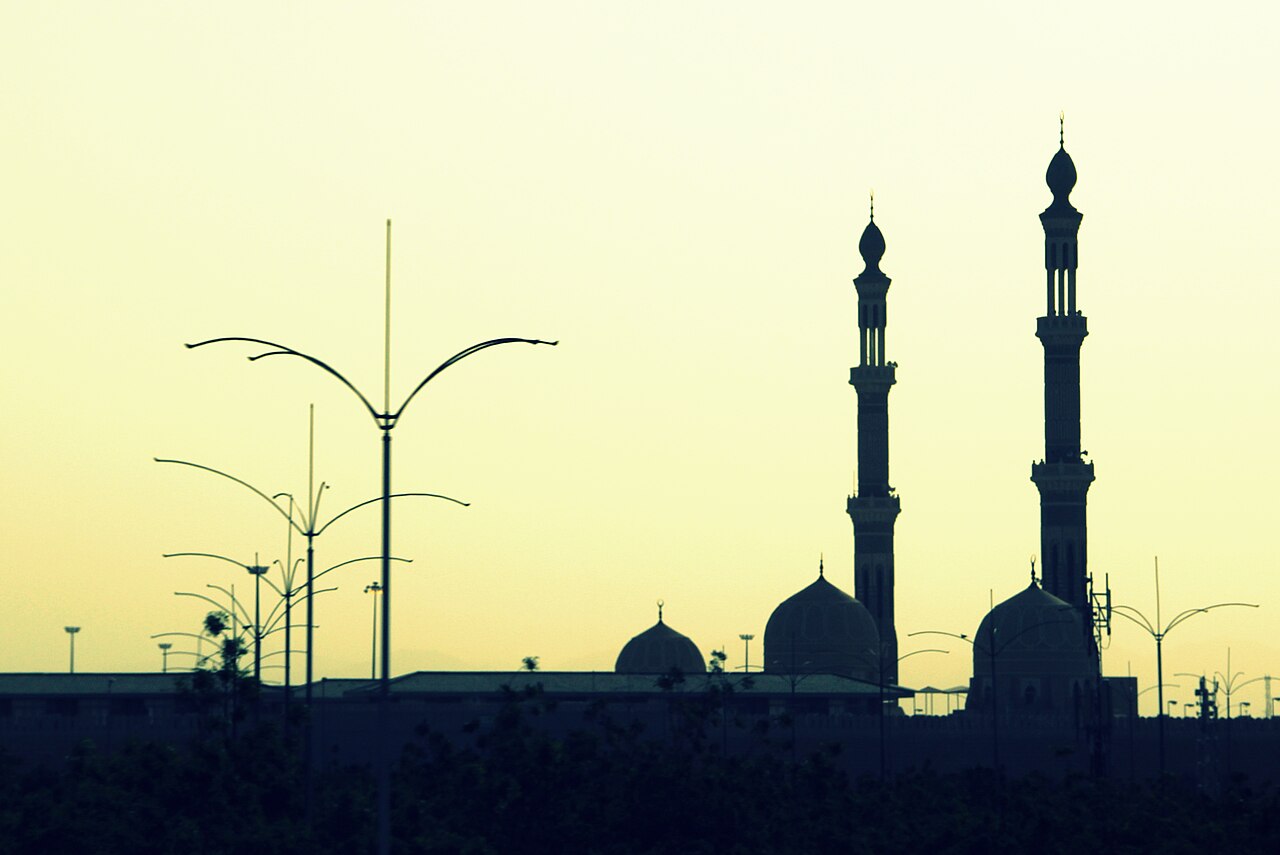
The site features a small white pillar at the summit marking the traditional location of the Prophet's sermon, though no permanent structures occupy the mountain itself. The surrounding plain transforms annually into an immense temporary settlement of tents accommodating millions of pilgrims. Basic infrastructure including sanitation facilities, medical stations, and water distribution points are installed seasonally. No permanent mosques or buildings stand on the mountain proper; the Namira Mosque lies at the plain's edge where the noon and afternoon prayers are combined during Hajj.
Checked 2026-08-26
Individual visits to the mountain summit require approximately thirty to sixty minutes of moderate climbing on rocky terrain. The essential religious observance of Wuquf demands continuous presence in the Arafat area from midday prayer until sunset, spanning roughly six to seven hours. Pilgrims typically arrive earlier to secure positions and remain for the entire duration. Non-pilgrim visitors may explore the site more briefly, though access restrictions apply during the Hajj season when the area serves exclusively designated pilgrims. Mount Arafat also earns time in a mecca itinerary because Unique exact local or English production name match within the declared city scope. Its value becomes clearer when the stop is compared with the surrounding streets and the other ranked places nearby.
Checked 2026-08-26
The mountain holds significance exclusively during the Islamic lunar calendar, particularly the ninth day of Dhu al-Hijjah for Hajj participants. For non-pilgrim visitors, access outside Hajj periods may be possible but requires appropriate permissions and adherence to Saudi regulations governing entry to holy sites. Weather conditions in the Mecca region feature extreme summer heat exceeding forty degrees Celsius, making physical exertion potentially hazardous without adequate hydration and sun protection regardless of season. Check the operator's own site for the travel date before relying on a schedule or fare.
Checked 2026-08-26
Access to Mount Arafat during Hajj is governed entirely by the Saudi Ministry of Hajj and Umrah through the official pilgrimage permit system; no independent ticketing mechanism exists for this religious obligation. Non-pilgrim visitation falls under separate regulatory frameworks requiring appropriate documentation and authorization. Commercial tour operators may offer packages including transport to viewing points, though these do not constitute entry to the ritual site itself. Visitors should consult official Saudi channels for current requirements.
Checked 2026-08-26
The mountain lies approximately twenty kilometers east of Mecca's Grand Mosque, accessible via modern highway infrastructure constructed to accommodate massive pilgrimage traffic. During Hajj, organized transport operates under strict government coordination with designated routes for foot, bus, and vehicle movement. Outside pilgrimage periods, private vehicles or arranged transport may reach the area, though checkpoint controls restrict access. The Mecca Metro's Mashair line serves the Arafat plain during Hajj exclusively. Journey duration varies dramatically with congestion, from thirty minutes to several hours during peak pilgrimage movement.
Checked 2026-08-26
Extreme heat presents the primary hazard, with dehydration and heat exhaustion affecting numerous visitors annually; continuous water consumption and shade-seeking behavior are essential. The rocky, uneven terrain requires sturdy footwear and careful footing to prevent falls. During Hajj, the density of millions of pilgrims creates crush risks requiring situational awareness and patience with crowd dynamics. No medical facilities operate permanently on-site; emergency services deploy seasonally. Visitors should carry identification and emergency contact information. Political sensitivities surrounding the site demand respectful conduct and appropriate dress covering limbs regardless of gender.
Checked 2026-08-26
Photography of the mountain and plain is technically feasible from surrounding areas, though restrictions apply during active religious observances when pilgrims' privacy and devotion warrant protection. The white pillar at the summit represents a frequently photographed landmark. Drone operation is prohibited without explicit government authorization given security considerations and airspace management during Hajj. Visitors should exercise discretion, avoiding intrusive documentation of individuals in prayer or emotionally vulnerable states. Saudi authorities may enforce temporary photography bans without notice. Equipment should be secured against dust, heat, and crowd contact damage.
Checked 2026-08-26
Saudi regulations restrict entry to Mecca and its holy sites including Arafat to Muslims only. Non-Muslims are prohibited from entering the city boundaries and cannot access the mountain or surrounding plain.
No, the essential ritual of Wuquf requires presence anywhere within the boundaries of Arafat, not specifically on the mountain summit. Most pilgrims remain in the plain area.
Essential items include water, sun protection, basic sustenance, prayer materials, and any required medications. Operators typically provide tent accommodations and basic services for organized groups.
No permanent hotels or buildings exist on the plain. All pilgrim housing consists of temporary tent installations erected annually and removed after Hajj concludes.
Following sunset on the ninth of Dhu al-Hijjah, pilgrims depart for Muzdalifah to spend the night and collect pebbles for the subsequent stoning ritual at Mina.
The pillar marks the traditional site associated with the Farewell Sermon, though the exact historical location cannot be definitively established. The marker serves symbolic and devotional purposes for visitors.
Loading the interactive map…
The interactive map could not be loaded.
Last updated:
Source: OpenStreetMap contributors, Wikidata ·
.jpg)