9 min walk
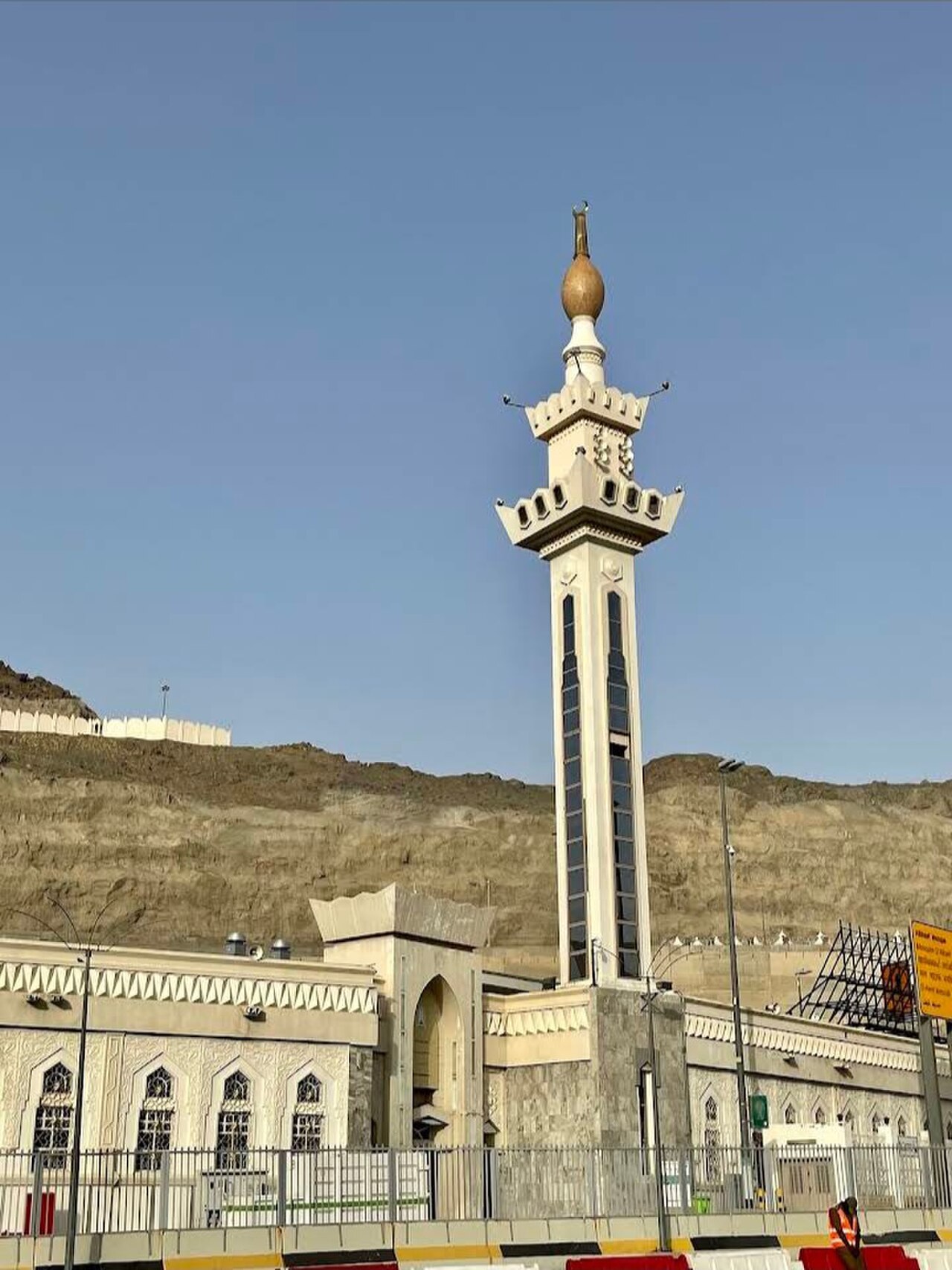
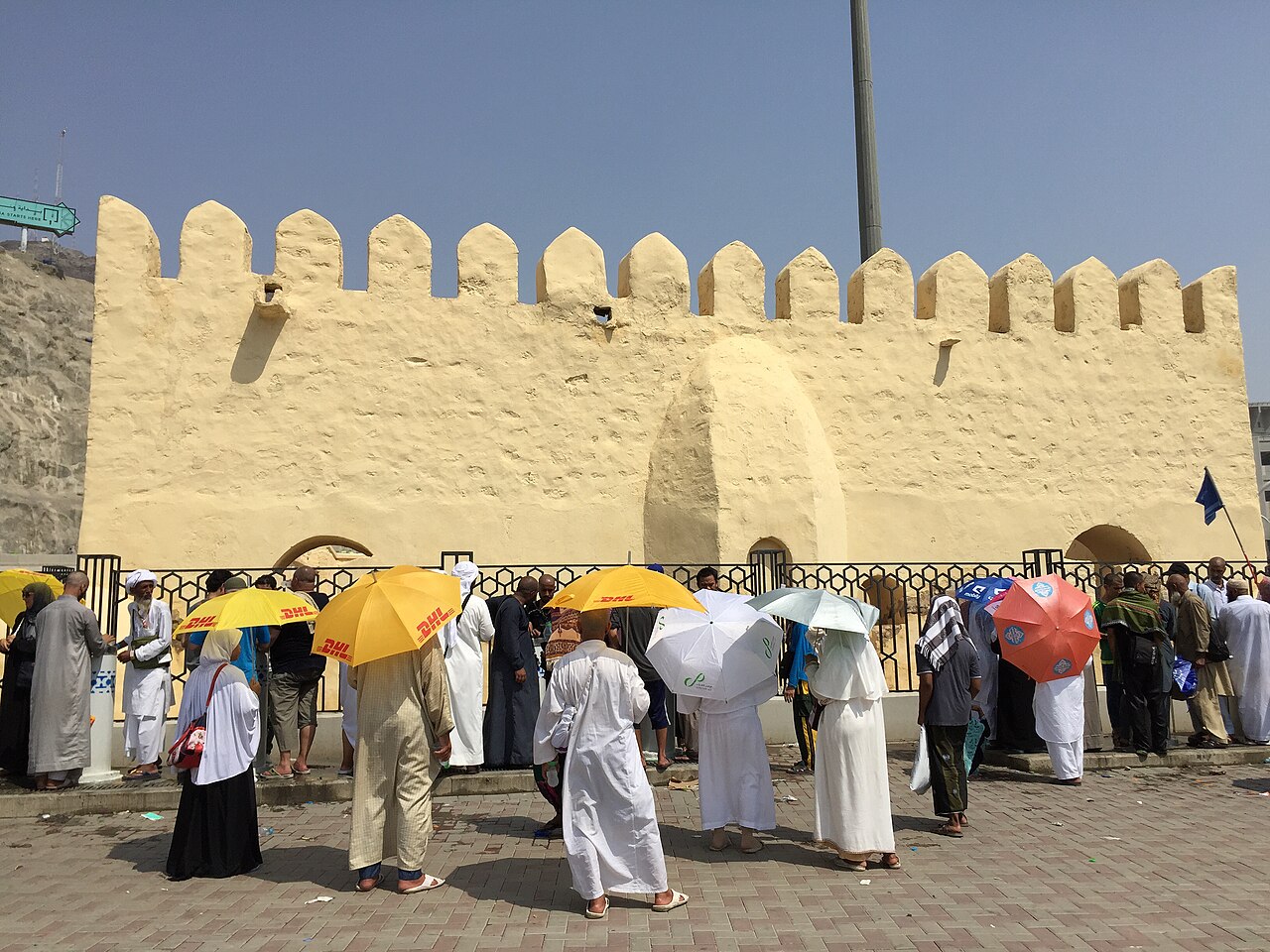
Bay'ah Mosque
- Must see
- Historic monument

Historic monument · Mecca
جسر الجمرات
| Per person | Free entry |
|---|
Checked 2026-08-31 · Source
Read from the OpenStreetMap access tags; anything not listed has no tag recorded.
Set the group type to family in the planner and the day window contracts to about three quarters of a solo day.
Jamaraat Bridge is a pedestrian bridge in Mina, near Mecca, constructed for the Islamic ritual of stoning the devil during Hajj. The structure allows pilgrims to throw pebbles at three stone pillars representing Satan. It was expanded significantly to improve safety after fatal crowd incidents in previous decades. The current multi-level design accommodates millions of worshippers during peak pilgrimage periods. The bridge serves exclusively religious purposes and operates only during Hajj season. Its engineering addresses one of the most challenging crowd management scenarios in global religious practice.
Checked 2026-08-26
The bridge contains three jamaraat pillars positioned for ritual stoning. Multiple levels permit simultaneous circulation and reduce congestion. Ramps, staircases, and designated entry and exit points organize pilgrim flow. The structure includes emergency access routes and medical stations. Signage in multiple languages directs visitors. The surrounding Mina area provides temporary tent accommodations for pilgrims. No commercial facilities exist within the bridge itself. The design prioritizes movement efficiency over comfort, with exposed construction suited to brief ritual use rather than extended visitation.
Checked 2026-08-26
The stoning ritual typically requires one to three hours depending on crowd density. Pilgrims may perform this rite across multiple days of Hajj. The actual throwing of pebbles takes minutes; duration is determined by queuing and circulation constraints. During peak periods, particularly after midday prayers, waiting times extend considerably. Many pilgrims complete the ritual during less congested early morning or late evening hours. The overall Hajj pilgrimage spans several days, with repeated visits to Jamaraat required. Individual timing varies by physical ability and chosen schedule.
Checked 2026-08-26
Jamaraat Bridge operates exclusively during the annual Hajj pilgrimage, which occurs in the twelfth month of the Islamic lunar calendar. Dates shift approximately eleven days earlier each Gregorian year. The ritual stoning occurs on specific days: the day of Eid and the following three days. Pilgrims must coordinate timing with their Hajj group leaders. The structure remains closed and inaccessible outside Hajj season. Prospective visitors should consult Saudi Hajj authorities for current scheduling. Jamaraat Bridge also earns time in a mecca itinerary because Unique exact local or English production name match within the declared city scope. Its value becomes clearer when the stop is compared with the surrounding streets and the other ranked places nearby. Check the operator's own site for the travel date before relying on a schedule or fare.
Checked 2026-08-26
Access to Jamaraat Bridge requires valid Hajj authorization through official channels. No direct ticket purchase exists for the bridge itself. Hajj participation involves comprehensive packages arranged through approved travel operators or national quotas. Prices vary by origin country, accommodation tier, and service level. Saudi authorities regulate all Hajj logistics. Unauthorized entry to the Hajj zone, including Mina, is prohibited. Prospective pilgrims must complete registration through official religious affairs ministries or licensed agencies well in advance. Check the operator's own site for the travel date before relying on a schedule or fare.
Checked 2026-08-26
Jamaraat Bridge lies in Mina, approximately five kilometers east of Mecca's Grand Mosque. During Hajj, pilgrims typically reach Mina via organized transport from Mecca or walk following established routes. The Saudi government operates shuttle services and manages pedestrian corridors. Private vehicles are restricted during peak pilgrimage periods. Pilgrims reside in Mina's tent city, making the bridge accessible on foot. Metro and bus systems serve the broader region. Access requires valid Hajj permits and wristbands. Non-pilgrims cannot enter the restricted zone during Hajj season.
Checked 2026-08-26
Extreme crowd density presents the primary hazard, with historical incidents of fatal stampedes. Pilgrims should follow official guidance and group leaders. Heat exhaustion and dehydration are significant risks; adequate water consumption is essential. The ritual involves throwing pebbles, not rocks, to reduce injury risk. Personal belongings require secure storage. Medical stations exist but may be distant during peak congestion. Elderly or infirm pilgrims may request assistance provisions. Unofficial guides should be avoided. Compliance with Saudi security personnel directions is mandatory. Emergency evacuation routes should be noted upon arrival.
Checked 2026-08-26
Photography regulations within the Hajj zone are restrictive. pilgrims should prioritize ritual observance over image capture. Saudi authorities enforce guidelines limiting distraction during religious rites. Specific photography permissions at Jamaraat Bridge are Not recorded pending review. Drone usage is prohibited. Respectful conduct toward fellow pilgrims is paramount. Commercial photography requires authorization. Mobile phone use may impede movement in dense crowds. Visitors should consult their Hajj operator or on-site officials for current policy. Discretion is advised given the sacred context and safety priorities.
Checked 2026-08-26
No. The entire Hajj zone, including Mina and Jamaraat Bridge, is restricted to Muslims holding valid Hajj permits. Non-Muslims are prohibited from entering Mecca's sacred boundaries.
No. The bridge operates only during the annual Hajj pilgrimage days. It remains closed and inaccessible for the remainder of the year.
Pilgrims throw seven pebbles at each of the three pillars, totaling twenty-one pebbles per ritual session, though specific counts may vary by day of Hajj.
Pilgrims should carry water, valid identification, and the prescribed pebbles collected from Muzdalifah. Minimal belongings are advised due to crowd conditions.
Not recorded. The structure prioritizes standing circulation space for millions of pilgrims. Rest facilities may exist in surrounding Mina areas.
Yes. The bridge underwent major expansions and redesigns, notably after 2006, to improve safety and capacity following previous crowd incidents.
Loading the interactive map…
The interactive map could not be loaded.
Last updated:
Source: OpenStreetMap contributors, Wikidata ·