
01
45 min
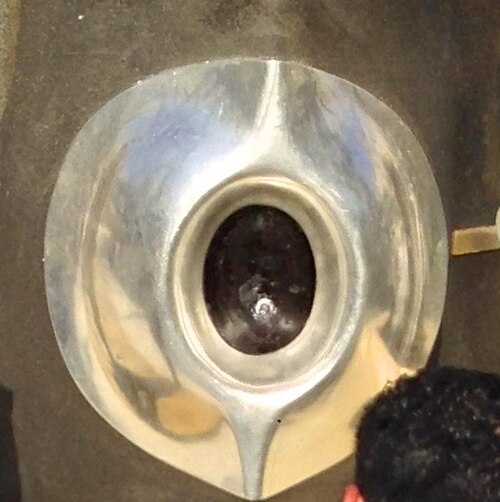
Black Stone
الحجر الأسود
The Black Stone is an ancient stone set into the eastern outer corner of the Kaaba in the Grand Mosque of Mecca, Islam's holiest site.
- Must see
- Historic site
City guide · Saudi Arabia
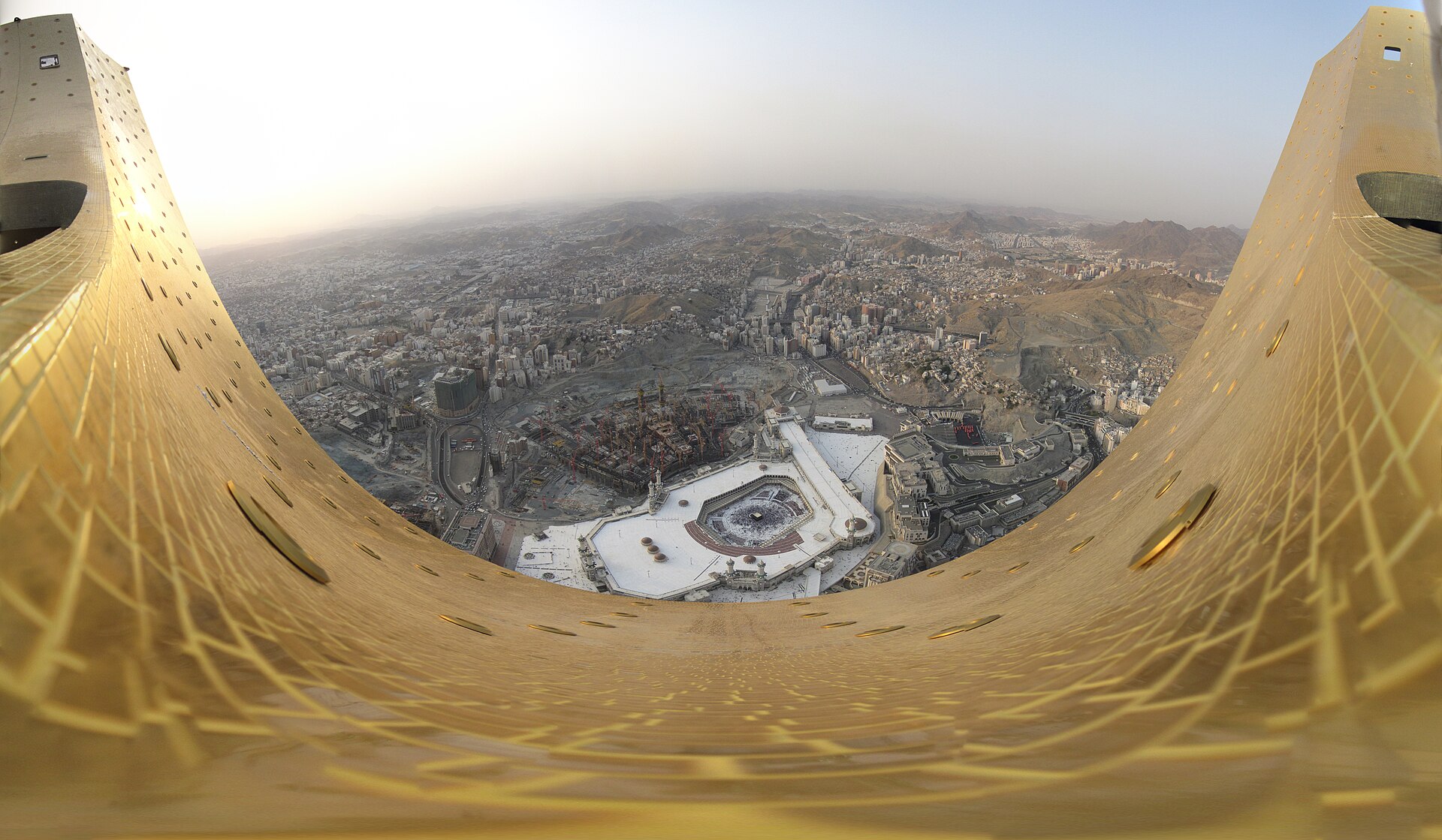
Mecca is Islam's holiest city, centred on the Masjid al-Haram and the Kaaba in a mountain valley in western Saudi Arabia. The central city is shaped by pilgrima...
Photograph · Wurzelgnohm · CC0
Set your days, your pace and the hours you actually want to be out. The planner works around closing days and travel time, and leaves room to eat.
Editorial responsibility: Elena Voss · Roavina Travel Editor
Mecca is Islam's holiest city, centred on the Masjid al-Haram and the Kaaba in a mountain valley in western Saudi Arabia. The central city is shaped by pilgrimage: dense accommodation and services surround the Grand Mosque, while Mina, Muzdalifah and Arafat form a separate chain of sacred sites used during Hajj. Planning differs fundamentally from ordinary sightseeing because access, crowd controls and transport arrangements depend on religious status, pilgrimage permits and season. Verify current Saudi requirements before travel rather than relying on a general city itinerary.
Checked 2026-08-26
November · November drops to a 35.3°C mean high in Makkah, still hot but below the six-month 40°C-plus peak.
Ranked by importance — sitelinks, pageviews and heritage status, not editor preference.
9 places match
Category
Typical visit duration
Good for
Interests
الحجر الأسود
The Black Stone is an ancient stone set into the eastern outer corner of the Kaaba in the Grand Mosque of Mecca, Islam's holiest site.

مقام إبراهيم
The Station of Abraham, known locally as Maqam Ibrahim, is a significant Islamic religious site in Mecca, Saudi Arabia.
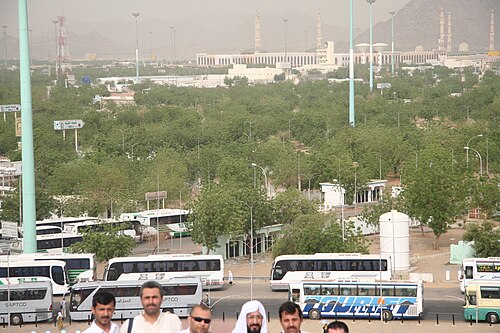
جبل الرحمة
Mount Arafat, known locally as Jabal al-Rahmah or the Mountain of Mercy, is a granite hill approximately east of central Mecca in Saudi Arabia.

جسر الجمرات
Jamaraat Bridge is a pedestrian bridge in Mina, near Mecca, constructed for the Islamic ritual of stoning the devil during Hajj. The structure allows pilgrims to throw pebbles at three stone pillars representing Satan.
عين زبيدة
Ain Zubaida is a historic water source in Mecca associated with the infrastructure that supported pilgrims.
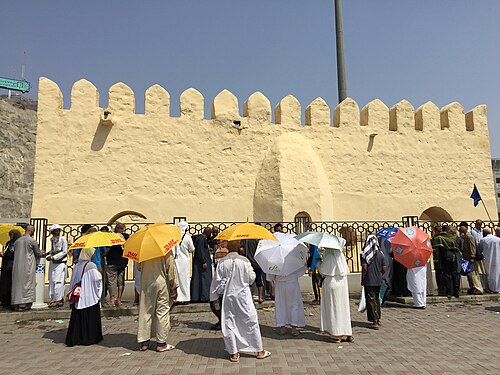
مسجد البيعة
Bay'ah Mosque is a place of worship in Mecca, Saudi Arabia, known in Arabic as Masjid al-Bay'ah. Its name refers to the bay'ah, or pledge of allegiance, and the mosque is associated with an important early Islamic setting.
الجمرة الكبرى
Al-Jamrah al-Kubra, known as the Great Jamrah, is the largest of the three stone pillars at Mina, near Mecca, Saudi Arabia. It forms part of the Hajj pilgrimage ritual of Rami al-Jamarat, where pilgrims throw pebbles at the pillars.
الجمرة الوسطى
Al-Jamrah al-Wusta, the Middle Pillar, stands among the three jamarat in Mina near Mecca where pilgrims perform the ritual stoning during Hajj.
الجمرة الصغرى
Al-Jamrah al-Sughra, the Small Jamrah, is one of the three stone pillars at Mina that pilgrims strike with pebbles during the Stoning of the Devil ritual in Hajj.
The Grand Mosque is the fixed centre of Mecca's visitor geography. Surrounding towers, hotels and commercial streets form the dense central zone, while neighbourhoods extend through valleys between steep hills. The Haramain railway station is in Al-Rusifah outside the immediate mosque precinct. Mina, Muzdalifah and Arafat lie east and southeast in sequence and are not ordinary extensions of a central walking route; their transport role changes during Hajj. Build every plan around authorised access and the current movement rules issued for the relevant pilgrimage period.
Checked 2026-08-26
Use the official Makkah transport information for the current pilgrimage period. Makkah Buses serve the city, the Haramain high-speed railway connects the station at Al-Rusifah with Jeddah, the airport rail station and Madinah, and taxis cover journeys not convenient by bus. The Al Mashaaer Al Mugaddassah line serves Mina, Arafat and Muzdalifah seasonally during Hajj rather than as an ordinary year-round metro. Crowd controls and road access can change, so confirm routes close to travel and follow official instructions on the ground.
Checked 2026-08-26
Suggested stay for a first visit: 3–5 days. This is an editorial allowance for a first visit around the Haram and selected city-history sites, with time to rest. It does not prescribe the timing of Hajj or Umrah; follow the applicable permit and pilgrimage programme.
Confirm the current Saudi visa, permit and access requirements through official channels before booking. Requirements vary by nationality, travel purpose and pilgrimage period, and should not be inferred from a general guide.
The Masjid al-Haram and the Kaaba form the fixed centre. Hotels, services and dense streets surround the mosque, while the Hajj sites lie separately to the east and southeast.
No. The official Makkah guide describes the Al Mashaaer Al Mugaddassah line as a seasonal Hajj service connecting Mina, Arafat and Muzdalifah.
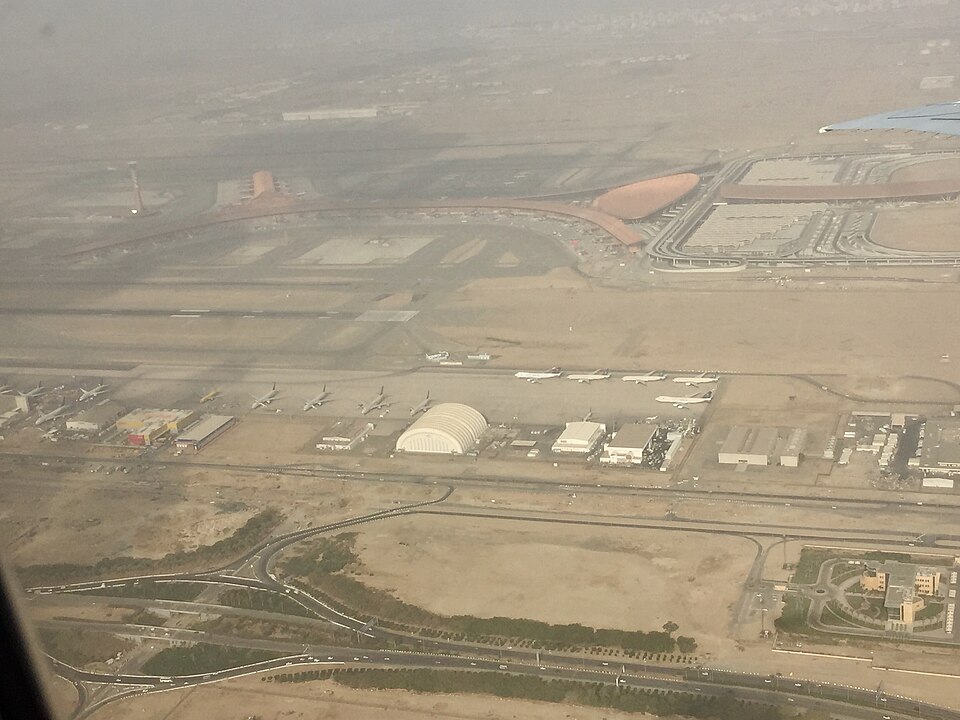
The Haramain high-speed railway connects Mecca with Jeddah, the airport rail station and Madinah. Check the railway operator for current bookings and service details.
Follow official Saudi guidance on modest dress, public conduct and photography. Rules and expectations may be stricter around religious sites and during prayer or pilgrimage periods, so confirm current instructions before travel.

