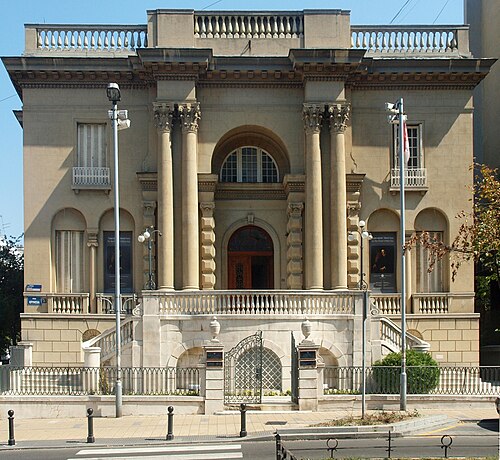
Nikola Tesla Museum
Музеј Николе Тесле
Nikola Tesla Museum is a memorial and science museum at Krunska 51 in Belgrade’s Vračar district, occupying a villa where Tesla’s archive and personal legacy are preserved.
- Must see
- Museum
- Belgrade
Country guide
Serbia is landlocked, 88,499 square kilometres, about 6.5 million people, and its rivers explain it better than its borders do. Belgrade stands where the Sava m...
Photograph · Damir Simovic · CC BY-SA 4.0
Reviewed by Elena Voss · Roavina Travel Editor
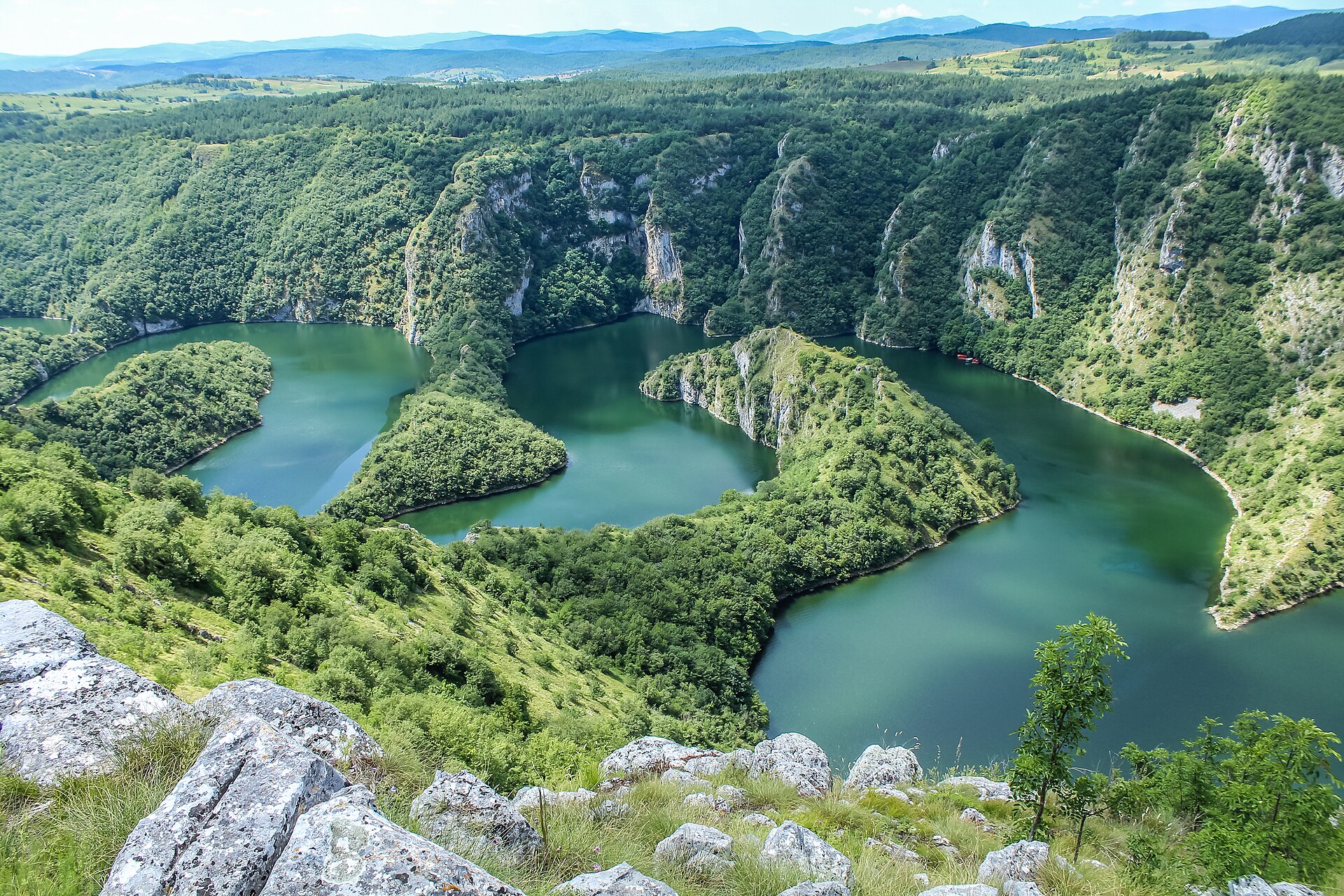
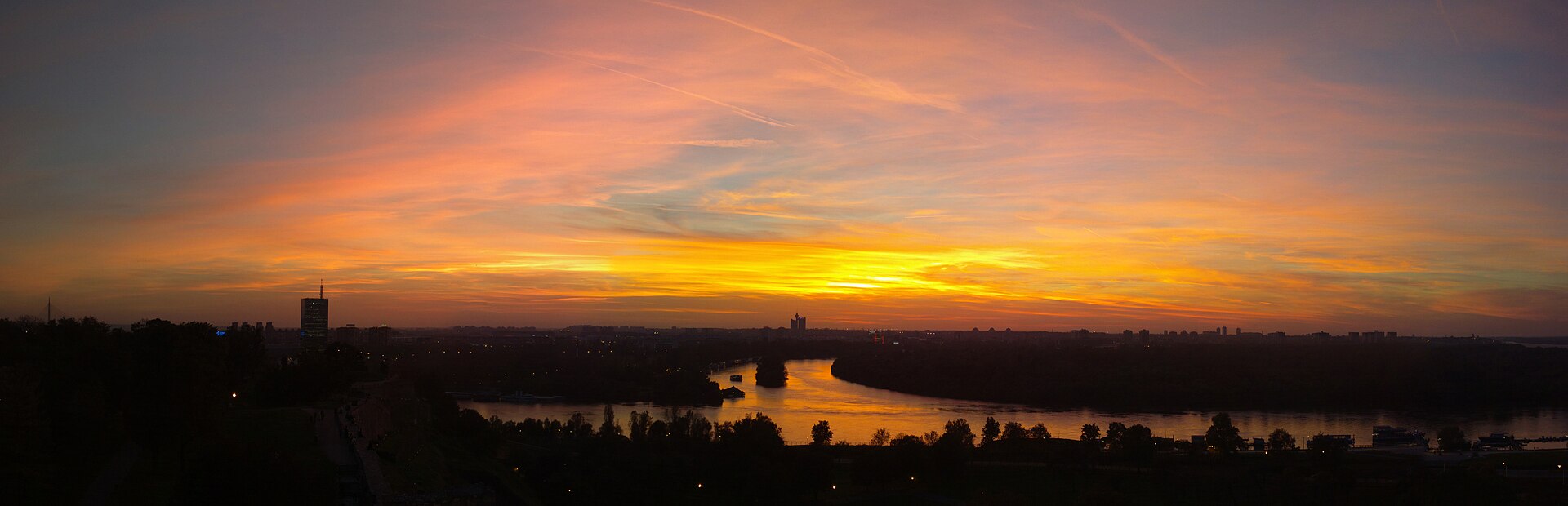
Serbia is landlocked, 88,499 square kilometres, about 6.5 million people, and its rivers explain it better than its borders do. Belgrade stands where the Sava meets the Danube, and the fortress, the old town and the river traffic all gather at that junction. North of the capital, Vojvodina is flat farmland with Novi Sad and its own fortress on the Danube; south of it the land climbs into hills, monasteries and spa towns that see far fewer foreign visitors. The country is crossed in a few hours, so Serbia is usually visited as Belgrade plus one more thing.
Checked 2026-08-25
Every city catalogued in this country so far, ranked by how much there is to see.
Photograph · Vladimir Nolic · CC BY-SA 4.0
Seasonal closures come from recorded opening hours.
Ranked by importance — sitelinks, pageviews and heritage status, not editor preference.
17 places match
Category
Typical visit duration
Музеј Николе Тесле
Nikola Tesla Museum is a memorial and science museum at Krunska 51 in Belgrade’s Vračar district, occupying a villa where Tesla’s archive and personal legacy are preserved.
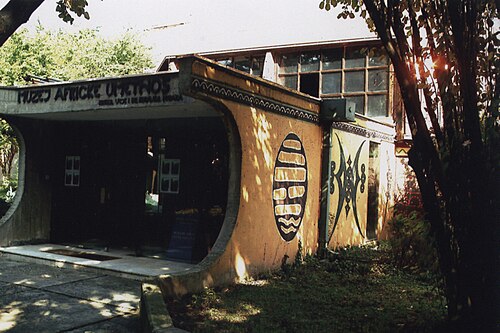
Музеј афричке уметности
The Museum of African Art occupies a villa at Andre Nikolića 14 in Senjak, on Topčider Hill, and is devoted entirely to African cultures and arts.
Конак кнегиње Љубице
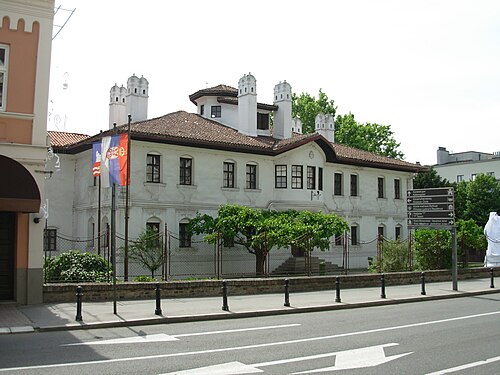
Princess Ljubica’s Residence is an 1830 house commissioned as a representative court for the Obrenović dynasty. Hadži Nikola Živković, Prince Miloš Obrenović’s official builder, designed and supervised its construction.
Народно позориште у Београду
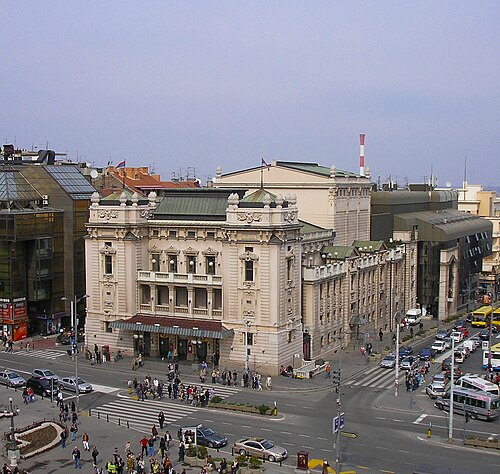
The National Theatre opened on Republic Square in 1868, modelled by the architect Aleksandar Bugarski on Milan's La Scala and Moscow's Bolshoi rather than on a local precedent, at a time when Serbia was asserting itself as a modern European…
Музеј Вука и Доситеја
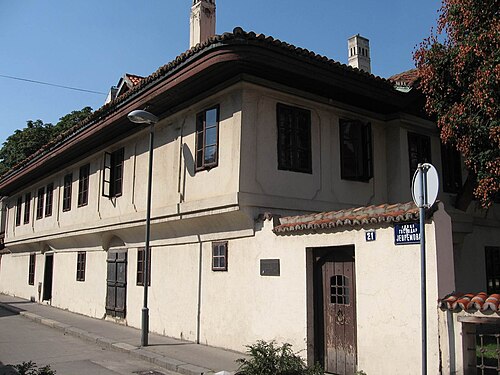
The Museum of Vuk and Dositej is a single-house museum in the Stari Grad district of Belgrade dedicated to two figures of the Serbian Enlightenment: Dositej Obradović (1742–1811), writer and Serbia's first Minister of Education, and Vuk Stefanović Karadžić (1787–1864)…
Конак кнеза Милоша Обреновића
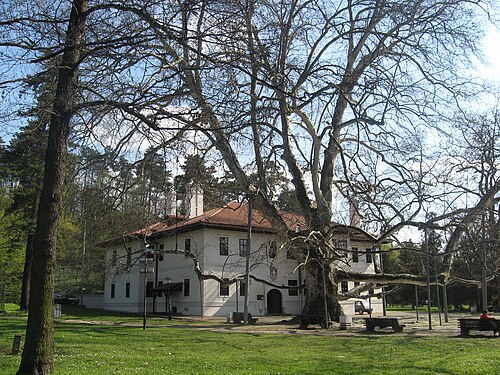
The Residence of Prince Miloš was built between 1830 and 1834 for Miloš Obrenović, the prince who led Serbia's second uprising against Ottoman rule and secured its autonomy, and it is one of the few surviving buildings from that transitional…