


.jpg)


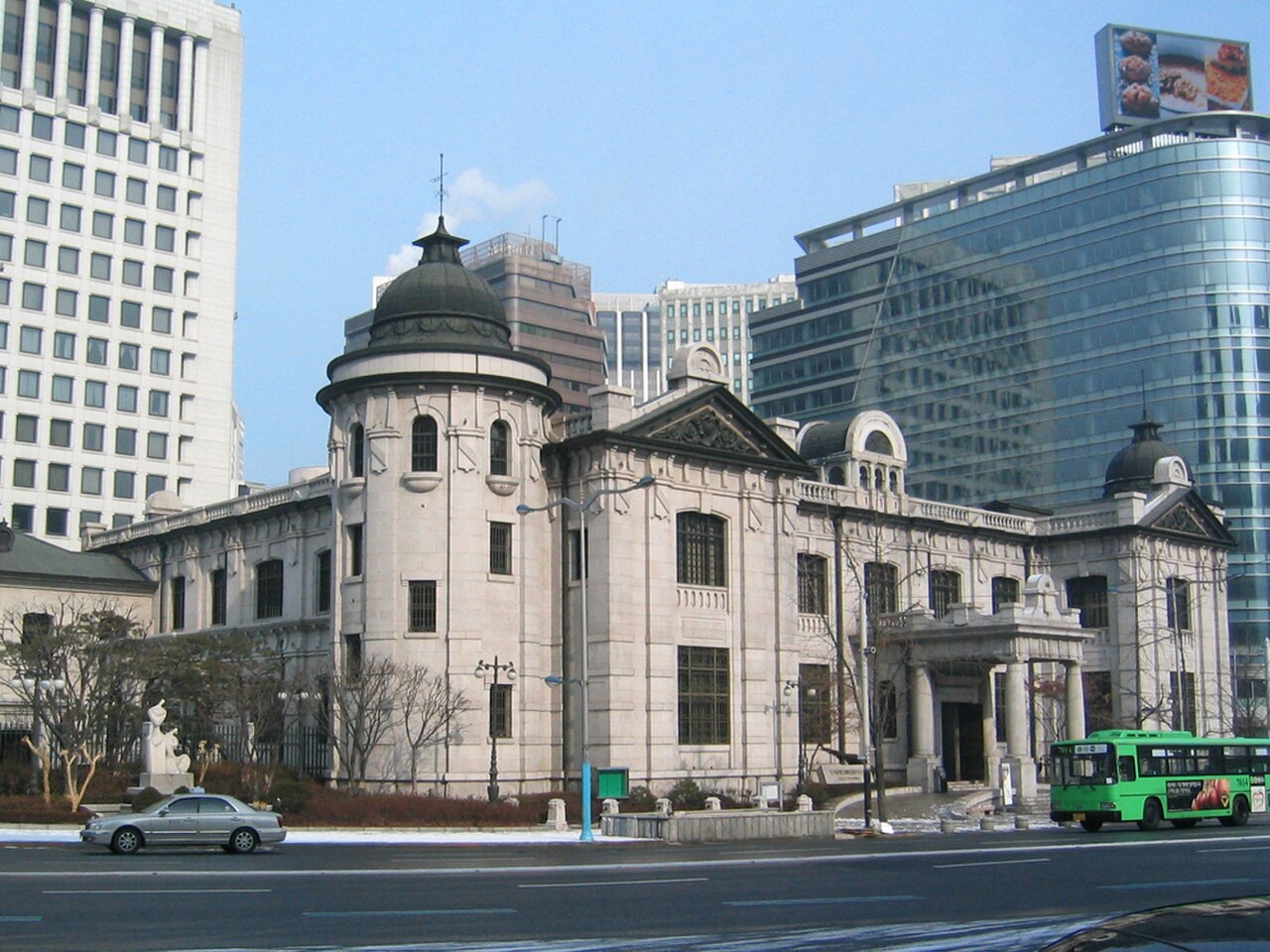
5 min walk
Bank of Korea Museum
- High
- Museum
Language · 11 published
Historic monument · Seoul
환구단
Reviewed by Elena Voss · Roavina Travel Editor
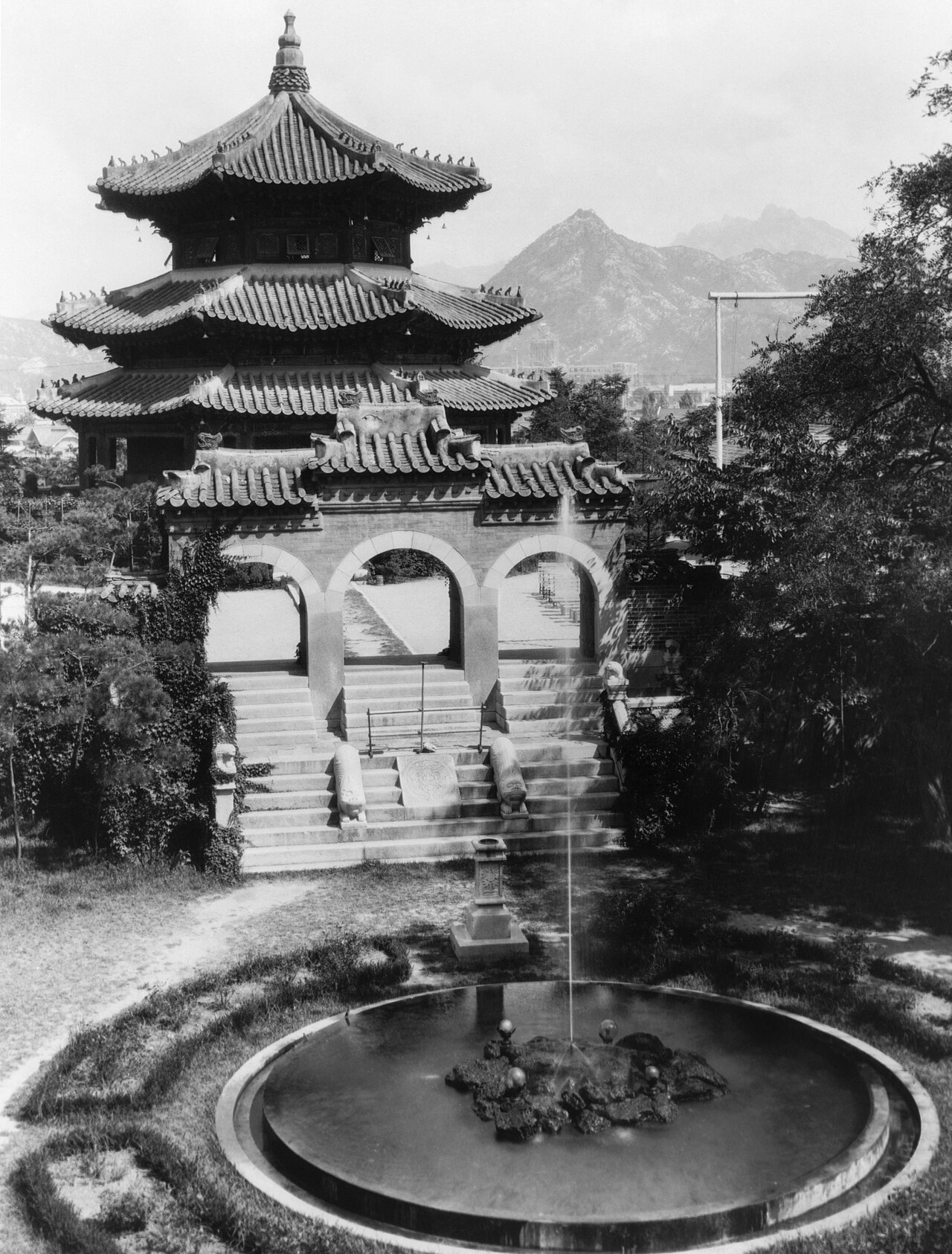
This place is a Attraction. It carries the Historic sites of South Korea heritage designation.
Hwangudan, also called the Altar of Heaven, is a compact historic monument in central Seoul. Its round altar tradition reflects royal rituals dedicated to Heaven, while the surviving complex is closely connected with the Korean Empire period. The site offers a concentrated encounter with Seoul’s ceremonial and imperial history, especially for travellers interested in how older sacred landscapes now sit among dense modern streets and civic buildings. Hwangudan, known locally as 환구단, is a historic altar site located in Seoul, South Korea. The name translates to Altar of Heaven or Round Mound Altar, reflecting its original ceremonial purpose. It was historically used by Korean monarchs for rituals worshipping Heaven, most notably during the Joseon dynasty. The site represents an important layer of Seoul's imperial and religious heritage, though its current form differs from original constructions. Visitors encounter a reconstructed monument complex rather than fully preserved ancient architecture. No. The current structures are reconstructions and later additions, notably including the Hwangungu Shrine from 1897. Original Joseon-era altar elements were destroyed or removed during historical upheavals including Japanese colonial period transformations.
Checked 2026-08-26 · Source
The complex includes stone gateways, ritual platforms, commemorative monuments, and Hwangungu Shrine, built in 1897 during the Korean Empire period. Its scale is modest, so the visit depends less on moving through many rooms and more on examining the arrangement, inscriptions, and ceremonial symbolism. The preserved structures stand within an urban setting, creating a visual conversation between imperial memory, historic Seoul, and the contemporary city around the monument. The Hwangudan complex contains stone altar structures and commemorative monuments that mark the ceremonial function of the site. A prominent feature is the Hwangungu Shrine, built in 1897 during the short-lived Korean Empire period. The compound includes stone gateways, ritual platforms, and inscribed steles documenting its historical significance. The surrounding area has been incorporated into modern urban development, with the preserved elements standing in contrast to contemporary Seoul. The physical remains are relatively compact, requiring visitors to appreciate symbolic and historical value over extensive architectural display.
Checked 2026-08-26 · Source
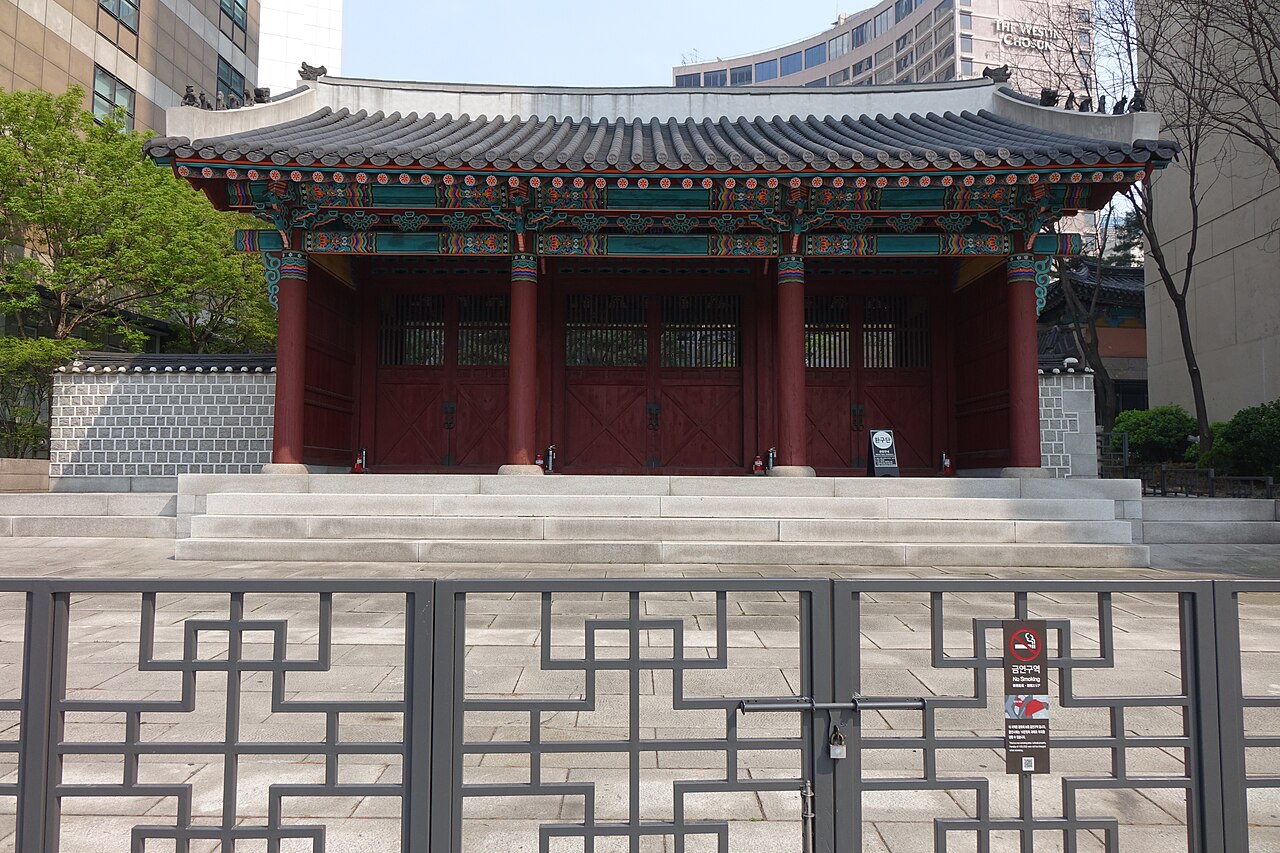
Plan roughly thirty minutes to one hour for Hwangudan. The compact enclosure can be seen without a long architectural circuit, but slower visitors will benefit from time to inspect stone details, gateways, and inscriptions. Many travellers pair it with other central Seoul heritage sights, making the monument a useful short stop between larger attractions. Leave a little time for photographs and a quiet pause in front of the shrine. A thorough visit to Hwangudan typically requires between thirty minutes and one hour.
Checked 2026-08-26 · Source
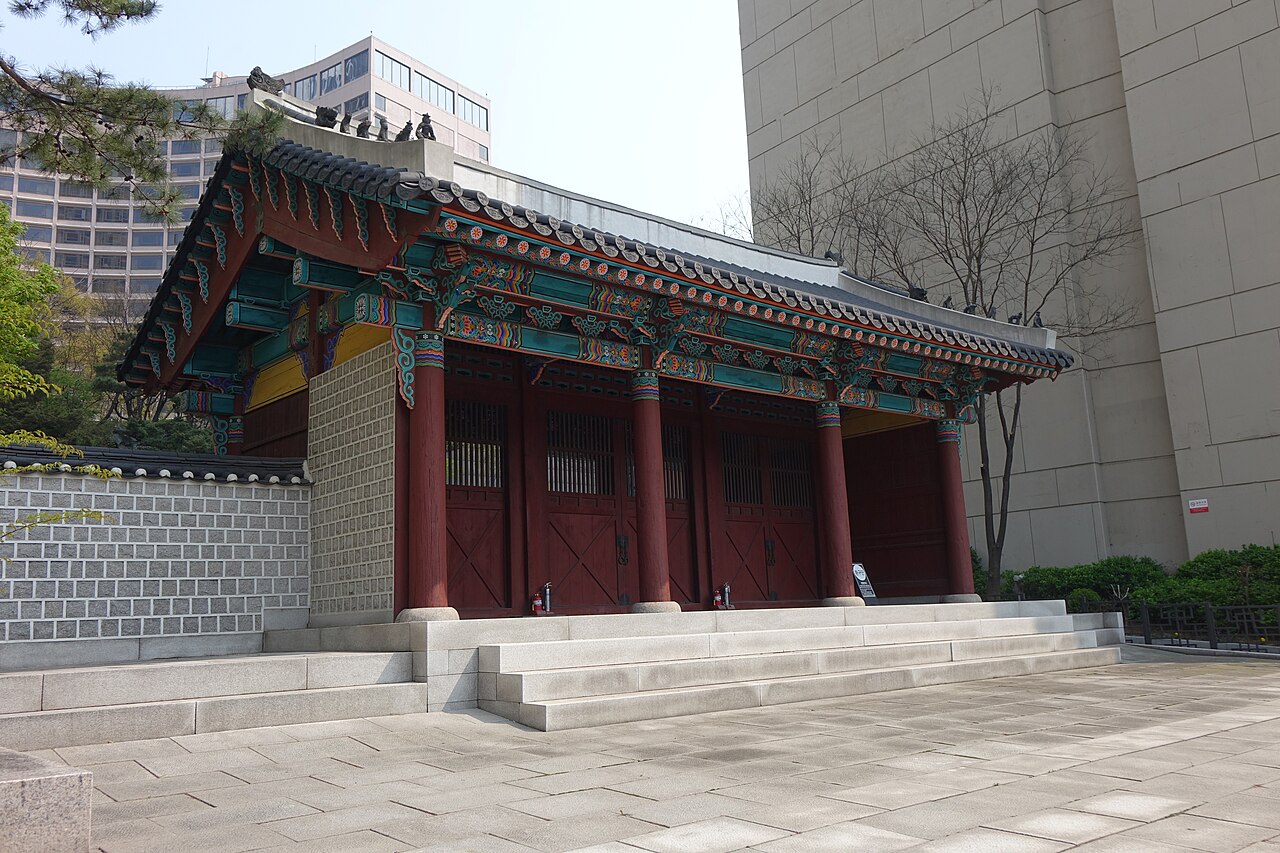
Visit during daylight so the stonework, shrine forms, and inscriptions are easier to see. Spring and autumn usually provide comfortable conditions for a short outdoor heritage stop. Summer humidity and winter cold can make the urban walk less pleasant, so adjust clothing and pacing accordingly. Hwangudan works well in a central Seoul day when you want a brief historical interlude between museums, civic landmarks, and the surrounding commercial streets.
Checked 2026-08-26 · Source
Hwangudan is a small monument complex rather than a large palace or museum campus. Its compact urban setting makes it suitable for a short heritage visit, with the main value found in the surviving altar structures and their historical meaning. Treat any nearby attractions as separate stops, since the monument’s ceremonial remains are distinct from other central Seoul institutions and historic buildings.
Checked 2026-08-26 · Source
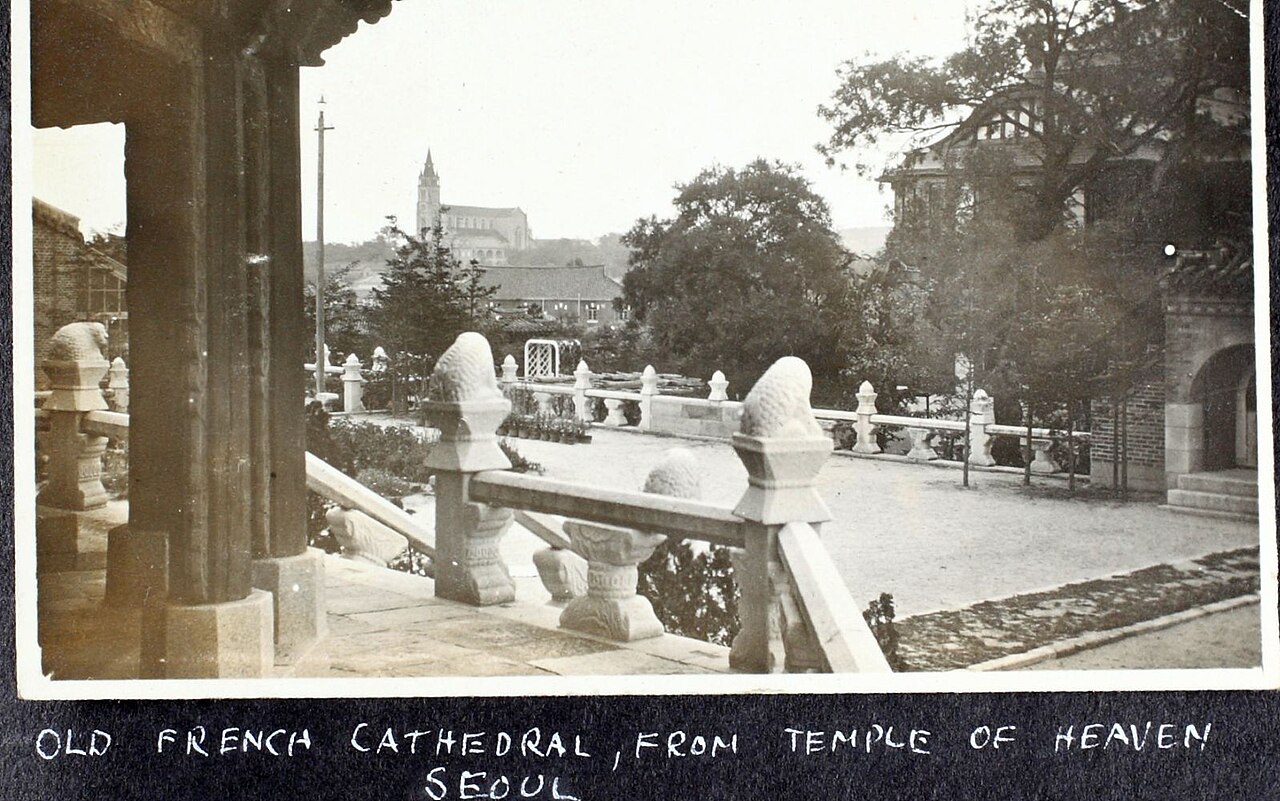
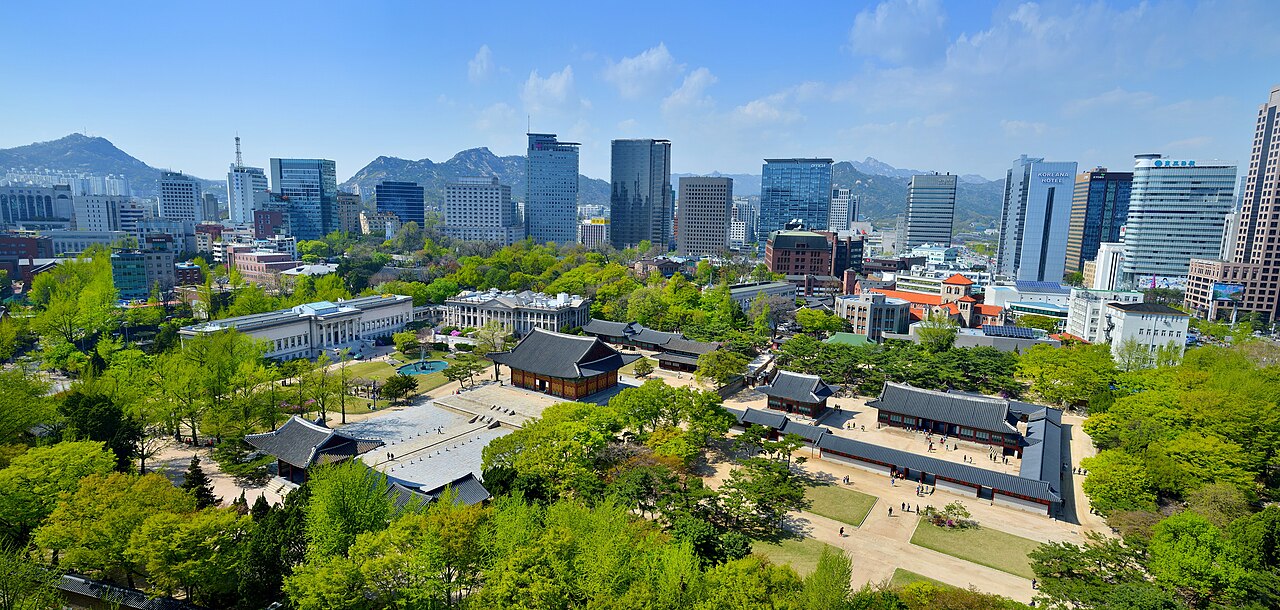
Hwangudan is in central Seoul’s Jung-gu district, near the City Hall area and other major civic landmarks. The district is served by extensive subway and bus networks, and the monument can be incorporated into a walking route through central Seoul. Taxis are practical for direct arrival. Use a navigation map for the final approach, as dense streets and large modern buildings can make a small historic enclosure easy to pass.
Checked 2026-08-26 · Source

The monument is surrounded by dense urban traffic and pedestrian movement, so take care when crossing streets and entering or leaving the site. Its reconstructed and later-preserved character means the visit is about historical interpretation rather than seeing an untouched Joseon-era complex. Keep voices low and behave respectfully around the ceremonial structures. The compact space can feel less secluded than Seoul’s larger palace grounds.
Checked 2026-08-26 · Source
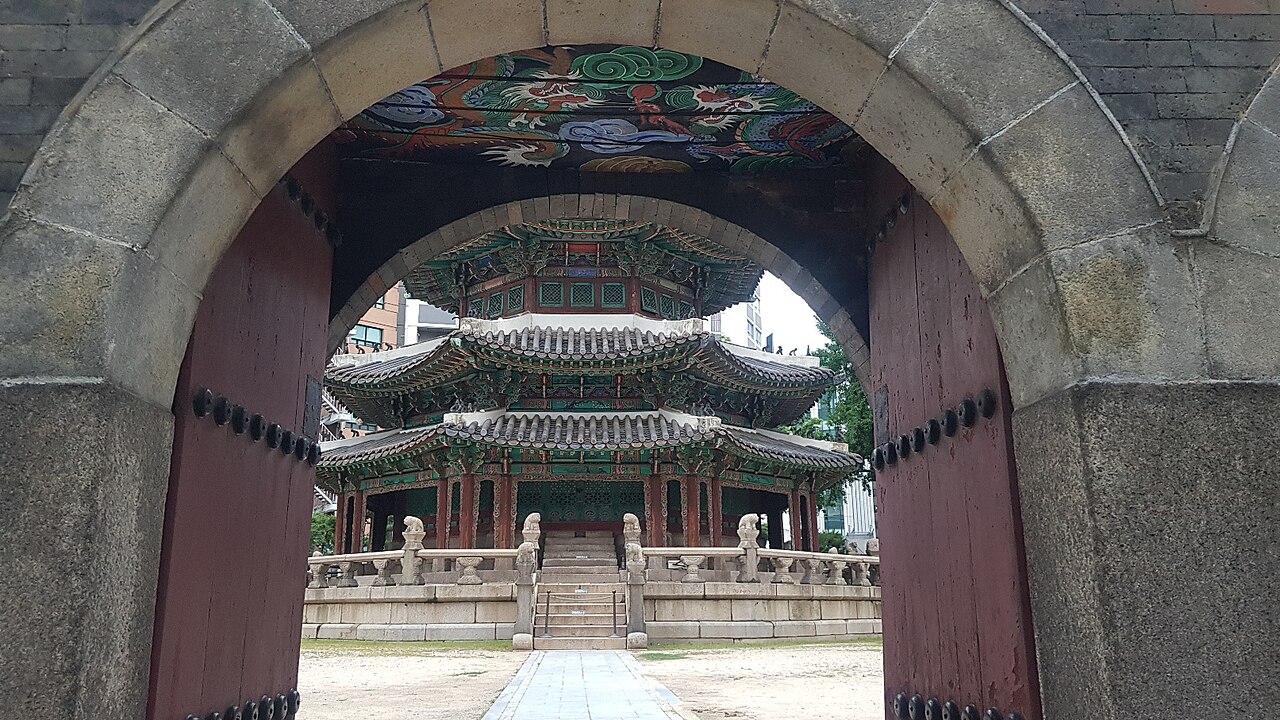
Hwangudan’s gateways, stone platforms, shrine architecture, and inscriptions provide the main photographic subjects. The surrounding city creates a tight frame, so look for compositions that deliberately include the contrast between historic forms and modern Seoul. Daylight reveals stone texture most clearly. Keep cameras and tripods from obstructing the confined approach, and give other visitors space when photographing the monument or its ceremonial details.
Checked 2026-08-26 · Source
Korean monarchs used the altar for rituals dedicated to Heaven, linking the site to royal ceremonial history.
Hwangungu Shrine is a prominent structure in the complex, built in 1897 during the Korean Empire period.
A visit generally takes about thirty minutes to one hour, depending on how closely you examine the inscriptions and architecture.
It stands in central Seoul’s Jung-gu district, near the City Hall area and other civic landmarks.
The complex contains stone gateways, ritual platforms, commemorative monuments, inscriptions, and Hwangungu Shrine.
It provides a brief, concentrated look at Seoul’s imperial and ceremonial heritage within a central urban walking route.
Loading the interactive map…
The interactive map could not be loaded.
Last updated:
Source: OpenStreetMap contributors, Wikidata ·