
6 min walk
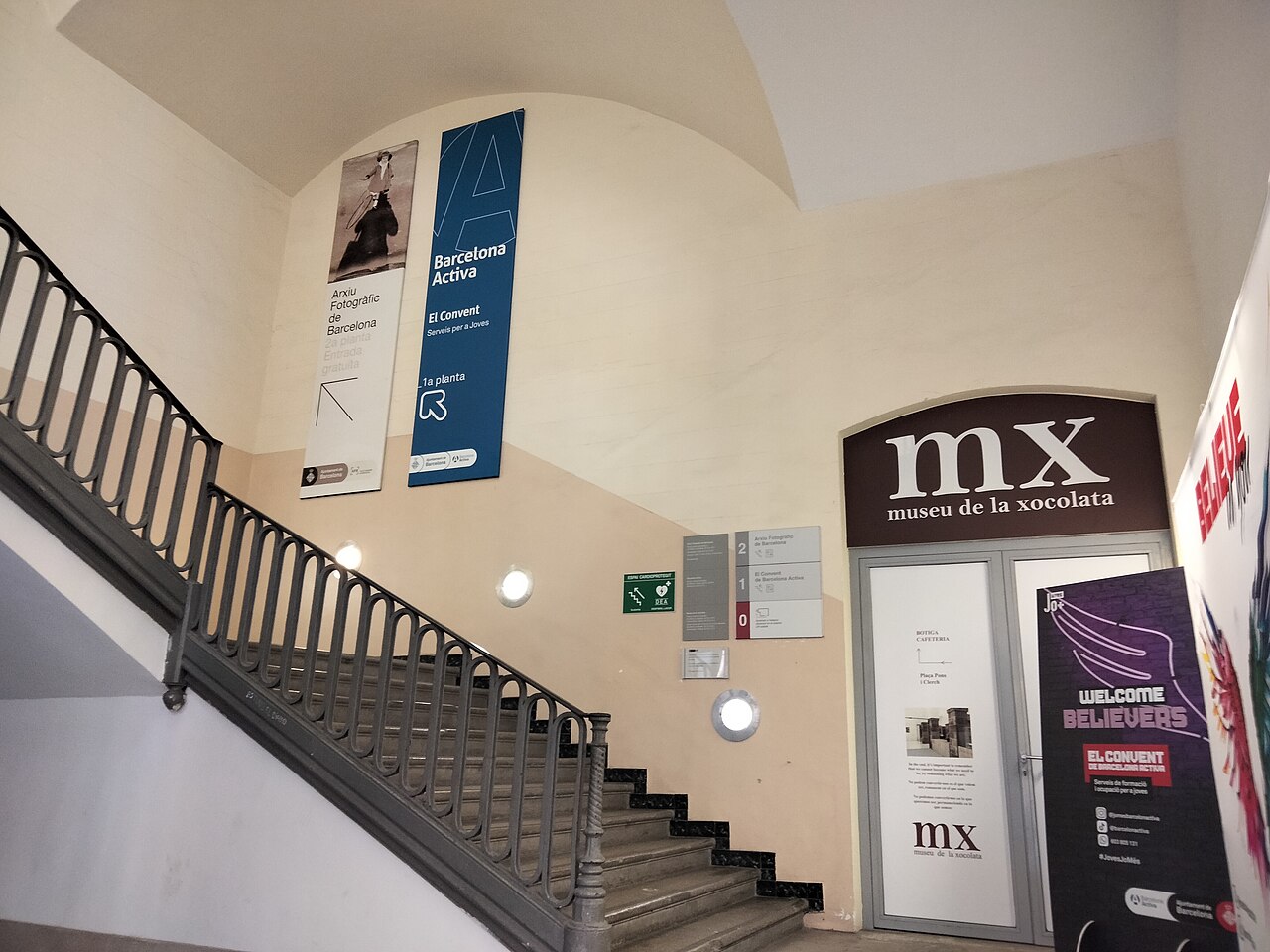
Museu de la Xocolata
- High
- Museum
Language · 11 published
Historic monument · Barcelona
Reviewed by Elena Voss · Roavina Travel Editor
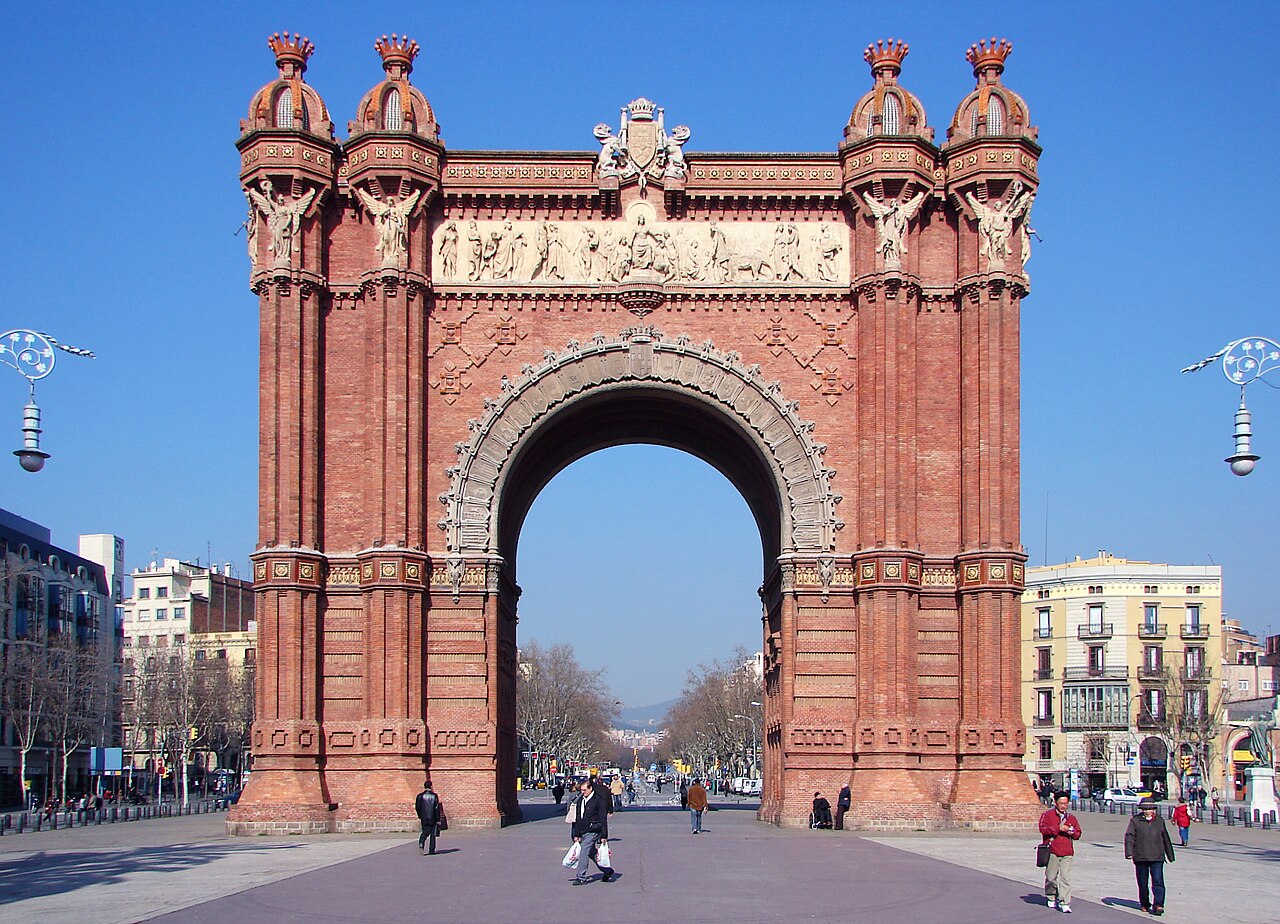
This place is a Monument. It was established in 1910. It was built in the neo-Mudéjar style. It was designed by Josep Vilaseca i Casanovas. It is built of brick. It carries the Cultural Asset of Local Interest heritage designation.
The Arc de Triomf is a triumphal arch in Barcelona, Catalonia, Spain. It was built as the main access gate for the 1888 Barcelona World Fair. The monument stands at the northern end of the Passeig de Lluís Companys, a broad promenade leading to the Parc de la Ciutadella. The arch was designed by architect Josep Vilaseca i Casanovas in the Neo-Mudejar style, which incorporates Islamic-inspired decorative elements uncommon in European triumphal arches. The structure features elaborate brickwork and sculptural details on its facades.
Checked 2026-08-26
The Arc de Triomf is an open monument without an interior chamber accessible to visitors. It functions as a decorative gateway rather than an enclosed building. Visitors can walk through the central and side passageways beneath the arch. The surfaces display sculptural groups and ornamental panels. The front frieze facing Passeig de Sant Joan depicts Barcelona welcoming visitors. The rear frieze facing the park shows the city distributing rewards to participants. Stone bats, symbols of the Crown of Aragon, appear among the decorative motifs.
Checked 2026-08-26
A visit to the Arc de Triomf typically requires brief time, as it is an exterior monument without interior spaces to explore. Most visitors spend approximately fifteen to thirty minutes observing the structure, photographing it, and passing through. The duration extends if combined with a stroll along Passeig de Lluís Companys toward the Parc de la Ciutadella or into the surrounding neighborhoods. The arch serves as a common meeting point and photographic landmark rather than a destination requiring extended engagement. Visitor pacing depends on interest in architectural detail.
Checked 2026-08-26
The Arc de Triomf is an outdoor public monument accessible at all hours, as it stands in an open plaza without gates or barriers. The arch remains visible and photographable throughout day and night. Evening illumination may enhance its appearance, though specific lighting schedules are not confirmed. The surrounding promenade attracts pedestrians, cyclists, and recreational users consistently. Weather conditions in Barcelona vary seasonally, with summer bringing higher temperatures and tourist density. Early morning or late afternoon visits may offer reduced crowding and favorable natural light for observation. Check the operator's own site for the travel date before relying on a schedule or fare.
Checked 2026-08-26
No admission fee applies to visit the Arc de Triomf, as it is a free-access public monument in an open urban space. There are no ticketed entry points, turnstiles, or visitor control mechanisms. No guided tours operated by the monument itself are known. Commercial tour companies may include the arch in walking routes through the city. Visitors should exercise standard caution regarding personal belongings in busy public areas. Any payment requests purportedly for monument access should be treated with suspicion and refused.
Checked 2026-08-26
The Arc de Triomf sits at the convergence of Passeig de Lluís Companys, Passeig de Sant Joan, and Ronda de Sant Pere. The Arc de Triomf metro station on Line L1 of the Barcelona Metro serves the location directly. Multiple bus routes operate in the vicinity. The Barcelona-Sants railway station lies at a distance requiring additional transit. The monument is accessible on foot from the Gothic Quarter, El Born, and the Parc de la Ciutadella. Bicycle lanes traverse the adjacent promenade. The area experiences significant pedestrian and cyclist traffic, warranting awareness when navigating approaches.
Checked 2026-08-26
The plaza around the Arc de Triomf experiences high volumes of pedestrians, cyclists, and skateboarders, particularly along the broad promenade. Visitors should remain attentive to moving traffic in shared spaces. Pickpocketing occurs in Barcelona tourist areas; vigilance with personal belongings is prudent. The monument steps and base attract sitters and climbers, though no safety barriers restrict access. Street vendors and performers gather intermittently. The area lacks shade over much of the plaza, creating exposure during strong sun. No permanent public restrooms are attached to the monument. Emergency services contact the standard European number. Medical facilities exist in the broader city.
Checked 2026-08-26
The Arc de Triomf permits unrestricted photography from surrounding public spaces. No commercial photography permits are required for typical visitor use. The arch presents strong frontal symmetry from Passeig de Lluís Companys, with the park alignment offering alternative angles. Morning light illuminates the main facade; afternoon and evening conditions vary seasonally. The monument's red brickwork contrasts with the pale stone sculptural elements. Tripod use may attract attention in busy periods but faces no specific prohibition. Drone operation falls under Spanish aviation regulations and municipal restrictions; unauthorized flight is not advisable. Night photography benefits from any operational illumination, though consistency is not guaranteed.
Checked 2026-08-26
No. The Arc de Triomf has no interior chambers open to visitors. It is a pass-through monument with central and side arches for pedestrian movement only.
No. The monument stands in open public space with no gates, tickets, or entry controls. Access is free at all times.
The arch is built in the Neo-Mudejar style, designed by Josep Vilaseca i Casanovas. This style incorporates Islamic-influenced decorative brickwork and ornamental motifs.
The Arc de Triomf station on Barcelona Metro Line L1 serves the monument directly. Multiple bus routes also operate nearby.
The arch was constructed for the 1888 Barcelona World Fair, serving as the main entrance gateway to the exhibition grounds.
Not recorded. The monument itself does not operate guided tours. Commercial city tour companies may include it in walking itineraries.
Loading the interactive map…
The interactive map could not be loaded.
Last updated:
Source: OpenStreetMap contributors, Wikidata ·