
8 min walk
Muntanya Russa
- High
- Historic monument
Language · 11 published
Historic monument · Barcelona
Observatori Fabra
Reviewed by Elena Voss · Roavina Travel Editor

This place is a Attraction. It opened in 1904. It was built in the Art Nouveau architecture style. It was designed by Josep Domènech i Estapà. It carries the Cultural Asset of National Interest heritage designation.
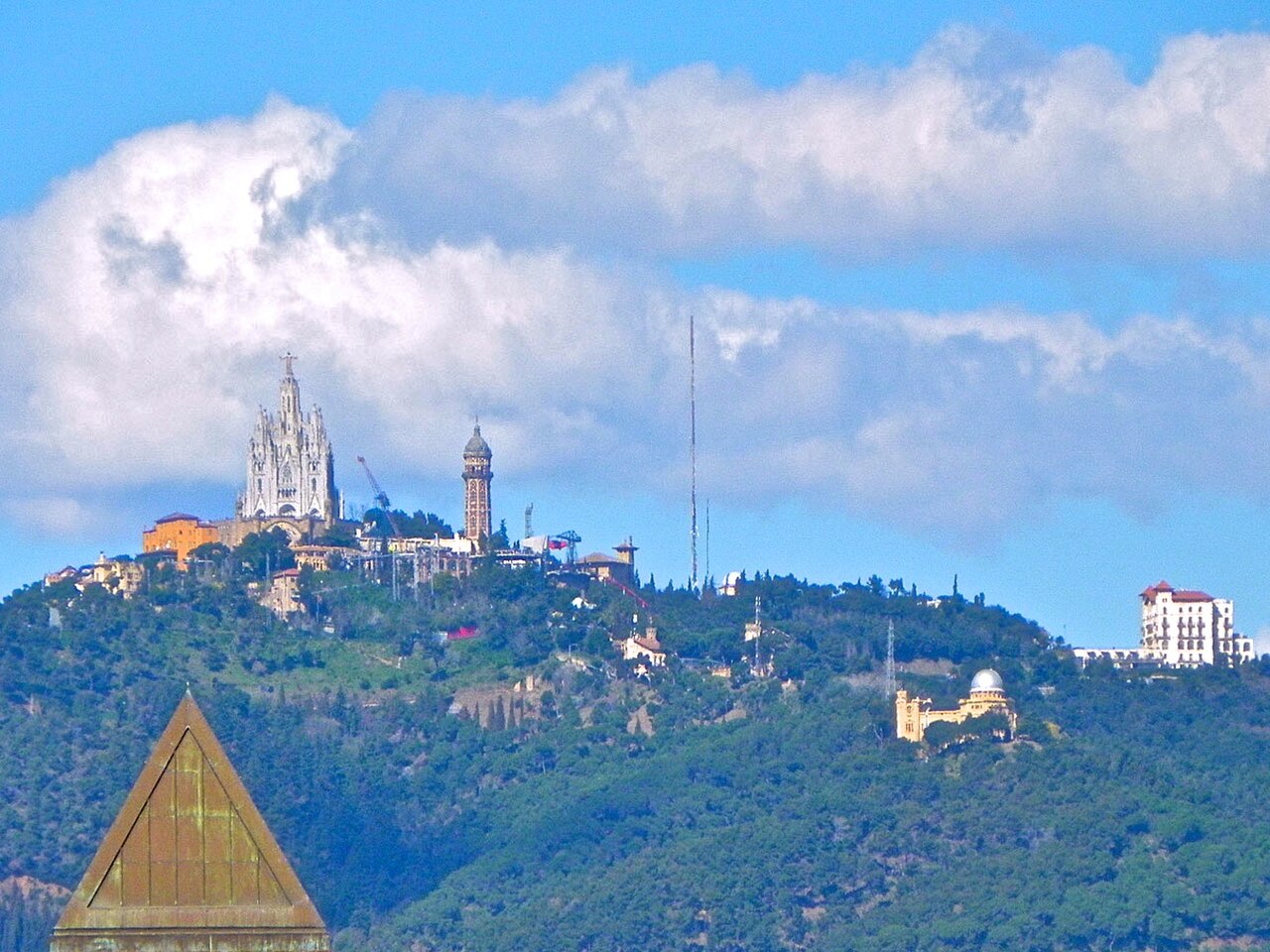
Fabra Observatory, or Observatori Fabra, is a historic astronomical observatory on a hill above Barcelona. Its elevated setting combines scientific heritage with broad views over the city and surrounding landscape. The observatory suits travelers who want a quieter, more specialized attraction than the central Modernista landmarks. Its setting also makes the journey part of the experience, especially when the city stretches below the building and the sky becomes the focus. Fabra Observatory, known locally as Observatori Fabra, is an astronomical observatory located in Barcelona, Spain. The facility sits on a hill overlooking the city, providing elevated positioning for celestial observation. As a historic scientific institution, it has served astronomical research and public education purposes. The observatory represents Barcelona's contribution to astronomical science and remains a notable landmark for visitors interested in science, history, or panoramic city views. Its established presence makes it a recognized point of interest within Barcelona's cultural and educational landscape.
Checked 2026-08-26 · Source
The observatory contains astronomical instruments and scientific equipment associated with celestial observation and research. The building itself is part of the visit, with historic architectural character alongside spaces dedicated to astronomy and public education. From outside, the hilltop position adds a second dimension: Barcelona can be viewed from above while the observatory provides a reason to look upward. Travelers interested in science, architecture, and viewpoints can combine all three interests here. The observatory contains astronomical instruments and equipment used for celestial observation and research. Visitors can expect telescope installations and scientific apparatus appropriate to its function. The building itself holds architectural interest as a historic scientific facility. The facility's elevated position also affords external vantage points over Barcelona, complementing its primary scientific purpose with scenic value.
Checked 2026-08-26 · Source
Allow around one to two hours for a focused visit to Fabra Observatory. That gives time to take in the historic facility, spend time with the astronomical subject matter, and enjoy the elevated outlook. A shorter stop can work for travelers mainly interested in the building and panorama, while astronomy enthusiasts may want more time for instruments and educational elements. Add extra time for the uphill journey and for lingering at the viewpoints. A typical visit to Fabra Observatory would reasonably require one to two hours, though individual interest in astronomy and available activities significantly affect duration.
Checked 2026-08-26 · Source
Daylight is useful for seeing the observatory and its city setting, while evening visits suit travelers drawn to astronomy and darker skies. The hilltop can feel cooler and windier than central Barcelona, so the outdoor experience changes with weather. Summer evenings bring later darkness; winter evenings provide darkness earlier. Choose a clear day when the panorama matters most, and choose a calm evening when the sky is the main reason for visiting.
Checked 2026-08-26 · Source
The outdoor setting and city views give the visit value even when the focus is simply the landmark and its surroundings. Astronomy-related activities, educational experiences, or interior access may follow a separate admission arrangement from viewing the exterior. Plan the observatory as a dedicated stop rather than assuming it works like an always-open public square. The attraction is best for travelers who want a science-focused visit linked to Barcelona's hilltop landscape.
Checked 2026-08-26 · Source
Fabra Observatory stands in an elevated part of Barcelona, so reaching it involves an uphill approach from lower parts of the city. Public transport toward the Tibidabo hill area can be combined with walking, while a taxi or private vehicle reduces the climbing. The route is more demanding than a central Eixample sightseeing walk. Build in additional travel time, wear comfortable shoes, and treat the ascent as part of the outing.
Checked 2026-08-26 · Source
The elevated location brings slopes, changing temperatures, wind, and darker paths after sunset. Comfortable footwear is useful because the approach can involve gradients rather than level city streets. Keep extra layers for an evening visit, and take care on uneven ground. Astronomy spaces are working scientific environments, so visitors should follow signs, keep noise low when requested, and avoid touching instruments or entering restricted areas.
Checked 2026-08-26 · Source
The hilltop provides photographs of Barcelona, the harbour area, and the observatory itself. Daylight emphasizes the building and the city panorama, while evening frames can pair city lights with the observatory's scientific character. Use the surrounding viewpoints for wide compositions and the facade for architectural detail. Inside observation areas, follow local instructions about flash, tripods, and equipment so photography does not interfere with astronomy activities.
Checked 2026-08-26 · Source
Fabra Observatory is located on a hill above Barcelona, in the Tibidabo hill area, with an elevated outlook over the city.
It is an astronomical observatory associated with celestial observation, scientific instruments, research, and public education.
Allow around one to two hours for the observatory, with extra time for the uphill journey and the city views.
Evening visits suit travelers interested in astronomy and darker skies, although the hilltop can feel cooler and windier after sunset.
You can photograph the observatory, Barcelona's skyline, the harbour area, and city lights from the elevated setting.
Wear comfortable shoes for the uphill approach and bring an extra layer because the hilltop can be cooler and windier than central Barcelona.
Loading the interactive map…
The interactive map could not be loaded.

Last updated:
Source: OpenStreetMap contributors, Wikidata ·