
_%26_1992_Summer_Olympics_site_01.jpg)
_%26_1992_Summer_Olympics_site_02.jpg)
_%26_1992_Summer_Olympics_site_03.jpg)
.jpg)
2 min walk
Montjuïc
- Must see
- Nature site
Language · 11 published
Nature site · Barcelona
Reviewed by Elena Voss · Roavina Travel Editor
This place is a Garden. It opened in 1999. It was designed by Bet Figueras. It carries the Cultural Asset part of the cultural heritage of Catalonia heritage designation.
Jardí Botànic de Barcelona is a botanical garden on Montjuïc, arranged across the terrain of a former quarry. Its collections focus on plants from Mediterranean-climate regions around the world, including California, Chile, South Africa and Australia, alongside Mediterranean vegetation. The garden combines cultivated displays, scientific interest and an elevated landscape, making it a nature-focused change of pace from central Barcelona. Jardí Botànic de Barcelona is a botanical garden located on Montjuïc hill in Barcelona, Spain. It occupies a former quarry site on the southeastern slope of the mountain, offering views over the Mediterranean Sea and the port. The garden specializes in Mediterranean climate flora from around the world, including regions such as California, Chile, South Africa, and Australia, alongside native Mediterranean vegetation. It serves both as a public attraction and a scientific research facility. A flexible visit lets travellers connect Jardí Botànic de Barcelona with the rest of the day without treating one room, viewpoint or photograph as the whole experience. The useful pace depends on personal interest and conditions on arrival. Children can visit but the steep, uneven terrain demands close supervision. The educational aspects may interest older children; younger ones may find the physical demands challenging.
Checked 2026-08-26 · Source
Paths lead through geographical collections representing different parts of the world with Mediterranean-type climates. The former quarry gives the garden exposed rock faces, varied levels and distinct growing conditions. Plants are presented in naturalistic groups rather than one formal parterre, so the visit unfolds as a hillside walk. Read the labels, compare regional adaptations and pause at viewpoints where vegetation, rock and the city meet. The garden contains collections organized by geographical origin, showcasing plants adapted to Mediterranean-type climates. Visitors encounter themed sections representing different Mediterranean regions globally. The terrain incorporates the original quarry topography, creating varied microclimates and walking paths. Native and international species are displayed in naturalistic settings rather than formal arrangements. The site includes educational elements and conservation programs for endangered flora. Structural features work with the dramatic slope and exposed rock faces.
Checked 2026-08-26 · Source

Allow about one to two hours for the main paths and collections. Visitors who read labels, photograph plants or explore the quarry landscape carefully may need longer. The sloping ground changes the pace, with uphill and downhill sections requiring rest for some travellers. Plan the garden as a substantial Montjuïc stop, not as a quick photo point, and leave energy for the return route.
Checked 2026-08-26 · Source
Spring is especially rewarding for visitors interested in flowering plants, while each season brings a different look to the regional collections. Summer mornings are more comfortable on the exposed hillside than the hottest part of the afternoon. Autumn and winter offer quieter walking and changing textures among evergreen Mediterranean species. Choose a clear, comfortable day when views and the open quarry setting are part of the plan.
Checked 2026-08-26 · Source

The garden is a dedicated attraction with enough paths and collections to merit planned time. Admission planning belongs alongside the wider Montjuïc itinerary, which may include several cultural and scenic stops. The visit is not simply a single greenhouse display: its value comes from moving between regional plantings, quarry surfaces and elevated outlooks. Set aside time for a complete circuit instead of rushing directly to one collection.
Checked 2026-08-26 · Source

The garden is on Montjuïc, above the central city. Reach the wider hill by Barcelona’s metro, bus and funicular connections, then continue on foot or by an onward hill route. The approach involves elevation, and walking from the city centre is a substantial uphill outing. Taxis can reduce the climb to the attraction. Combine the garden with other Montjuïc sights to make the hill journey worthwhile.
Checked 2026-08-26 · Source
The former quarry landscape brings uneven paths, steps and steep gradients. Wear shoes with secure grip, particularly after rain, and carry water for warm days. Much of the garden is exposed to sun and wind, so a hat and sun protection are useful. The terrain can make the visit demanding with a pushchair or reduced mobility. Pace the route around the slopes rather than treating every path as equally easy.
Checked 2026-08-26 · Source

Use the quarry walls and regional plantings as layered subjects rather than photographing isolated beds only. Morning or late-afternoon light brings texture to the exposed rock, while overcast weather softens contrast on leaves and flowers. The elevated position can include Barcelona, the port and Mediterranean horizon beyond the garden. A macro lens suits botanical details; a wider view shows how the collections occupy the dramatic slope.
Checked 2026-08-26 · Source
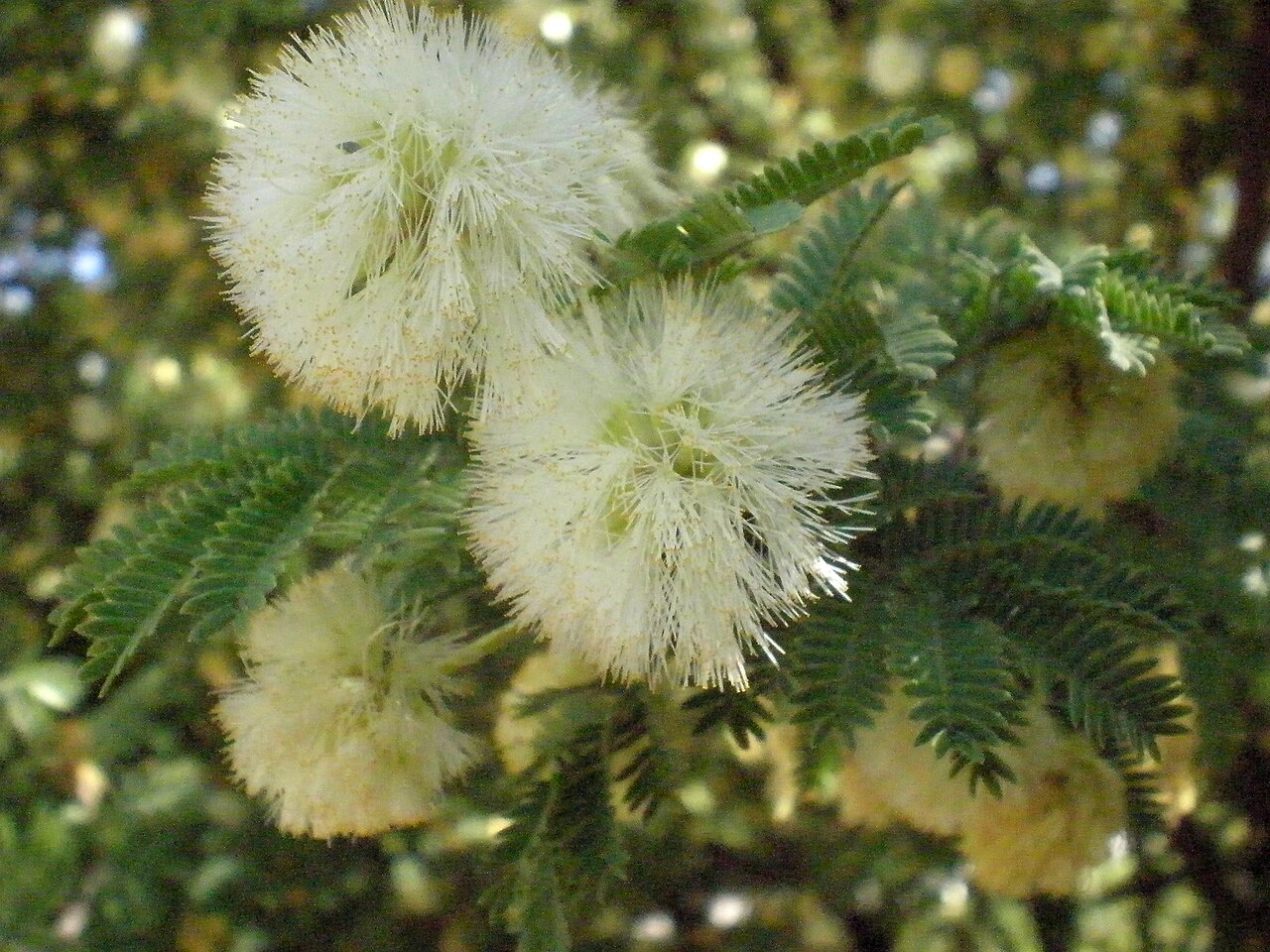
The collections focus on Mediterranean-climate flora from regions such as California, Chile, South Africa and Australia, together with Mediterranean species.
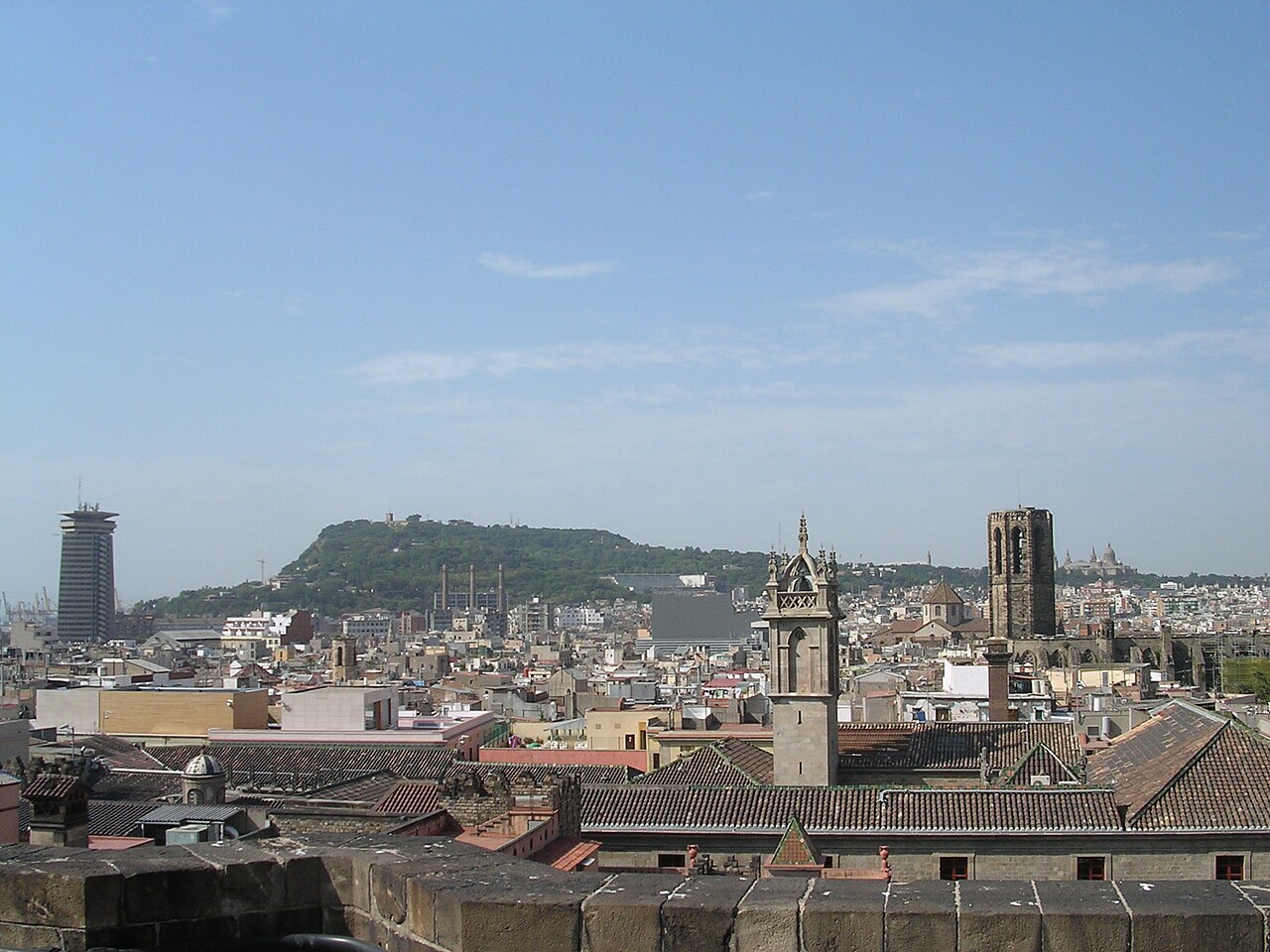
It is located on Montjuïc hill in Barcelona, in a former quarry landscape above the central city.
Most visitors should allow about one to two hours, with extra time for labels, photography and slower walking on the slopes.
No. The former quarry creates varied levels, uneven surfaces, steps and steep gradients across the walking routes.
Metro, bus and funicular connections serve the wider Montjuïc area; the final approach includes walking or an onward hill connection.
Photograph regional plantings with the quarry walls, Barcelona skyline, port and Mediterranean horizon as contrasting backgrounds.
Loading the interactive map…
The interactive map could not be loaded.
Last updated:
Source: OpenStreetMap contributors, Wikidata ·