
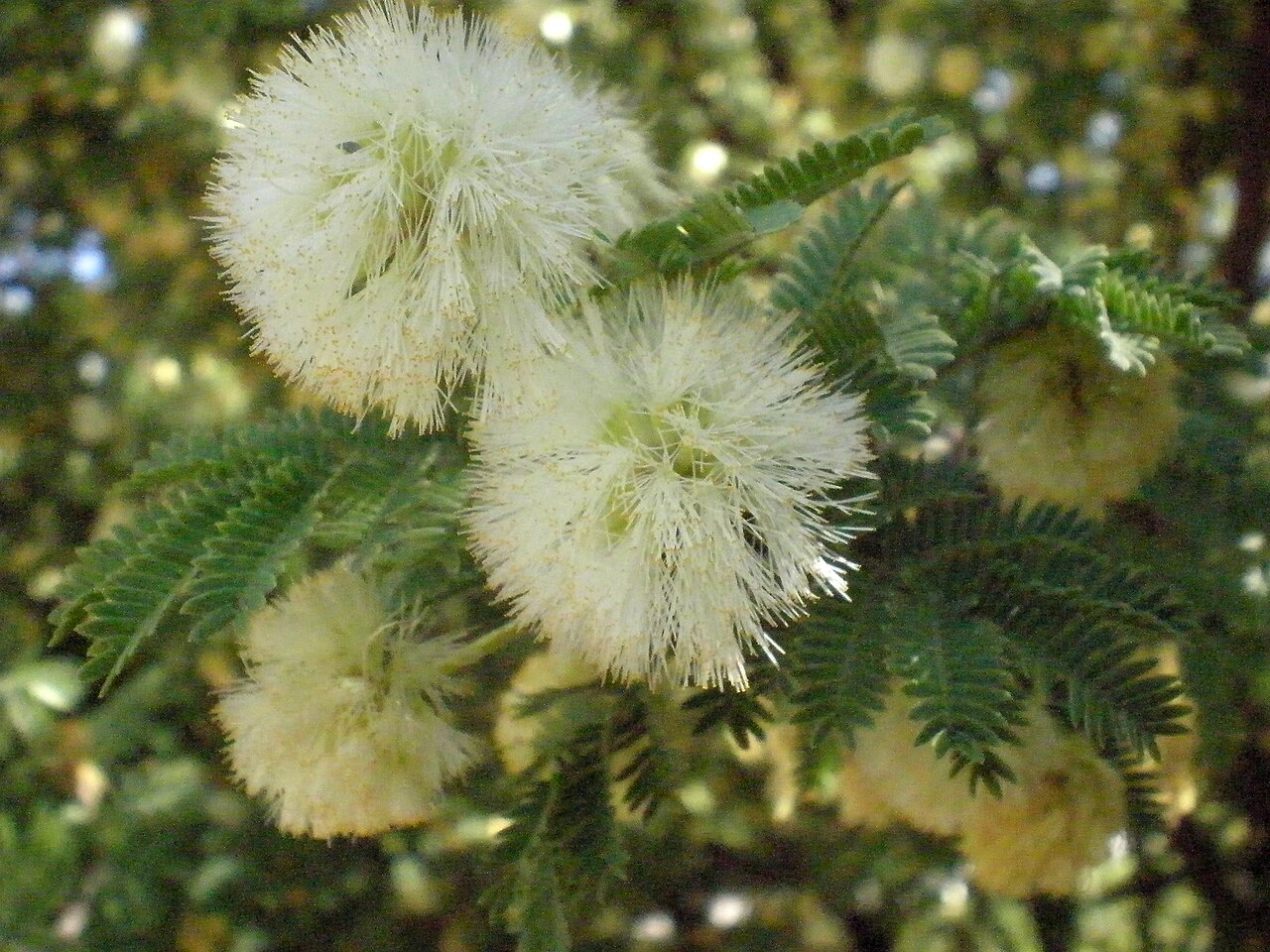
2 min walk
Jardí Botànic de Barcelona
- High · Heritage site
- Nature site
Language · 11 published
Nature site · Barcelona
Parc de Montjuïc
Reviewed by Elena Voss · Roavina Travel Editor
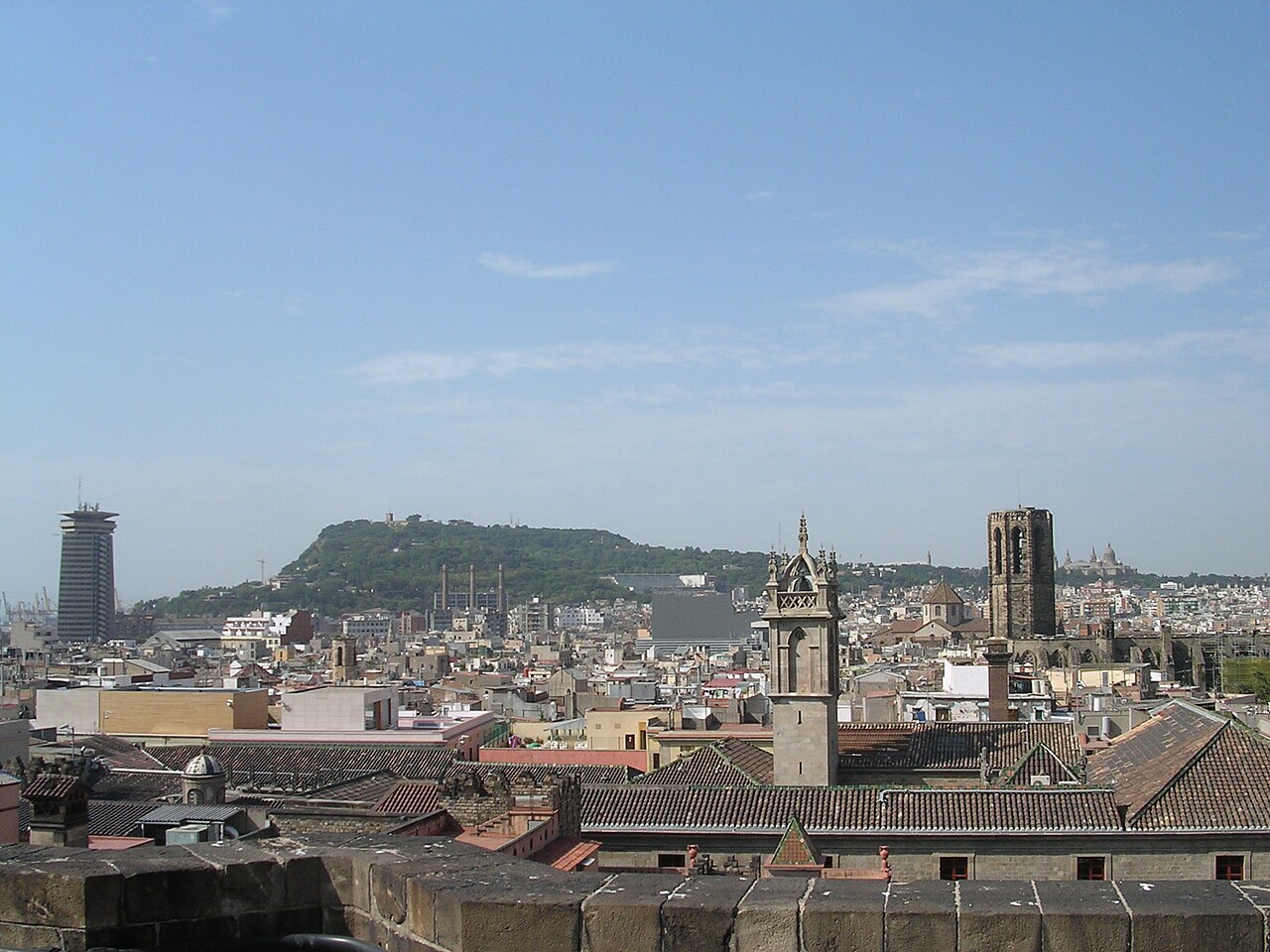
This place is a Park.
Montjuïc is a broad hill with a relatively flat summit overlooking Barcelona’s harbour and city centre. The hill combines historic fortifications, museums, gardens, Olympic venues, and viewpoints across several levels. Its slopes hosted major facilities for the 1992 Summer Olympics, while the summit and lower areas preserve a layered cultural landscape. Montjuïc suits travellers who want one extended outing that joins outdoor scenery, Barcelona history, art, architecture, and views. Montjuïc is a broad shallow hill with a relatively flat top overlooking the harbour, to the southwest of the city centre of Barcelona, Catalonia, Spain. The local name is Parc de Montjuïc. The hill has played a decisive role in the history of Barcelona, becoming a site of fortifications and numerous historic and cultural institutions. Its slopes were the main location of the 1992 Summer Olympics facilities. The area encompasses gardens, museums, and panoramic viewpoints across multiple levels. Options include the Montjuïc funicular from Paral·lel metro, cable car from the port area, bus services, walking, or taxi.
Checked 2026-08-26 · Source
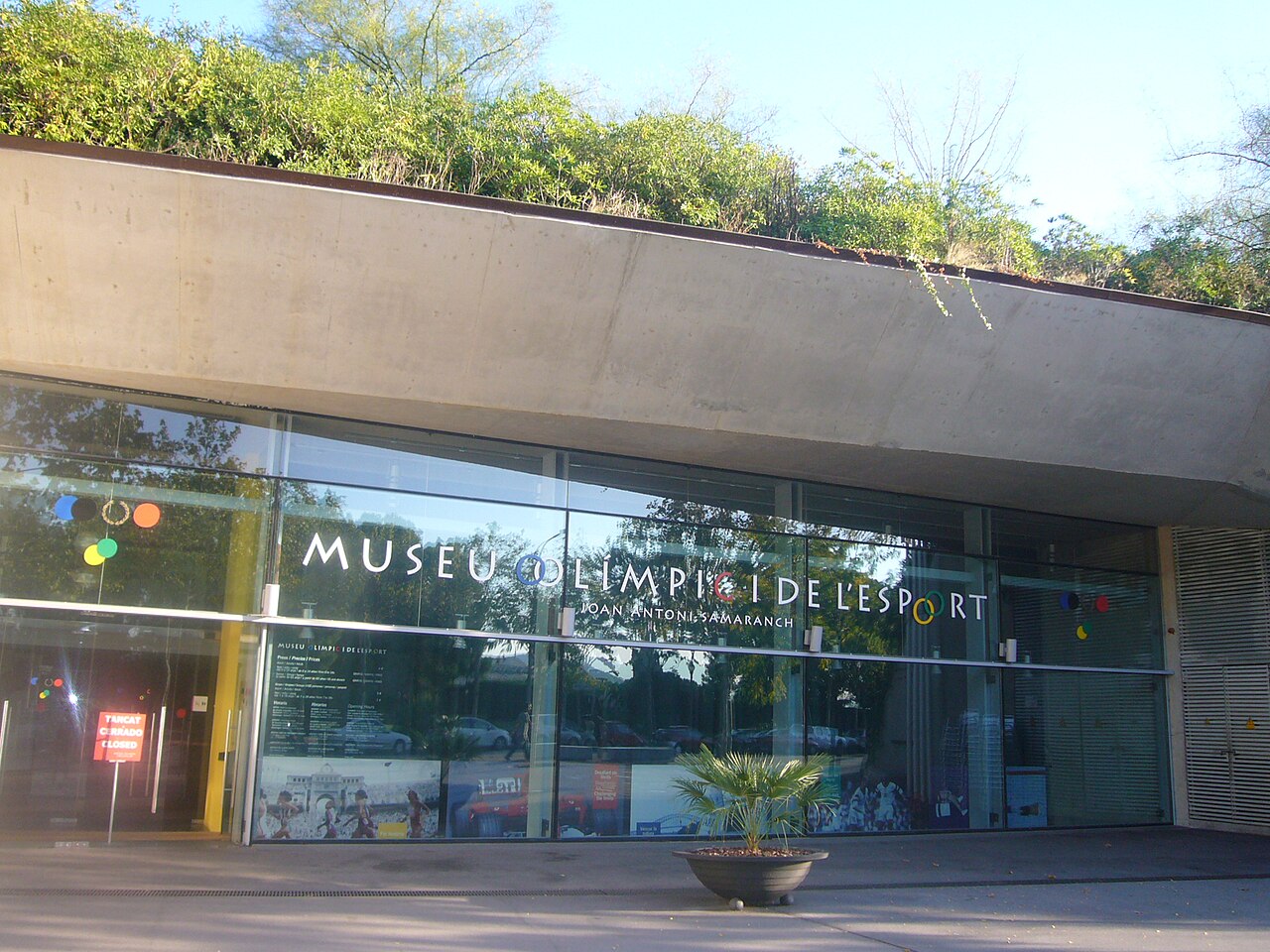
The hill includes Montjuïc Castle, the National Art Museum of Catalonia, the Olympic and Sports Museum, the Joan Miró Foundation, the Botanical Garden, and Mossèn Costa i Llobera Gardens. The Magic Fountain and Poble Espanyol add further reasons to visit, while Olympic structures and open viewpoints broaden the experience. These destinations are spread across the hillside, so Montjuïc feels like a district of connected attractions rather than a single compact monument. Montjuïc contains multiple attractions distributed across its terrain. Notable elements include the Montjuïc Castle, a fortress at the summit with military history. The area holds the National Art Museum of Catalonia, the Olympic and Sports Museum, and the Joan Miró Foundation. Gardens include the Botanical Garden and Mossèn Costa i Llobera Gardens. The Magic Fountain of Montjuïc offers illuminated displays.
Checked 2026-08-26 · Source
A focused visit to the castle, a viewpoint, and one nearby cultural venue can occupy half a day. Combining several museums, gardens, Olympic sites, and the summit can fill a full day, while seeing every major attraction requires more time. Walking between levels adds real travel time because the hill is broad and steep in places. Choose a small group of priorities instead of treating the whole hill as one quick stop.
Checked 2026-08-26 · Source
Spring and autumn offer comfortable conditions for exploring Montjuïc’s gardens, paths, and viewpoints. Summer brings stronger heat and heavier visitor traffic, making shaded pauses and water important. Winter can feel quieter for museums and outdoor walks. Evening is useful for city lights and for the Magic Fountain when its displays are operating. The best timing depends on which venues you select and whether your plan emphasizes walking, museums, gardens, or nighttime scenery.
Checked 2026-08-26 · Source
The general outdoor park areas can be explored without a single hill-wide admission ticket, but the individual attractions set their own entry arrangements. Montjuïc Castle, museums, special exhibitions, Poble Espanyol, and some other venues may require separate paid admission. Plan the budget around the particular places on your route. A walk through gardens and viewpoints can form a substantial visit even when you choose fewer indoor attractions.
Checked 2026-08-26 · Source
The Montjuïc funicular links the hill with Paral·lel metro station, while cable-car services connect the port area with the castle summit. Buses and taxis reach different points on the slopes. Walking from Plaça d’Espanya involves a significant climb, and moving between attractions can involve further gradients and steps. Select transport according to your chosen venues, because arriving at one level does not eliminate the need for travel across the wider hill.
Checked 2026-08-26 · Source
Montjuïc’s distances and elevation changes are easy to underestimate. Steep paths, steps, uneven surfaces, strong sun, and limited shade can make a full circuit tiring. Carry water and wear footwear suited to walking. Crowds gather around popular evening displays, while peripheral areas can feel quieter after dark. Build generous transfer time between museums, gardens, the Olympic Ring, and the castle so that one delayed walk does not disrupt the rest of the day.
Checked 2026-08-26 · Source
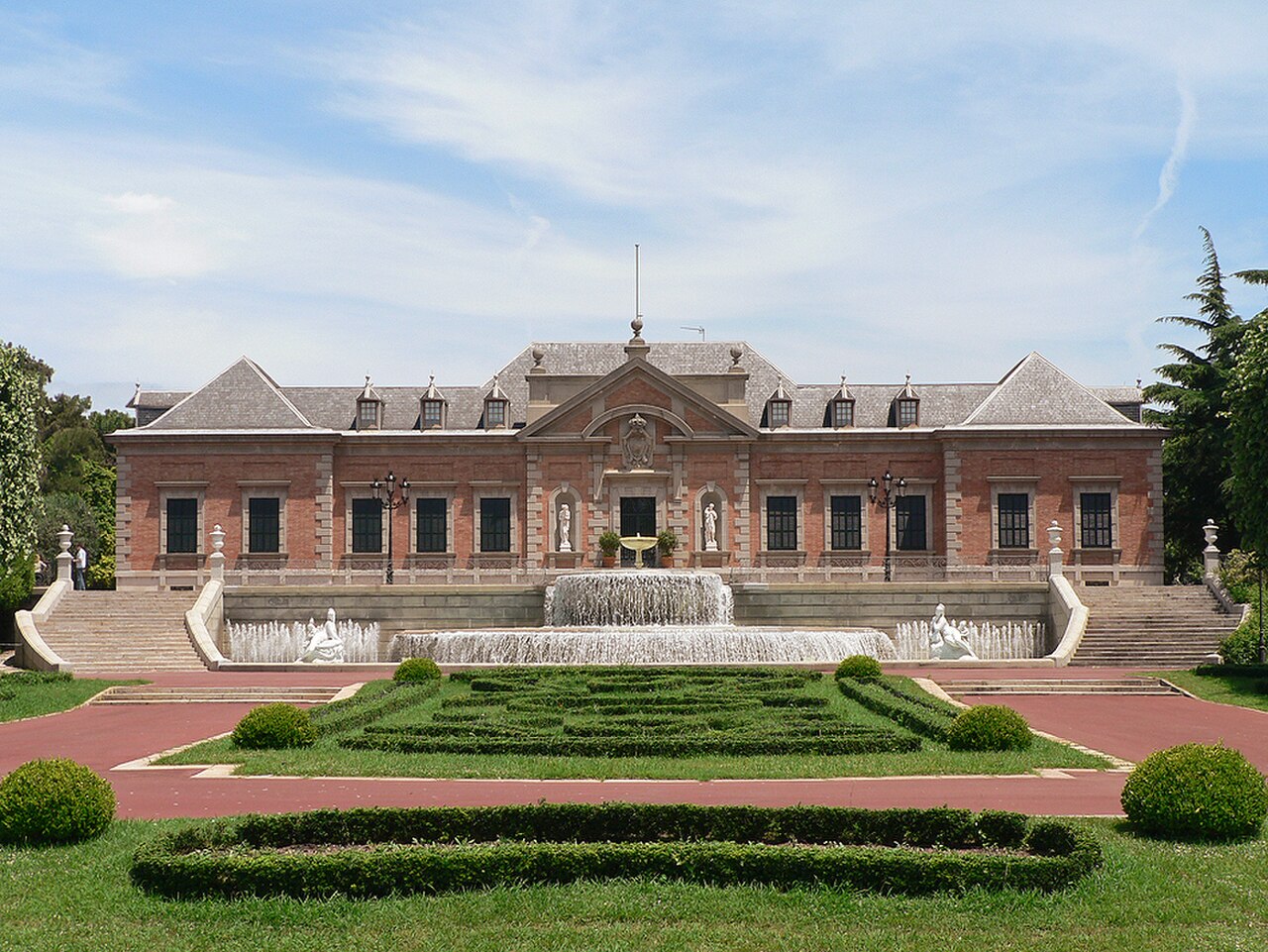
Montjuïc offers harbour and city panoramas from the castle summit, monumental views of the National Palace, geometric Olympic architecture, and planted garden scenes. Late afternoon light gives the slopes depth, while evening fountain displays bring water and illumination when operating. The cable car creates elevated perspectives during the journey. Museums and other venues may set their own photography rules, so keep equipment unobtrusive and follow signs inside each attraction.
Checked 2026-08-26 · Source
Main destinations include Montjuïc Castle, the National Art Museum of Catalonia, the Joan Miró Foundation, the Olympic and Sports Museum, gardens, the Magic Fountain, and Poble Espanyol.
Use the Montjuïc funicular from Paral·lel, take the cable car from the port area, use a bus or taxi, or walk uphill from Plaça d’Espanya.
A focused selection of attractions fits a half or full day. Seeing all the major museums, gardens, Olympic sites, and the castle needs more time because the hill is widely spread.
Walking is possible, but steep gradients, steps, uneven surfaces, and long distances between attractions make the outing physically demanding.
Yes. The hill’s individual museums, castle, Poble Espanyol, special exhibitions, and other venues set their own admission arrangements, while general outdoor areas form the open park landscape.
Photograph harbour and city views, the castle, National Palace architecture, Olympic structures, gardens, and Magic Fountain displays when operating.
Loading the interactive map…
The interactive map could not be loaded.
Last updated:
Source: OpenStreetMap contributors, Wikidata ·