
3 min walk
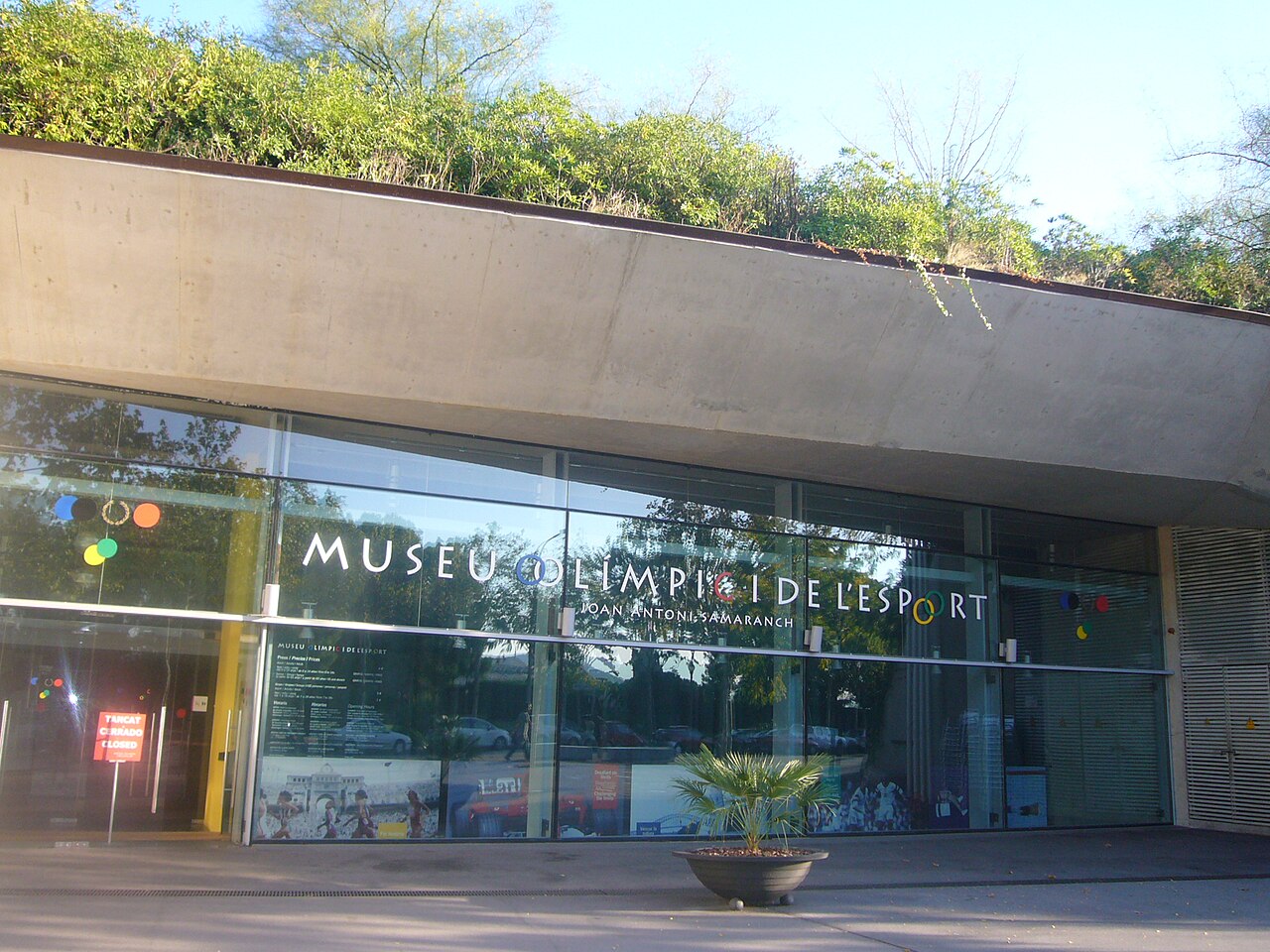
Joan Antoni Samaranch Olympic and Sport Museum
- Must see
- Museum
Historic monument · Barcelona
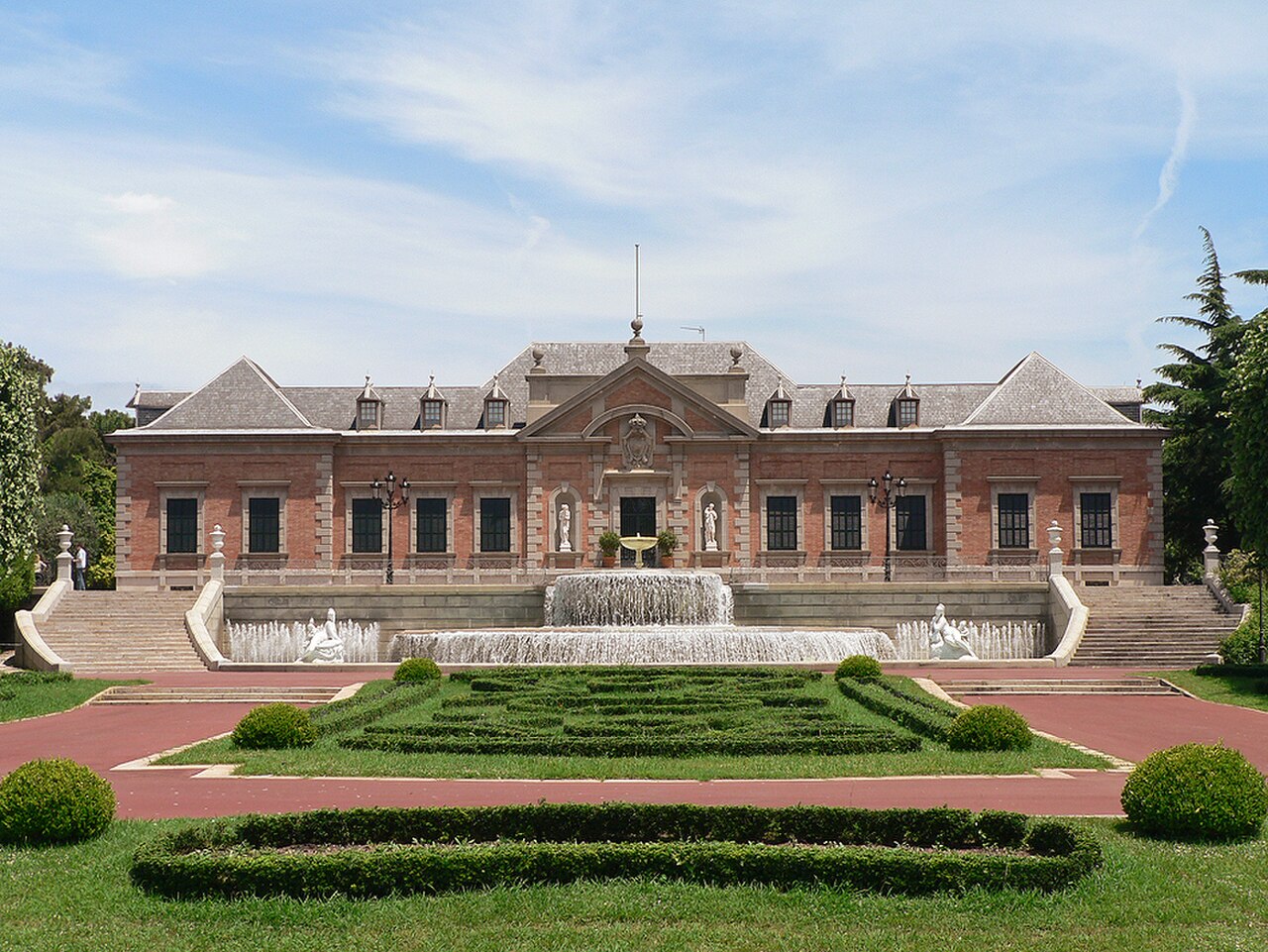
Palauet Albéniz
Palace of Albéniz, or Palauet Albéniz, is a palace near Montjuïc associated with Barcelona's official and ceremonial life. Its name honours the composer Isaac Albéniz and places the building within Catalonia's wider cultural landscape. The palace is better suited to exterior appreciation than to a conventional museum visit. Travellers exploring Montjuïc can treat it as a brief architectural landmark, adding a quieter institutional note to a route otherwise shaped by museums, gardens and major public spaces. The Palace of Albéniz, known locally as Palauet Albéniz, stands as a notable structure within Barcelona's urban landscape. Situated in proximity to Montjuïc, this building carries architectural significance reflective of its era. The palace serves official functions and represents an element of the city's governmental and ceremonial infrastructure. Its name honors the renowned composer Isaac Albéniz, connecting the physical structure to Catalonia's rich cultural heritage. Visitors encounter a building that embodies both administrative purpose and historical resonance within Barcelona's broader municipal context. It stands near Montjuïc in Barcelona's civic and cultural hilltop area. The name honours Isaac Albéniz, a composer associated with Catalonia's cultural heritage.
Checked 2026-08-26 · Source
The palace contains reception rooms, halls and spaces designed for official use. Its institutional purpose means the visitor experience is centred on the building's exterior and setting, rather than a standard sequence of public galleries. Decorative architectural details may be visible where the grounds and viewpoints allow. The surrounding Montjuïc context adds value: the palace sits within an area where cultural buildings, gardens and ceremonial spaces can be understood together as part of Barcelona's civic landscape. The interior spaces of Palauet Albéniz accommodate official receptions and ceremonial gatherings. Ornate decorative elements typical of its construction period may be observed in publicly accessible areas.
Checked 2026-08-26 · Source
Allow fifteen to thirty minutes for exterior viewing, architectural details and photographs. That short stop fits comfortably into a wider Montjuïc walk and leaves time for nearby museums, gardens and monuments. The palace is not the kind of attraction that normally fills an entire day by itself. If a special public occasion gives you access to interior spaces, treat that as a separate, longer experience and build the rest of your route around the event.
Checked 2026-08-26 · Source
Daylight is the most useful time for seeing the palace exterior and its relationship with Montjuïc. Spring and autumn offer comfortable conditions for walking the hill, while summer visits can feel demanding on exposed slopes. Official ceremonies or events may alter the atmosphere around the building, so keep the stop adaptable within your route. Pairing the palace with nearby cultural landmarks creates a more rewarding visit than travelling across Barcelona solely for a brief exterior view.
Checked 2026-08-26 · Source
For most travellers, the palace is an exterior landmark within a Montjuïc walk rather than a conventional ticketed attraction. Focus on the façade, setting and surrounding civic landscape from appropriate public viewpoints. Interior access belongs to special arrangements or public occasions rather than an ordinary sightseeing pattern. Plan the palace as a short stop between larger Montjuïc experiences, with enough time to enjoy the hill's museums, gardens and monuments at a comfortable pace.
Checked 2026-08-26 · Source
Palace of Albéniz is on Montjuïc, where the route involves elevation changes. Espanya is a useful transport approach to the lower Montjuïc area, from which walking routes and hill services connect with nearby landmarks. Bus services also cross the slopes. You can combine the palace with the Magic Fountain area and other Montjuïc sights, but allow for uphill or downhill walking between them. Taxis offer a direct alternative when the terrain does not suit your plans.
Checked 2026-08-26 · Source
Remember that the palace has an active official function. Stay within public areas, respect security boundaries and follow any instructions given during ceremonies or events. Montjuïc's slopes bring changes in level that can make a short map distance physically demanding. The immediate site is not a dependable place to plan a meal or long rest, so include refreshments and facilities at other Montjuïc stops. Crowds can increase when major events are taking place nearby.
Checked 2026-08-26 · Source
Photograph the palace from public viewpoints that include its façade, landscaped setting and Montjuïc surroundings. Morning and late-afternoon light can bring out architectural relief while reducing the strongest overhead shadows. Keep lenses and tripods clear of paths, and respect security directions because this is an official building. Exterior images work best when they show the palace in context, linking its formal architecture with the hill's gardens, museums and broad city views.
Checked 2026-08-26 · Source
It stands near Montjuïc in Barcelona's civic and cultural hilltop area.
The name honours Isaac Albéniz, a composer associated with Catalonia's cultural heritage.
Allow about fifteen to thirty minutes for exterior viewing and photography.
It is an official and ceremonial building rather than a conventional museum attraction.
Combine it with Montjuïc's museums, gardens, monuments and the Magic Fountain area.
Montjuïc's elevation changes can make the walk between the palace and nearby sights demanding.
Loading the interactive map…
The interactive map could not be loaded.

Last updated:
Source: OpenStreetMap contributors, Wikidata ·