
12 min walk
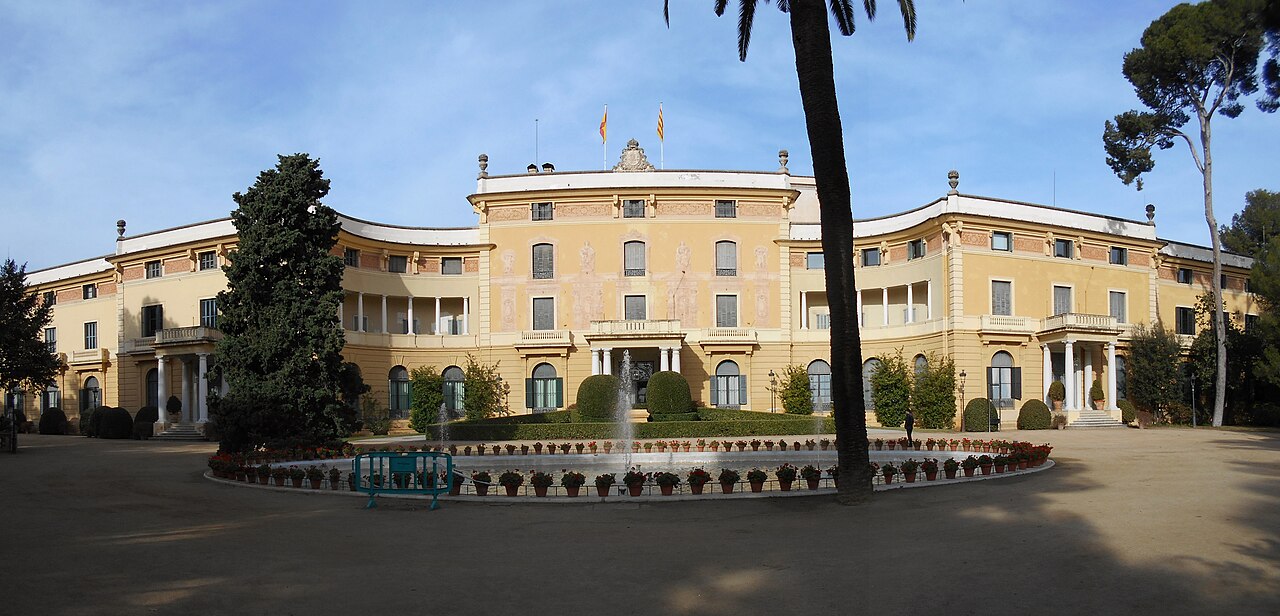
Palau Reial de Pedralbes
- Must see · Heritage site
- Historic monument
Place of worship · Barcelona
Reial Monestir de Santa Maria de Pedralbes
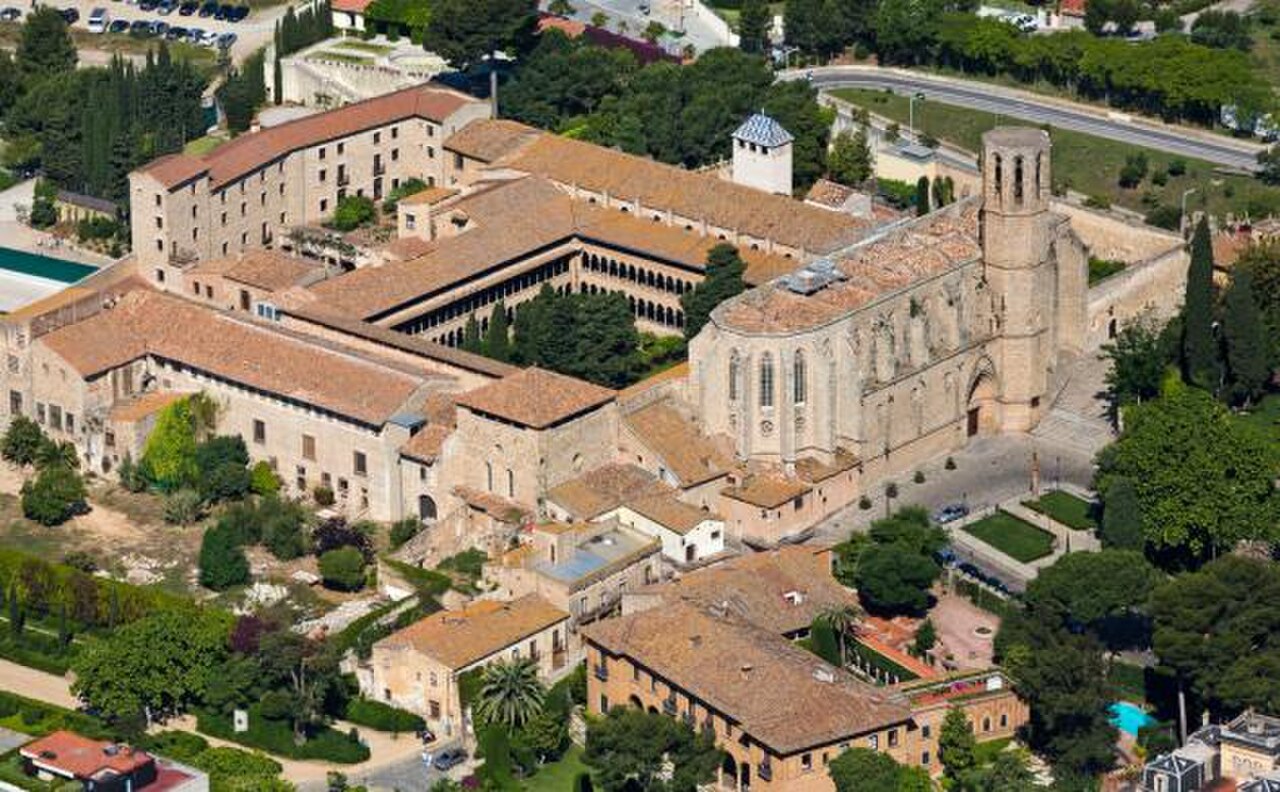
The Reial Monestir de Santa Maria de Pedralbes is a Gothic monastery founded in 1326 by Queen Elisenda de Montcada. In Barcelona’s Pedralbes district, the complex preserves the setting of a community of Poor Clares and now functions as a museum and cultural site. Its church, cloister and monastic rooms bring together royal patronage, religious history and Catalan Gothic architecture. It is a rewarding destination for travellers who want a quieter heritage experience away from the busiest central routes. The Reial Monestir de Santa Maria de Pedralbes is a Gothic monastery in Barcelona, founded in 1326 by Queen Elisenda de Montcada. It stands in the Pedralbes district as a significant example of Catalan Gothic architecture. The complex includes a church, cloister, and monastic buildings that originally housed a community of Poor Clares. Today it operates as a museum and cultural site, preserving centuries of religious and artistic heritage within its walls for public visitation. A flexible visit lets travellers connect Monastery of Pedralbes with the rest of the day without treating one room, viewpoint or photograph as the whole experience. The monastery originally housed a community of Poor Clares.
Checked 2026-08-26 · Source
The heart of the monastery is its three-storey cloister, whose arched galleries surround a central garden courtyard. The church has a single-nave Gothic design and preserves historic furnishings. Visitors can move through the queen’s former residence, chapter house, refectory, kitchen and cells, gaining a sense of both ceremonial and everyday monastic life. Frescoes, architectural details and historical objects add visual depth. Read the complex as a connected world: church, cloister and service rooms explain one another.
Checked 2026-08-26 · Source
Plan for one to two hours. That allows time for the cloister galleries, garden, church and auxiliary rooms without turning the visit into a hurried circuit. Visitors drawn to Gothic construction, medieval art or the organisation of monastic life may want the longer end of the range. The peaceful atmosphere encourages pauses beneath the arches and close attention to frescoes and stonework. Add time if the monastery forms part of a wider Pedralbes neighbourhood walk.
Checked 2026-08-26 · Source
The monastery works well as a daytime cultural excursion. Its cloister garden changes character with the light and season, while the church and interior rooms provide visual interest in cooler or unsettled weather. Choose a quieter period if you want to hear the spaces and study the details beneath the galleries. Because Pedralbes is separated from Barcelona’s principal central sights, allow travel time on both sides of the visit and avoid compressing it between tightly timed appointments.
Checked 2026-08-26 · Source
Admission belongs to the monastery’s museum and cultural presentation, rather than to a religious service alone. Include the whole complex in your plan so the value of entry is not reduced to the church or cloister viewed separately. A longer visit gives you time to connect royal foundation, Poor Clare community life, Gothic architecture and the preserved domestic rooms. If travelling with a group, keep the schedule generous enough for everyone to move through the galleries together.
Checked 2026-08-26 · Source
The monastery is in Pedralbes, northwest of Barcelona’s historic centre. Public transport reaches the district, with the final route completed by bus connections, a taxi or a walk from the nearest suitable stop. Walking from the central tourist core takes considerable time, so treat the monastery as a dedicated excursion or combine it with nearby destinations. The quieter district contrasts with the old centre, and the journey itself helps explain the site’s position on the city’s edge.
Checked 2026-08-26 · Source
Pedralbes preserves delicate historic spaces, so keep voices low and avoid touching architectural or artistic details. Stone floors and older transitions require steady footwear, particularly around the cloister and church. The visit moves between indoor rooms and an enclosed outdoor gallery, making the experience more exposed to temperature and weather than a purely indoor museum. Give other visitors room beneath the arches. Respect the site’s religious origins even though the complex is presented as a cultural destination.
Checked 2026-08-26 · Source
The cloister is the monastery’s strongest photographic subject. Repeated arches create rhythm around the garden, while changing light produces different patterns on the stone galleries. The church offers vertical lines and a more subdued interior atmosphere; the frescoes and architectural details reward careful framing. Keep tripods and large equipment out of narrow circulation areas. Photograph quietly, follow signs and staff directions, and leave clear sightlines for other visitors. The contrast between garden greenery and Gothic masonry provides natural visual structure.
Checked 2026-08-26 · Source
Queen Elisenda de Montcada founded the monastery in 1326. It became home to a community of Poor Clares and preserves that religious history.
The principal feature is a three-storey Gothic cloister with arched galleries surrounding a central garden courtyard.
The complex includes the church, queen’s former residence, chapter house, refectory, kitchen and cells, together with galleries and museum displays.
Allow one to two hours for the cloister, garden, church and monastic rooms. Architecture and medieval-art enthusiasts may prefer the longer end of that range.
It stands in Barcelona’s Pedralbes district, northwest of the historic centre and served by public transport with a final walk or local connection.
The preserved church, cloister, royal rooms and service spaces form one historic monastic complex, allowing visitors to understand architecture and daily religious life together.
Loading the interactive map…
The interactive map could not be loaded.
Last updated:
Source: OpenStreetMap contributors, Wikidata ·