
6 min walk
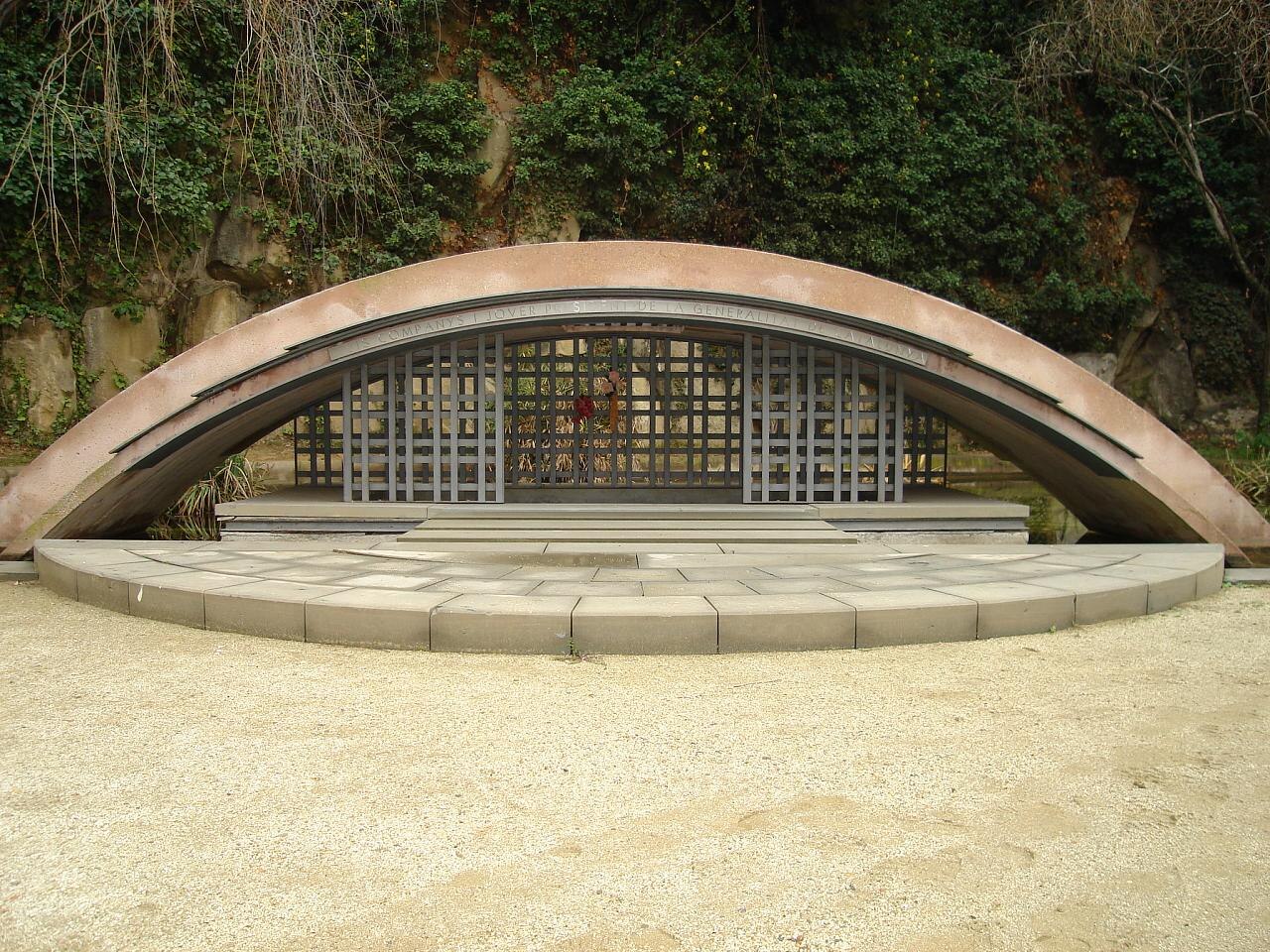
Fossar de la Pedrera
- Notable · Heritage site
- Historic monument
Language · 11 published
Place of worship · Barcelona
Cementiri de Montjuïc
Reviewed by Elena Voss · Roavina Travel Editor
| Monday | 08:00 – 18:00 |
|---|---|
| Tuesday | 08:00 – 18:00 |
| Wednesday | 08:00 – 18:00 |
| Thursday | 08:00 – 18:00 |
| Friday | 08:00 – 18:00 |
| Saturday | 08:00 – 18:00 |
| Sunday | 08:00 – 18:00 |
Parsed from OpenStreetMap opening hours on 2026-09-09.
It was established in 1884. It was built in the Catalan modernism style. It carries the With urban protection heritage designation.
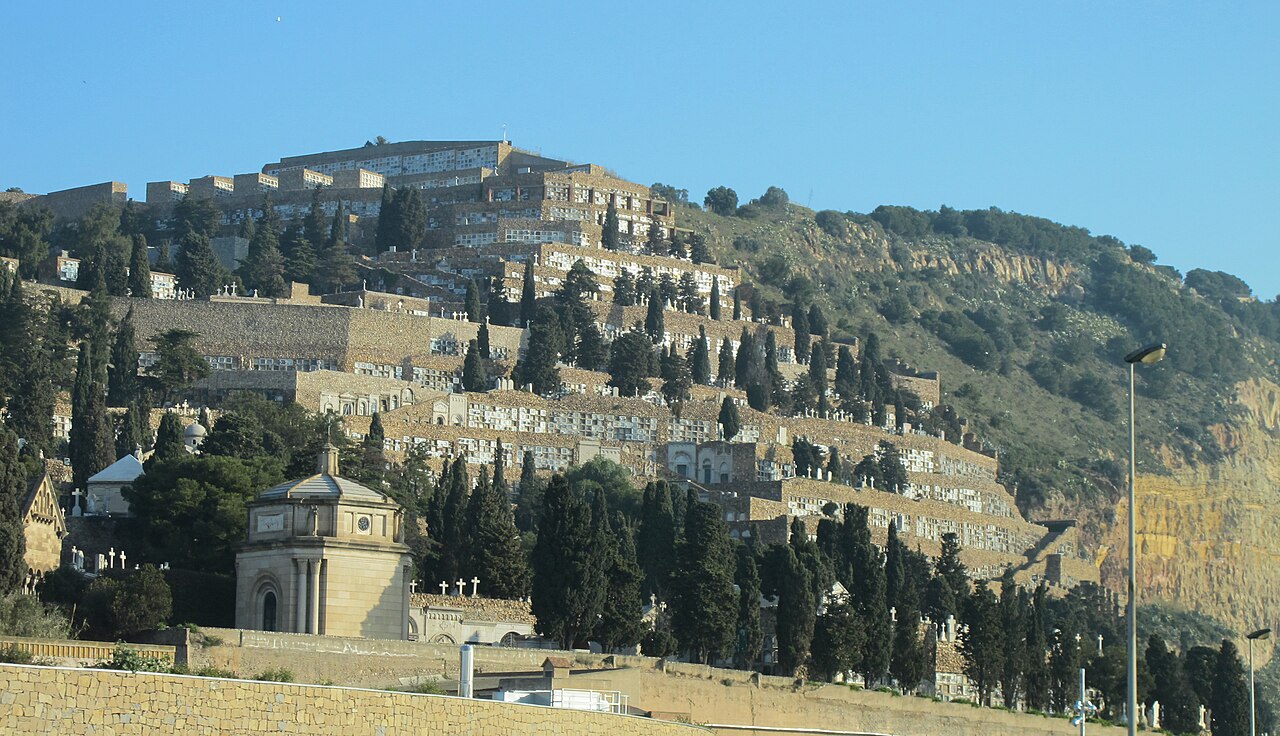
Montjuïc Cemetery, known locally as Cementiri de Montjuïc, is a historic burial ground located on Montjuïc hill in Barcelona, Spain. The cemetery occupies a prominent position overlooking the Mediterranean Sea and the city below. Established in the nineteenth century, it serves as the final resting place for numerous notable figures from Catalan and Spanish history. The site combines funerary architecture with panoramic urban and coastal views, making it a significant cultural landmark within Barcelona's broader Montjuïc district, which also contains museums, gardens, and Olympic facilities.
Checked 2026-08-26
The cemetery contains an extensive collection of mausoleums, family vaults, and memorial sculptures spanning multiple architectural styles. Notable monuments and artistic grave markers reflect changing tastes in funerary art from the late 1800s through the twentieth century. The sloping terrain creates terraced sections with varying perspectives across the grounds. Visitors encounter diverse stonework, ironwork, and sculptural elements. The cemetery's position on Montjuïc hill means it intermingles with the broader landscape of this elevated Barcelona district, where other attractions include the National Art Museum of Catalonia and the Olympic Stadium complex.
Checked 2026-08-26
A thorough visit to Montjuïc Cemetery typically requires between ninety minutes and two and a half hours, depending on individual pace and interest in reading inscriptions or examining architectural details. Those with specific genealogical research or particular graves to locate may need additional time. The hillside setting involves considerable walking on sloped paths and steps, which naturally moderates progress. Visitors combining the cemetery with other Montjuïc attractions should allocate a half-day or full day for the broader district. Photography enthusiasts and architecture students often extend their stay substantially beyond the minimum duration.
Checked 2026-08-26
Visitors should verify current opening times through official Barcelona city channels or direct cemetery administration contact before planning their trip. The Mediterranean climate generally offers mild conditions for much of the year, though summer midday heat on the exposed hillside can prove intense. Morning visits may provide softer light for observation and photography. The cemetery's elevation affords cooling breezes unavailable in the city center below. Seasonal atmospheric conditions affect visibility of the panoramic views that constitute part of the site's appeal to visitors. Check the operator's own site for the travel date before relying on a schedule or fare.
Checked 2026-08-26
Many historic European cemeteries operate without admission charges, though this cannot be assumed for Montjuïc Cemetery specifically. Visitors should confirm any applicable fees through official sources prior to arrival. Special guided tours, if offered, may involve separate pricing structures. The cemetery's integration into public municipal services rather than private commercial operation suggests accessibility, but verification remains essential. Budget-conscious travelers should note that numerous surrounding Montjuïc attractions including parks and certain viewpoints remain freely accessible regardless of cemetery-specific arrangements. Check the operator's own site for the travel date before relying on a schedule or fare.
Checked 2026-08-26
Montjuïc Cemetery occupies the southeastern slopes of Montjuïc hill, accessible via multiple transport options serving the broader district. The Barcelona Metro provides connections to stations at the hill's base, from which bus services or considerable uphill walking reaches cemetery entrances. Cable car and funicular systems serve other Montjuïc attractions though specific cemetery proximity varies. Road access exists for private vehicles and taxis. The hillside location demands physical exertion regardless of transport mode chosen for the final approach. Visitors with mobility limitations should research specific entrance points and path gradients before departure.
Checked 2026-08-26
Active burial operations may occur during visits, requiring respectful conduct and path awareness. Uneven surfaces, steps, and sloping terrain present trip hazards amplified by weather conditions. Exposed positions offer limited shade during summer months, necessitating sun protection and hydration. Some memorial areas may carry emotional weight for mourning visitors, warranting quiet demeanor throughout. The cemetery's size and terraced layout can disorient those seeking specific graves without adequate preparation. Mobile telephone coverage may prove inconsistent in recessed sections. Visitors should remain on designated paths to preserve grounds and avoid disturbing ongoing maintenance or ceremonial activities.
Checked 2026-08-26
The cemetery presents substantial photographic interest through its architectural variety, sculptural details, and commanding views across Barcelona's harbor and urban fabric. Morning and late afternoon light quality enhances three-dimensional grave monuments and creates atmospheric conditions. Visitors must exercise judgment regarding appropriate subjects, avoiding intrusive documentation of fresh graves or mourners. Tripod use may attract scrutiny or restrictions. The panoramic vistas from elevated cemetery sections complement closer studies of stonework and ironwork. Overcast conditions reduce harsh shadows on detailed surfaces. Respect for the site's primary funerary purpose should govern all photographic decisions regardless of technical opportunities presented.
Checked 2026-08-26
Montjuïc Cemetery is one of several burial grounds serving Barcelona, though it is among the most historically significant and prominently situated. The city maintains multiple cemeteries across its metropolitan area.
Genealogical research may be possible but specific procedures, required appointments, and available archives are Not recorded. Direct contact with cemetery administration or municipal records offices would be necessary.
Whether formal guided tours operate is Not recorded. Some Barcelona cultural programs occasionally include cemetery visits, but regular scheduled tours cannot be confirmed without checking current official sources.
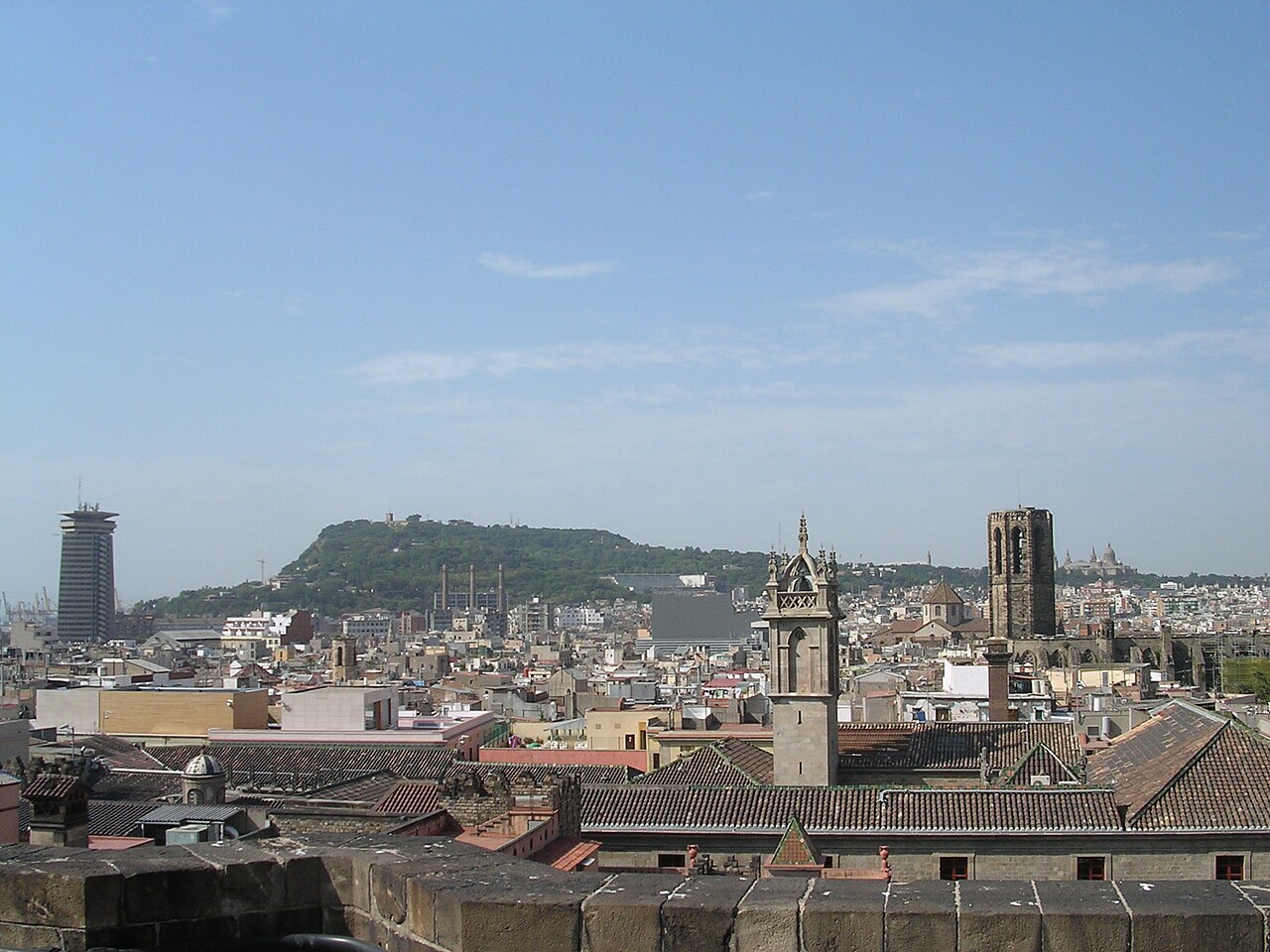
Montjuïc Cemetery shares the hill with museums, Olympic facilities, gardens, and fortifications, though it occupies a more secluded southeastern slope than the main tourist concentrations near the palace and stadium complex.
The steep hillside terrain with steps and sloping paths presents significant challenges. Specific accessible routes or entrances are Not recorded, requiring advance verification with official sources for individual needs assessment.
Specific burial records and comprehensive lists of notable interments are Not recorded in this context. Historical figures from Catalan arts, politics, and society are among those interred, but verification of particular graves requires dedicated research.
Loading the interactive map…
The interactive map could not be loaded.

Last updated:
Source: OpenStreetMap contributors, Wikidata ·