
6 min walk
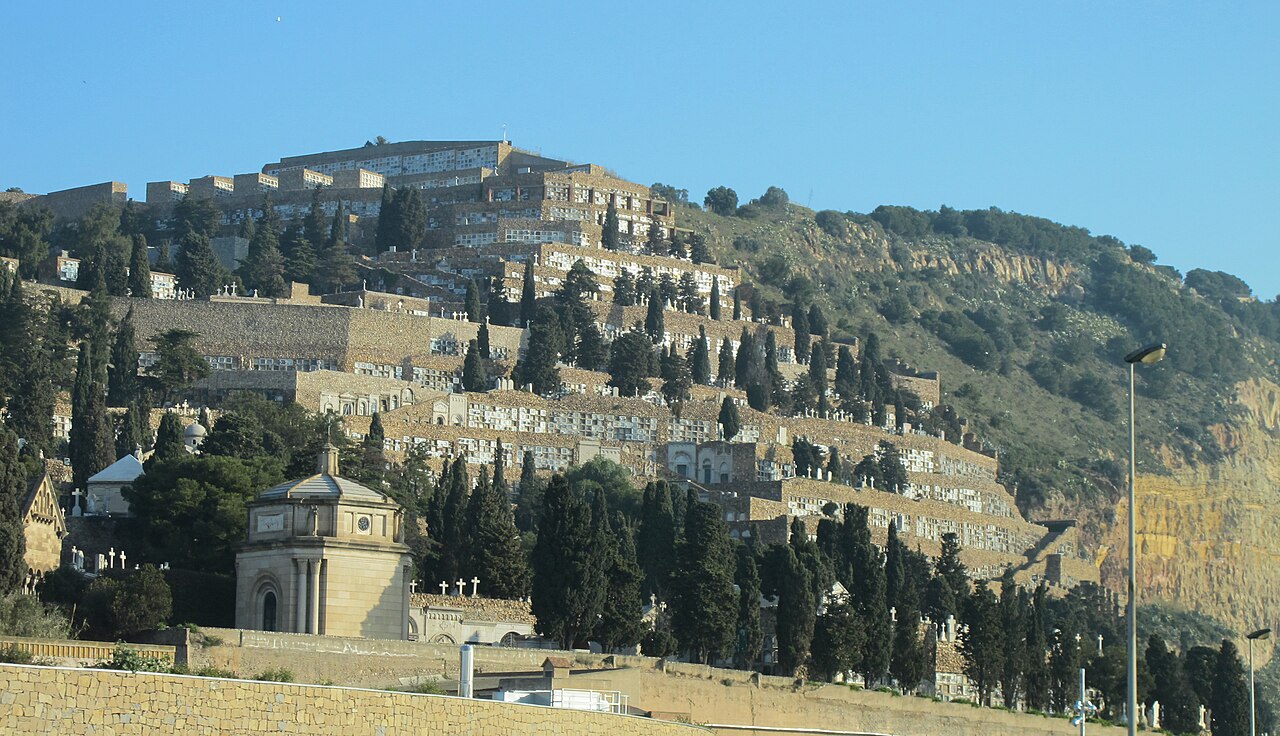
Montjuïc Cemetery
- High · Heritage site
- Place of worship
Language · 11 published
Historic monument · Barcelona
El Fossar de la Pedrera
Reviewed by Elena Voss · Roavina Travel Editor
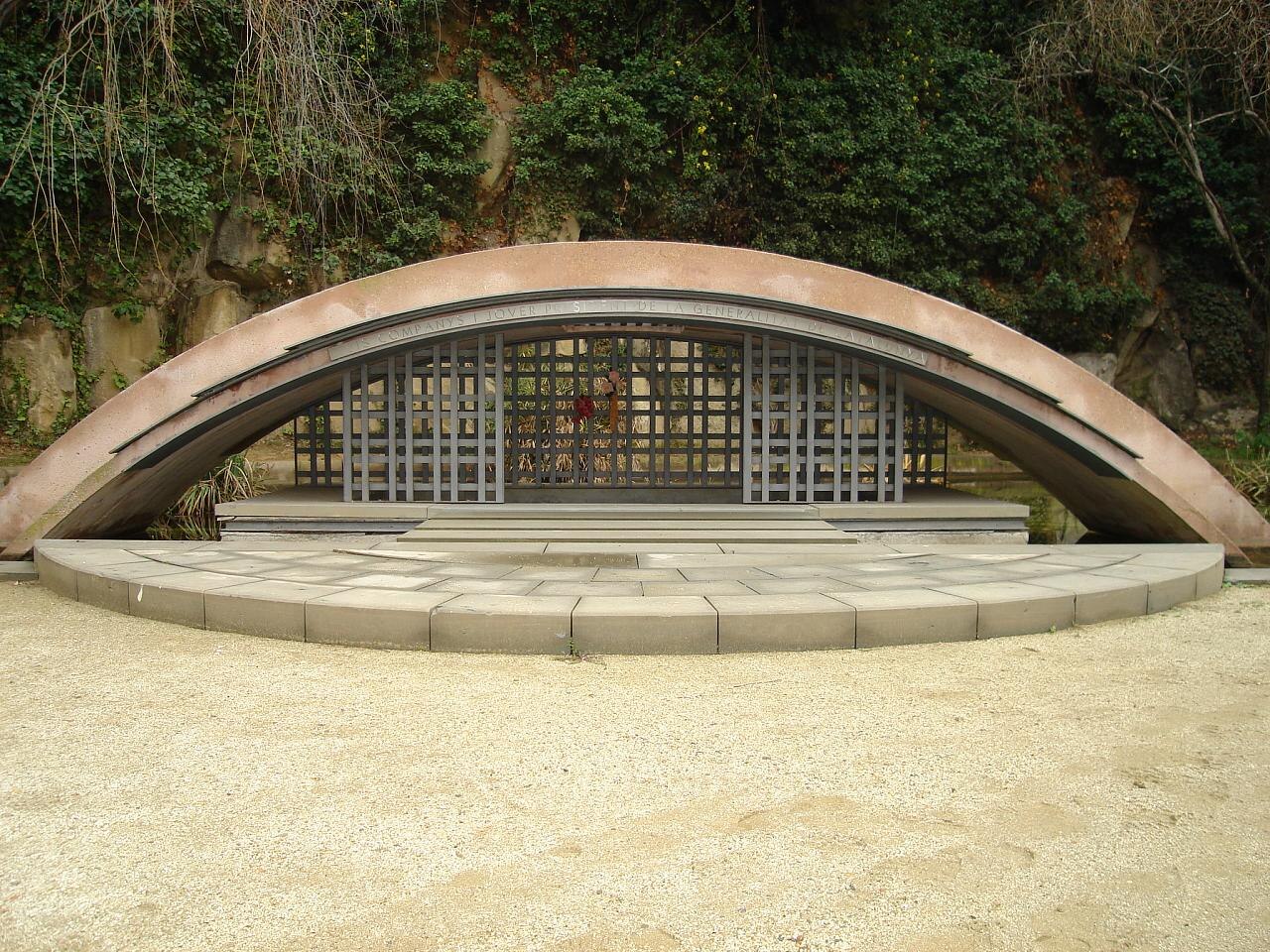
This place is a Memorial. It was established in 1985. It was designed by Elisabeth Galí i Camprubí. It carries the Monument (Spain) heritage designation.
Fossar de la Pedrera is a memorial and cemetery landscape on Montjuïc, Barcelona. The former quarry is connected with victims of the Spanish Civil War and Franco-era repression, making it one of the city’s most serious places of remembrance. Its significance lies in the combination of terrain, burial grounds, commemorative design, and historical memory. Visit with time to absorb the setting rather than treating it as a quick scenic viewpoint or ordinary sightseeing stop. Fossar de la Pedrera is a memorial site in Barcelona, known locally as El Fossar de la Pedrera. It occupies a quarry area with historical significance related to the Spanish Civil War and Franco era. The site serves as a cemetery and place of remembrance for victims of repression. Its location within the Montjuïc area connects it to broader layers of Barcelona's difficult twentieth-century history. The memorial holds particular importance for understanding local memory politics and commemoration practices in Catalonia. A flexible visit lets travellers connect Fossar de la Pedrera with the rest of the day without treating one room, viewpoint or photograph as the whole experience. The useful pace depends on personal interest and conditions on arrival. No. Fossar de la Pedrera is a distinct memorial site within the broader Montjuïc area, separate from the main municipal cemetery, though both occupy related terrain.
Checked 2026-08-26 · Source
The site preserves the character of the quarry while incorporating mass graves, burial areas, memorial sculptures, plaques, and landscaped spaces. These elements create a place for both historical understanding and private remembrance. The arrangement is not a conventional museum route: visitors move through an outdoor memorial environment where inscriptions and physical spaces carry much of the meaning. Read the commemorative details carefully and give other visitors room for quiet reflection. The site contains mass graves and memorial installations marking burial locations. Visitors encounter commemorative plaques, sculptures, and landscaped elements integrated into the former quarry terrain.
Checked 2026-08-26 · Source
A respectful visit usually takes thirty minutes to one hour. That allows time to move through the memorial, read inscriptions, look at the sculptures and burial areas, and pause without hurrying. Visitors with a strong interest in the Spanish Civil War, Franco-era repression, or family remembrance may need longer. The site is compact enough to combine with other Montjuïc stops, but its emotional weight makes a rushed schedule feel inappropriate.
Checked 2026-08-26 · Source
Daylight is the most suitable time for reading inscriptions and negotiating the former quarry terrain. Choose a cooler part of the day in summer because the memorial is exposed to the weather. After rain, loose or uneven surfaces may require extra care. The atmosphere is generally better suited to a quiet daytime visit than to a hurried evening stop. Build the memorial into a Montjuïc route with enough unhurried time for contemplation.
Checked 2026-08-26 · Source
Fossar de la Pedrera is experienced as an outdoor memorial and burial site rather than as a ticketed museum. The visit centres on the memorial landscape, inscriptions, sculptures, and graves. Keep the focus on remembrance rather than on commercial sightseeing. If you are planning several Montjuïc attractions in the same day, treat any separate museum or monument admission as unrelated to the memorial itself.
Checked 2026-08-26 · Source
Fossar de la Pedrera lies in the Montjuïc area and requires a final approach on foot from the surrounding public-transport network. Bus services can reduce the climb depending on the route, while metro access to the broader hill is followed by walking. The quarry setting brings slopes and uneven ground, so comfortable footwear matters. Private-car access is less straightforward than reaching central Barcelona, and parking on Montjuïc can be limited.
Checked 2026-08-26 · Source
Expect uneven ground, loose surfaces, and changes in level across the former quarry. Wear shoes with reliable grip and take care on hot days, when shade and shelter are limited. This is a place of mass burial and political remembrance, so keep voices low and avoid behaviour that turns the memorial into a casual backdrop. Give mourners and commemorative visitors privacy. Plan basic needs before arriving because the site is not presented as a service-filled attraction.
Checked 2026-08-26 · Source
Photographs should document the memorial with restraint and respect. Plaques, sculptures, quarry walls, and landscaped spaces can be photographed when no one’s private remembrance is interrupted. Avoid celebratory poses, intrusive close-ups of mourners, or images that make the mass graves feel like a spectacle. Frame the site to communicate its atmosphere and history. If another visitor is commemorating someone, lower the camera and allow them complete privacy.
Checked 2026-08-26 · Source
It is a memorial and burial site in a former Montjuïc quarry, associated with victims of the Spanish Civil War and Franco-era repression.
The memorial includes mass graves, burial areas, commemorative plaques, sculptures, landscaped spaces, and the preserved character of the former quarry.
Allow thirty minutes to one hour for a quiet visit with time to read inscriptions, view the memorial elements, and reflect.
The memorial is in Barcelona’s Montjuïc area, reached through the hill’s public-transport network followed by a walking approach.
Wear comfortable shoes with good grip because the former quarry includes uneven ground, loose surfaces, slopes, and changes in level.
Keep the atmosphere quiet and respectful, avoid intrusive photography, and give people who are mourning or commemorating someone enough privacy.
Loading the interactive map…
The interactive map could not be loaded.
Last updated:
Source: OpenStreetMap contributors, Wikidata ·