
2 min walk
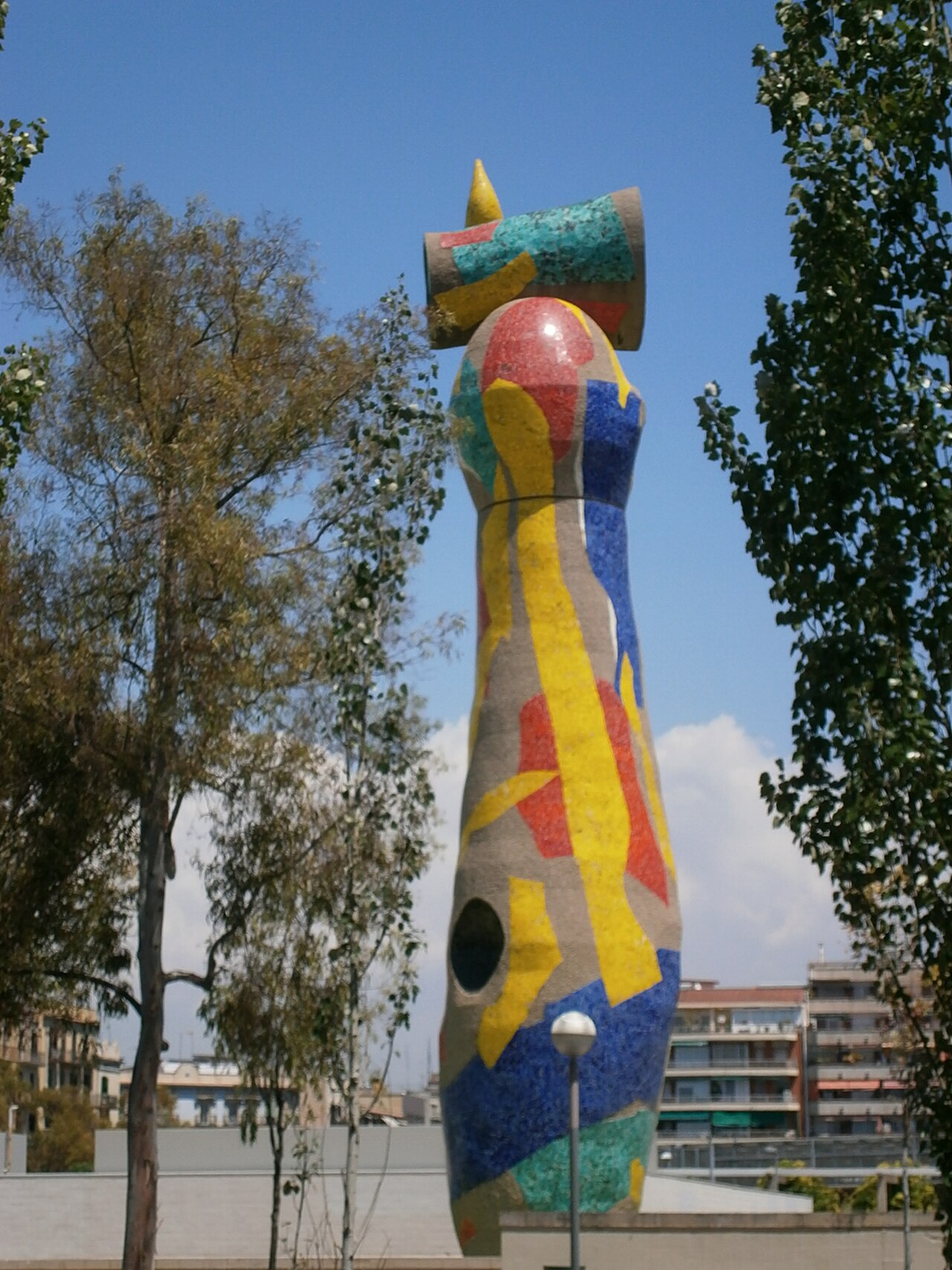
Dona i Ocell
- Must see · Heritage site
- Art and culture venue
Language · 11 published
Nature site · Barcelona
Reviewed by Elena Voss · Roavina Travel Editor
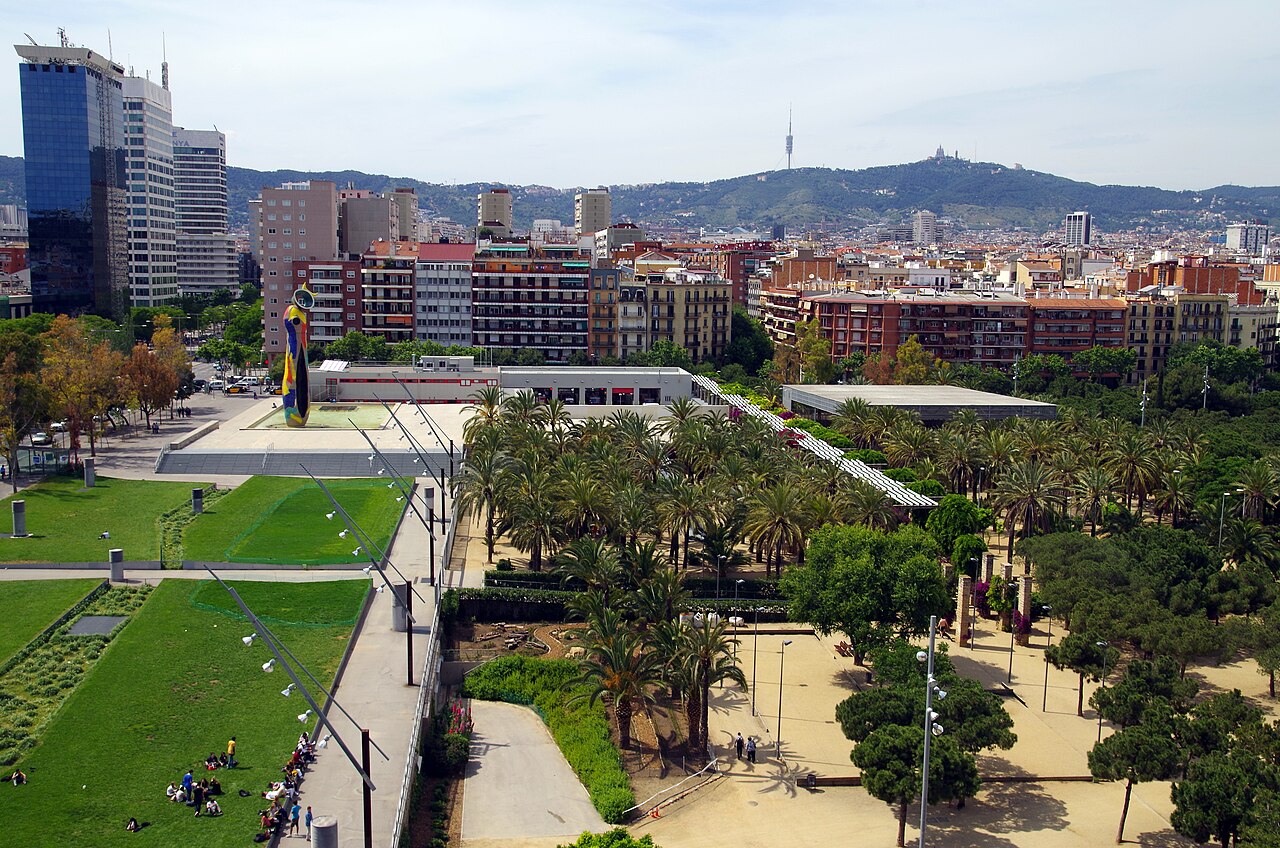
This place is a Park. It opened in 1983. It carries the Cultural Asset part of the cultural heritage of Catalonia heritage designation.
Parc de Joan Miró is a public park in Barcelona’s Eixample, close to Plaça d’Espanya and the Fira de Barcelona area. Its defining landmark is Dona i Ocell, Joan Miró’s large outdoor sculpture, which brings modern art into an everyday civic landscape. The park offers a change of rhythm from Barcelona’s avenues and dense blocks: you can walk among trees, grass, paved paths, and open space while keeping the sculpture as the visual centre of the visit. Choose it for an accessible outdoor pause that combines urban greenery with one of the city’s most distinctive public artworks.
Checked 2026-08-26 · Source
The park is organised around the presence of Dona i Ocell, an abstract figure covered in coloured ceramic tiles. The sculpture’s scale makes it visible from different points in the park, while its colours stand out against the surrounding green and paved areas. Trees, grass, seating, and walkways create several ways to experience the work: approach for surface detail, step back for the full silhouette, or sit nearby and watch the park’s everyday movement. The open layout also leaves room to connect the artwork with the surrounding city, including the broad urban setting near Plaça d’Espanya.
Checked 2026-08-26 · Source
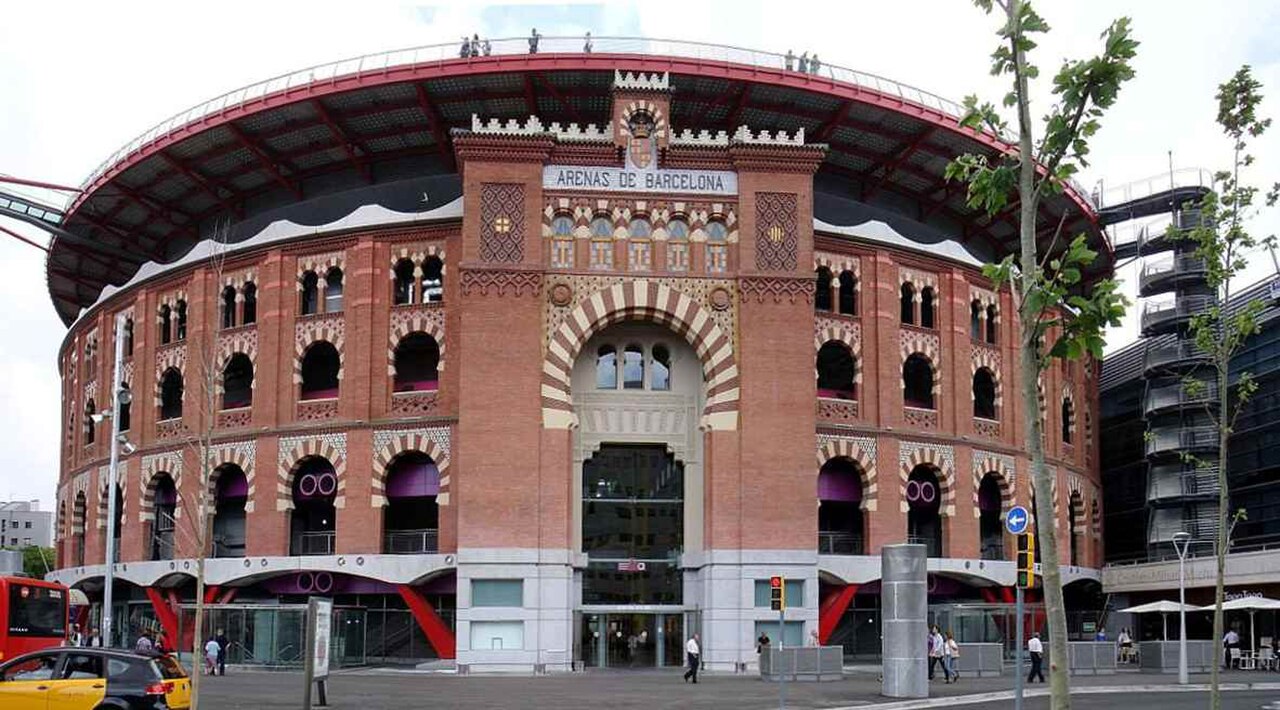
Allow thirty minutes to one hour for a straightforward visit to Parc de Joan Miró. That is enough to walk the main paths, see Dona i Ocell from several angles, and pause in the landscaped areas. Art lovers may stay longer to study the ceramic surface and the relationship between sculpture, planting, and surrounding buildings. The park is easy to combine with Plaça d’Espanya, the Fira de Barcelona exhibition complex, or a broader route through the city. Treat it as an open-air stop with flexible timing rather than a place that requires a long, fixed programme.
Checked 2026-08-26 · Source
Visit during daylight when the sculpture’s coloured ceramic tiles and large silhouette are easiest to appreciate. Morning or late afternoon can give the park a gentler atmosphere and more comfortable conditions than the hottest part of a summer day. Because this is an outdoor public space, rain, strong sun, and temperature will shape how long you want to stay. The park also works well as a breathing space between indoor attractions and busy transport areas. Plan it around the daylight portion of your Barcelona route, leaving flexibility for a short walk or a longer seated pause.
Checked 2026-08-26 · Source
Parc de Joan Miró is a public park, so general entry is free and no museum-style ticket is needed for a normal visit. That makes it an easy addition to a Barcelona itinerary when you want to see a major artwork without setting aside a formal gallery session. Spend as little as half an hour or stay longer with the paths, seating, and sculpture. Special activities or events can change the character of a public space, but the everyday park visit is planned as an open civic experience rather than a paid attraction.
Checked 2026-08-26 · Source
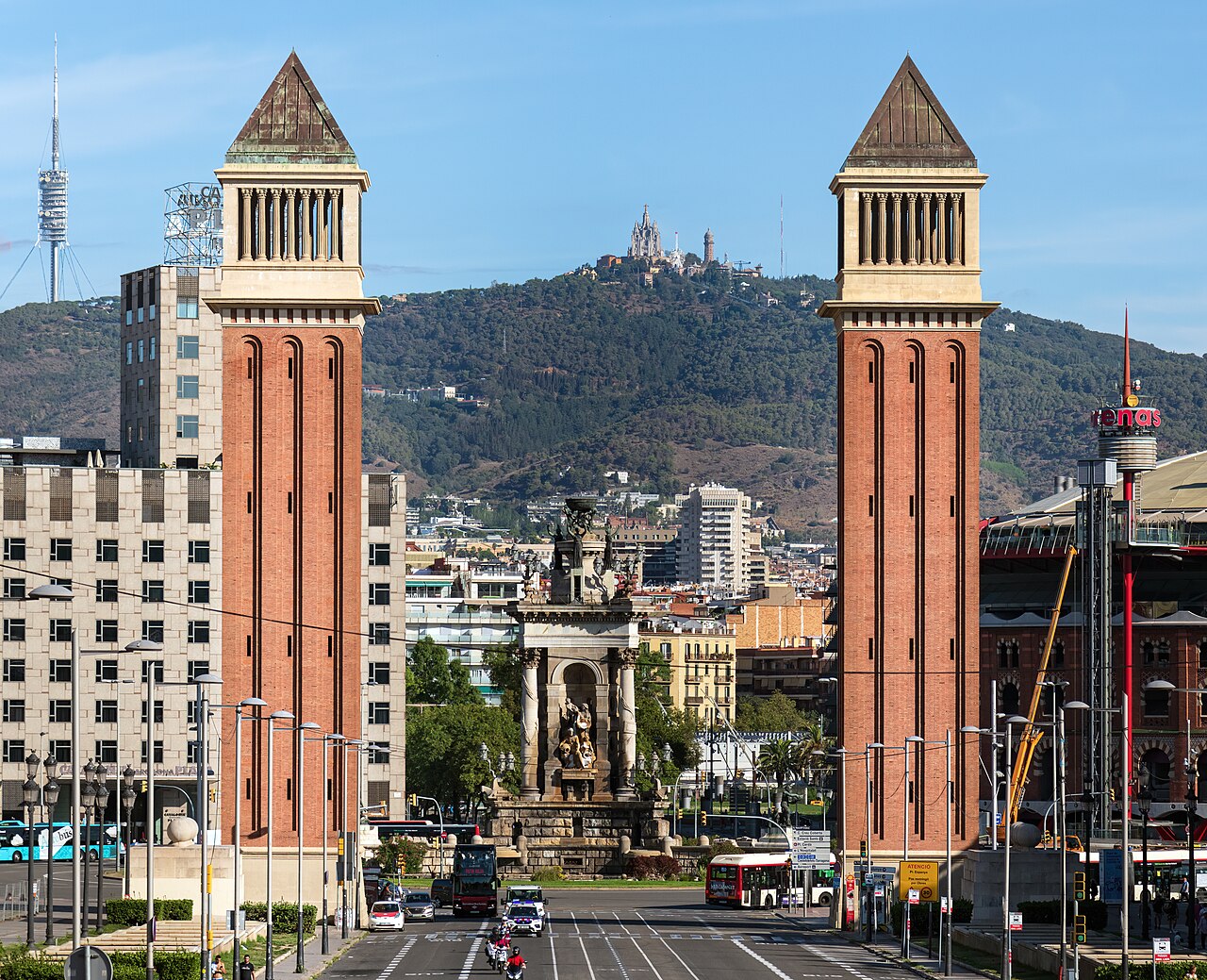
Espanya station is the key transport reference for Parc de Joan Miró, with metro lines L1, L3, and L8 serving the Plaça d’Espanya area. From the station, continue on foot through the busy streets around the square toward the park. Several bus routes also serve the interchange. The location is practical for walkers moving between central Barcelona and Montjuïc, while drivers face the usual parking pressure of a busy central district. Cycling is another option through the surrounding urban network. Use Plaça d’Espanya as your orientation point, then let the open park replace the dense street scene.
Checked 2026-08-26 · Source
The park is open and exposed, so sun and rain can affect comfort more than they would at an indoor attraction. The tiled surface of Dona i Ocell may be slippery when wet; give the sculpture space and avoid treating it as climbing equipment. Nearby event venues can make the area busier and noisier at particular times. Keep personal belongings secure in the surrounding city and watch the ground on paved paths. The park has no enclosed museum-style entrance, so its appeal depends on choosing a comfortable time of day and allowing the outdoor setting to shape your pace.
Checked 2026-08-26 · Source
Dona i Ocell is the park’s central photographic subject. Start with a wide view that shows the sculpture’s full height against the trees and city buildings, then move around it to capture the coloured ceramic surface and changing silhouette. Seating, paths, and planted areas provide foreground lines that connect the artwork to daily park life. Daylight is essential for the strongest colour, with softer morning or late-afternoon light offering a calmer mood. Photograph from public paths and give other visitors room, especially when the park is busy.
Checked 2026-08-26 · Source
No. This is a public park with the outdoor sculpture Dona i Ocell. The Joan Miró Foundation is a separate museum on Montjuïc.
The main artwork is Dona i Ocell, Joan Miró’s large abstract sculpture covered in coloured ceramic tiles.
Allow thirty minutes to one hour for the paths, landscaped areas, seating, and several views of Dona i Ocell.
It is in Barcelona’s Eixample near Plaça d’Espanya and the Fira de Barcelona exhibition complex.
Yes. It is a public park, so general entry is free and no normal museum ticket is needed.
Daylight is the essential condition; morning and late afternoon can provide softer light for the sculpture’s coloured ceramic tiles.
Loading the interactive map…
The interactive map could not be loaded.
Last updated:
Source: OpenStreetMap contributors, Wikidata ·