
2 min walk
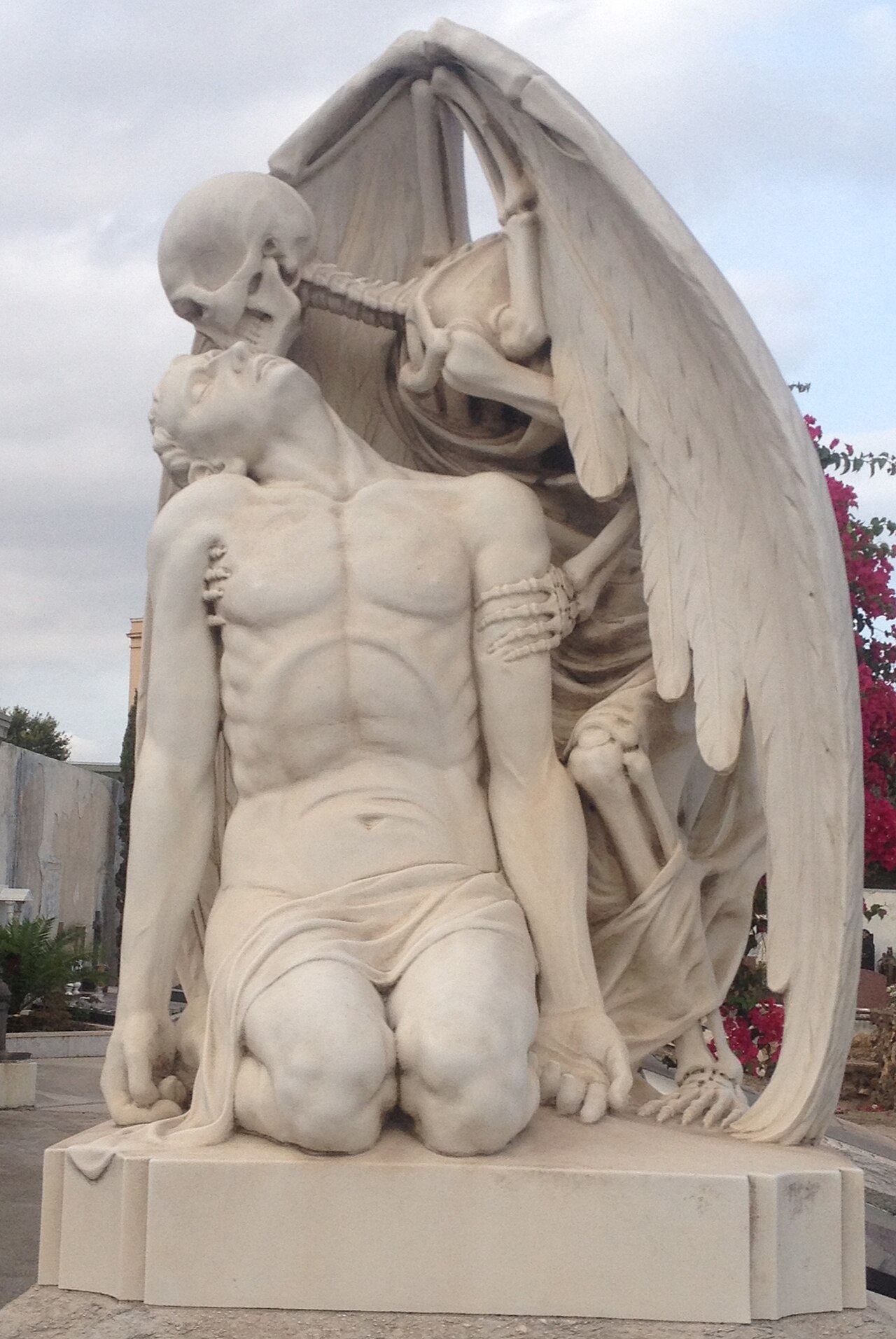
The Kiss of Death
- Must see
- Art and culture venue
Language · 11 published
Place of worship · Barcelona
Cementiri del Poblenou
Reviewed by Elena Voss · Roavina Travel Editor
| Monday | 08:00 – 18:00 |
|---|---|
| Tuesday | 08:00 – 18:00 |
| Wednesday | 08:00 – 18:00 |
| Thursday | 08:00 – 18:00 |
| Friday | 08:00 – 18:00 |
| Saturday | 08:00 – 18:00 |
| Sunday | 08:00 – 18:00 |
Parsed from OpenStreetMap opening hours on 2026-09-09.
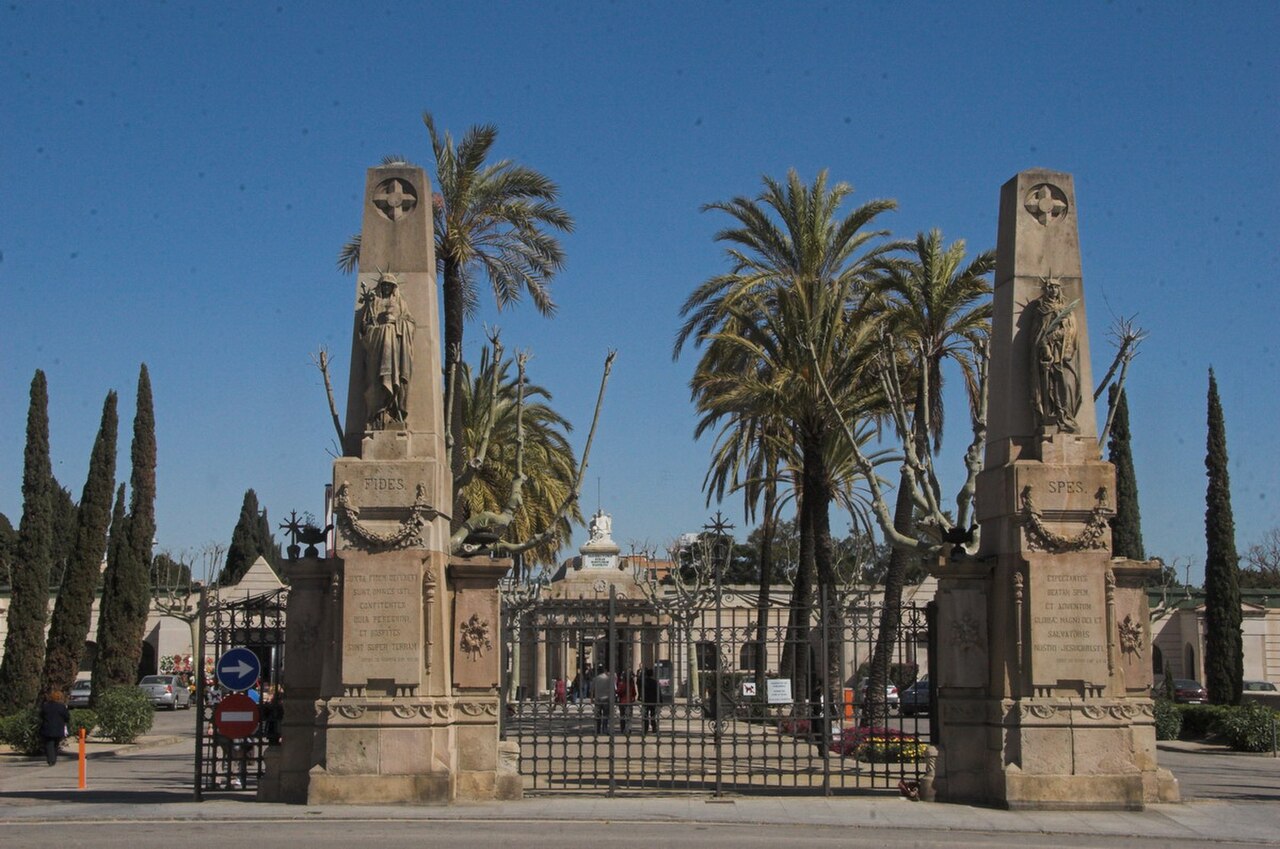
It was established in 1775. It was built in the Neoclassical architecture style. It was designed by Josep Nolla i Inglada. It is built of stone. It carries the Cultural Asset of Local Interest heritage designation.
Poblenou Cemetery, known locally as Cementiri del Poblenou, is a historic burial ground in Barcelona. Established in the 18th century, it represents one of the city's oldest cemeteries and serves as a significant cultural landmark. The site reflects Barcelona's evolving attitudes toward death, commemoration, and public space. Located in the Poblenou district, which transformed from an industrial area to a creative hub, the cemetery stands as a testament to the neighbourhood's layered history. Its monuments and layout illustrate changing funerary customs across generations. Visitors encounter a space where architectural expression meets personal remembrance, offering insight into Catalan social traditions and urban development patterns over centuries.
Checked 2026-08-26 · Source
The cemetery contains numerous mausoleums, tombs, and sculptural monuments representing various artistic styles from neoclassical to modernist periods. Notable funerary art includes carved stone figures, decorative ironwork, and symbolic religious imagery. Family vaults display wealth and status through elaborate construction. The grounds feature tree-lined pathways creating contemplative spaces between burial sections. Some monuments commemorate prominent Barcelona families and historical figures. The architectural diversity reflects changing tastes and available materials across eras. Weathered inscriptions reveal demographic patterns and linguistic evolution. The cemetery's compact urban footprint necessitates dense vertical memorialization, producing a distinctive visual character unlike rural burial grounds. Vegetation intermingles with stonework, generating atmospheric decay and renewal.
Checked 2026-08-26 · Source
Visitors typically spend between forty-five minutes and ninety minutes exploring Poblenou Cemetery, depending on interest in funerary art and historical detail. Casual observers walking the main pathways may complete a visit more quickly. Those examining individual monuments, reading inscriptions, and photographing architectural features require additional time. The site's manageable size permits thorough exploration without excessive duration. Combining the cemetery with surrounding Poblenou neighbourhood attractions extends the overall excursion. Personal pacing varies significantly based on cultural background, as some visitors approach cemeteries as solemn memorial spaces while others engage them as heritage sites. Weather conditions may influence comfortable visit length during extreme temperatures.
Checked 2026-08-26 · Source
Visitors should verify current accessibility before planning their trip, as cemetery opening schedules may vary seasonally or follow municipal regulations. Morning visits generally offer cooler temperatures and softer lighting for observation. Midday periods in summer months can prove uncomfortably warm given limited shade coverage. Weekday visits typically encounter fewer visitors than weekends, permitting more contemplative experience. Local funeral services occasionally restrict access to certain areas; respectful distance from active ceremonies remains essential. Holiday periods may affect normal operations. Checking official Barcelona city resources or contacting local tourist information services provides the most reliable timing guidance for this municipal facility.
Checked 2026-08-26 · Source
Municipal cemeteries in Barcelona typically operate as free public spaces, though this specific site's current policy requires direct verification. No advance booking information is confirmed. Donation mechanisms or guided tour fees may exist separately from general admission. Special photography permits or commercial filming authorizations sometimes involve charges at heritage locations. Budget-conscious travellers can reasonably anticipate free entry based on comparable European municipal cemetery practices, but individual verification remains prudent. Contacting Barcelona's cemetery administration or cultural heritage offices clarifies any applicable costs before visiting this historic site.
Checked 2026-08-26 · Source
Poblenou Cemetery sits within the Poblenou district of Barcelona, accessible via the city's public transportation network. The area connects to central Barcelona through metro lines, with nearby stations requiring subsequent walking. Bus routes serve surrounding streets with varying frequency. Bicycle infrastructure in the modernized Poblenou neighbourhood supports cycling access. Walking from the beachside or from nearby technology district offices provides pleasant approach options. The cemetery's urban location lacks dedicated parking, suggesting public transit or walking as preferable arrival methods. Street signage in Catalan and Spanish assists navigation. Visitors unfamiliar with Barcelona's grid should consult updated transit applications.
Checked 2026-08-26 · Source
Visitors must maintain respectful behaviour appropriate to active burial grounds. Active funeral services require immediate deference and spatial withdrawal. Uneven pathways and weathered stone surfaces present trip hazards, particularly in damp conditions. Some monuments may be unstable after centuries of exposure. Limited shade creates sun exposure risks during summer months. Personal belongings require standard urban vigilance despite the contemplative atmosphere. Photography of mourners or recent graves demands particular sensitivity and often avoidance. Language barriers may complicate understanding of temporary access restrictions. The cemetery's integration into a transforming neighbourhood means surrounding construction activity occasionally affects approach routes. Evening visits raise personal safety considerations common to any urban location with reduced foot traffic.
Checked 2026-08-26 · Source
The cemetery offers substantial photographic interest through its sculptural monuments, textural stone surfaces, and atmospheric juxtapositions of nature and human craftsmanship. Morning and late afternoon light enhances dimensional qualities of carved figures and architectural details. Overcast conditions reduce harsh shadows on intricate relief work. Tripod usage may attract attention or restrictions; discreet handheld techniques prove more adaptable. Respectful framing excludes active mourners and identifiable recent graves. Black-and-white treatment often emphasizes form and historical gravitas. Close examination reveals decorative ironwork, weathered inscriptions, and botanical details worthy of documentation. The compact vertical arrangement creates layered compositional possibilities uncommon in spacious modern cemeteries. Visitors should remain prepared to cease photographing if circumstances warrant.
Checked 2026-08-26 · Source
The cemetery remains an active municipal burial ground, meaning visitors may encounter ongoing funeral services and should conduct themselves with appropriate respect and sensitivity.
Visitors interested in structured interpretation should consult Barcelona tourism offices or cultural heritage organizations for current programming.
Children may accompany adults, though parents should prepare them for the environment's purpose and supervise behaviour to maintain respect for this active memorial space and any services occurring.
Historic cemetery pathways often present surface irregularities; visitors requiring level access should verify current conditions through official Barcelona channels before visiting.
Visitors should plan accordingly, utilizing neighbourhood commercial establishments or public facilities in the surrounding Poblenou district.
Both are historic Barcelona burial grounds, but Poblenou Cemetery predates Montjuïc as the city's original main cemetery, offering earlier architectural examples within a more compact urban footprint rather than hillside expansion.
Loading the interactive map…
The interactive map could not be loaded.
Last updated:
Source: OpenStreetMap contributors, Wikidata ·