
3 min walk
Sant Sebastià
- Notable
- Nature site
Language · 11 published
Historic monument · Barcelona
Torre de Sant Sebastià
Reviewed by Elena Voss · Roavina Travel Editor
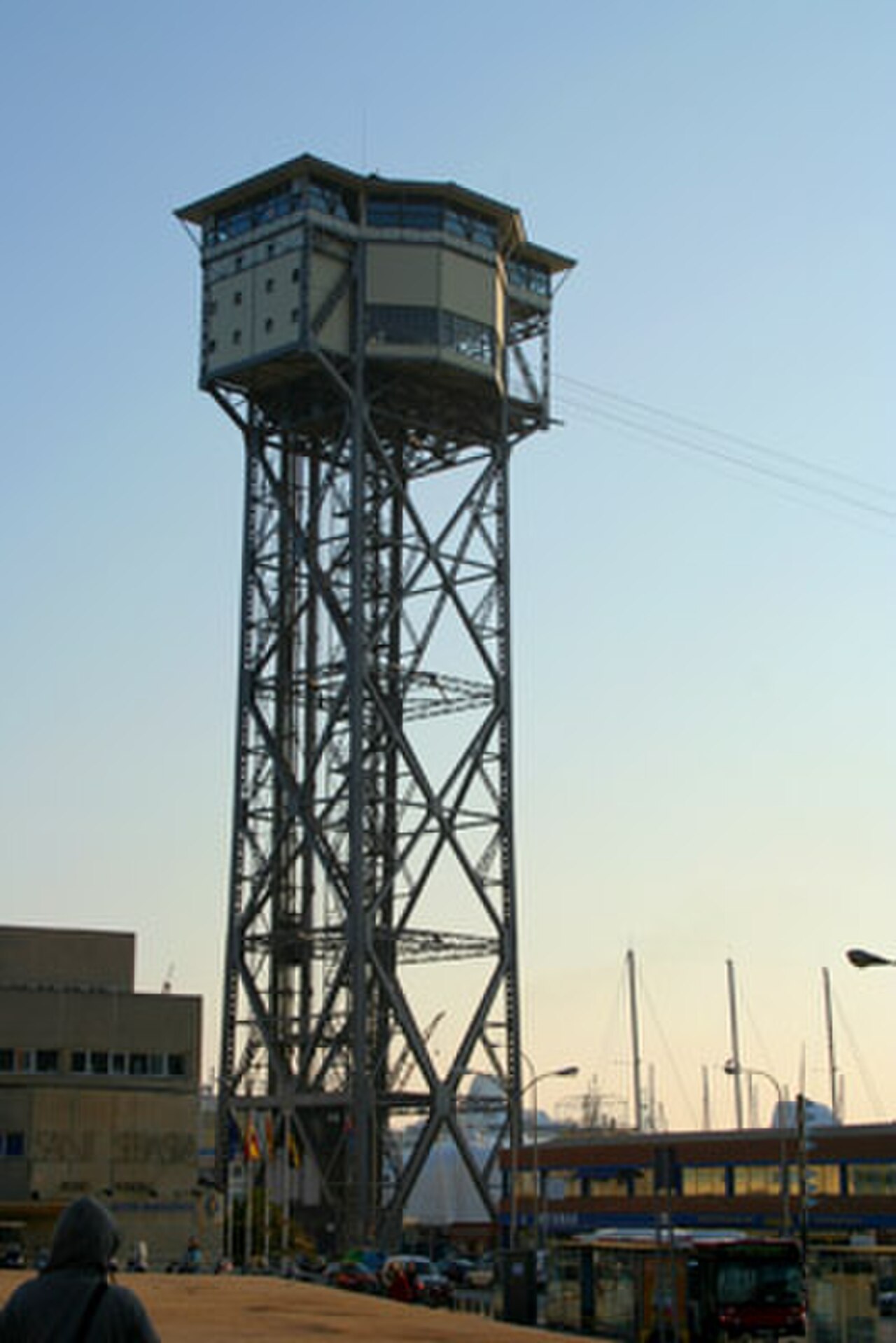
It was established in 1931. It was built in the cast-iron architecture style. It was designed by Carles Buïgas. It carries the Cultural Asset of Local Interest heritage designation.
Torre Sant Sebastià, also known as Torre de Sant Sebastià, is a specifically mapped tower structure in Barcelona, identified as way/126760606 in OpenStreetMap. Its practical value is the opportunity to recognise this named structure within the city’s built environment and consider its relationship with the surrounding streetscape. The record distinguishes it from other places carrying the Sant Sebastià name, but confirms no museum, exhibition, historical interpretation, or regular visitor programme. Plan it as a focused exterior-observation stop unless access is clearly authorised on site.
Checked 2026-09-02 · Source
No interior rooms, displays, installations, viewing areas, staircases, or interpretation are confirmed for visitors. The name identifies the tower but does not establish that it is staffed, open, or arranged for sightseeing. The dependable experience is therefore the structure as seen from permitted public surroundings. If an entrance, notice, or invitation is present, follow the conditions stated by the responsible authority. Do not cross barriers, open secured gates, or enter service areas to investigate the building. Nothing in the place record confirms a collection, religious interior, observation deck, or other visitor facility inside. The visible exterior is the only reliably described element.
Checked 2026-09-02 · Source
There is no confirmed public route, interior programme, exhibition content, or defined visitor circuit for this tower, so a formal visit duration cannot be assigned. Allow a flexible stop for locating the structure, viewing it from permitted surroundings, and reading visible notices. An exterior look may be brief, while a longer stay makes sense only if authorised access or interpretation is available when you arrive. Keep the stop adaptable rather than scheduling a timed indoor visit. If the tower remains exterior-only, pair it with nearby streets or landmarks instead of treating it as a full museum visit. Its role is an optional observation stop, not a guaranteed timed attraction. Leave room for orientation and photography from a safe public position.
Checked 2026-09-02 · Source
No operator schedule or confirmed public opening pattern is available for Torre Sant Sebastià. Daylight is practical for identifying the tower, understanding its relationship with the surrounding urban fabric, and reading signs or barriers, but it does not establish access. Build flexibility into the visit because the structure may be closed, appointment-only, operational, or visible only from outside. A daytime arrival also makes the final approach easier to assess. Avoid planning a special late-evening visit when access conditions are unknown, and place this optional stop alongside other daytime plans. Daylight also helps distinguish public routes from restricted boundaries.
Checked 2026-09-02 · Source
No admission price, free-entry statement, booking requirement, group rate, combination ticket, or payment method is supplied by an operator or responsible public body for Torre Sant Sebastià. Ticket information is therefore unavailable, not evidence that entry is free. If an entrance, appointment system, or temporary event is offered, use only terms stated by the responsible authority. Do not buy an unrelated Barcelona attraction ticket expecting it to include this tower; no applicable fare or timed slot has been verified. Budgeting for a ticket is therefore not possible from the available record.
Checked 2026-09-02 · Source
Search for the exact mapped identity way/126760606 in a current navigation tool before setting out. Barcelona’s metro, bus, taxi, and pedestrian networks can support the wider journey, but the available record does not identify a dependable entrance or final approach corridor. Follow public routes and local signs toward a permitted viewpoint, then confirm that the route ends outside any restricted boundary. Check the last walk against current signs as you go. Navigation to the mapped structure is not permission to enter it, so leave extra time for orientation and use only clearly public approaches. The final metres should be treated as an access check, not a confirmed visitor route.
Checked 2026-09-02 · Source
No visitor rules, managed entrance, security arrangement, lighting information, or surface description is confirmed. Keep clear of barriers, service areas, traffic, and marked exclusion zones, and treat private, operational, religious, or restricted space as off-limits unless permission is explicit. Assess the approach carefully, keep children close to an accompanying adult near roads or uncertain boundaries, and leave if conditions are unsuitable. Do not interpret the tower’s mapped presence as permission to enter surrounding property.
Checked 2026-09-02 · Source
External photography may be possible from clearly public viewpoints, but no policy confirms close approach, tripod use, commercial work, drone flights, or photography of restricted areas. Respect privacy, security notices, barriers, and the ordinary use of surrounding streets. The tower’s photographic interest is its visible form and relationship with Barcelona’s urban fabric, so choose a safe public viewpoint rather than entering an uncertain area. Avoid obstructing pedestrians while composing a view. If on-site signage limits photography, follow it even when the structure is visible from a public route. A wider streetscape image may be more practical than a close study from an unauthorised position. Keep equipment and movement within the clearly public space around the view.
Checked 2026-09-02 · Source
Public access, opening hours, and an entrance arrangement have not been established. Plan around viewing the tower from permitted public surroundings, and follow any official notice or access condition you encounter.
The place record confirms a named tower structure in Barcelona, but does not establish its historical function, architectural period, original purpose, or detailed background. Those details should not be inferred from the name alone.
Guided tours, interpretation, and scheduled entry have not been established. Treat the site as an exterior observation unless a responsible authority clearly offers organised access or a temporary programme.
The supplied record indicates limited step-free access but does not identify the affected route or provide a responsible-body accessibility description. Assess the approach cautiously before proceeding; reaching the mapped structure does not guarantee visitor access.
No child-specific facilities or guidance have been established. Children should remain with an accompanying adult, and any visit should stay within clearly permitted public surroundings rather than uncertain or restricted areas.
Restrooms, drinking water, baby changing, pushchair access, and other visitor facilities have not been established. Plan without relying on amenities at the tower itself.
Loading the interactive map…
The interactive map could not be loaded.

Last updated:
Source: OpenStreetMap contributors, Wikidata ·