


28 min walk
Untitled
- Notable
- Art and culture venue
Language · 11 published
Family attraction · Madrid
Reviewed by Elena Voss · Roavina Travel Editor
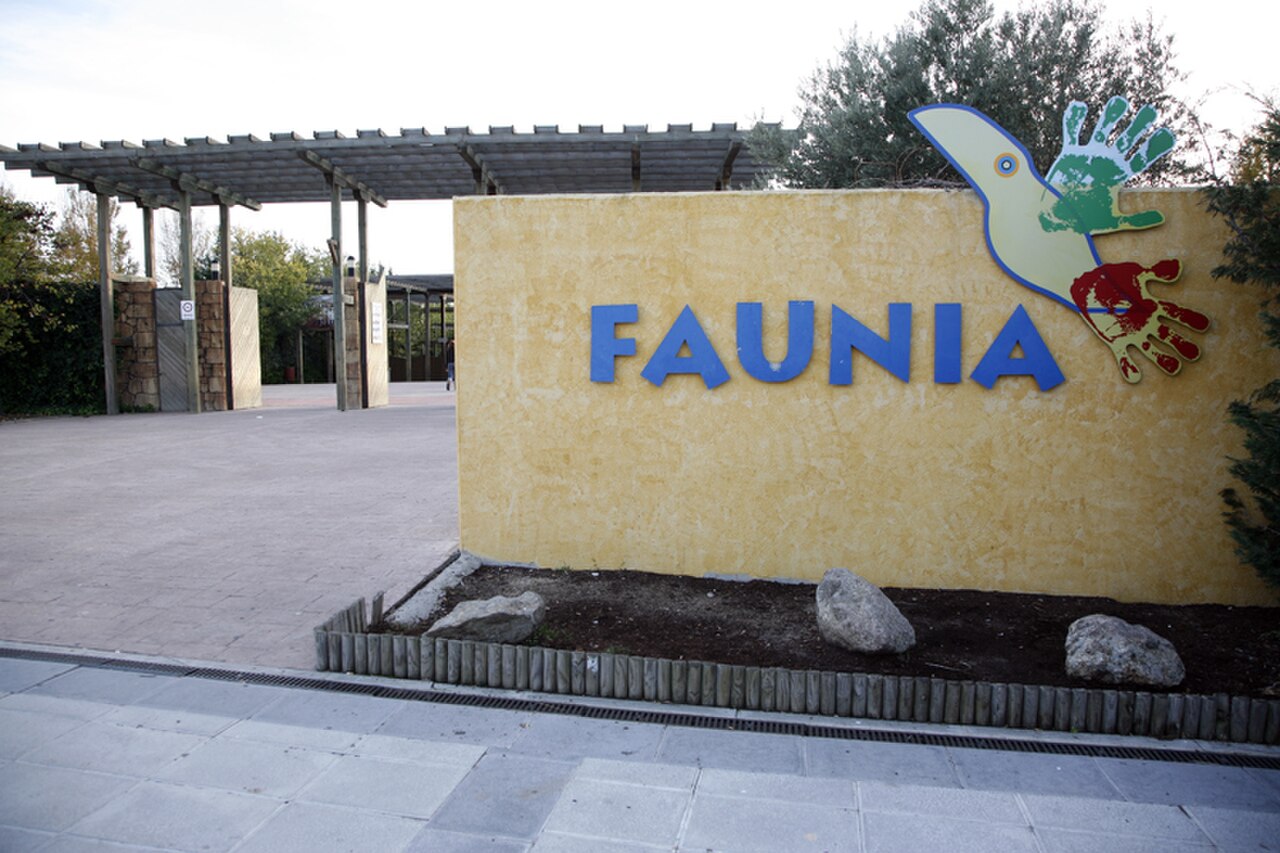
It was established in 2001.
Faunia is a nature and wildlife park in Madrid that combines zoo-style animal encounters, botanical settings, and environmental education. Instead of arranging every exhibit only by animal family, it presents wildlife through themed ecosystems and climatic environments. That design makes Faunia a strong choice for travelers who want a substantial family attraction with animals, plants, educational interpretation, and a changing rhythm between indoor and outdoor spaces. Faunia is a nature-themed leisure and education park located in Madrid, Spain. The facility combines elements of a zoo, botanical garden, and environmental education centre, designed to present ecosystems and wildlife in immersive habitat settings. It operates as a commercial attraction within the Madrid metropolitan area, offering visitors structured encounters with animals and plant collections. The park's conceptual framework emphasises ecological awareness through direct experience. Faunia distinguishes itself from traditional zoos by organising its exhibits around climatic and geographical biomes rather than taxonomic classification. It serves both recreational and educational functions for visitors of various ages. Faunia incorporates characteristics of both categories, presenting animals within immersive habitat zones while maintaining commercial leisure facilities. It does not conform precisely to traditional definitions of either format.
Checked 2026-08-26 · Source
The park includes themed environments representing tropical rainforest, polar regions, African savanna, temperate woodland, and aquatic habitats. Visitors can encounter animals and vegetation arranged around these different settings, with walk-through aviaries and a nocturnal animal house adding variety to the route. Restaurants, gift shops, rest areas, children’s play spaces, educational signs, and scheduled presentations support a full-day outing. The mixed design means the experience changes from one zone to the next rather than repeating a single type of enclosure. Faunia contains multiple themed areas representing different ecosystems, including tropical rainforest, polar regions, African savanna, and temperate woodland environments.
Checked 2026-08-26 · Source
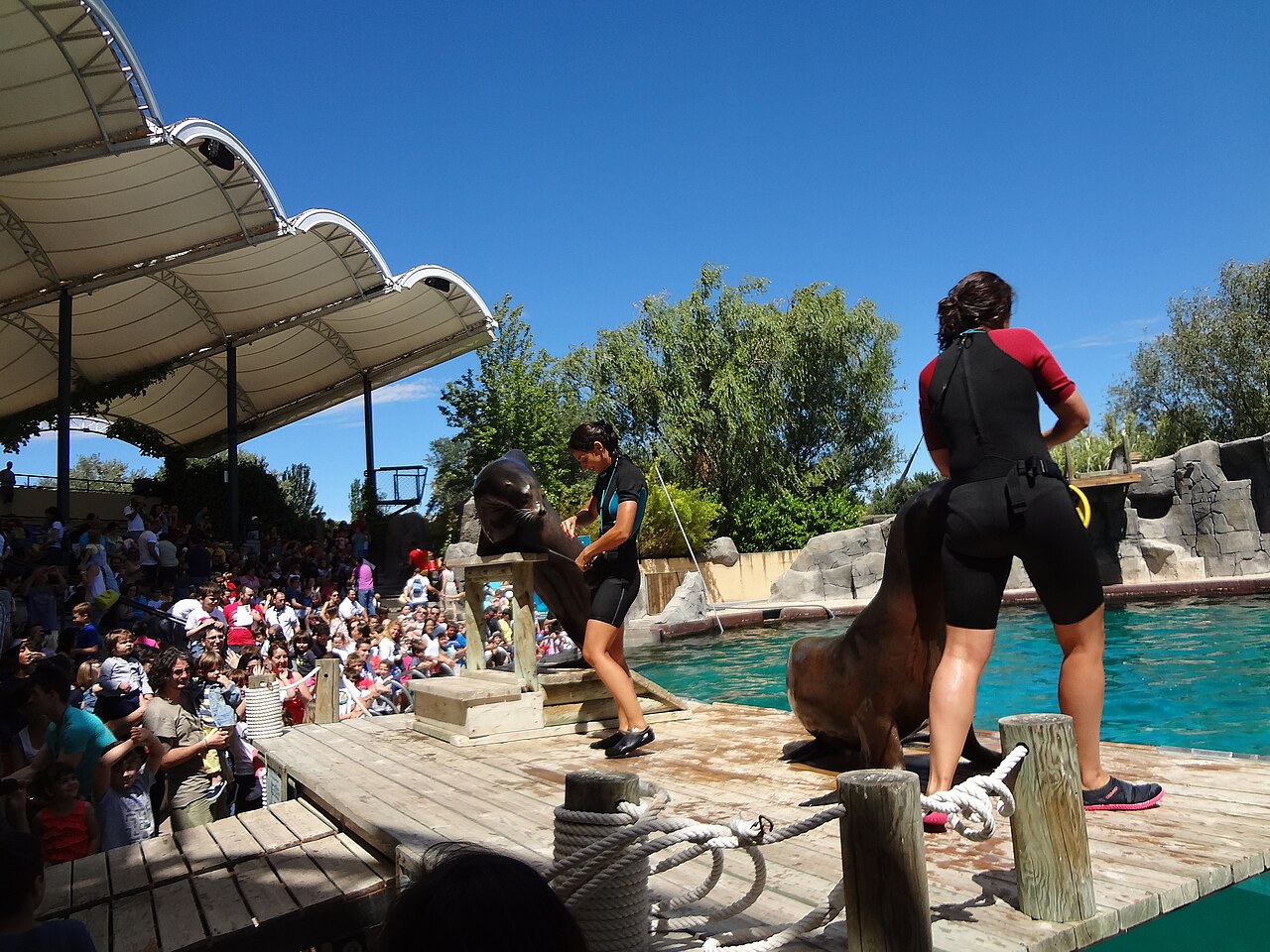
Reserve a substantial part of the day for Faunia. The themed zones, animal observation, educational material, walking between habitats, meals, and rest breaks make a rushed visit less rewarding. Families may need extra time for children’s pauses and play spaces, while wildlife enthusiasts can linger to watch behavior and compare the different environments. Treat Faunia as the day’s main attraction, with enough energy left for walking outdoors and moving between the park’s varied areas.
Checked 2026-08-26 · Source
Choose a day when your group is comfortable spending time both outdoors and inside themed habitats. Madrid’s hot summers and cold winters affect comfort across the park, so clothing, sun protection, and weather planning matter. Weekends, school holidays, and summer periods can create a busier atmosphere. Begin with the zones most important to your group, then leave room for presentations, meals, and slower wildlife viewing instead of trying to cover every area at speed.
Checked 2026-08-26 · Source
Faunia is a commercial attraction, so make admission part of the day’s advance planning and allow enough time to enjoy the park after entering. The value comes from the range of themed habitats, animal encounters, botanical settings, educational material, and visitor facilities rather than from a brief landmark stop. Families can shape the day around the zones that interest them most, while adults may prefer a slower route through the habitats and presentations.
Checked 2026-08-26 · Source
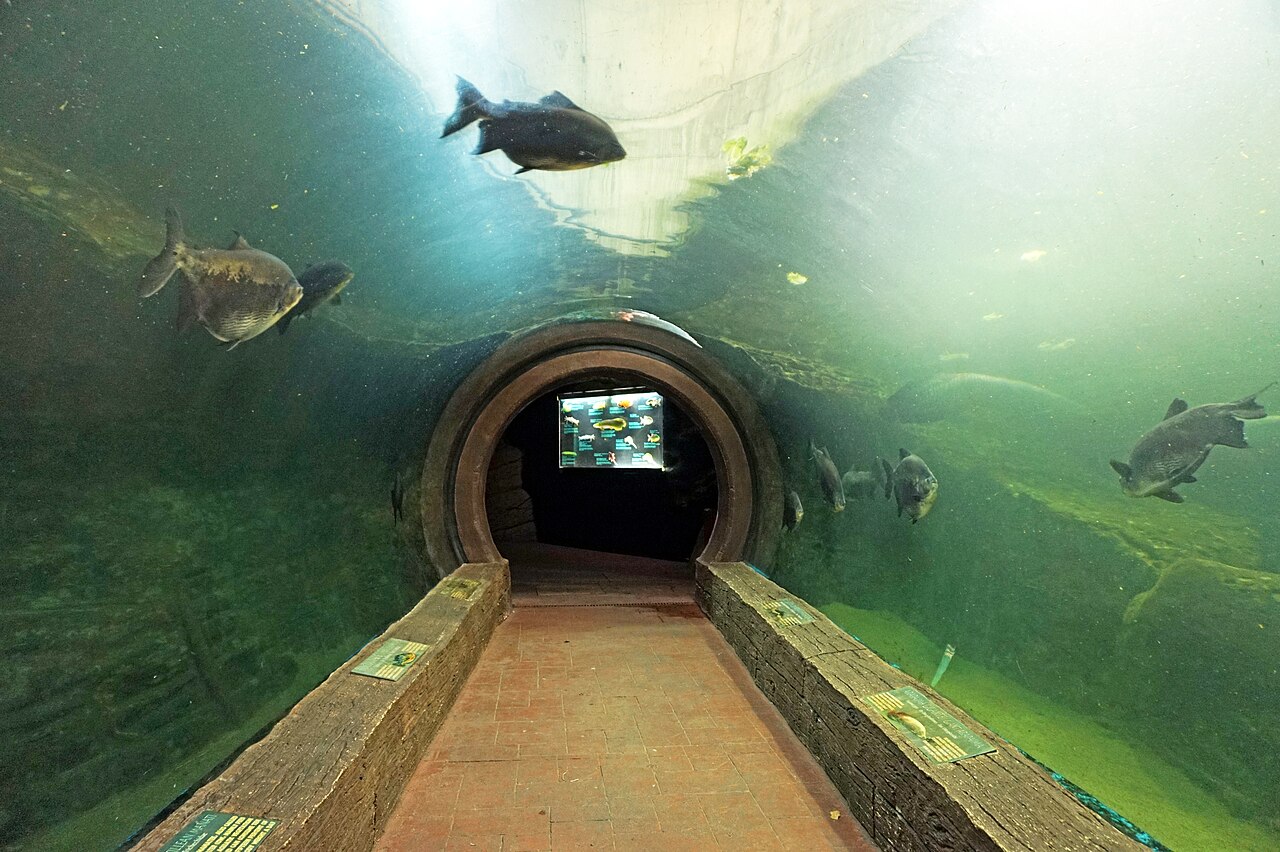
Faunia is within Madrid’s urban area and can be approached through public transport, road connections, taxis, and private vehicles. Build extra time into the journey because the park is a substantial attraction rather than a small central gallery. If driving, urban traffic and environmental restrictions can affect the route. Once there, expect walking between themed areas, so comfortable shoes and a day plan organized around priority zones will make the visit easier.
Checked 2026-08-26 · Source
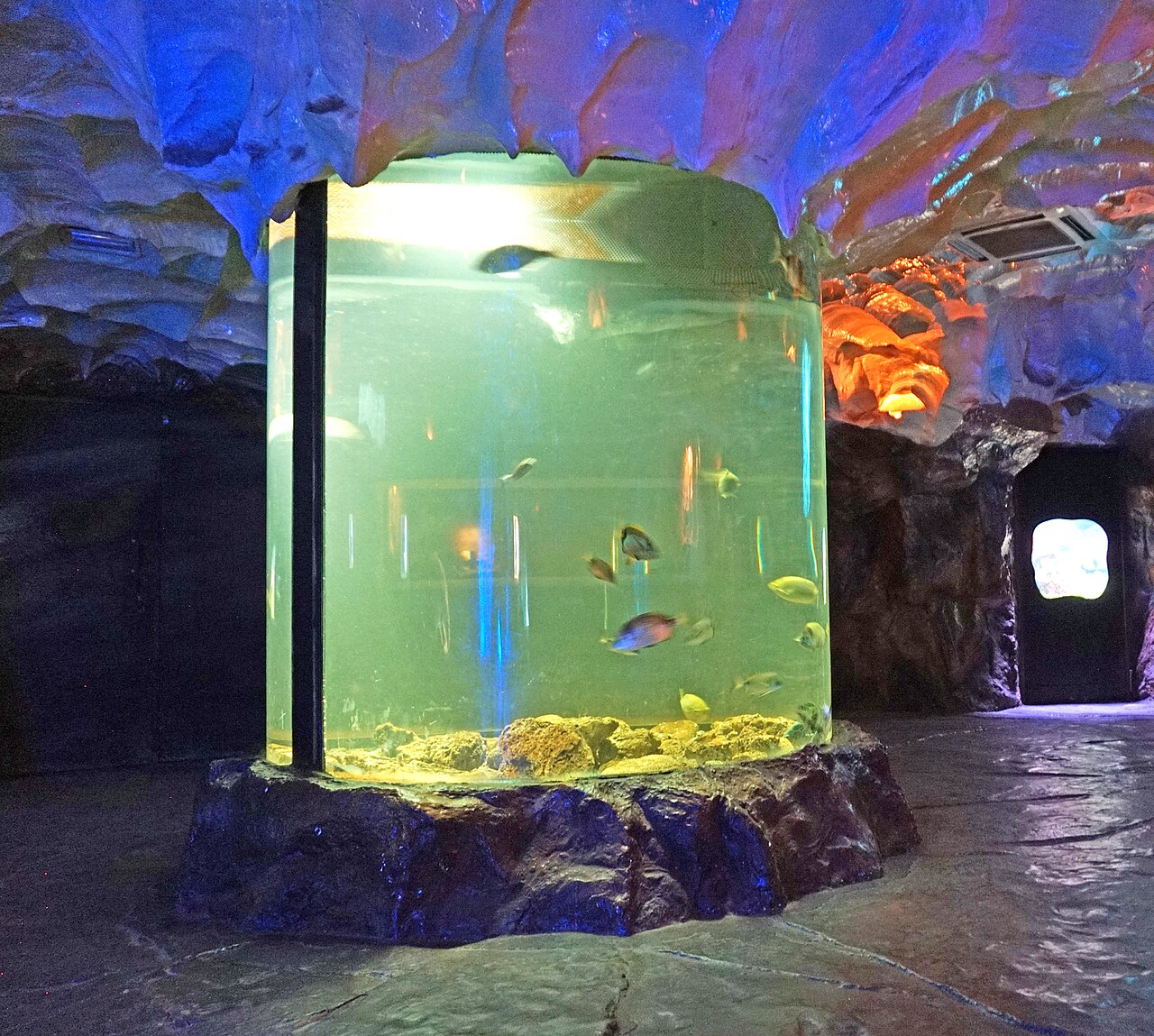
Faunia mixes indoor and outdoor areas, so prepare for changing temperatures, sun, and weather during the day. Children need close supervision near barriers, water, and walk-through exhibits. Animal welfare can alter viewing conditions or close a habitat temporarily, and that is part of responsible wildlife presentation. Plan rest and meal breaks before the group becomes tired. Keep the route flexible, since the park’s strength lies in observing animals at a patient pace rather than collecting every exhibit quickly.
Checked 2026-08-26 · Source
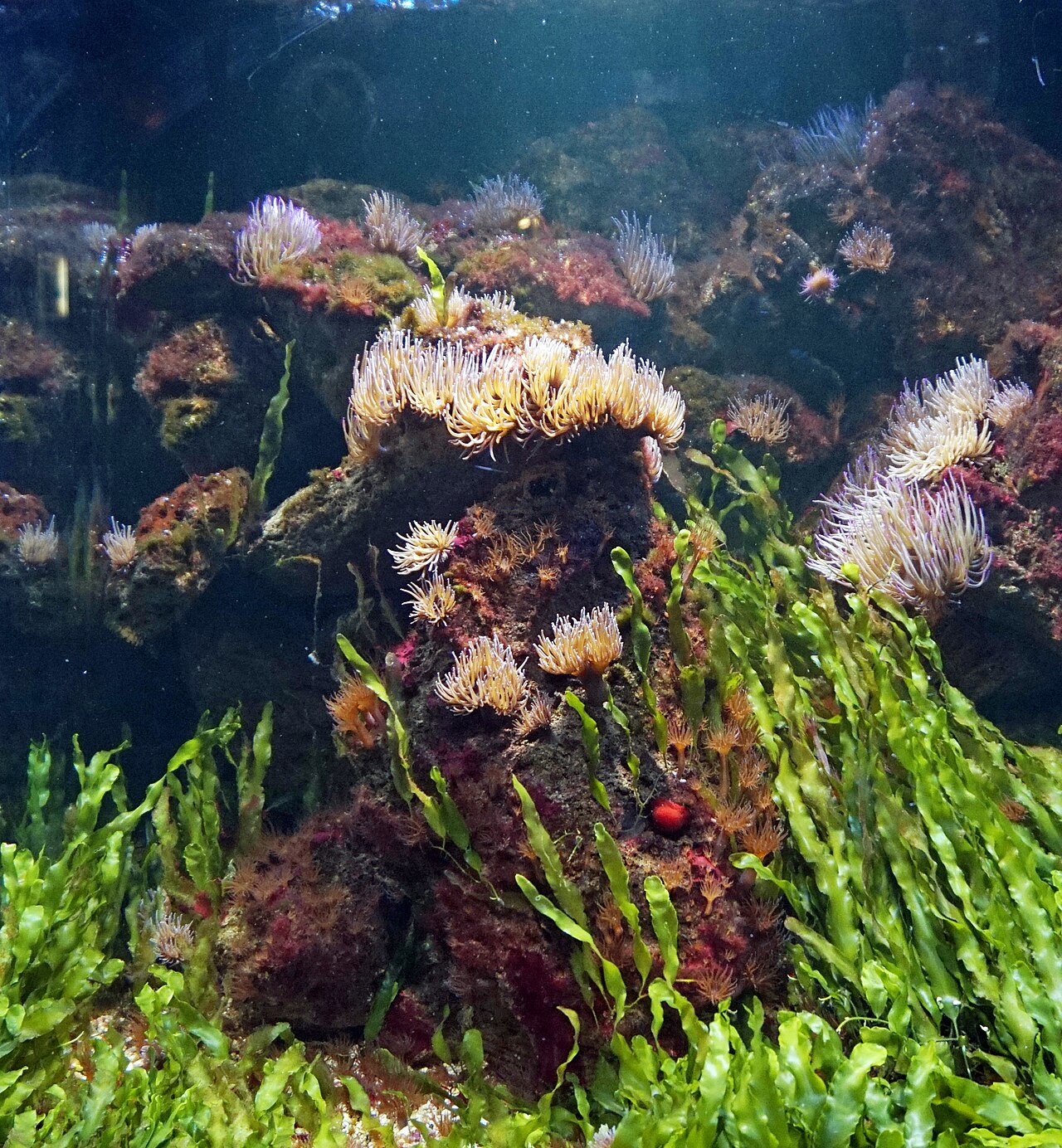
Faunia offers many visual subjects, from themed landscapes and plants to animals in habitat settings. Keep flash disabled, especially near nocturnal animals and any area where signs restrict light or photography. Photograph from visitor paths and never use equipment in a way that pressures animals or blocks other guests. A compact camera or phone is easier to manage across a large walking route. Give priority to quiet observation, since animal behavior is often more rewarding than a hurried posed image.
Checked 2026-08-26 · Source
Faunia combines zoo-style wildlife presentation, botanical settings, environmental education, and commercial leisure facilities in themed habitat zones.
The park includes both indoor and outdoor environments, including rainforest, polar, savanna, woodland, aquatic, and nocturnal areas.
Reserve a substantial part of the day for the habitats, animal viewing, walking, presentations, meals, and rest breaks.
Yes. The park includes children’s play spaces, educational material, restaurants, rest areas, and varied animal habitats, though children need supervision throughout.
Restaurant facilities are present within the park, alongside gift shops, rest areas, and children’s play spaces.
Prepare for indoor and outdoor conditions with comfortable shoes, weather protection, and enough time for walking, meals, rest, and wildlife viewing.
Loading the interactive map…
The interactive map could not be loaded.
Last updated:
Source: OpenStreetMap contributors, Wikidata ·