Vasa Museum
Vasamuseet
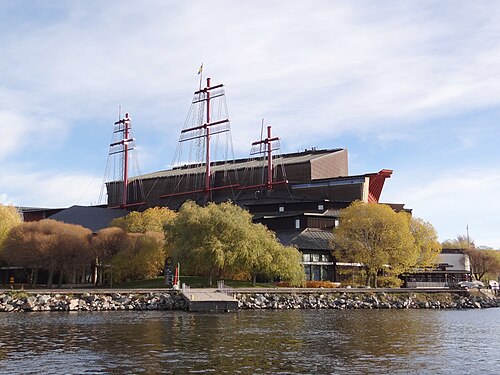
The Vasa Museum on Djurgården was built around a single object: a 69-metre warship that sank in Stockholm harbour on 10 August 1628, about 1,300 metres into her maiden voyage.
- Must see
- Museum
Language · 11 published
City guide · Sweden
Stockholm spreads across islands joined by bridges, ferries and rail, but its central visitor districts form a manageable chain. Gamla Stan, Norrmalm, Djurgården, Östermalm and Södermalm each reward a separate walking block. Public transport closes the gaps, while boats are part of the useful network rather than only sightseeing. Plan by island and district so repeated water crossings do not consume the day.
Reviewed by Elena Voss · Roavina Travel Editor
Set your days, your pace and the hours you actually want to be out. The planner works around closing days and travel time, and leaves room to eat.
Ranked by importance — sitelinks, pageviews and heritage status, not editor preference.
32 places match
Category
Typical visit duration
Interests
Vasamuseet
The Vasa Museum on Djurgården was built around a single object: a 69-metre warship that sank in Stockholm harbour on 10 August 1628, about 1,300 metres into her maiden voyage.
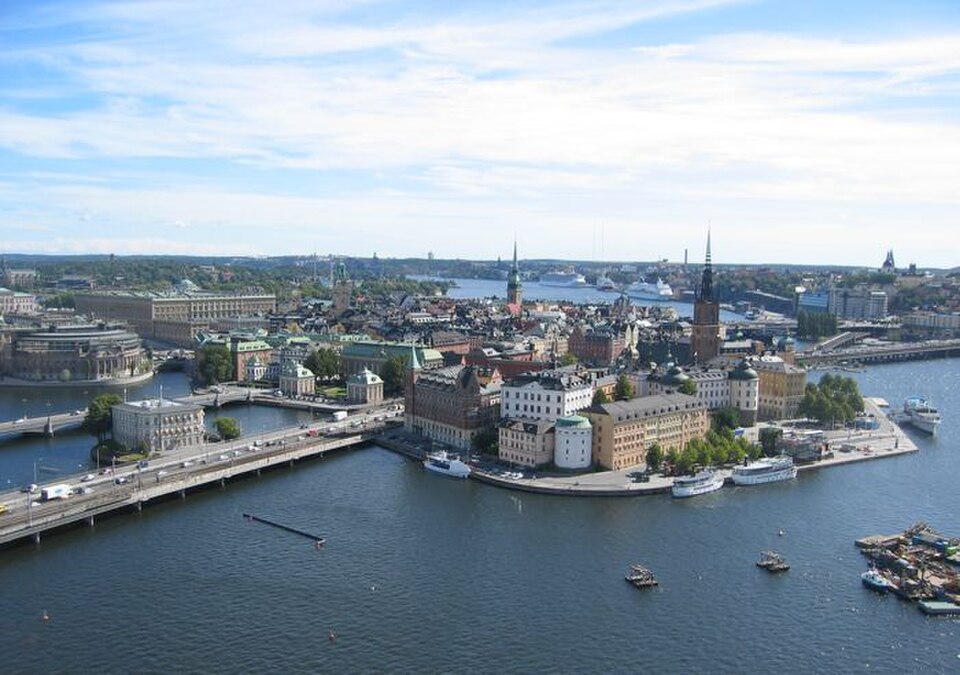
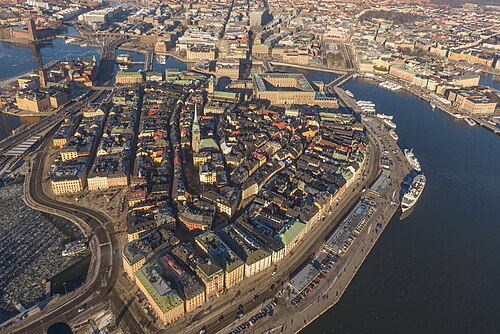
Gamla stan is Stockholm's old town, and until 1980 its official name was Staden mellan broarna, the town between the bridges, which describes what a visitor walks into better than old town does.
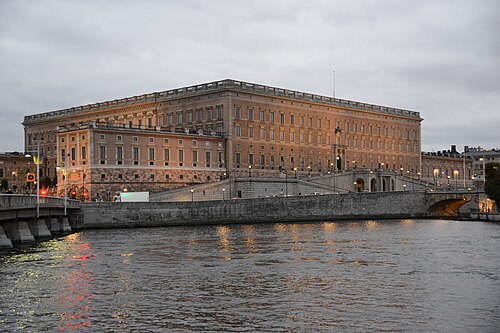
Stockholms slott
Kungliga slottet, the Royal Palace of Stockholm, stands at the northern edge of Gamla Stan on the rock where Birger Jarl is recorded as having built a fortress in the mid-thirteenth century.
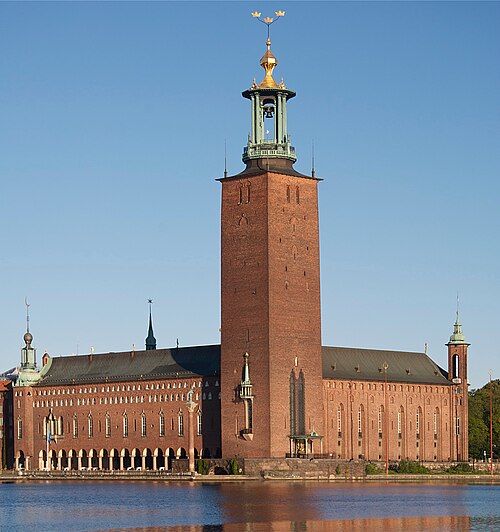
Stockholms stadshus
Stockholms stadshus is the working seat of Stockholm's city government, not a museum that happens to look municipal.
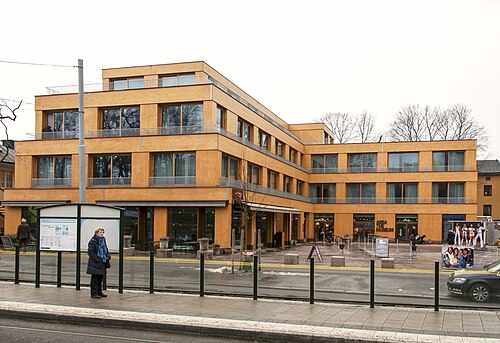
Abbamuseet
ABBA: The Museum is an interactive exhibition space dedicated to the Swedish pop group ABBA, located on Djurgården island in Stockholm. The museum occupies a purpose-built facility near other cultural attractions.
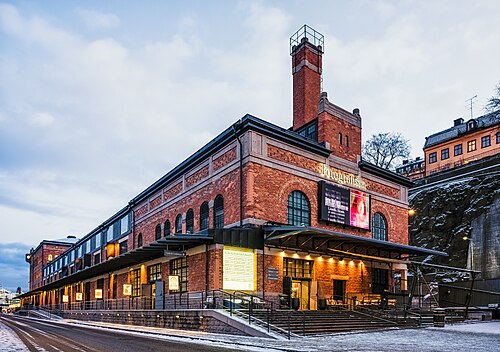
Fotografiska is a privately run museum of photography, art and culture on the Södermalm waterfront, founded in Stockholm in 2010 and now the original house of a group that also has venues in Berlin, Tallinn, Shanghai, Shenzhen, Oslo and New…
Nobelprismuseet
The Nobel Prize Museum is a cultural institution located in Stockholm's Old Town, Gamla Stan. It occupies the former Stock Exchange Building on Stortorget, the historic square.
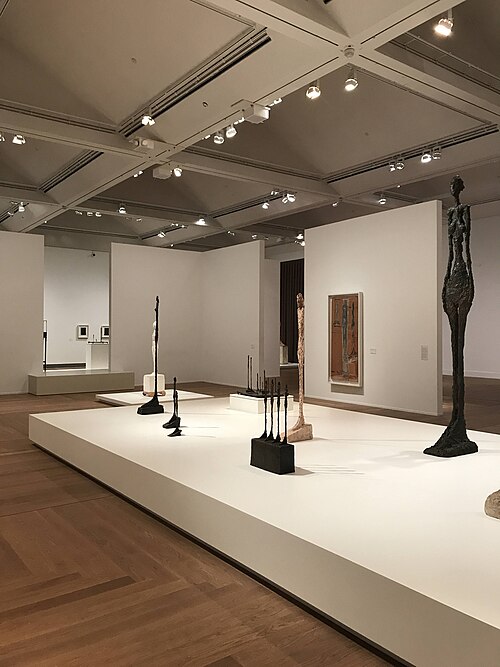
Moderna museet
Moderna Museet is Sweden's national museum of twentieth- and twenty-first-century art, standing on the island of Skeppsholmen in the middle of Stockholm's harbour.
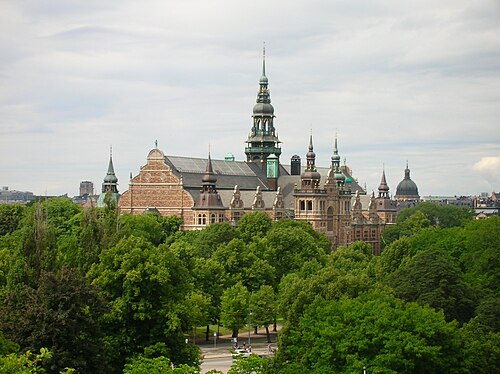
Nordiska museet
Nordiska museet is Sweden's largest museum of cultural history, and its subject is ordinary Nordic life rather than kings and battles.
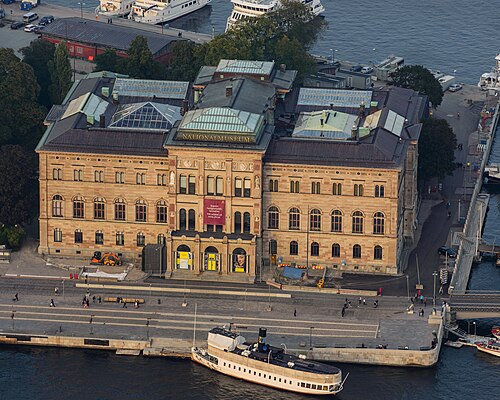
Nationalmuseum is Sweden’s national museum of art and design in central Stockholm. It occupies a prominent waterfront building on the Blasieholmen peninsula, making the architecture and setting part of the visit.
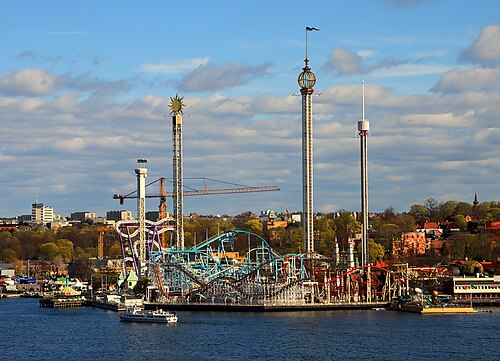
Gröna Lund is a compact amusement park on Djurgården in central Stockholm. Its waterfront setting distinguishes it from suburban theme parks, placing rides, concerts, and harbour views within the city’s cultural landscape.
Historiska museet
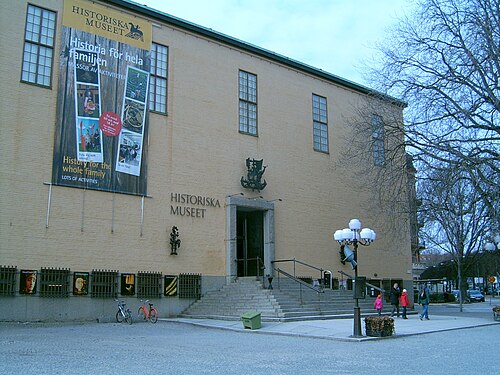
The Swedish History Museum, known locally as Historiska museet, is a museum in Stockholm dedicated to Sweden's history from the earliest times to the present day.
Naturhistoriska riksmuseet
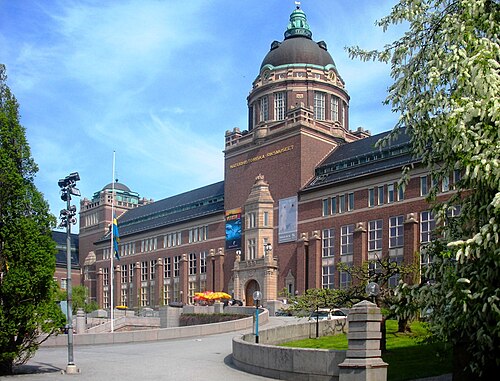
The Swedish Museum of Natural History, known locally as Naturhistoriska riksmuseet, is a major natural history museum in Stockholm. It stands as one of Sweden's premier institutions dedicated to the natural world, housing extensive collections that span multiple scientific disciplines.
Armémuseum
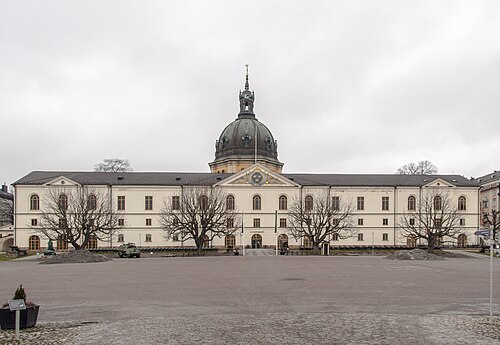
The Swedish Army Museum, known locally as Armémuseum, is a military history museum located in Stockholm. It occupies premises on the island of Östermalm, within the historic Garrison area.
Hallwylska palatset
Hallwyl Museum occupies Hallwylska palatset, the former central Stockholm home of the Hallwyl family. Built in the late nineteenth century, the residence became a museum after Countess Wilhelmina von Hallwyl preserved the house, interiors, and collections.
Prins Eugens Waldemarsudde
Prince Eugen's Waldemarsudde is a former royal residence and artist's home on Djurgården in central Stockholm. Prince Eugen, Duke of Närke, lived here and worked as a landscape painter.
Thielska galleriet
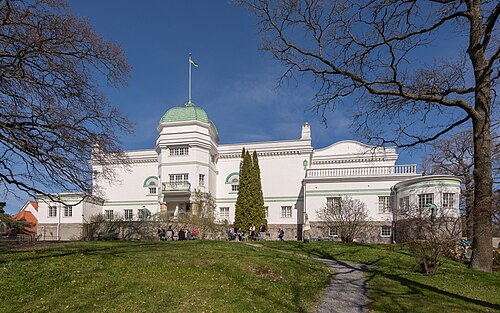
Thiel Gallery, or Thielska galleriet, is an art museum on Djurgården in Stockholm.
Dansmuseet
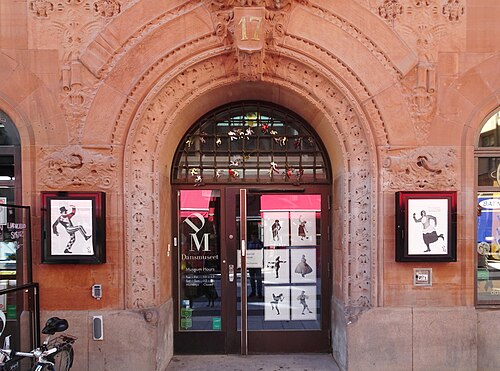
Dansmuseet, Stockholm’s Dance Museum, explores dance as art, performance, and cultural expression. Its collections connect Swedish and international traditions through costumes, artefacts, and documentary material.
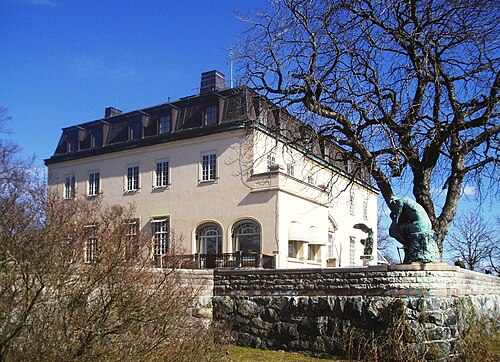
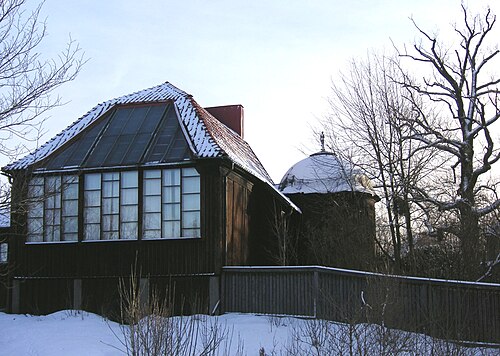
The Carl Eldh Studio Museum is an artist's studio museum located in Stockholm, Sweden. It preserves the workspace and residence of Carl Eldh, one of Sweden's foremost sculptors of the early twentieth century.
Almgrens Sidenväveri & Museum
Almgren Silk Weaving Museum occupies a historic industrial site preserving Stockholm's silk weaving heritage. Established by the Almgren family, this working museum maintains original looms and equipment from a once-thriving textile industry.
Sven-Harrys konstmuseum
Sven-Harry's Art Museum, or Sven-Harrys konstmuseum, is a Stockholm art museum devoted to visual art in dedicated gallery spaces. It gives a visitor an indoor cultural stop within the city, with exhibitions presented for public viewing.
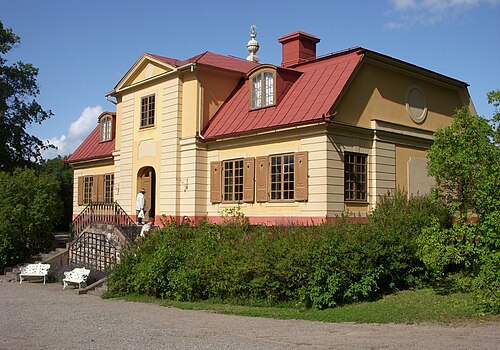
Svindersvik is a historic estate in Nacka municipality, just southeast of central Stockholm. Its waterfront position combines a preserved manor-house setting with views across the water towards the city.
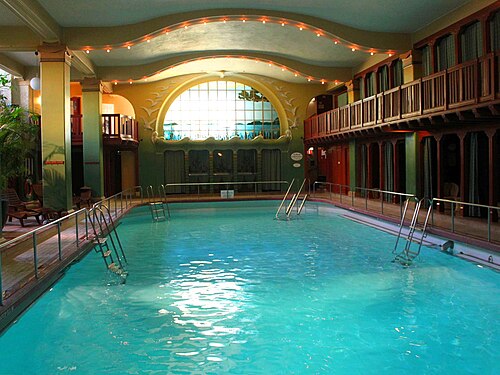
Centralbadet is a historic bathhouse and spa in central Stockholm, combining swimming, relaxation, treatments, and early twentieth-century architectural character. It is a place for slowing down rather than rushing between exhibits.
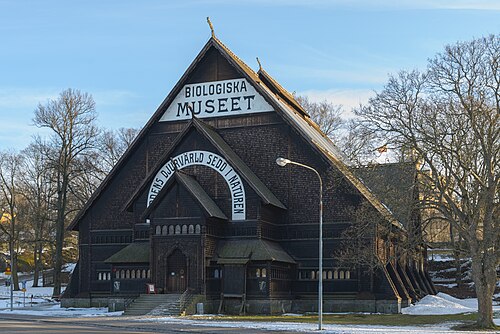
Biologiska museet
Biologiska museet is a historic natural-history museum in Stockholm devoted to wildlife, habitats and traditional ways of presenting nature.
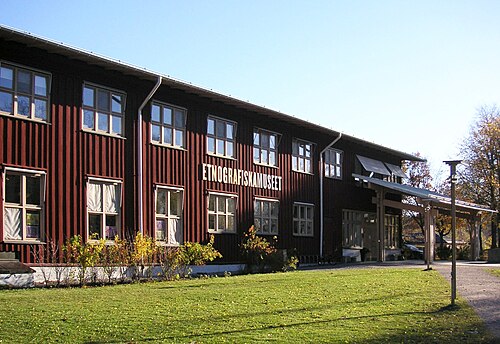
Etnografiska museet
The Museum of Ethnography, or Etnografiska museet, introduces visitors to cultures and everyday life from around the world. Its collections bring together objects connected with clothing, tools, ceremonies, belief, work, trade and social life.
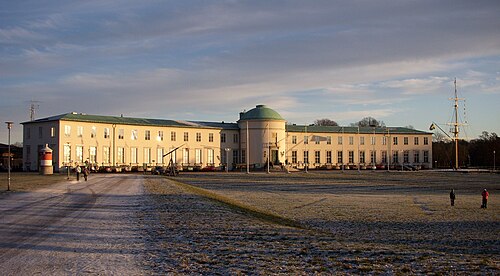
Sjöhistoriska museet
The Maritime Museum, or Sjöhistoriska museet, explores Sweden’s relationship with the sea. Its subject reaches from naval history and merchant shipping to shipbuilding, navigation, port life and the experiences of seafarers.
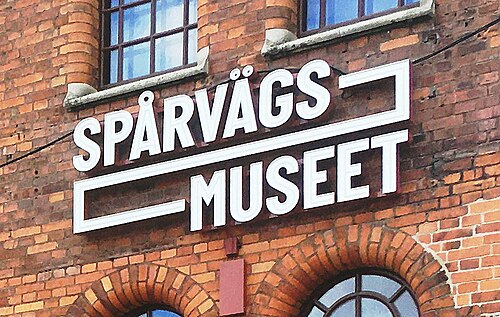
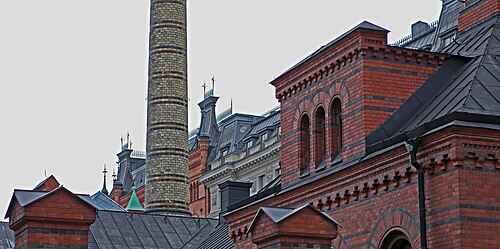
Spårvägsmuseet is Stockholm’s tramway museum, devoted to the history of public transport in the Swedish capital. The museum connects vehicles, photographs, tickets, uniforms, maps, timetables, and engineering records with the growth of Stockholm as a city.
Skansen-akvariet
Skansen Aquarium, known as Skansen-akvariet, is an aquarium within the Skansen open-air museum complex on Stockholm’s Djurgården island. It adds live aquatic and animal displays to Skansen’s broader presentation of Swedish cultural and natural heritage.
H M Konungens Hovstall
Hovstallet, the Royal Stables of Sweden, is a working royal equestrian establishment on Väpnargatan in Stockholm. It supports the Swedish monarch’s horses, carriages and ceremonial traditions, linking present-day royal events with older forms of court transport and horsemanship.
Bonniers konsthall is a Stockholm contemporary-art gallery focused on changing exhibitions rather than a permanent collection. The institution presents Swedish and international contemporary art and gives visitors a place to encounter current artistic ideas across different media.
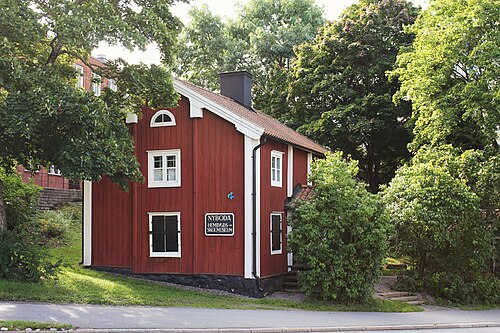
Nyboda hembygds- och skolmuseum is a local heritage and school museum in Stockholm. Its focus is the everyday cultural history of the area: how people lived, learned and maintained community traditions in earlier periods.
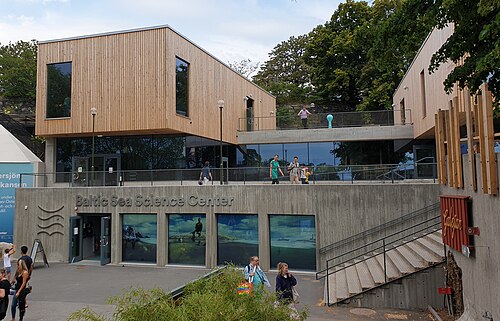
Baltic Sea Science Center is an educational venue in Stockholm devoted to marine science and the Baltic Sea ecosystem. It offers a learning-focused experience rather than conventional entertainment, placing regional water ecology at the centre of the visit.
Source: OpenStreetMap contributors, Wikidata ·
Gamla Stan is the historic hinge between the northern and southern halves of central Stockholm. Norrmalm, the main commercial and transport centre, lies immediately north; Östermalm and museum-rich Djurgården continue east. Södermalm rises south of the old town, while Kungsholmen and Vasastan extend west and northwest. The official visitor guide identifies seven central districts with distinct characters. Combine adjacent districts on foot, and treat the archipelago or distant suburbs as separate outings.
Checked 2026-08-26
Use the SL network of metro, commuter rail, tram, bus and selected local boats for moves between districts. The centre is compact enough for substantial walking, but water and rail lines determine the quickest route more than straight-line distance. Use one valid SL ticket product consistently and check the official journey planner before island connections. Djurgården can be reached by tram or ferry, while outer archipelago travel requires separate route planning.
Checked 2026-08-26
Three to four days suit a first visit. Use the first days for Gamla Stan, Norrmalm, Djurgården and Södermalm, then reserve additional time for a longer island or archipelago route.
May through September gives the most useful daylight for walking between districts and using boat connections. Winter can still work for museums and indoor culture, but outdoor sightseeing time is much shorter.
Yes, within one district and between several central islands. Bridges, hills and water make some apparently short cross-city routes slower, so use public transport when changing from one side of the centre to another.
Yes. Selected local boat services form part of the wider public transport network. Check the SL journey planner and ticket conditions for the specific route rather than assuming every sightseeing or archipelago boat is included.
Gamla Stan and Norrmalm combine naturally, while Östermalm and Djurgården make another coherent block. Södermalm deserves its own walking route, especially when viewpoints and evening stops are included.