.jpg)


01
30 min
Lindenhof
Lindenhof is a flat gravelled terrace on a moraine hill above the left bank of the Limmat, and the City of Zurich describes it as the city's oldest green space.
- Must see
- Viewpoint
- Zurich
Language · 11 published
Country guide
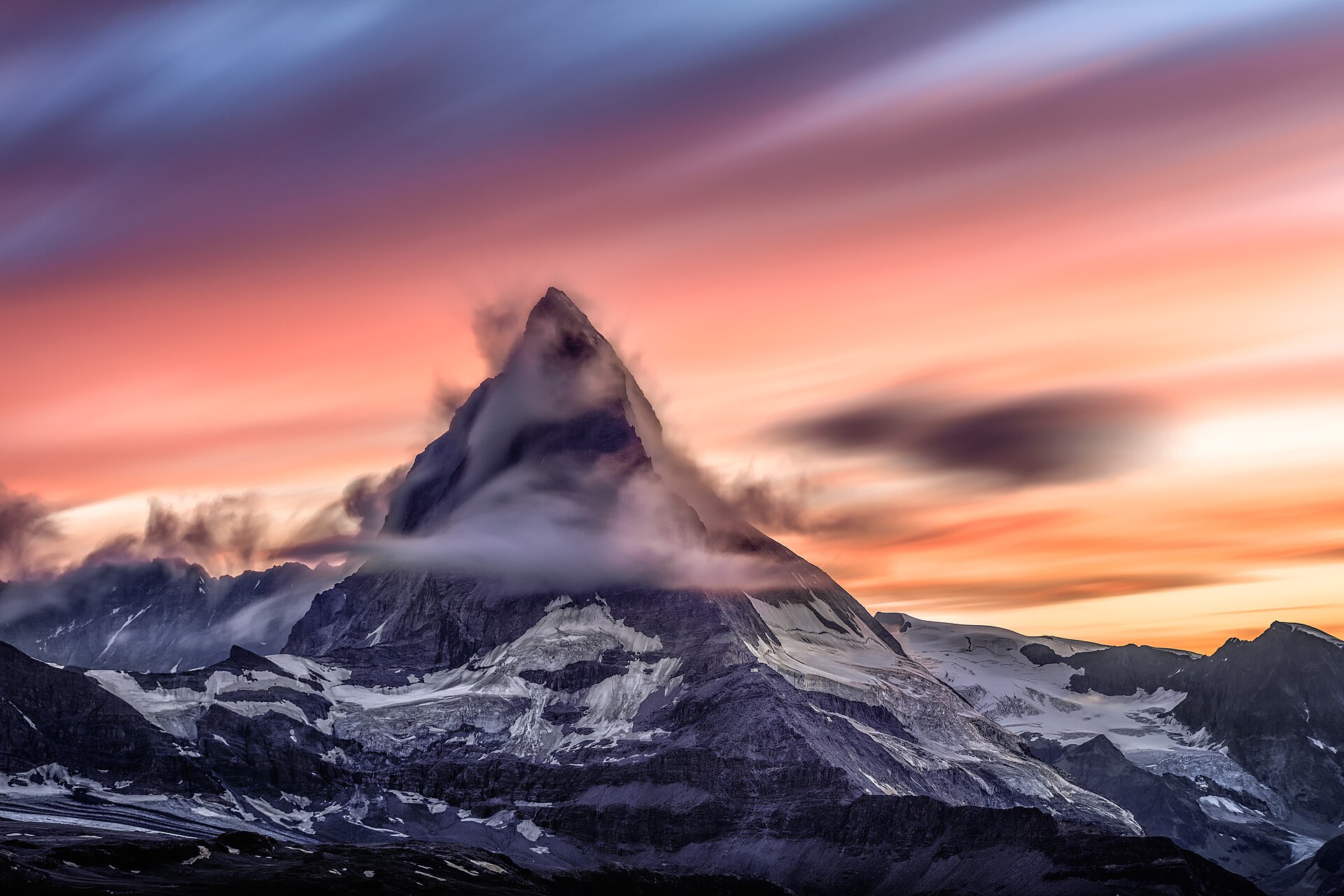
The Alps cover most of Switzerland's 41,291 km², which is why almost all of its 9,154,242 people live on the plateau — a band of low ground carrying Zurich, Bern, Basel, Lausanne, Geneva, Lucerne and Winterthur within a few hours of one another. Cross a ridge and it is the language that changes: German is spoken by 62 per cent of the country, French by 23, Italian by 8, Romansh by half a per cent. Twenty-six cantons write their own rules on top of that. A trip here is usually a choice between the flat line of cities and the valleys branching off it.
Reviewed by Elena Voss · Roavina Travel Editor
Every city catalogued in this country so far, ranked by how much there is to see.
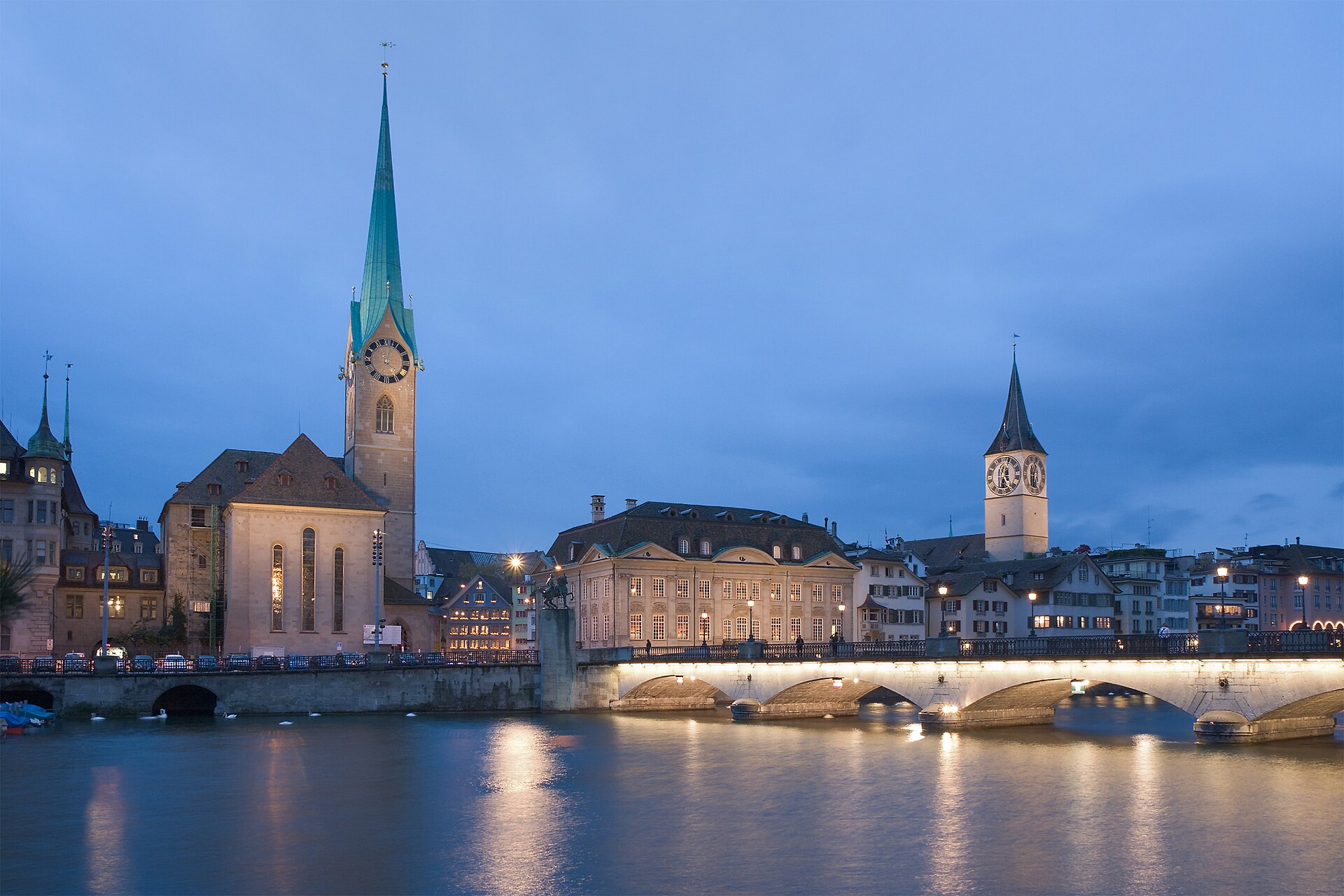
Photograph · Ikiwaner · CC BY-SA 3.0
Ranked by importance — sitelinks, pageviews and heritage status, not editor preference.
11 places match
Category
Typical visit duration
Interests
Lindenhof is a flat gravelled terrace on a moraine hill above the left bank of the Limmat, and the City of Zurich describes it as the city's oldest green space.
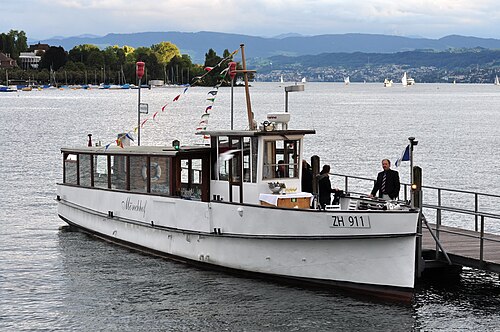
Bürkliplatz is a central Zurich square at the western end of Lake Zurich. Named after city engineer Arnold Bürkli, it forms a meeting point between the lakeside promenade, Bahnhofstrasse and the city center.

Polyterrasse is a prominent elevated terrace located on the campus of ETH Zurich, the Swiss Federal Institute of Technology.
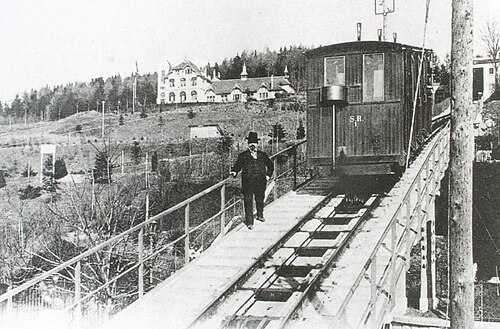
Rigiblick is an elevated locality in northern Zurich, known for its position above the city and its relationship with views toward Lake Zurich. It is primarily an urban neighbourhood rather than a single enclosed attraction.
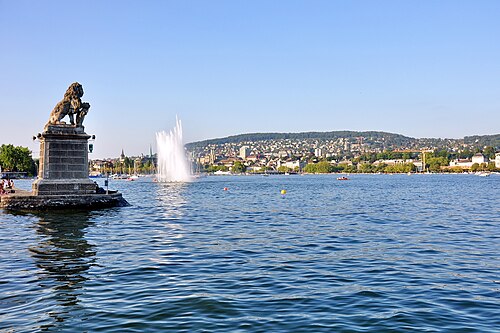
Zürichberg is a wooded hill and district on the northeastern side of Zurich. It rises above the Limmat valley and combines forest, residential areas and recreational routes.
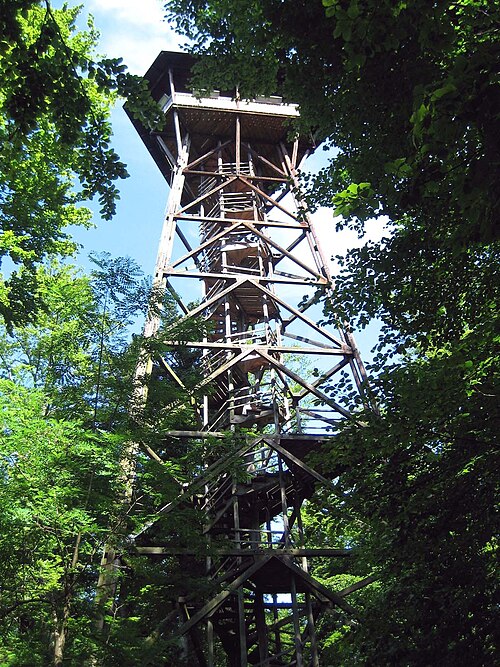
Adlisberg is a forested hill east of central Zurich, Switzerland. The wooded elevation forms part of the landscape between the Limmat and Glatt valleys and serves as a recreational escape from the city.
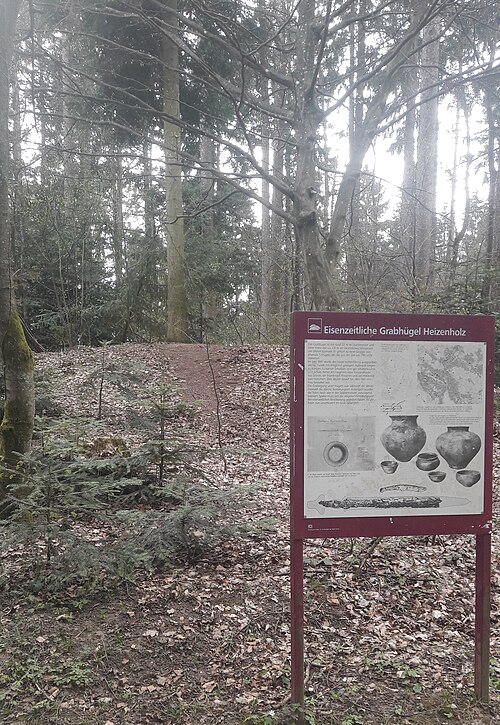
Hönggerberg is a hill in northern Zurich, rising above the Limmat valley within the city. It is best known for the ETH Zurich Hönggerberg campus, an important concentration of science, technology and academic buildings.
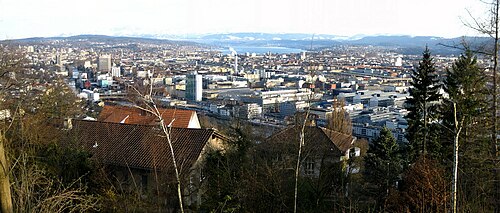
Käferberg is an elevated hill and surrounding area in northern Zurich. It brings together natural hillside terrain, mixed vegetation, wooded sections, open areas, and residential surroundings.
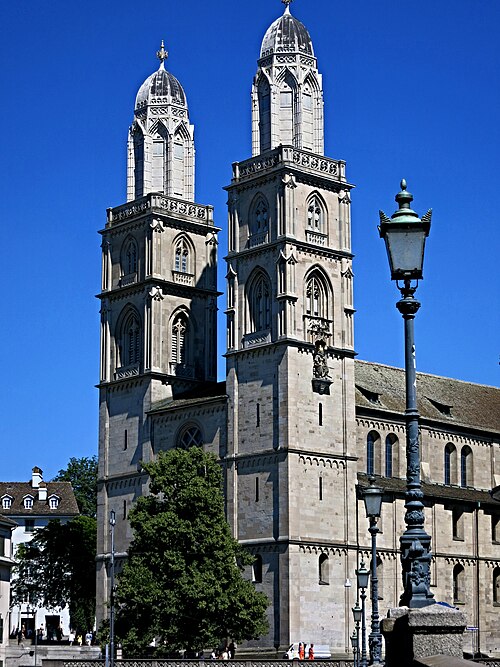
Karlsturm is a named tower structure in Zurich, Switzerland, and forms part of the city's built landscape. Its identity makes it a compact architectural point of interest for travellers exploring Zurich beyond the best-known headline sights.
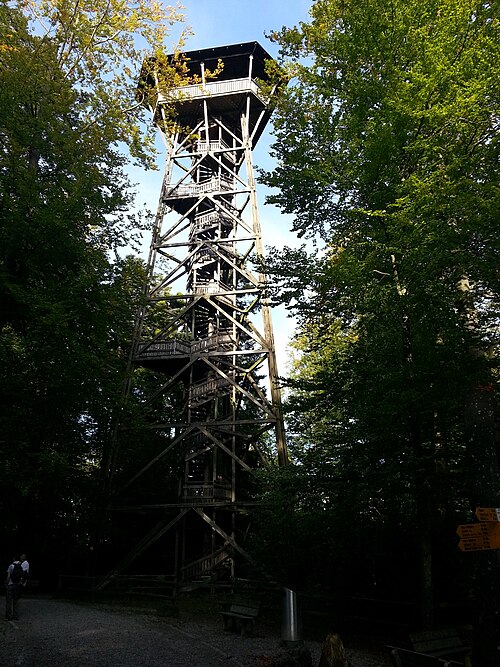
Loorenkopf-Turm
The Loorenkopf tower, also known locally as Loorenkopf-Turm, is a viewing structure on Loorenkopf hill in Zurich. Its purpose is to give visitors an elevated place from which to look across the surrounding landscape.
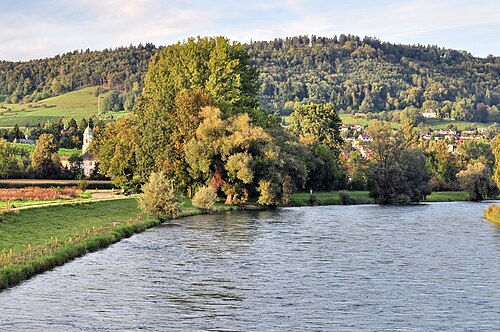
Gubrist is a named locality within Zurich, Switzerland, represented by a precise point in the city’s geographic landscape. It is better suited to orientation and neighborhood exploration than to a conventional sightseeing visit.
Source: OpenStreetMap contributors, Wikidata ·
Seven to ten days can combine two city or lake bases with one mountain region. Switzerland’s dense transport network reduces transfer friction, but weather-dependent alpine excursions still need flexible time.
Switzerland’s State Secretariat for Migration publishes entry requirements. Passport nationality, visit purpose and the wider Schengen route determine whether a visa is required and where to apply.
Zurich and Geneva airports connect directly to national rail. SBB trains, regional railways, PostBus routes and lake boats form the core network, while many mountain railways and cable cars use separate products.
June to September serves hiking and high-pass travel; December to March is the broad snow season. Mountain operating dates and weather vary by altitude, so verify the specific lift or route rather than relying on a national season.
Switzerland prices in Swiss francs (CHF). The current treatment of euros, card fees and exchange rates is Not recorded here; verify the charged currency and amount before accepting conversion.
Switzerland uses 112 as a general emergency number, 117 for police and 144 for ambulance. Type C and J sockets supply 230 V, and mains tap water is recorded as safe.