Ningxia Road Night Market
寧夏夜市
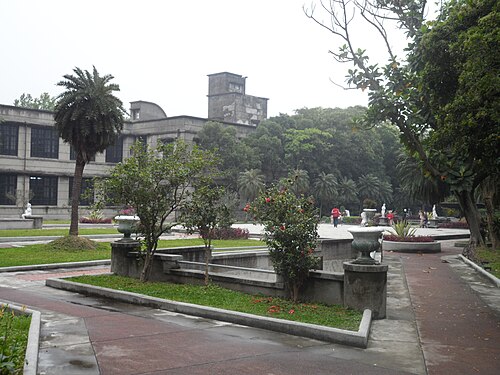
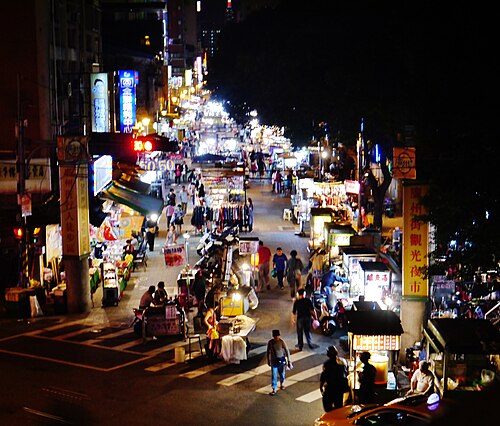
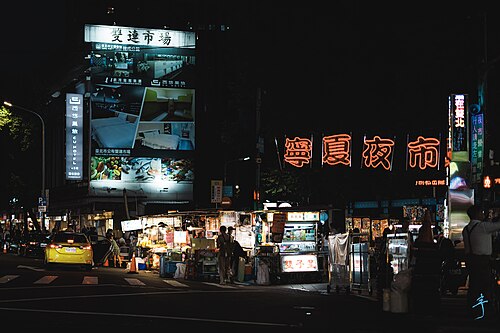
Ningxia Night Market is a traditional Taiwanese food market on Ningxia Road in Taipei’s Datong District. It is an evening destination built around compact rows of food stalls and vendors.
- Must see
- Market
- Taipei
Country guide
Taiwan is 394 km long and 144 km wide, and mountains take the eastern two-thirds of it — more than two hundred peaks above 3,000 m, the highest of them Yushan a...
Photograph · Man Ng · CC BY 2.0
Reviewed by Elena Voss · Roavina Travel Editor
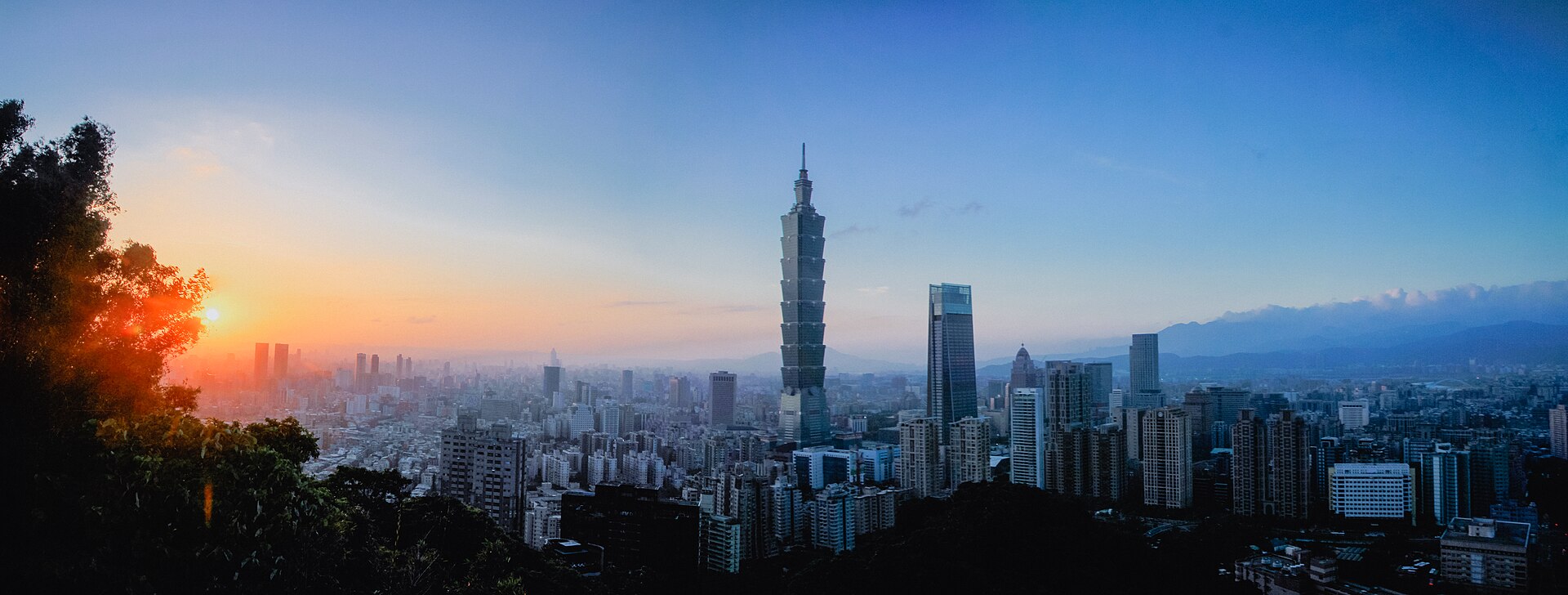
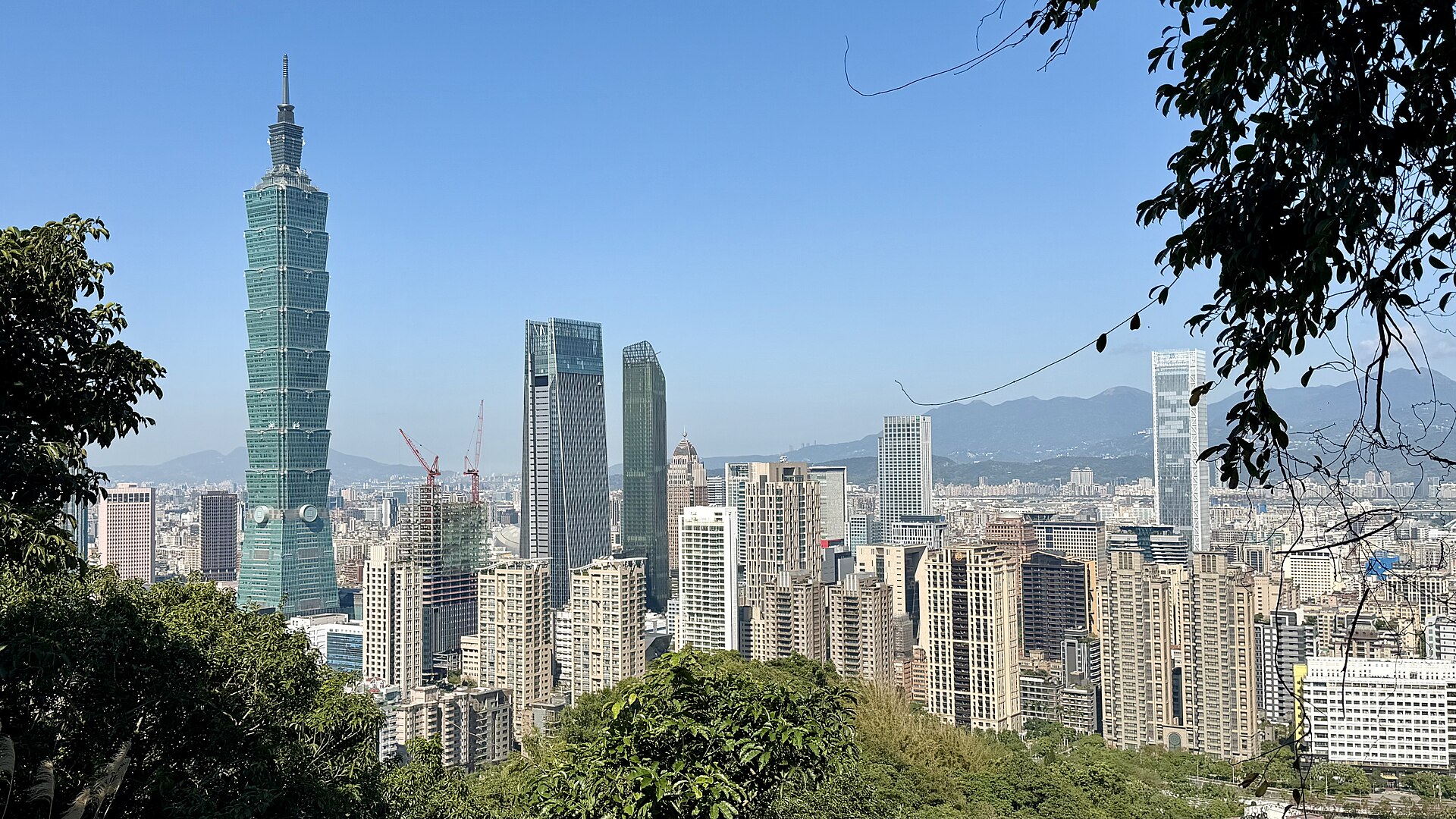
Taiwan is 394 km long and 144 km wide, and mountains take the eastern two-thirds of it — more than two hundred peaks above 3,000 m, the highest of them Yushan at 3,952 m. The 23,299,132 people counted in December 2025 are pressed into the western third, which is where the railway runs and where every city a visitor is likely to open sits: Taipei with New Taipei and Keelung at the north end, then Taichung, Tainan and Kaohsiung down the plain. The east coast is the other trip entirely, reached by crossing the ranges rather than skirting them.
Checked 2026-08-25
Every city catalogued in this country so far, ranked by how much there is to see.
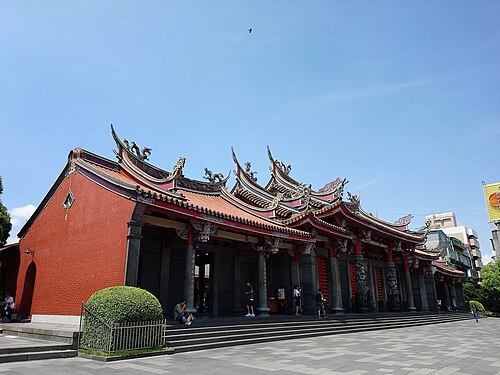
Photograph · Heeheemalu · CC BY-SA 4.0
Seasonal closures come from recorded opening hours.
Ranked by importance — sitelinks, pageviews and heritage status, not editor preference.
45 places match
Category
Typical visit duration
Interests
寧夏夜市
Ningxia Night Market is a traditional Taiwanese food market on Ningxia Road in Taipei’s Datong District. It is an evening destination built around compact rows of food stalls and vendors.
華山文創園區
Huashan 1914 Creative Park is a cultural and creative industries complex in Taipei, Taiwan. The site occupies former industrial premises originally established as a winery during the Japanese colonial period.
松山文創園區
Songshan Cultural and Creative Park is a cultural destination in Taipei’s Songshan District, created within a repurposed industrial site. Former industrial buildings now support exhibitions, design activity, and creative-industry events.
中華民國總統府
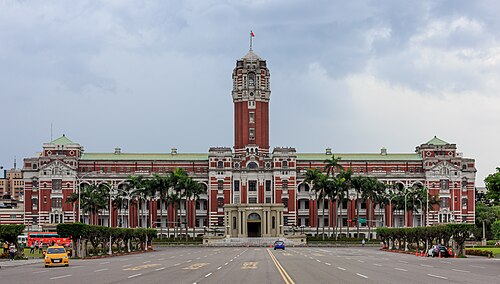
Taipei’s Presidential Office Building is a working seat of Taiwan’s presidential administration and a distinctive civic landmark in the capital. Its red-brick Renaissance-style façade, formal windows, and prominent corner tower give this government building a recognisable presence in central Taipei.
大安森林公園
Daan Forest Park is a large public green space in Taipei’s Daan District, known locally as 大安森林公園. The park gives the dense city a broad area for walking, resting, exercise, and everyday outdoor life.
二二八和平公園
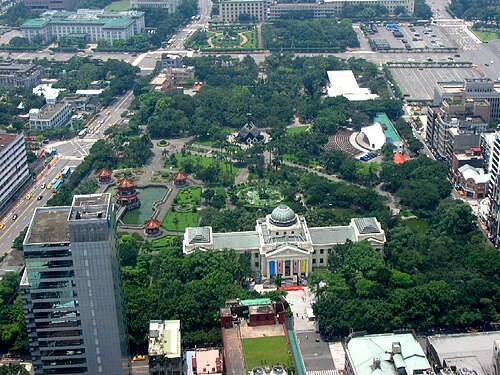
228 Peace Memorial Park is a central Taipei park devoted to remembrance and reflection. The site commemorates the events of February 28, 1947, an important and painful period in Taiwan’s modern history.
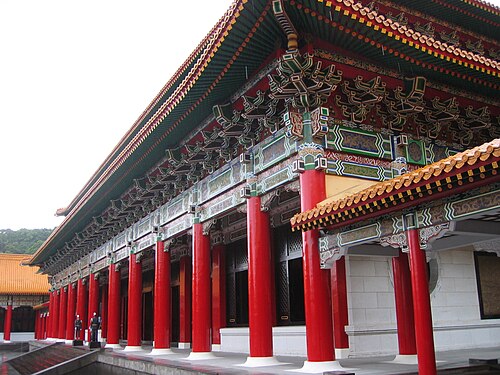
國民革命忠烈祠
The National Revolutionary Martyrs’ Shrine is a solemn Taipei memorial complex dedicated to military personnel and civilians who died in service to the Republic of China.
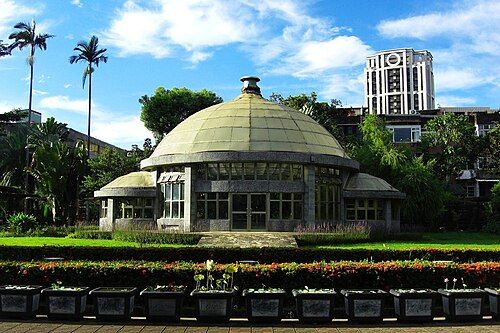
台北植物園
Taipei Botanical Garden is an urban green space in Taipei, also known locally as 臺北植物園. It brings plant conservation, botanical research, education, and quiet outdoor recreation together within the city.
自由廣場
Liberty Square, or 自由廣場, is a monumental public plaza in central Taipei. Its broad open space is framed by the Chiang Kai-shek Memorial Hall, National Theater, National Concert Hall, and a ceremonial entrance gate.
國家音樂廳
National Concert Hall, or 國家音樂廳, is Taipei’s major venue for orchestral, classical and other musical performances. It stands within the Chiang Kai-shek Memorial Hall complex, placing it in one of the city’s most recognizable cultural precincts.
國家戲劇院
National Theater, known locally as 國家戲劇院, is a major performing arts venue in Taipei’s Chiang Kai-shek Memorial Hall complex.
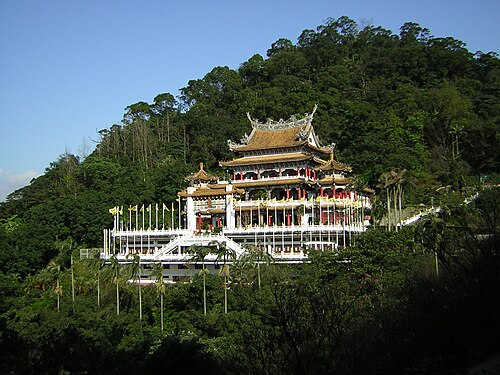
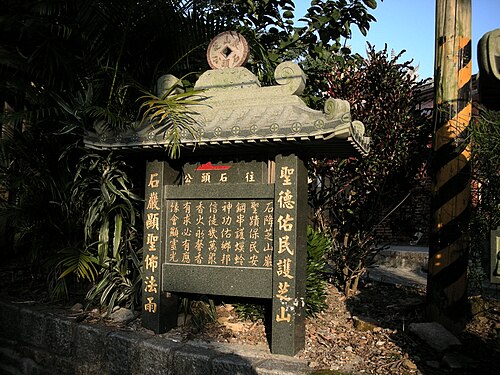
指南宮
Zhinan Temple, known locally as 指南宮, stands as a significant religious site in Taipei's Wenshan District. Perched on the slopes of Zhinan Mountain, this Taoist temple complex serves as an important center of worship and pilgrimage.
關渡自然公園
Guandu Nature Park is a protected wetland area in northern Taipei, known locally as 關渡自然公園. The park occupies a significant ecological zone where the Tamsui River meets the sea, creating a habitat of international importance for migratory birds.
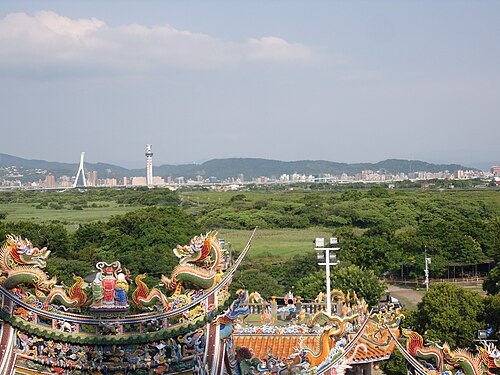
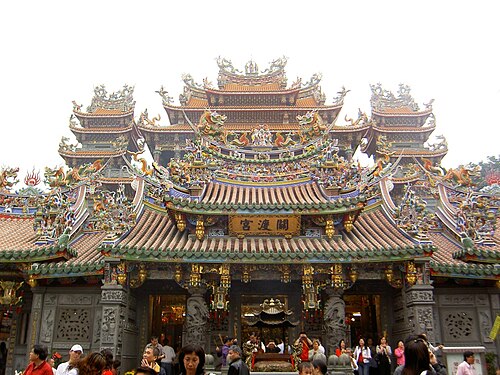
關渡宮
Guandu Temple, known locally as 關渡宮, is an active place of worship in Taipei devoted to Mazu, the sea goddess.
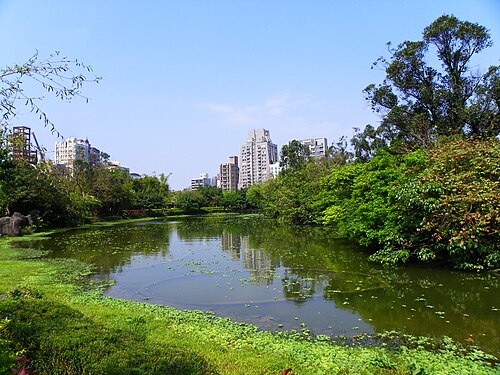
Zhishan Cultural and Ecological Garden is a green Taipei attraction that brings cultural heritage and ecological observation together in the Zhishan area.
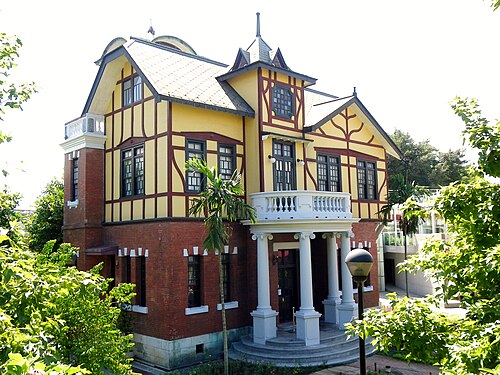
台北故事館
Taipei Story House, locally called 台北故事館, is a small heritage house with a distinctly European-influenced appearance in Taipei’s museum district. Its steep roof, patterned half-timbering and intimate domestic scale make the building itself the central attraction.
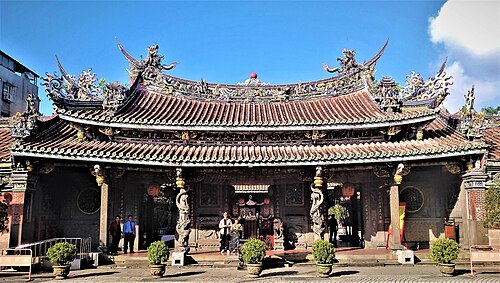
大龍峒保安宮
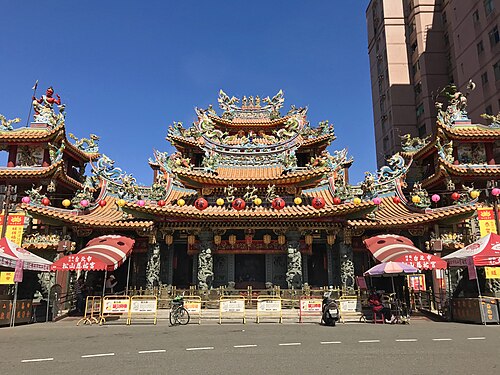
Dalongdong Baoan Temple, also known as 大龍峒保安宮, is an active religious and cultural landmark in Taipei’s Dalongdong district. It is a place for worship as well as a meaningful stop for travelers interested in Taipei’s local traditions.
行天宮
Xingtian Temple, or 行天宮, is a prominent Taipei place of worship dedicated to Guan Yu, associated with war and righteousness in Chinese folk religion. It is an active religious site rather than a museum or staged attraction.
松山慈祐宮
Songshan Ciyou Temple, known locally as 松山慈祐宮, is an important religious site in Taipei’s Songshan district. Dedicated to Mazu, the sea goddess widely venerated in Taiwan, it offers travelers a close view of living temple culture within the urban cityscape.
臺北清真寺
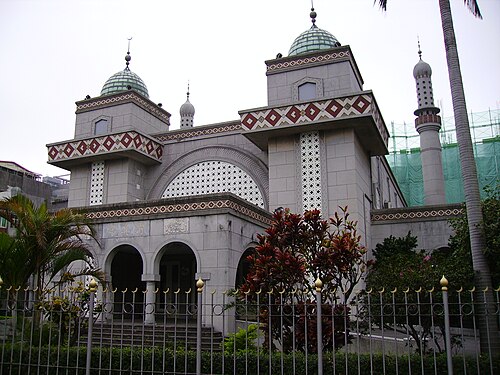
Taipei Grand Mosque is Taipei's principal Islamic house of worship and a significant cultural landmark in Taiwan's capital. Established to serve the Muslim community, it represents one of the most important Islamic institutions in the country.
公館夜市
Gongguan Night Market is an evening food, shopping, and street-life destination in Taipei’s Gongguan area, near National Taiwan University. It brings together food stalls, small shops, casual dining, and the constant movement of a student-oriented urban district.
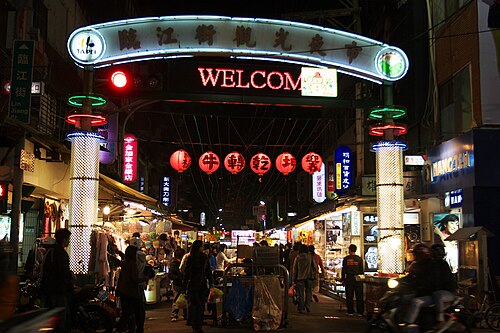
臨江街觀光夜市
Linjiang Street Night Market, known locally as 臨江街觀光夜市, is an evening street market in Taipei’s urban fabric, with the visit unfolding along vendor fronts rather than inside one attraction building.
南機場夜市
Nanjichang Night Market, known locally as 南機場夜市, is a neighborhood night market in Taipei. It brings together food stalls and small independent businesses in an evening street setting.
廣州街觀光夜市
Guangzhou Street Night Market, locally called 廣州街觀光夜市, runs along Guangzhou Street in Taipei’s Wanhua District. It is a traditional street market with food stalls, snacks, and local businesses.
臺北魚市
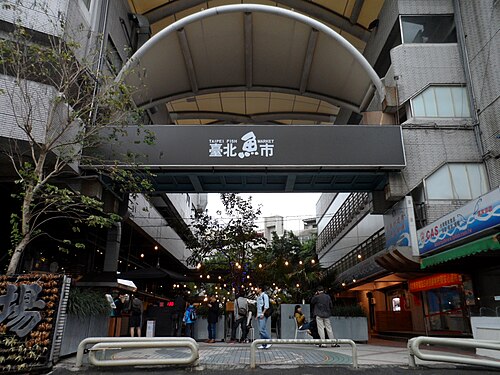
Taipei Fish Market, locally known as 台北魚市, is a working seafood marketplace in Taipei. It combines wholesale trade with retail activity, giving visitors a view of how seafood moves through an urban market rather than through a museum-style exhibition.
Seven to ten days can combine three or four days in Taipei with Tainan, Taichung or Kaohsiung on the western rail corridor. The east coast, central mountains and offshore islands require slower connections and should replace, rather than merely extend, that compact route.
Taiwan’s National Immigration Agency provides the current entry and online-arrival requirements. Check passport eligibility and permitted duration there, with consular guidance where relevant; do not assume a transit permission or previous visa exemption covers a different journey.
Taoyuan Airport connects to Taipei by airport metro, and high-speed rail makes western cities straightforward to combine. Conventional rail and buses reach the east and smaller places, but mountain roads take longer and are more vulnerable to weather disruption.
Spring and autumn often suit city and rail travel, while summer brings heat, heavy rain and typhoon risk. Mountain conditions can diverge sharply from Taipei or Kaohsiung, so check the Central Weather Administration outlook for the specific route.
New Taiwan dollar is the recorded currency. Transit stations and urban shops increasingly support electronic payment, yet night markets and small regional businesses may prefer cash; withdraw TWD through recognised banking channels and verify any foreign-card fee.
Use 110 for police and 119 for fire or ambulance; Taiwan uses Type A and B sockets at 110 V. Tap-water guidance is Not recorded here, and typhoon or earthquake instructions should be taken from official alerts rather than social-media summaries.