

7 min walk · เขตบางรัก
Customs House
- Must see · Heritage site
- Historic monument
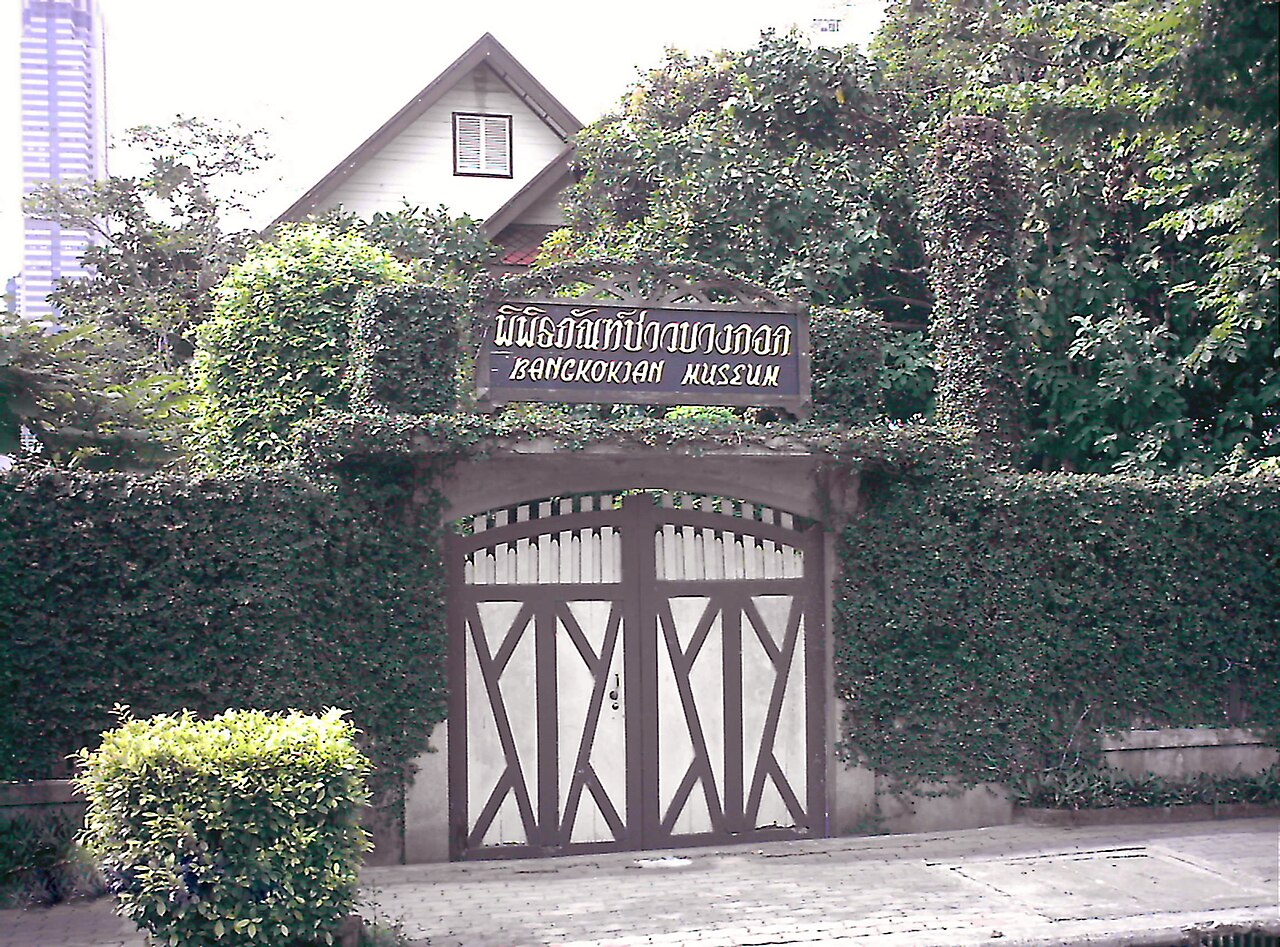
Museum · เขตบางรัก, Bangkok
พิพิธภัณฑ์ชาวบางกอก
Bangkok Folk Museum, locally called พิพิธภัณฑ์ชาวบางกอก, preserves the domestic world of Bangkok families during the early and mid-twentieth century. Set within a historic residence, it offers a close look at household routines, architecture and personal possessions. The museum feels intimate rather than monumental, making it a rewarding stop for travellers who want to understand the city through ordinary urban life. Bangkok Folk Museum, known locally as พิพิธภัณฑ์ชาวบางกอก, is a heritage museum preserving traditional Thai domestic life. Housed in a historic residence, the museum showcases how middle-class Bangkok families lived during the early to mid-twentieth century. The property retains original architectural features and family belongings, offering visitors an intimate glimpse into vanished urban customs. It stands as a rare surviving example of pre-modern Bangkok residential architecture amid the city's rapid development and commercialization. The museum's quiet atmosphere and delicate artifacts suit children with established museum behavior. No dedicated children's programming is recorded.
Checked 2026-08-26 · Source
The preserved rooms contain furniture, kitchenware, clothing, photographs, documents and personal belongings connected with the resident family. Look closely at the arrangement of rooms and the practical objects used in daily routines. The wooden construction, ventilation features and surrounding garden are part of the experience, showing how a Bangkok home responded to a tropical climate. Authentic household objects give the visit its strongest character. The museum contains preserved rooms furnished with period household items, including kitchenware, furniture, personal effects, and decorative objects accumulated by the original resident family. Displays encompass traditional clothing, photographs, documents, and everyday utensils that illustrate domestic routines. The structure itself merits attention, with wooden construction, ventilation systems, and spatial arrangements reflecting adaptations to tropical climate. Garden areas surrounding the main building contribute to understanding how residential compounds were organized. Interpretation relies substantially on authentic artifacts rather than reproductions.
Checked 2026-08-26 · Source
Allow about forty-five to ninety minutes for the museum itself. A shorter visit can cover the principal rooms, while visitors interested in material culture may spend longer comparing utensils, furnishings, photographs and architectural details. The compact scale also makes the museum easy to combine with another stop in Bangkok. Leave enough time to move through the rooms carefully rather than treating it as a quick photo stop. Visitors typically allocate between forty-five minutes and ninety minutes for a complete walkthrough, depending on reading depth and photographic interest.
Checked 2026-08-26 · Source
Morning is a comfortable time to explore the historic rooms, especially when Bangkok is hot and humid. Weekdays can provide a quieter atmosphere for reading labels and studying the household objects. The garden contributes to the visit, so dry weather makes moving between indoor and outdoor areas more pleasant. The museum works well as a calm daytime stop before continuing through Bangkok’s older neighbourhoods and nearby cultural sights.
Checked 2026-08-26 · Source
The museum is a focused cultural attraction rather than a large commercial complex. Plan the visit around the house, its rooms and its collection of family possessions. Carry Thai baht for small local purchases or visitor expenses during the outing, since smaller heritage venues may have limited payment arrangements. The museum’s main value is the preserved domestic setting, which gives context to Bangkok’s social history beyond grand temples and royal buildings.
Checked 2026-08-26 · Source
Bangkok Folk Museum lies in the city’s older central quarters. Reach the surrounding area through Bangkok’s public transport network, then use a taxi, motorcycle taxi, bus or ride-hailing car for the final connection when the nearest rail station is not convenient. Traffic can slow journeys across central Bangkok, so allow spare time. The last stretch may involve walking along local streets and smaller lanes rather than a major avenue.
Checked 2026-08-26 · Source
Historic domestic buildings can have stairs, uneven surfaces and narrow transitions between rooms. Move carefully and protect delicate objects by keeping a respectful distance from displays and furnishings. Bangkok’s heat can build up indoors, even where the house uses traditional ventilation, so water and light clothing are useful. Garden paths may be less comfortable after rain. The setting rewards a slow, attentive pace rather than hurried movement.
Checked 2026-08-26 · Source
Photograph the house, garden and period details with care, giving other visitors room in the compact interiors. Natural light can change from room to room, so exterior and interior images will have different tones. Avoid touching furnishings or placing equipment where it blocks movement. The architecture and household objects provide more meaningful images than hurried snapshots; look for relationships between rooms, windows, furniture and everyday utensils.
Checked 2026-08-26 · Source
Children can see preserved rooms, furniture, kitchenware, clothing, photographs and other household belongings from earlier Bangkok family life. The intimate house setting makes everyday history tangible for young visitors who enjoy looking at objects and room arrangements.
The museum focuses on domestic life in Bangkok during the early and mid-twentieth century, using a historic residence and the resident family’s possessions to show how middle-class households lived.
Displays include furniture, kitchenware, traditional clothing, photographs, documents, decorative items and personal effects. The building itself is also part of the display through its wooden structure, ventilation and room layout.
Most visitors can plan forty-five to ninety minutes for the museum. Reading labels, studying household objects and photographing architectural details can extend the visit.
The residence preserves features of pre-modern Bangkok domestic architecture, including wooden construction, tropical ventilation and a compound layout. These details show how urban homes responded to local climate and family routines.
It offers a quiet, self-paced encounter with household history. Visitors move through authentic rooms and possessions, gaining a personal view of Bangkok’s past through domestic objects rather than monumental art or grand ceremonial spaces.
Loading the interactive map…
The interactive map could not be loaded.
Last updated:
Source: OpenStreetMap contributors, Wikidata ·