15 min walk
Layan Beach
- Must see
- Nature site
Language · 11 published
Nature site · Phuket
Banana Beach
Reviewed by Elena Voss · Roavina Travel Editor
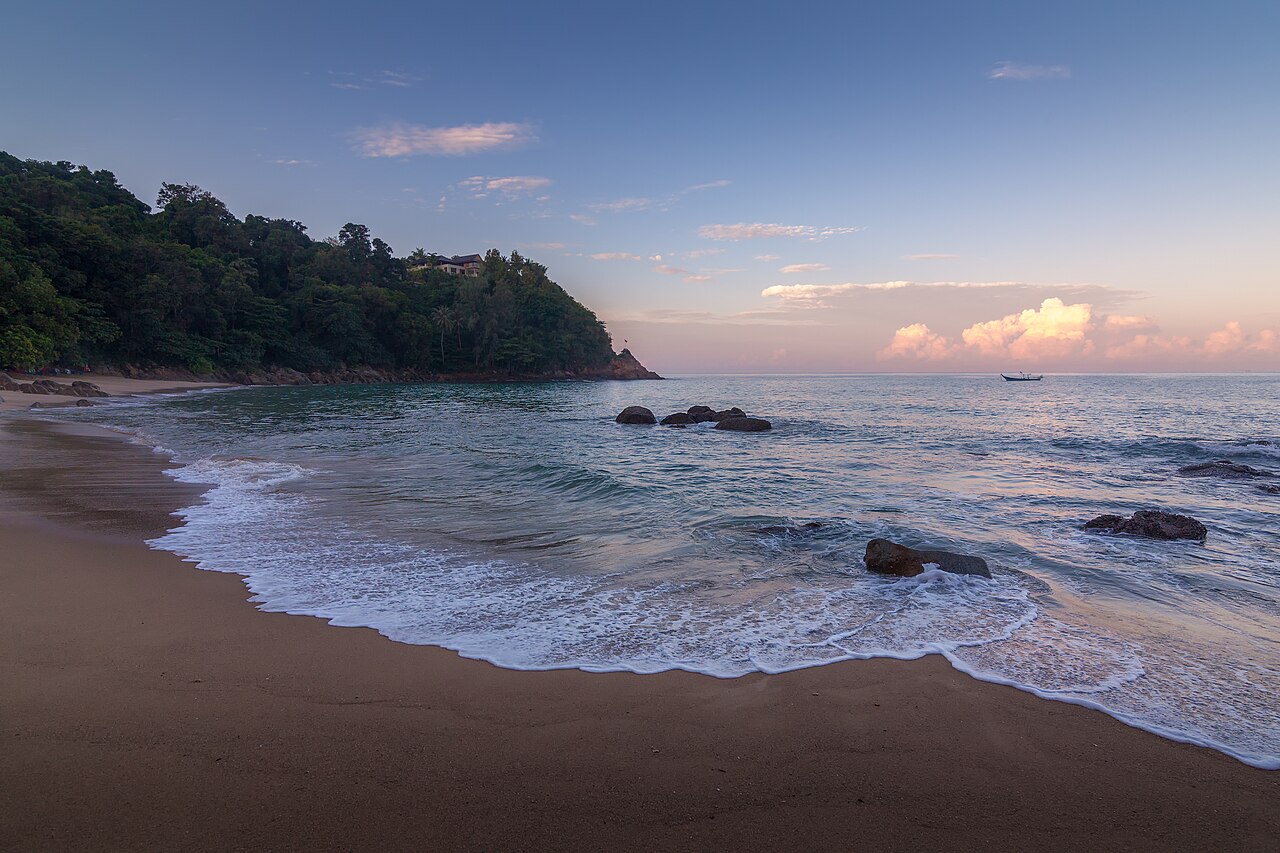
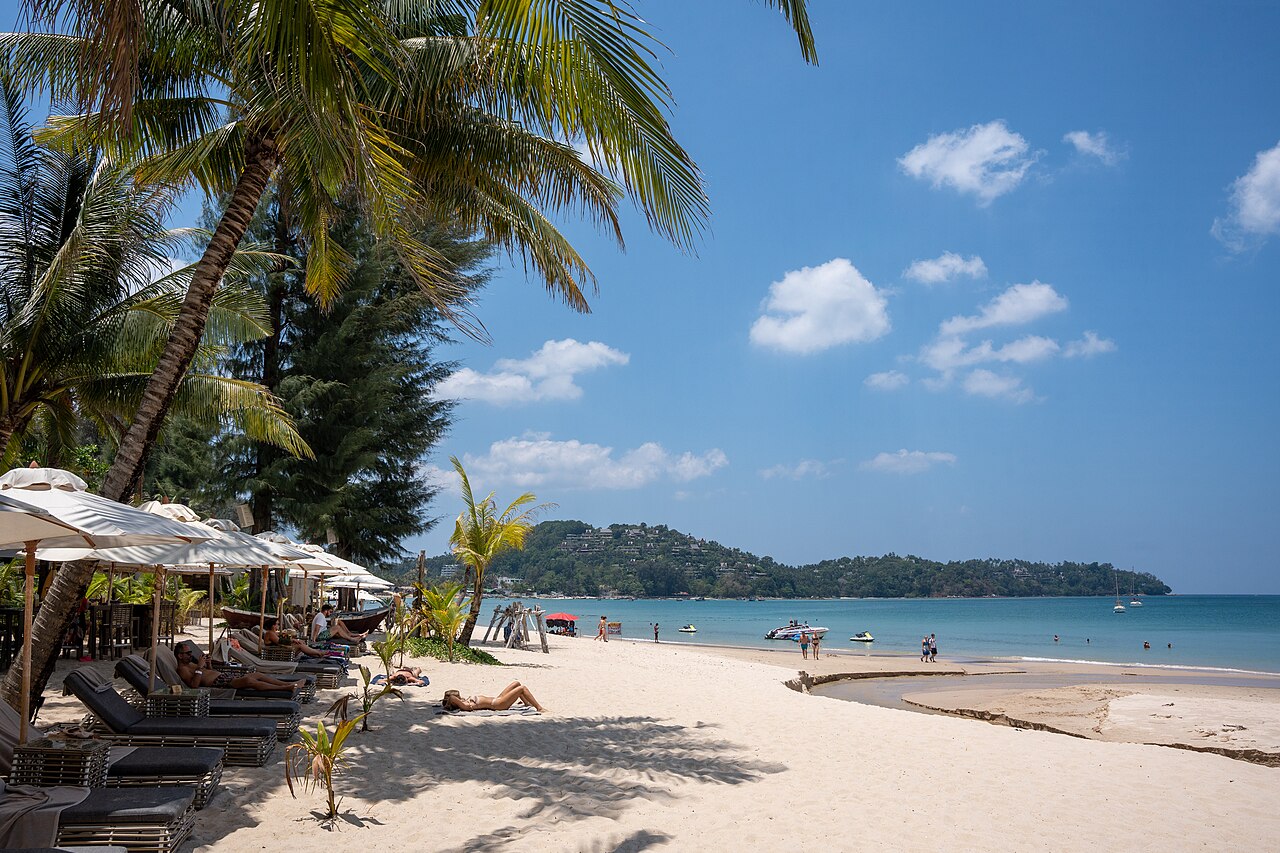
Banana Beach is a coastal area on Phuket's western shoreline. Its name refers to banana plants in the vicinity, while the place itself is defined by sand, tropical vegetation, and the Andaman Sea setting. This is a natural beach stop rather than a museum or scheduled attraction, so the experience centres on scenery, shore time, swimming decisions, and coastal observation. It can suit travellers seeking a quieter contrast with Phuket's busier resort areas. Banana Beach is a coastal area on the island of Phuket, Thailand. The beach lies along the western shoreline of the island within Phuket province, one of Thailand's southern provinces. Phuket is Thailand's largest island and a major international tourism destination. The beach takes its name from banana plants that grow in the vicinity. As an OpenStreetMap feature, it represents a mapped coastal zone rather than a formally designated attraction with managed facilities. The surrounding province encompasses numerous beaches, islands, and marine areas that collectively form Phuket's tourism economy. Swimming conditions depend on daily sea state and individual capability. No lifeguard services or safety infrastructure are documented. Visitors should assess conditions personally and exercise caution.
Checked 2026-08-26 · Source
The immediate setting consists of sandy shoreline, coastal vegetation, tropical plants, and the marine environment beyond the beach. Banana plants give the location its name and contribute to its natural character. Come for the beach landscape itself, and plan your expectations around an undeveloped or minimally developed setting. The immediate area of Banana Beach consists of sand shoreline and coastal vegetation. The beach environment includes natural features typical of Phuket's western coast, with tropical flora including the banana plants that give the location its name. Visitors should expect an undeveloped or minimally developed beach setting. The marine environment adjacent to the beach forms part of the Andaman Sea coastal ecosystem.
Checked 2026-08-26 · Source
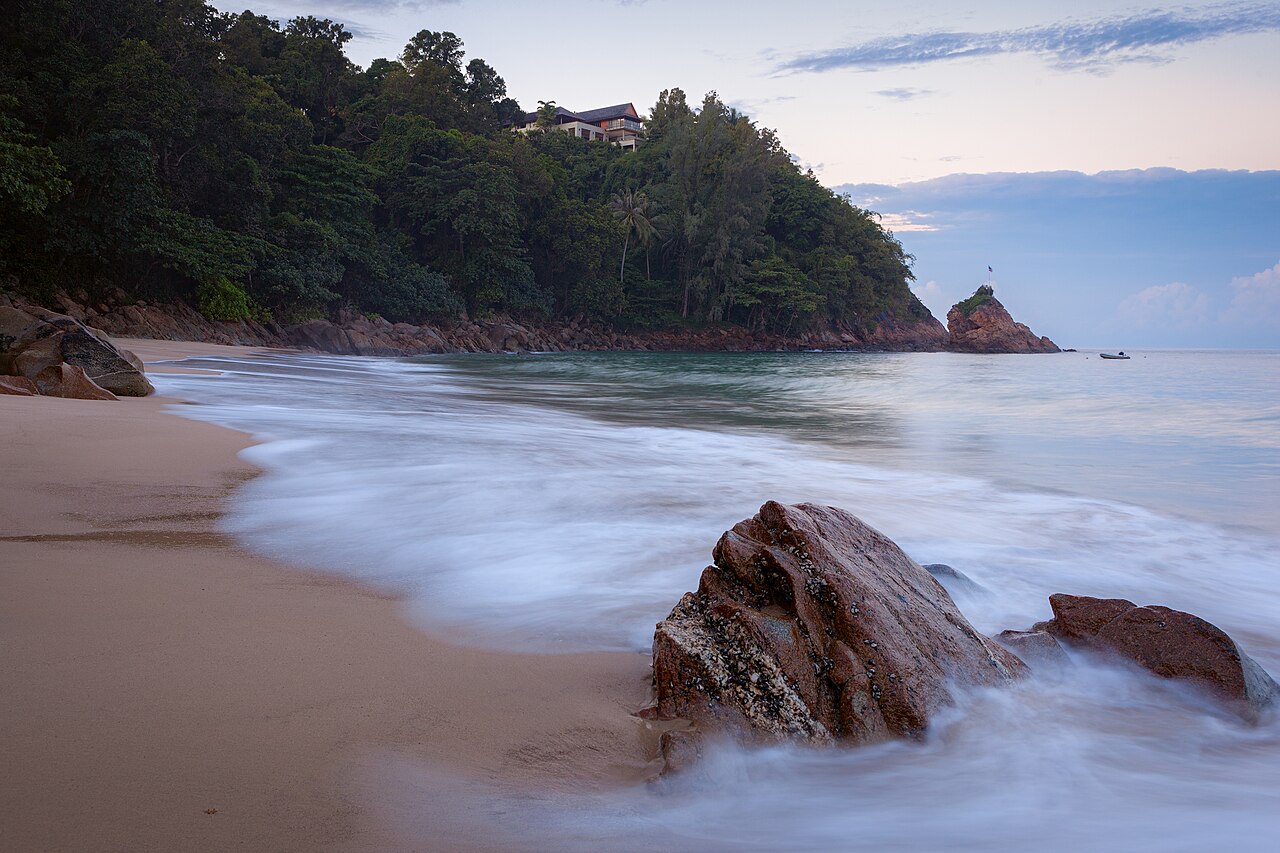
Visit length depends on what you want from the coast. A short stop of thirty minutes to an hour can cover the shoreline and views, while swimming, relaxing, or informal beach activities can fill several hours. Its position among Phuket's western coastal destinations makes it suitable for a flexible beach day, with time adjusted to weather, sea conditions, and personal energy. The duration of a visit to Banana Beach depends entirely on visitor purpose and interest. As an undeveloped coastal area without managed attractions or scheduled activities, there is no prescribed visit length. Visitors typically allocate time based on personal preferences for beach recreation, swimming, or coastal observation. A brief stop might last thirty minutes to one hour, while extended stays for relaxation or informal beach activities could span several hours.
Checked 2026-08-26 · Source
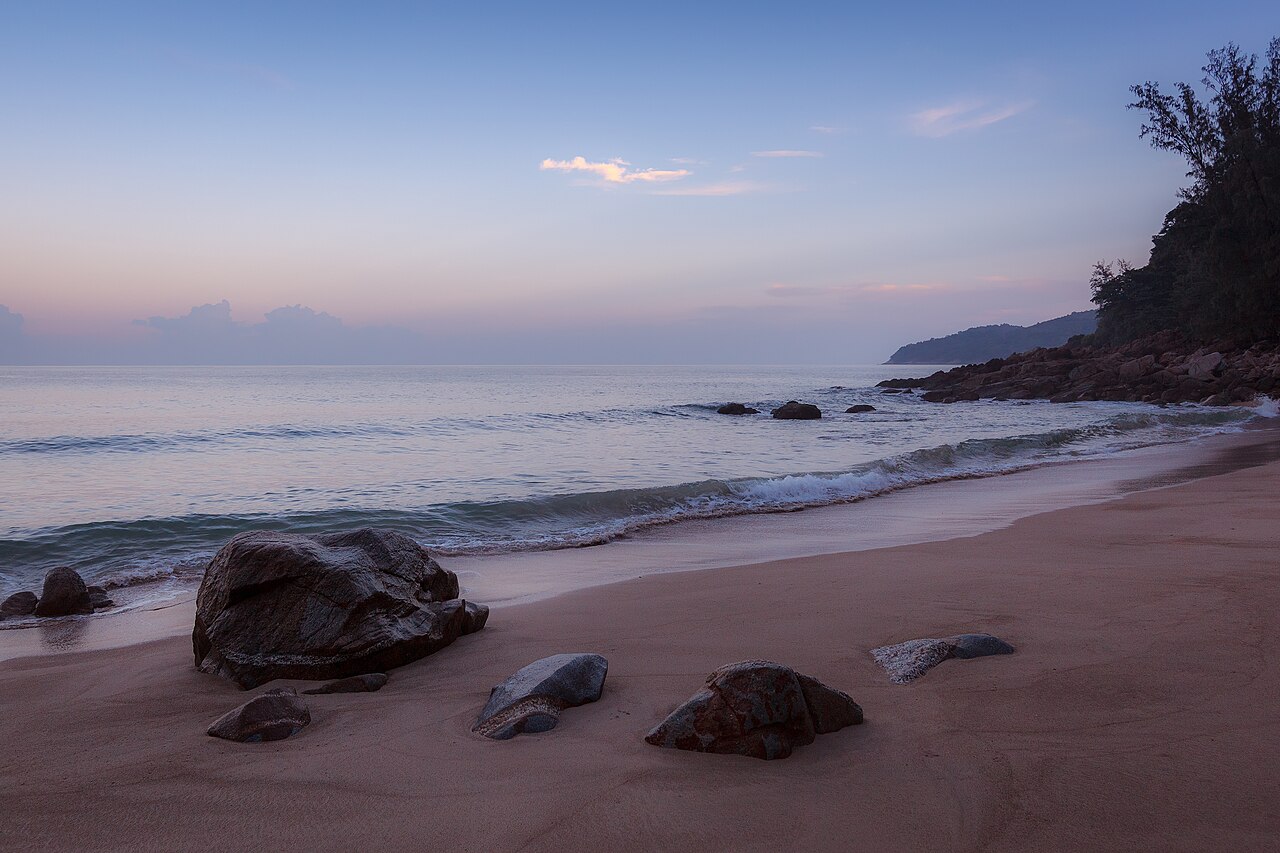
Phuket's drier season generally runs from November through April, when rainfall is reduced and the sea is often calmer. From May through October, the monsoon season brings more rain and can produce rougher coastal conditions. Because Banana Beach is a natural shoreline, weather and sea state matter more than a formal timetable. Morning and late afternoon can be more comfortable than the strongest midday heat, while changing conditions may affect swimming and access.
Checked 2026-08-26 · Source
General access to a natural beach typically does not involve an admission ticket. Bring what you need for a self-sufficient coastal visit, including water and sun protection. Costs at commercial attractions elsewhere in Phuket belong to those individual venues and should not be treated as part of this beach experience.
Checked 2026-08-26 · Source
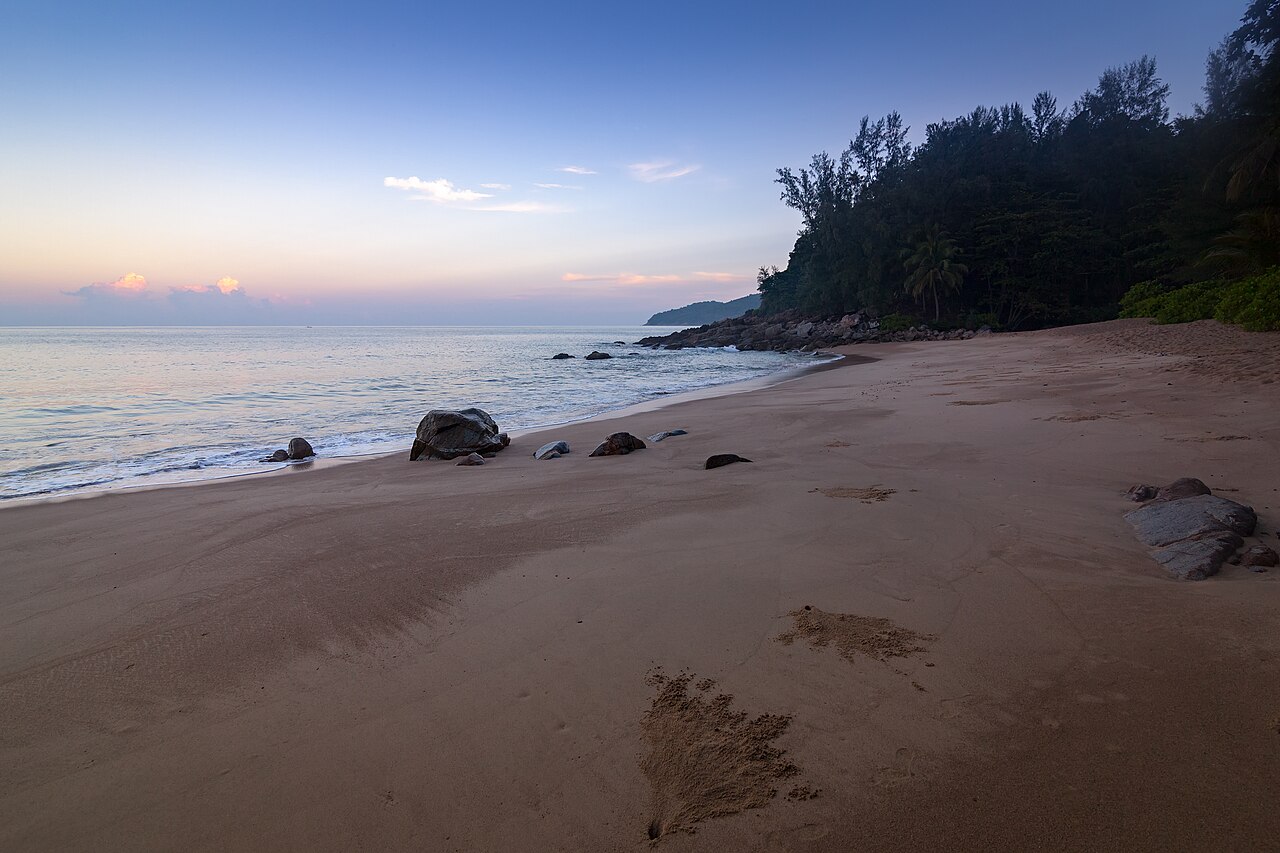
Banana Beach lies on Phuket's western coast and connects to the island's road network. Phuket International Airport is the main air gateway, followed by a ground journey. Travellers may use rental vehicles, taxis, tuk-tuks, motorcycle taxis, or other island transport. Allow navigation time and expect the final approach to depend on local road conditions.
Checked 2026-08-26 · Source
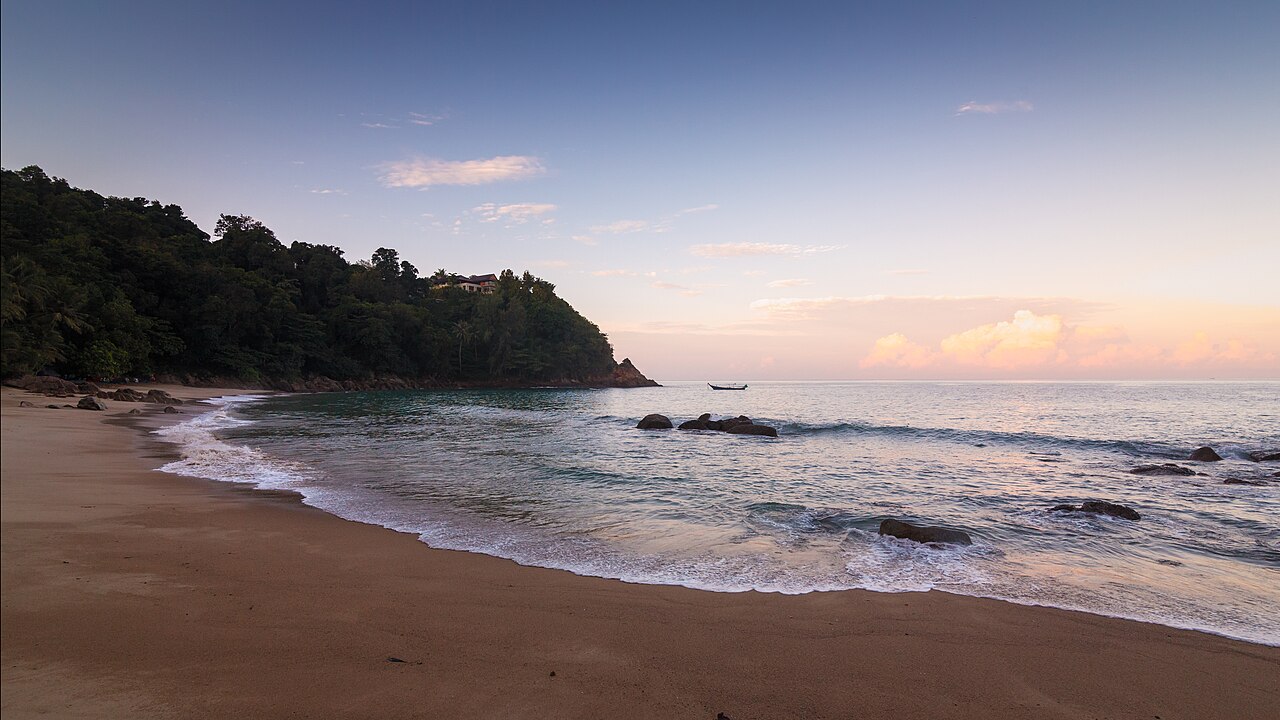
Treat the sea as changeable. Currents, rip tides, waves, and weather can alter swimming conditions, particularly during the monsoon season. The beach setting may offer limited emergency help or lifeguard support, so choose activities within your ability and keep children close to adults. Protect yourself from strong tropical sun with shade, sunscreen, and water. Sand, uneven ground, insects, and marine life are part of the natural environment, while personal belongings need attention on any beach.
Checked 2026-08-26 · Source
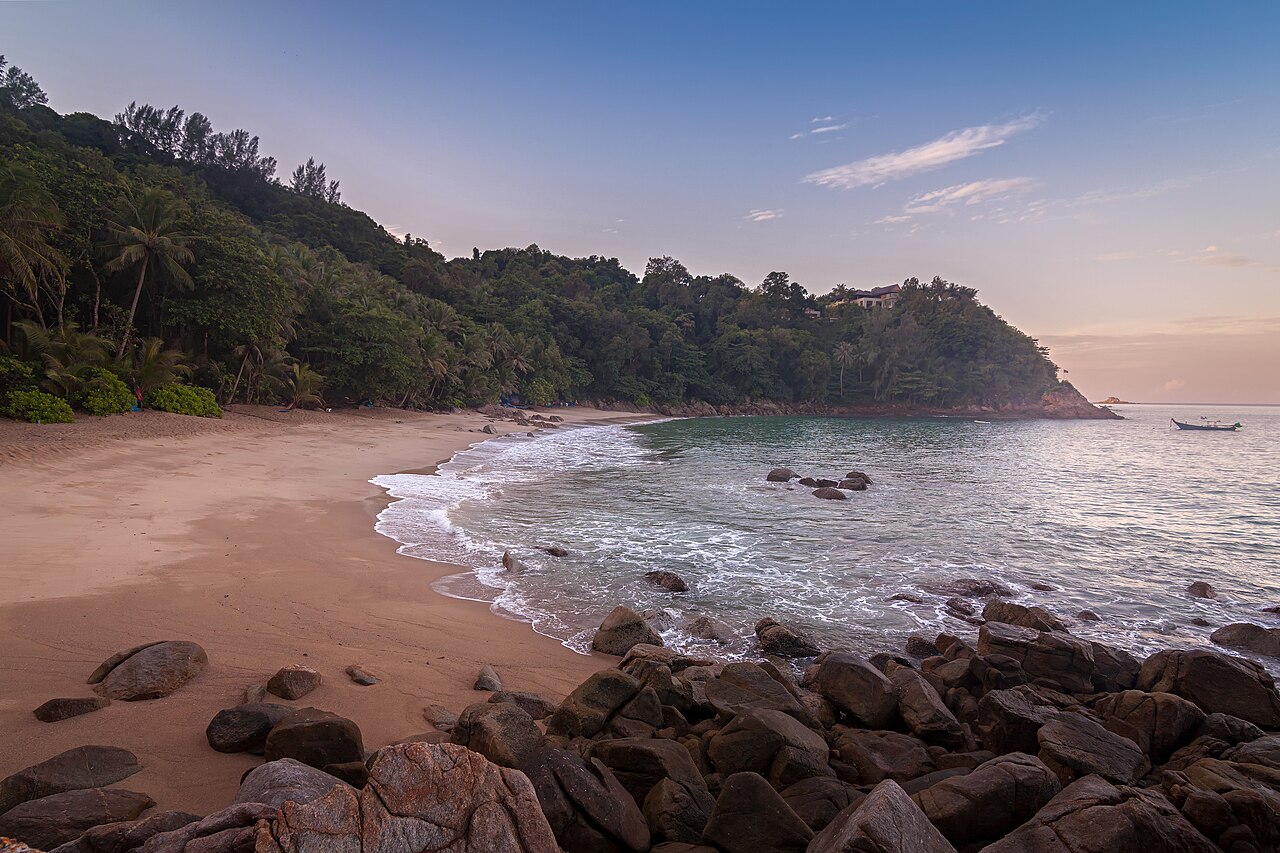
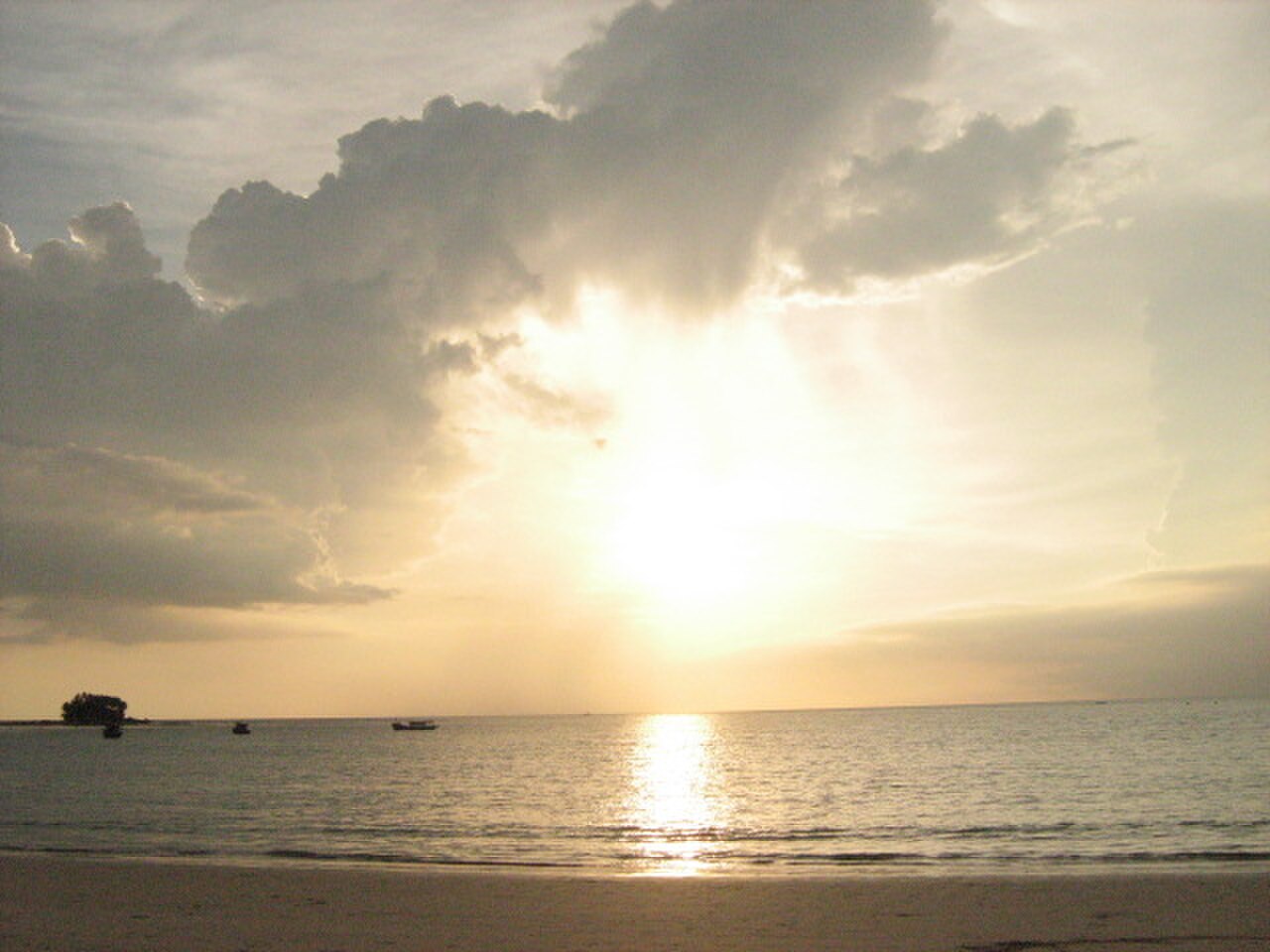
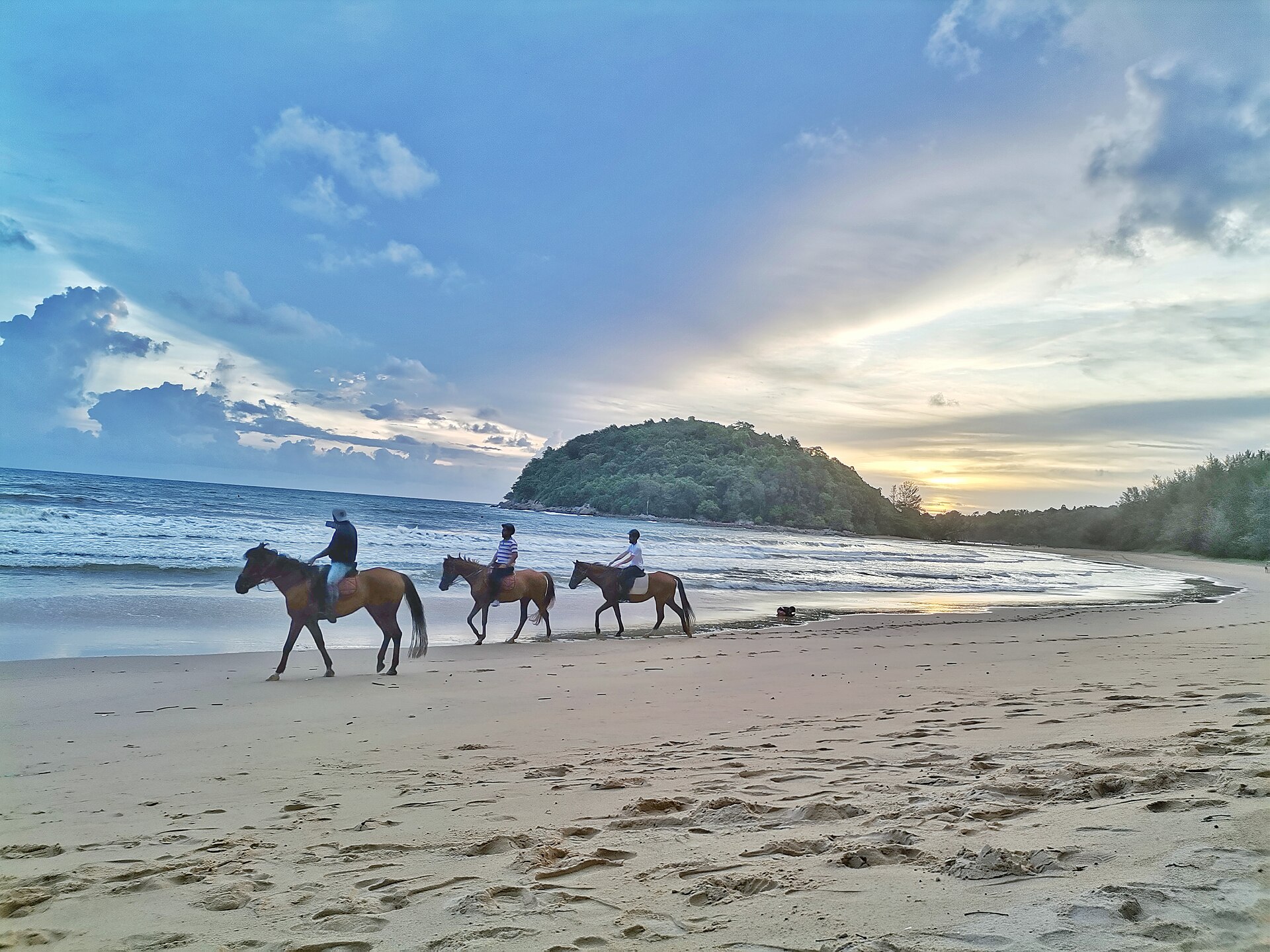
Banana Beach offers shoreline views, tropical plants, open sea horizons, and the natural textures of sand and vegetation. Its western orientation can provide attractive evening light and sunset scenes across the Andaman Sea. Morning and late afternoon soften the strong tropical contrast found at midday. Protect cameras and phones from sand, salt water, and humidity.
Checked 2026-08-26 · Source
Swimming depends on the day's sea conditions and your ability. Currents, waves, and monsoon weather can change the level of risk, so use caution.
It is a natural coastal setting of sand, tropical vegetation, banana plants, and Andaman Sea views, with a minimally developed character.
General access to a natural beach typically does not require an admission ticket. Charges for services at this exact location are not stated.
November through April is generally drier, while May through October brings more rain and potentially rougher seas.
The beach is reached through Phuket's road network using options such as a rental vehicle, taxi, tuk-tuk, or motorcycle taxi.
Yes. Shoreline scenery, tropical vegetation, sea horizons, and western-facing evening light provide natural subjects for photographs.
Loading the interactive map…
The interactive map could not be loaded.
Last updated:
Source: OpenStreetMap contributors, Wikidata ·