
26
45 min
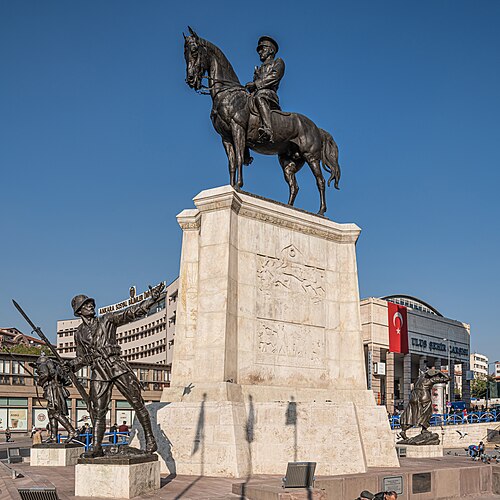
Victory Monument
Ankara Zafer Anıtı
Victory Monument, also known as the Ulus Atatürk Monument, stands in Ulus Square in Ankara’s Altındağ district.
- Must see
- Historic monument
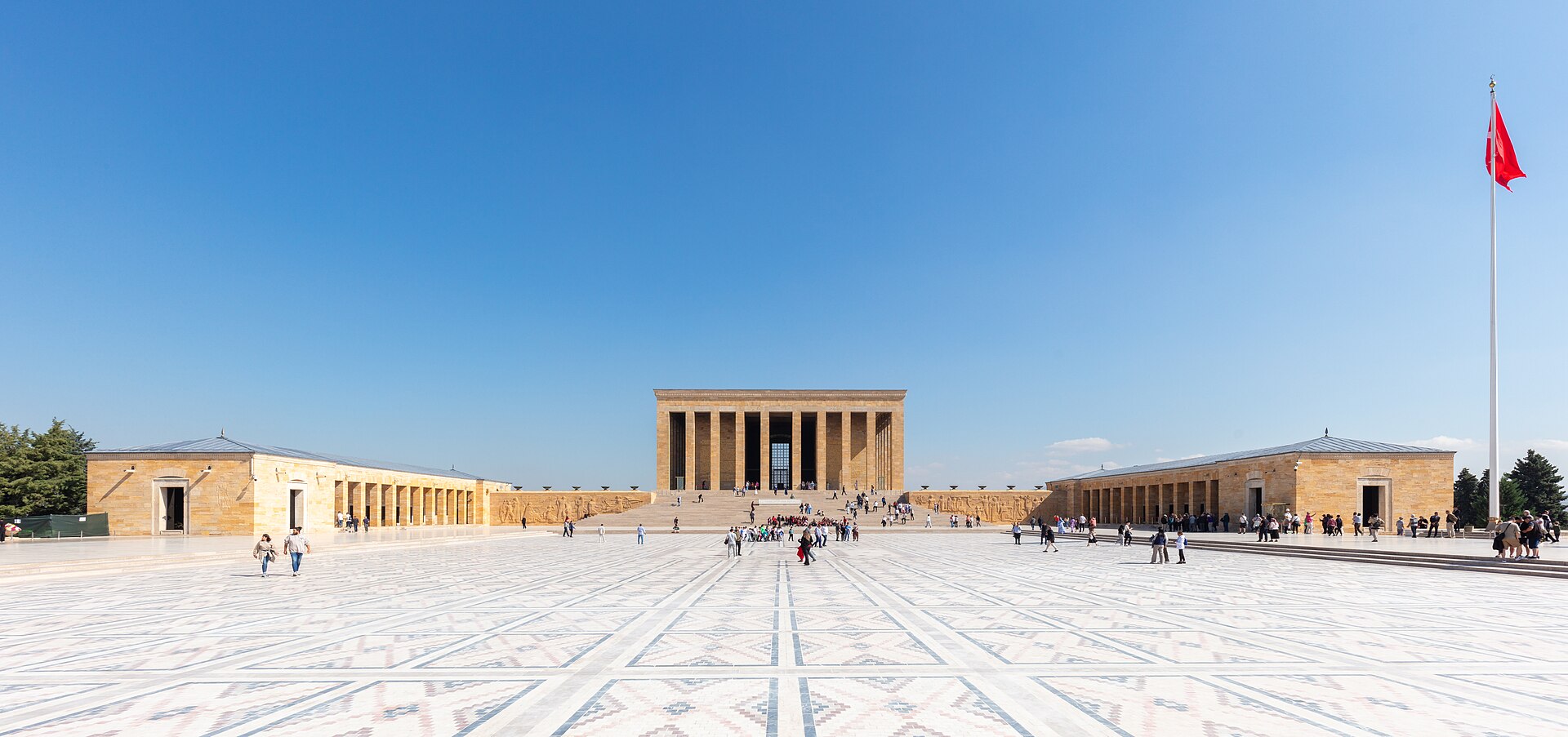
City guide · Türkiye
Ankara is Türkiye’s republican capital, where Anıtkabir’s monumental presence, the institutions of the modern state and the layered streets of historic Ulus mee...
Photograph · Diego Delso · CC BY-SA 4.0
Set your days, your pace and the hours you actually want to be out. The planner works around closing days and travel time, and leaves room to eat.
Reviewed by Elena Voss · Roavina Travel Editor
Ankara is Türkiye’s republican capital, where Anıtkabir’s monumental presence, the institutions of the modern state and the layered streets of historic Ulus meet in one inland city. Begin with Anıtkabir and the Museum of Anatolian Civilizations, then follow the old citadel quarter, Roman remains and the museums around Ulus. Ankara also works as a base for district-scale excursions: Gordion in Polatlı and the wider cultural landscape beyond the centre reward travellers who allow time beyond the central museums.
Checked 2026-09-02
September · The Turkish State Meteorological Service records a 26.1°C mean high and 11.9°C mean low for Ankara in September; this is among the most comfortable periods for long outdoor sightseeing days.
Ranked by importance — sitelinks, pageviews and heritage status, not editor preference.
65 places match
Category
Typical visit duration
Ankara Zafer Anıtı
Victory Monument, also known as the Ulus Atatürk Monument, stands in Ulus Square in Ankara’s Altındağ district.
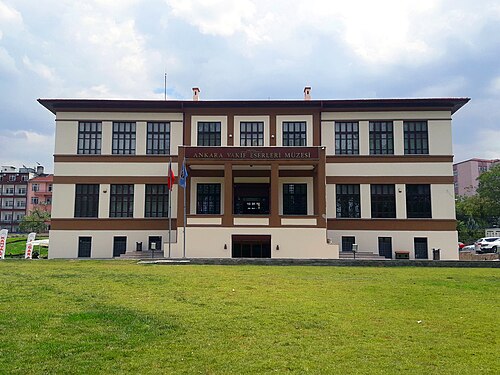
Ankara Vakıf Eserleri Müzesi
Ankara Vakıf Museum is a specialised Ulus collection centred on objects preserved through the charitable foundation tradition known as vakıf. Its displays connect religious practice with the material skills that supported worship, learning and public benefit.
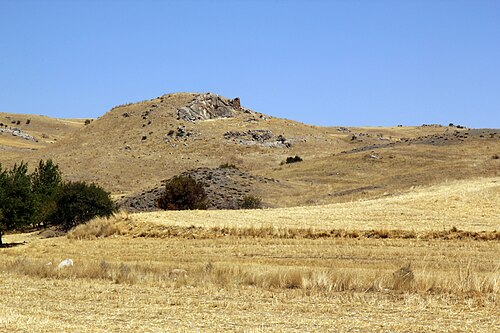
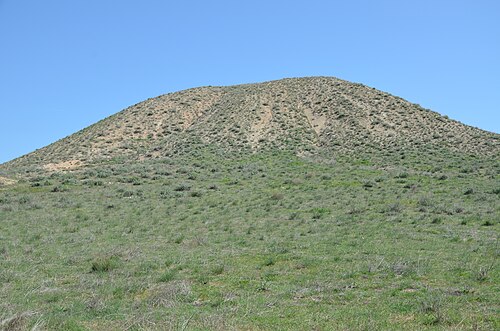
Gavur Kalesi
Gavurkale Hill is a rocky archaeological landmark near Dereköy in Haymana district, roughly 60 kilometres southwest of Ankara.
Midas'ın Tümülüsü
Tumulus MM is a monumental Phrygian burial mound at ancient Gordion near Yassıhöyük in Ankara Province.
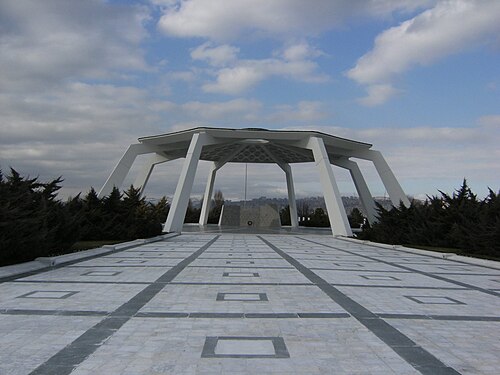
Devlet Mezarlığı
Turkish State Cemetery is Ankara’s national memorial cemetery for presidents of the Republic and commanders of the Turkish War of Independence.
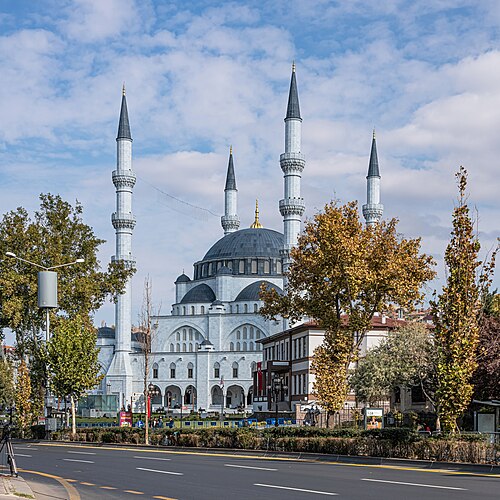
Melike Hatun Camii
Melike Hatun Mosque is a contemporary religious landmark in Ankara’s historic Ulus district, standing at İtfaiye Meydanı on Kosova Caddesi in Anafartalar Mahallesi, Altındağ.
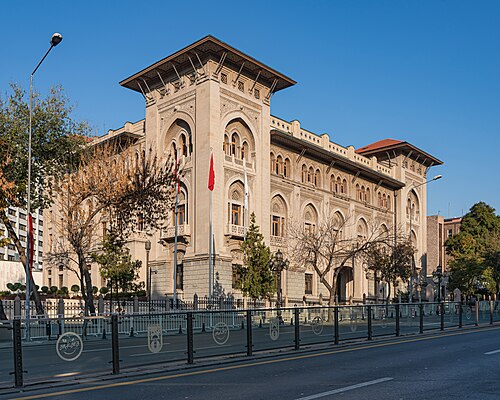
Ziraat Bankası Müzesi
Ziraat Bank Museum is a compact institutional museum about the history of Turkey’s state banking tradition. It opened in 1981 in the Honor Hall of Ziraat Bank’s Ankara headquarters, presenting the story within the institution’s own historic home.
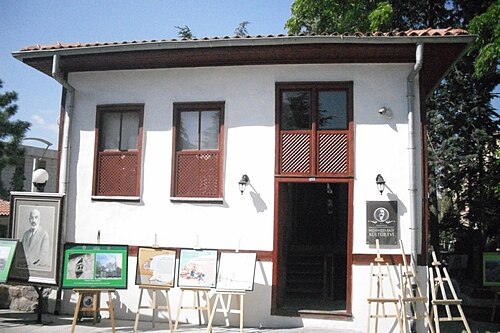
Mehmet Akif Ersoy Evi ve Müzesi
Mehmet Akif Ersoy Museum House is a two-storey wooden Ankara house beside Taceddin Dergâhı in Hamamönü.
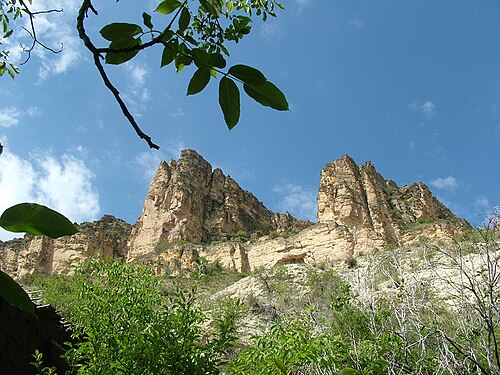
İnözü Vadisi
İnözü Valley is an open rural landscape in Rüstempaşa, about 3 km from Beypazarı district centre. Its character comes from the meeting of rocky valley walls, village views, cultivated fields and visible birdlife.
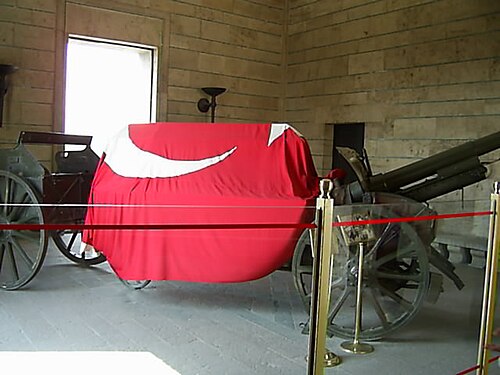
Atatürk ve Kurtuluş Savaşı Müzesi
The Atatürk and War of Independence Museum is a museum within Anıtkabir, Mustafa Kemal Atatürk’s memorial complex in Anıttepe, Ankara.
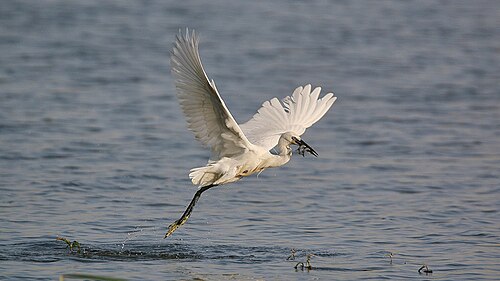
Kuş Cenneti is a wetland in Davutoğlan village, within Ankara’s Nallıhan district, where the Aladağ Stream meets the Sarıyar Dam. Its character comes from the meeting of flowing water, reservoir shoreline, reed beds, rocky ground and bird habitat.
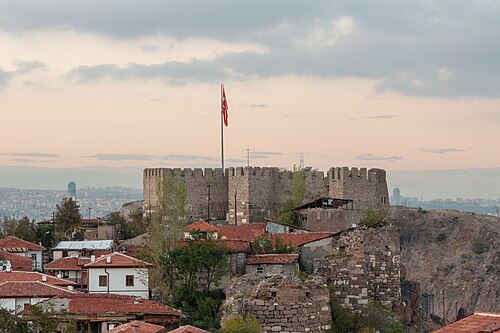
Akkale is the highest bastion of Ankara Castle, at the summit of the fortress above Ankara’s historic Ulus centre. Its identity is architectural and defensive: this is a prominent part of the castle complex, not a separate public museum.
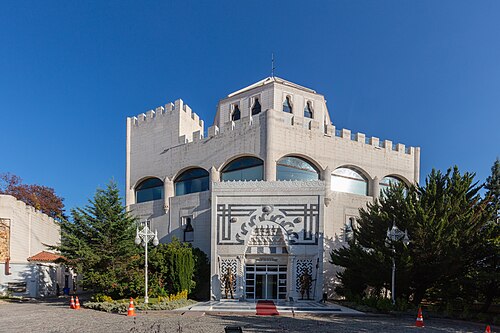
Estergon Kalesi Türk Kültür Merkezi
Estergon Turkish Cultural Centre is a castle-inspired municipal complex in Güçlükaya, Keçiören, rather than a surviving medieval fortress.
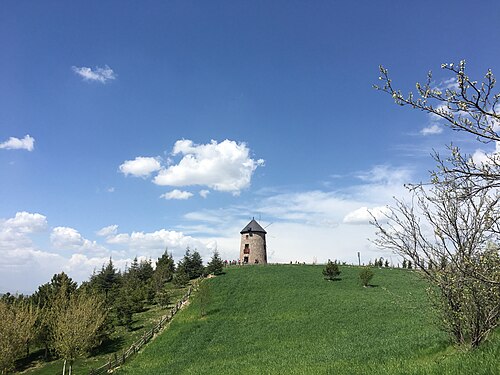
Altınköy Açık Hava Müzesi is a reconstructed Anatolian village landscape in Beşikkaya, Altındağ, dedicated to rural life in the 1930s, 1940s and 1950s.
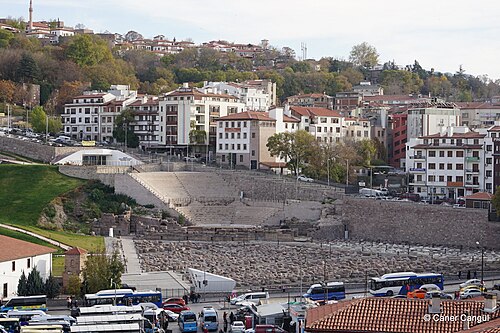
Ankara Roma Tiyatrosu is an archaeological theatre in Ulus, Ankara’s historic core, within Altındağ district.
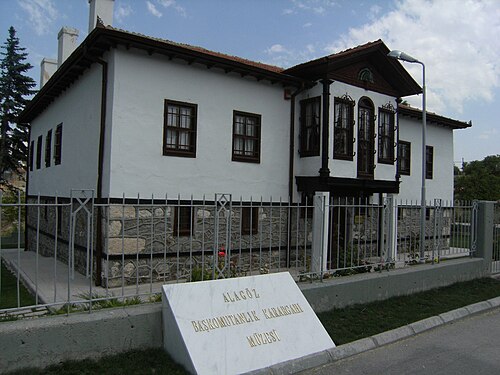
Alagöz Karargah Müzesi
Alagöz Karargâh Museum is a preserved village headquarters associated with the Battle of Sakarya in 1921.
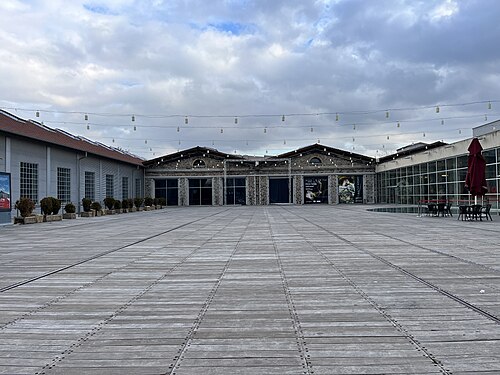
CerModern is a contemporary arts centre in Ankara’s Sıhhiye district, bringing exhibition halls, the Flow digital exhibition, a shop, CafeModern and a library into one venue.
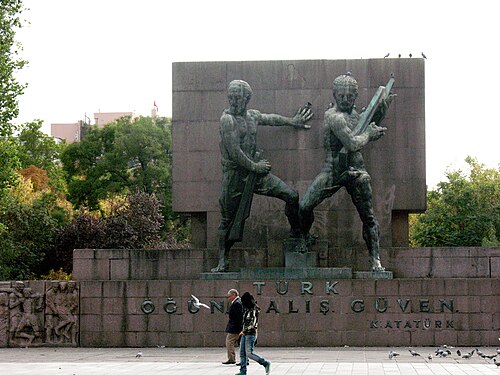
Güven Abidesi
Güvenlik Monument is a 1935 civic artwork inside Güvenpark, in Ankara’s Kızılay district. Its subject is not a private memorial or enclosed museum display: it places a statement about public trust within one of the capital’s busiest everyday spaces.
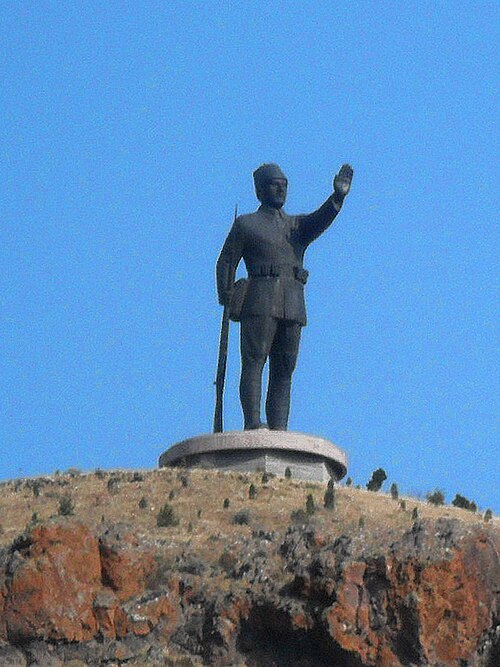
Mehmetçik Anıtı
Mehmetçik Monument is a hilltop memorial at Kartaltepe, about 6 kilometres west of Polatlı in Ankara Province, beside the E-90 Ankara–Eskişehir highway.
Türk Hamam Müzesi
Turkish Bath Museum occupies the restored Rüstem Paşa Bath in Beypazarı, a sixteenth-century town bath whose original purpose remains visible in its architecture.
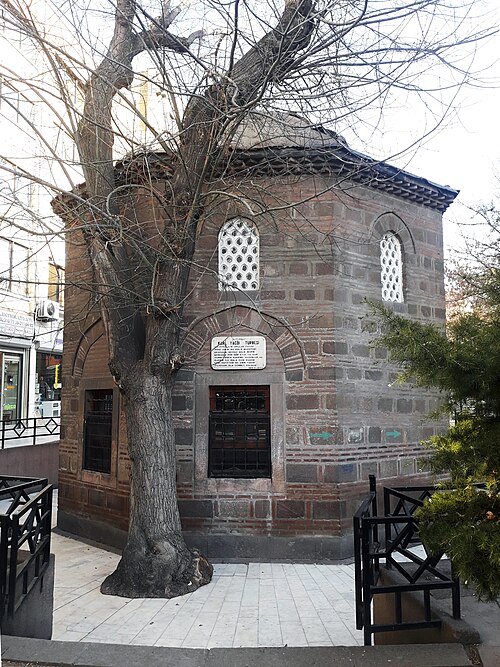
Karyağdı Hatun Türbesi
The Tomb of Karyağdı Hatun is a small Ottoman funerary monument on Doğan Sokak in Ankara’s Ulus area, close to İtfaiye Meydanı.
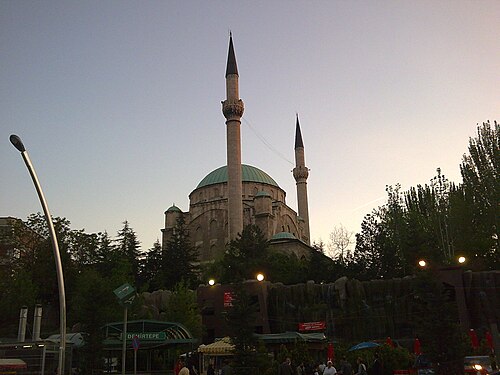
Maltepe Camii
Maltepe Mosque is a functioning place of worship in Maltepe Mahallesi, within Ankara’s Çankaya district. Construction began in 1954 and finished in 1959, while the design adopts the visual language of classical Ottoman mosques.
Suluhan is a sixteenth-century urban han in Ankara’s Ulus district, known in historical records and local heritage inventories as Hasanpaşa Hanı and Ankaravî Hanı.
Turistik Demirciler Çarşısı
Turistik Demirciler Çarşısı is a historic market quarter in Beypazarı district centre, around İrfan Gümüşel Caddesi.
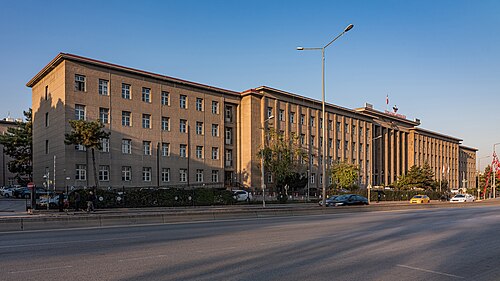
TCDD Genel Müdürlüğü
TCDD General Headquarters Building is the Ankara headquarters of Türkiye's State Railways, at Hipodrom Caddesi beside Ankara railway station in Altındağ. Its identity is tied to railway administration rather than a museum collection or a station's passenger functions.
District boundaries come from OSM administrative relations, so a district page holds exactly the places inside it — plus, for the islands and the coast, the nearest district by proximity.
Ankara is easiest to understand as a set of distinct urban areas rather than one continuous sightseeing centre. Ulus is the historic core, with the citadel above it and major museums, Roman-era remains and civic landmarks concentrated nearby. Anıtkabir stands separately on the central Anıttepe ridge, while Kızılay and Tunalı Hilmi form the contemporary central axis for shopping, cafés and everyday city life. The metropolitan municipality’s rail network links these areas, but the final approach to hilltop and citadel sights is still best planned as a walk or short local connection. Gordion, west of the capital in Polatlı district, is a separate excursion rather than a central neighbourhood stop.
Checked 2026-09-02
Use Ankara’s municipal public-transport network to connect the main urban areas: EGO buses serve the metropolitan road network, while Metro, Ankaray and Başkentray provide rail links across the city. Check EGO’s current route, timetable and fare information before travelling, because service details can change. For a museum-and-Ulus day, rail or bus can bring you close to the historic core, followed by walking between nearby sights; Anıtkabir is a separate stop. Reaching Gordion requires an intercity or district connection to Polatlı and onward local travel, so treat it as a planned day trip. Ankara’s scale and slopes make comfortable shoes and extra transfer time worthwhile.
Checked 2026-09-02
Anıtkabir is the mausoleum and memorial complex of Mustafa Kemal Atatürk, the founder of the Republic of Türkiye. Its ceremonial approach, courtyards and museum make it the clearest starting point for understanding Ankara as the republican capital. Check the official visitor information before going, as access arrangements and visiting details can change.
Build a compact Ulus circuit around the Museum of Anatolian Civilizations, Ankara Castle and the Roman-era remains in and around the old centre. The district is where Ankara’s ancient, Ottoman and early republican layers are most legible together. Allow time for uphill walking around the citadel and verify each museum’s current visitor information on its official site.
The Museum of Anatolian Civilizations provides the strongest archaeological introduction, while the Republic Museum and the Independence War Museum place Ankara in the political history of the Turkish Republic. The Ethnography Museum adds cultural context. They are a good counterpoint to Anıtkabir: together, the collections explain both the deep history of central Anatolia and the capital’s modern national role.
Yes. Gordion is in Polatlı district, west of Ankara, and is best treated as a full excursion rather than a quick central-city stop. The archaeological site and museum are associated with the Phrygian capital and the Gordion archaeological landscape. Plan the transport connection and confirm current site information with the Ministry of Culture and Tourism before travelling.
No official source used for this fragment publishes a recommended stay length, so there is no sourced number to give. The practical answer depends on whether your plan is limited to Anıtkabir, Ulus and the central museums or includes Gordion and other district-scale excursions. Treat the stay as an itinerary choice, not a fixed official rule.
For the metropolitan area, combine EGO buses with Metro and Ankaray, using Başkentray where its rail corridor fits your journey. Walking is especially useful for linked sights in Ulus, although the citadel approach is uphill. Gordion is outside the central sightseeing area in Polatlı district, so check the relevant rail, bus and local connection information before setting out.