
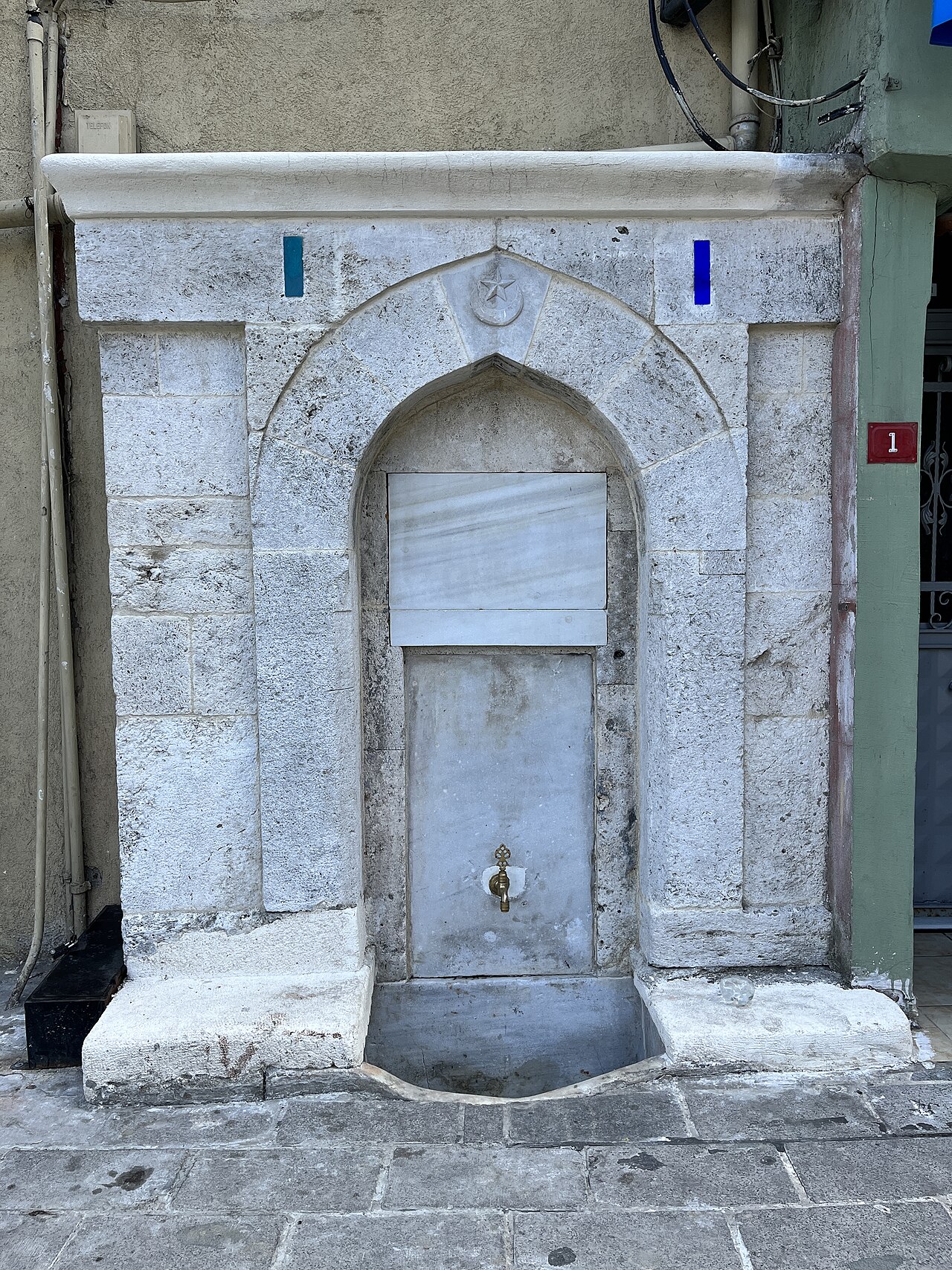
2 min walk · Fatih
İskender Bey Fountain
- High
- Historic monument
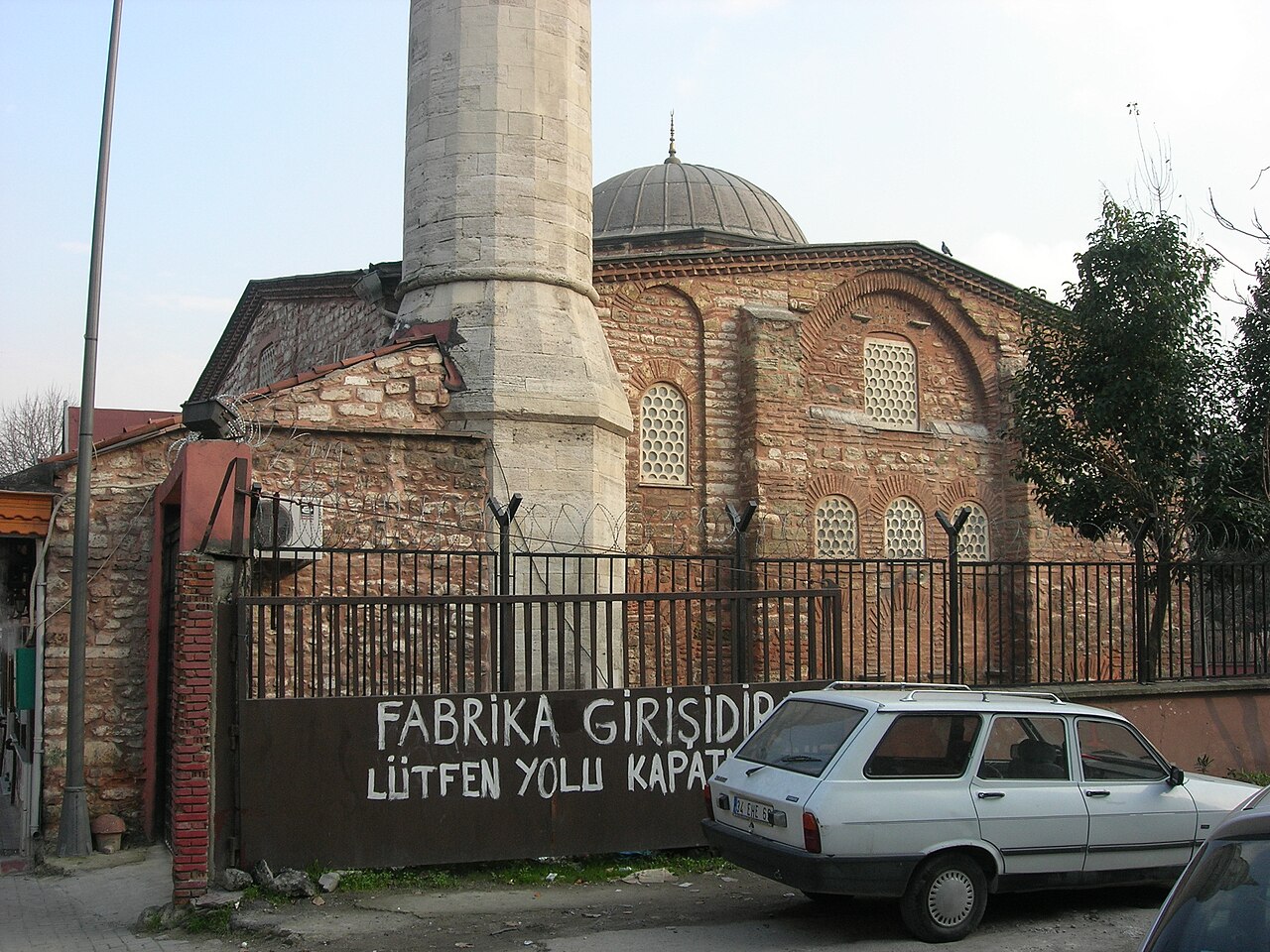
Historic monument · Fatih, Istanbul
Hz. Cabir Cami
| Monday | 04:00 – 23:00 |
|---|---|
| Tuesday | 04:00 – 23:00 |
| Wednesday | 04:00 – 23:00 |
| Thursday | 04:00 – 23:00 |
| Friday | 04:00 – 23:00 |
| Saturday | 04:00 – 23:00 |
| Sunday | 04:00 – 23:00 |
Checked 2026-08-31 · Source
| Per person | TRY 0.00 |
|---|
Checked 2026-08-31 · Source
Read from the OpenStreetMap access tags; anything not listed has no tag recorded.
Set the group type to family in the planner and the day window contracts to about three quarters of a solo day.
A working neighbourhood mosque in Ayvansaray that began as a Byzantine church, and nobody is entirely sure which one. For a long time it was identified as the church of Saints Peter and Mark, on no evidence at all; current scholarship leans instead towards St Thekla of the Palace of Blachernae. The sequence, as far as it can be reconstructed, runs like this. Princess Thekla, daughter of Emperor Theophilus, enlarged a small oratory here in the middle of the ninth century. Open daily around prayer times; sightseeing pauses during services and religious programmes. Street and courtyard approaches are mostly level, but historic thresholds and interior floor changes can require assistance. Open daily around prayer times; sightseeing pauses during services and religious programmes. Base public or worship access is free. Accessibility is LIMITED: Street and courtyard approaches are mostly level, but historic thresholds and interior floor changes can require assistance. Use buses along Ayvansaray Caddesi or T5 tram to Ayvansaray, then walk uphill to Hz. Cabir Camii on Çember Street. Religious services, conservation, ceremonies, weather or dated operator notices can alter ordinary access. Dress modestly, remove shoes where required and avoid sightseeing during prayer. Open daily around prayer times; sightseeing pauses during
Checked 2026-08-31 · Source
One domed space of a domed Greek cross plan, fifteen metres wide and seventeen and a half long, with three polygonal apses, built in brick and stone. The building is small enough to take in from the doorway and rewarding enough to stay for. The interesting reading is in what is Byzantine and what is not. The arches and the L-shaped piers that carry the dome are Byzantine; the dome itself, which has no drum, is almost certainly Ottoman, put up after 1509. Base public or worship access is free. Use buses along Ayvansaray Caddesi or T5 tram to Ayvansaray, then walk uphill to Hz. Cabir Camii on Çember Street.
Checked 2026-08-31 · Source
Twenty minutes, and the constraint is the size of the building rather than your interest in it. Fifteen by seventeen and a half metres is one room; you take in the piers, the apses, the dome, the turbe, and you are done. The interest is architectural and comparative rather than immersive. What you are doing here is reading a thousand years of a building's life off its own fabric: which arch is eleventh century, where the Ottoman dome sits on Byzantine piers, what the floor gave up in the 1990s. Accessibility is LIMITED: Street and courtyard approaches are mostly level, but historic thresholds and interior floor changes can require assistance.
Checked 2026-08-31 · Source
Open daily around prayer times; sightseeing pauses during services and religious programmes. Worship, weather, restoration and events can replace ordinary access. Use buses along Ayvansaray Caddesi or T5 tram to Ayvansaray, then walk uphill to Hz. Cabir Camii on Çember Street.
Checked 2026-08-31 · Source
General public or worship access is free; independently operated activities can cost extra. The base amount and currency follow the operator tariff; premium products and separate institutions remain excluded unless named. Religious services, conservation, ceremonies, weather or dated operator notices can alter ordinary access.
Checked 2026-08-31 · Source
Use buses along Ayvansaray Caddesi or T5 tram to Ayvansaray, then walk uphill to Hz. Cabir Camii on Çember Street. Use the named entrance or stop because hills, security and historic streets change the approach. Dress modestly, remove shoes where required and avoid sightseeing during prayer.
Checked 2026-08-31 · Source
Street and courtyard approaches are mostly level, but historic thresholds and interior floor changes can require assistance. Open daily around prayer times; sightseeing pauses during services and religious programmes. Base public or worship access is free. Accessibility is LIMITED: Street and courtyard approaches are mostly level, but historic thresholds and interior floor changes can require assistance. Historic surfaces, crowds and security remain relevant.
Checked 2026-08-31 · Source
Ask before you photograph inside, and do not photograph at all if anyone is praying or visiting the turbe. That is not a rule anyone will enforce; it is the difference between being a guest and being a nuisance. The building's own best subject is its exterior masonry. The alternating brick and stone courses and the three polygonal apses are the Byzantine evidence still showing on the outside, and the apse end photographs far better than the entrance front does. Morning light on the eastern apses is the moment to catch it. General public or worship access is free; independently operated activities can cost extra.
Checked 2026-08-31 · Source
Open daily around prayer times; sightseeing pauses during services and religious programmes.
Base public or worship access is free.
Accessibility is LIMITED: Street and courtyard approaches are mostly level, but historic thresholds and interior floor changes can require assistance.
Use buses along Ayvansaray Caddesi or T5 tram to Ayvansaray, then walk uphill to Hz. Cabir Camii on Çember Street.
Religious services, conservation, ceremonies, weather or dated operator notices can alter ordinary access.
Dress modestly, remove shoes where required and avoid sightseeing during prayer.
Loading the interactive map…
The interactive map could not be loaded.
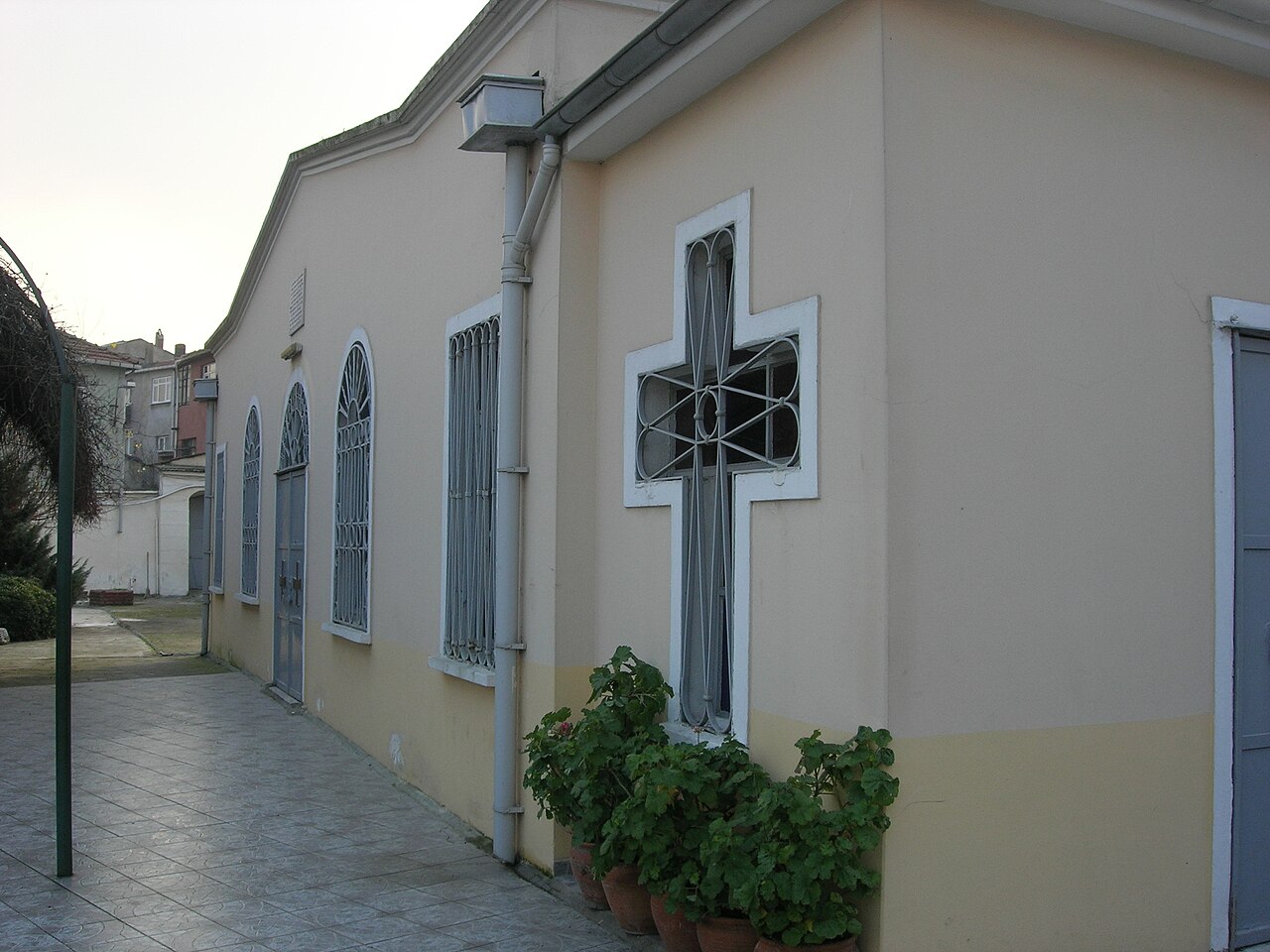
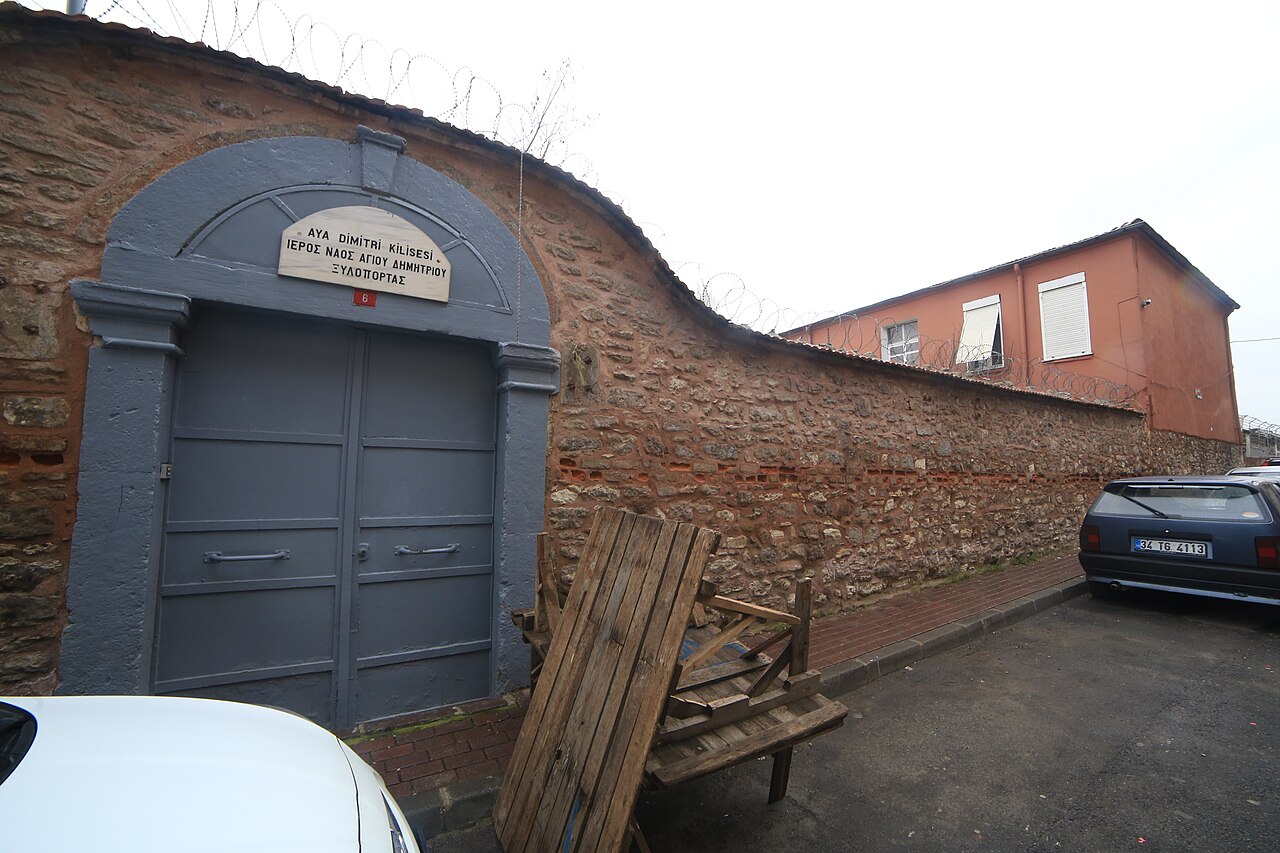
Last updated:
Source: OpenStreetMap contributors, Wikidata ·