
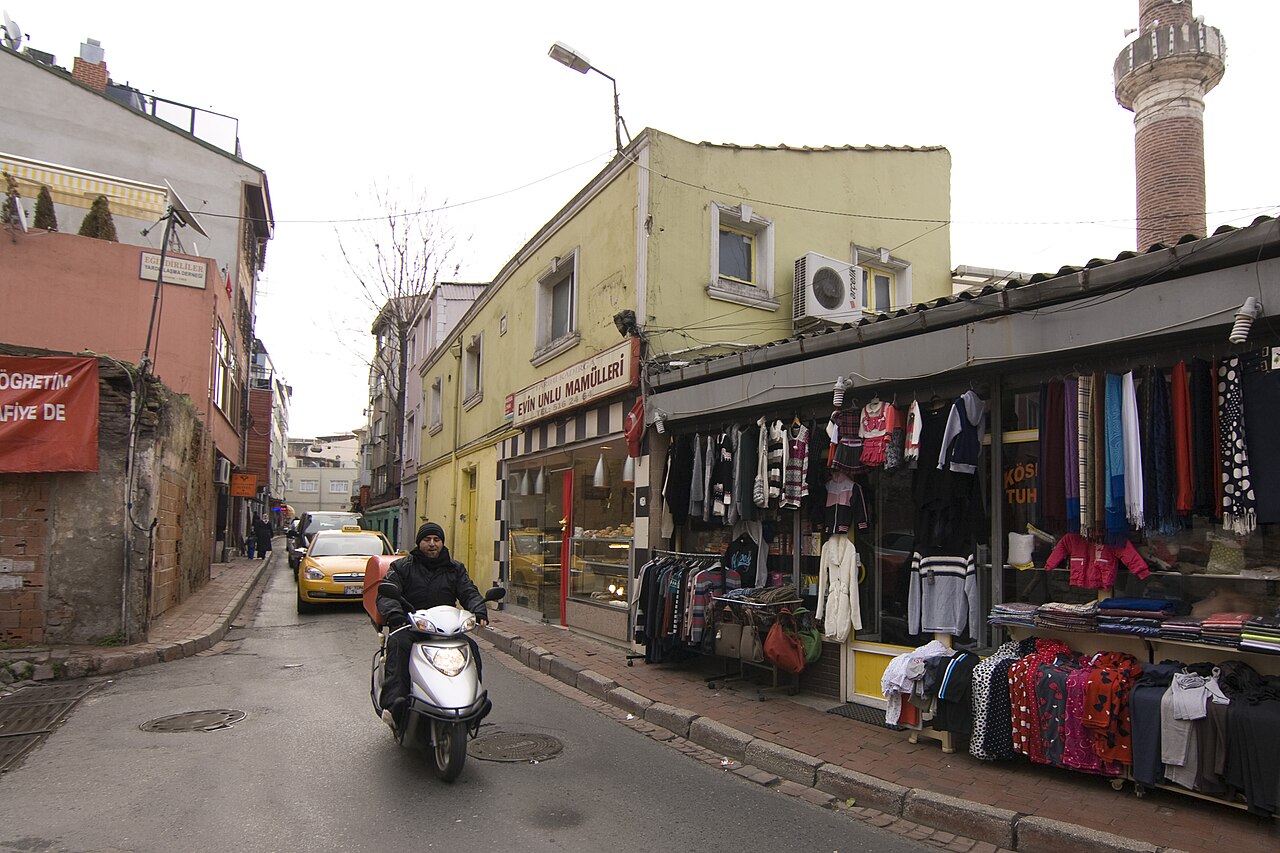
2 min walk · Fatih
Arasta Bazaar
- Notable
- Market

Historic monument · Fatih, Istanbul
Sultanahmet Camii
| Monday | 04:00 – 23:00 |
|---|---|
| Tuesday | 04:00 – 23:00 |
| Wednesday | 04:00 – 23:00 |
| Thursday | 04:00 – 23:00 |
| Friday | 04:00 – 23:00 |
| Saturday | 04:00 – 23:00 |
| Sunday | 04:00 – 23:00 |
Checked 2026-08-31 · Source
| Per person | TRY 0.00 |
|---|
Checked 2026-08-31 · Source
Read from the OpenStreetMap access tags; anything not listed has no tag recorded.
Set the group type to family in the planner and the day window contracts to about three quarters of a solo day.
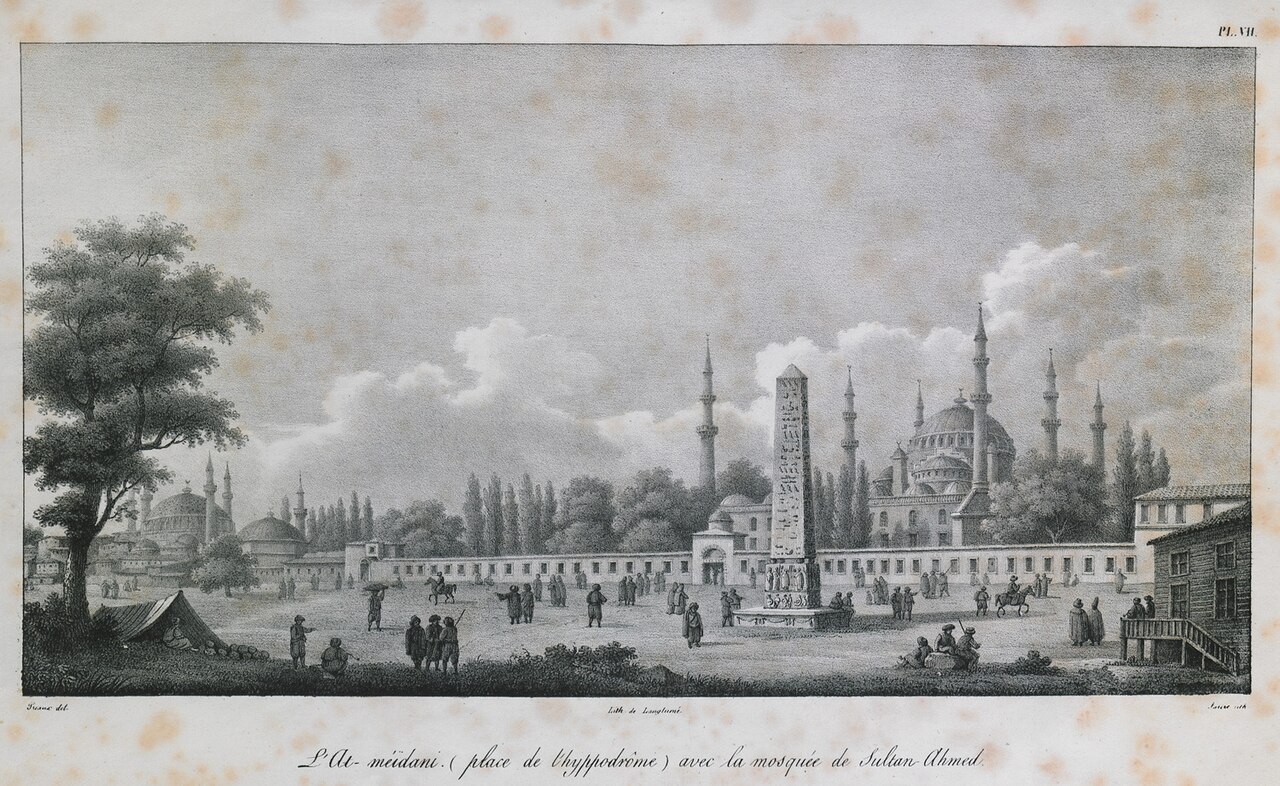
The Blue Mosque was built for Ahmed I between 1609 and 1617, and it is the only imperial mosque in Istanbul that faces Hagia Sophia across open ground rather than standing apart from it. Sedefkâr Mehmed Ağa, from Elbasan, designed it. He had trained under Sinan and built for size and splendour rather than for Sinan's restraint — the mosque that resulted is the last of the great classical Ottoman foundations rather than the best of them. Ahmed I died around the time it opened. Yes. Entry is free and donations are voluntary. A signed ramped visitor route reaches the prayer hall, with staff managing wheelchairs around carpeted worship areas. Shoes are removed; headscarves and covering garments are available near the tourist entrance. Sultan Ahmed Mosque: The mosque opens daily from the dawn prayer through the night prayer. Sightseeing is admitted between services and pauses during each prayer; Friday noon worship creates the longest visitor closure. Admission is free. Donations to the mosque are voluntary and no sightseeing ticket is sold. A signed ramped visitor route reaches the prayer hall, with staff managing wheelchairs around carpeted worship areas. Shoes are removed; headscarves and covering garments are available near the tourist entrance. Take T1 tram to Sultanahmet and cross At Meydanı to the tourist entrance on the Hippodrome side. Coaches stop outside the pedestrian core, so the final approach is on foot or wheelchair.
Checked 2026-08-31 · Source
Twenty-one thousand and forty-three tiles, and that number is not an estimate. The İznik tilework on the lower walls runs to 21,043 pieces in more than fifty designs, in blue, green, red, black and turquoise. The blue is what gave the building its English name; Turkish calls it the Sultanahmet Camii after its patron. The central dome is 23.5 m across and 43 m high — smaller than Hagia Sophia's on both counts, which is the comparison the building invites and loses. Sightseeing takes place between the five daily prayers and pauses while worship is in progress. Take T1 tram to Sultanahmet and cross At Meydanı to the tourist entrance on the Hippodrome side. Coaches stop outside the pedestrian core, so the final approach is on foot or wheelchair.
Checked 2026-08-31 · Source
Forty-five minutes, and the courtyard deserves fifteen of them. The prayer hall is one space and the tilework is the reason to stand still in it. Add the courtyard, the six minarets from outside, and Ahmed I's mausoleum next door, and the visit is an hour. It sits across a park from Hagia Sophia, with the Hippodrome on its other side and the Basilica Cistern five minutes away. Half a day covers all four. The midday congregational prayer produces a longer tourist closure than on other days.
Checked 2026-08-31 · Source
The mosque opens daily from the dawn prayer through the night prayer. Sightseeing is admitted between services and pauses during each prayer; Friday noon worship creates the longest visitor closure. Prayer, maritime weather, conservation, security and dated events can replace ordinary access. Shoulders and knees must be covered, women cover their hair, and shoes are removed before the carpet.
Checked 2026-08-31 · Source
Admission is free. Donations to the mosque are voluntary and no sightseeing ticket is sold. The base amount and currency follow the official operator tariff. Transport, inner sections, evening programmes and separately operated venues remain excluded unless named. Yes. A ramped visitor route reaches the main prayer hall, with staff direction at busy times.
Checked 2026-08-31 · Source
Take T1 tram to Sultanahmet and cross At Meydanı to the tourist entrance on the Hippodrome side. Coaches stop outside the pedestrian core, so the final approach is on foot or wheelchair. Use the named gate, pier or stop because the historic peninsula, hills and controlled compounds can separate entrances and exits. Personal photography is allowed when it does not disturb worshippers; flash and posed activity in prayer areas are inappropriate.
Checked 2026-08-31 · Source
A signed ramped visitor route reaches the prayer hall, with staff managing wheelchairs around carpeted worship areas. Shoes are removed; headscarves and covering garments are available near the tourist entrance. Yes. Entry is free and donations are voluntary. Sightseeing takes place between the five daily prayers and pauses while worship is in progress. The midday congregational prayer produces a longer tourist closure than on other days. Worship, shoe removal, crowds and historic surfaces remain relevant. The mosque opens daily from the dawn prayer through the night prayer. Sightseeing is admitted between services and pauses during each prayer; Friday noon worship creates the longest visitor closure.
Checked 2026-08-31 · Source
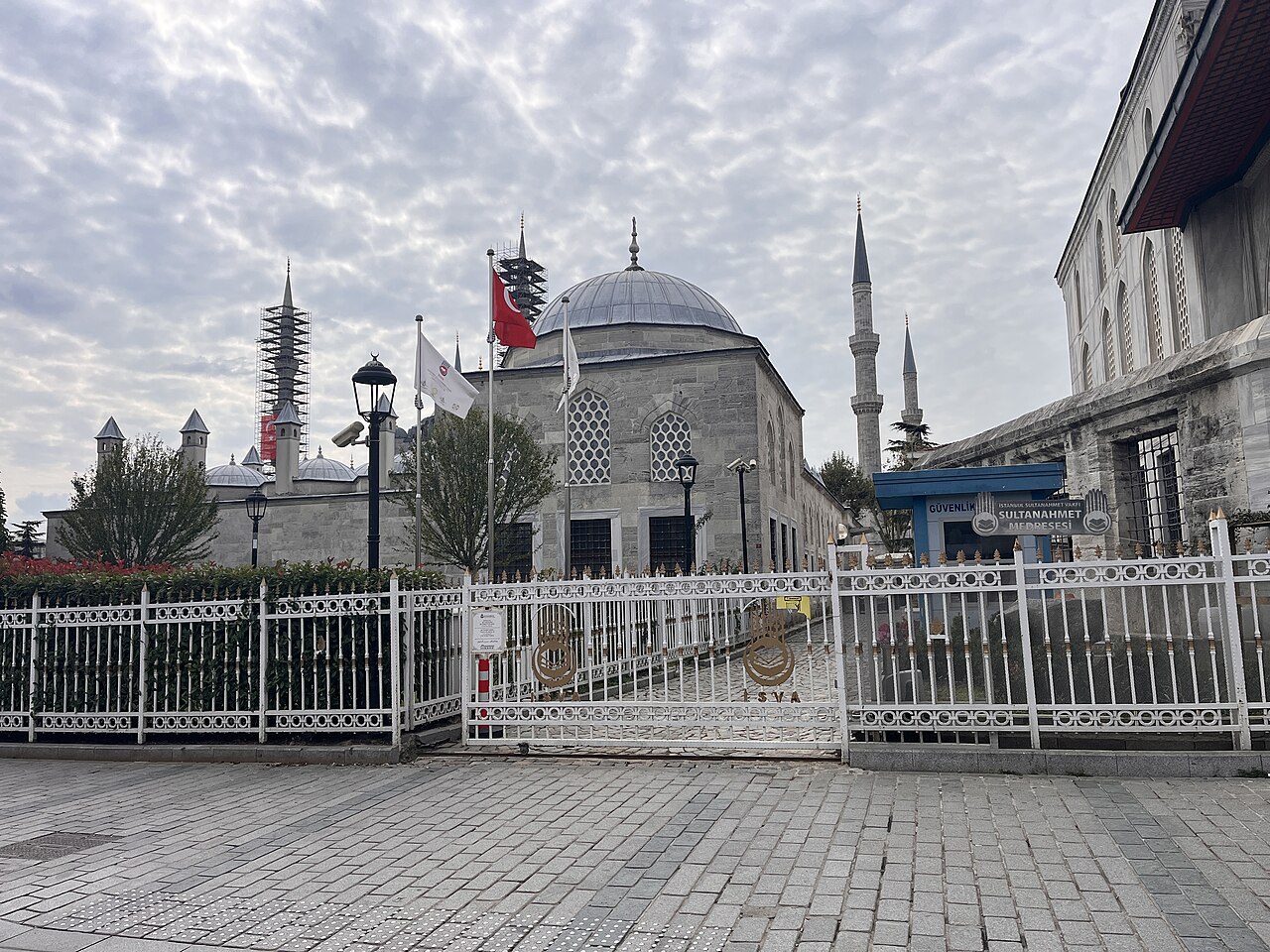
The six minarets are the identifying shot and they need distance. From the Hippodrome side, or from the park between here and Hagia Sophia, all six fit in a frame; from the courtyard they do not. Inside, the tilework is the subject and the light is low. Expose for the tiles rather than for the windows, and leave the flash off — it flattens glaze and it is rude in a prayer hall. Admission is free. Donations to the mosque are voluntary and no sightseeing ticket is sold.
Checked 2026-08-31 · Source
Yes. Entry is free and donations are voluntary.
Sightseeing takes place between the five daily prayers and pauses while worship is in progress.
The midday congregational prayer produces a longer tourist closure than on other days.
Shoulders and knees must be covered, women cover their hair, and shoes are removed before the carpet.
Yes. A ramped visitor route reaches the main prayer hall, with staff direction at busy times.
Personal photography is allowed when it does not disturb worshippers; flash and posed activity in prayer areas are inappropriate.
Loading the interactive map…
The interactive map could not be loaded.
Last updated:
Source: OpenStreetMap contributors, Wikidata ·