


1 min walk · Fatih
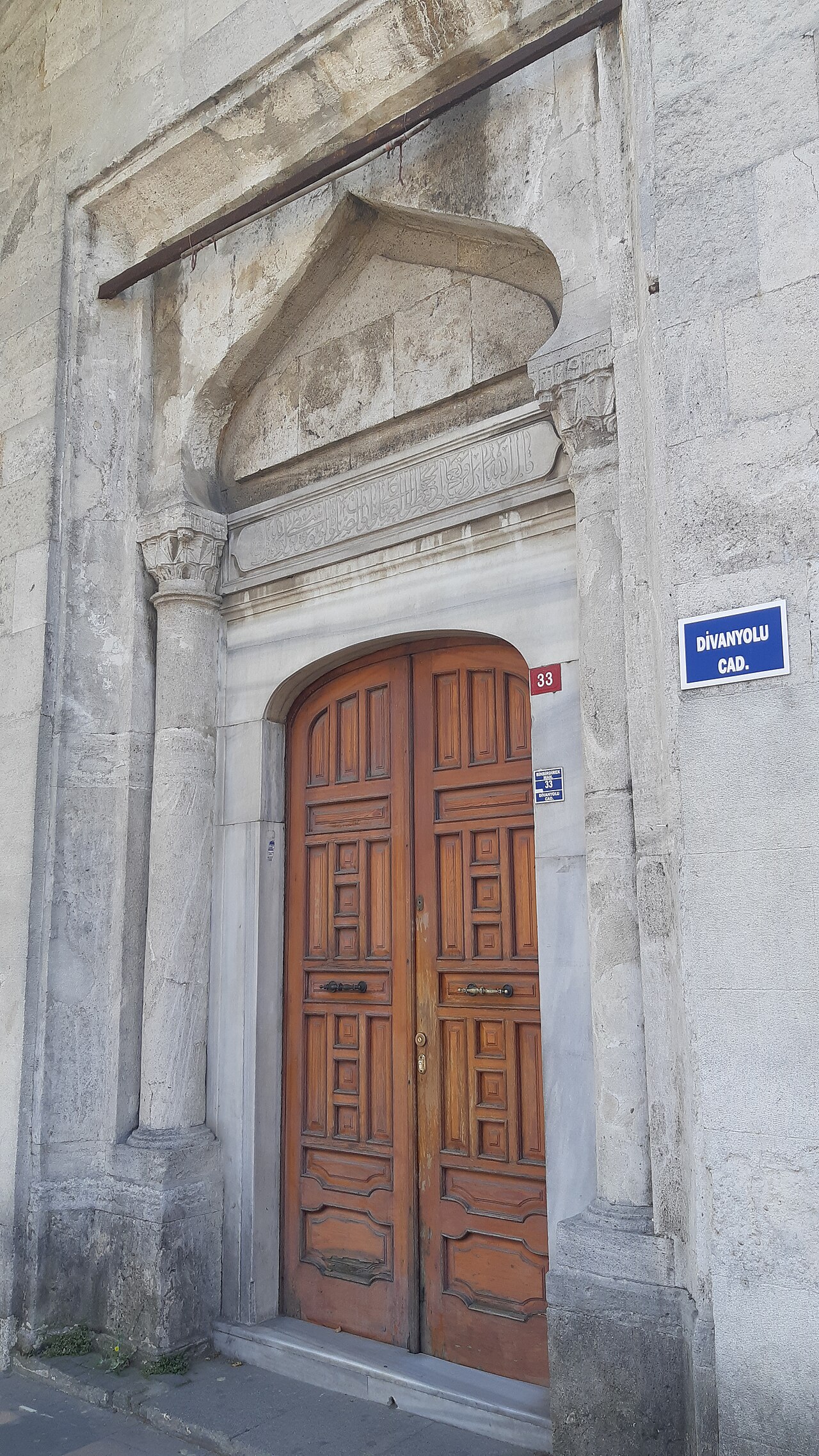
Köprülü Mehmet Paşa Mosque
- High · Heritage site
- Place of worship
Historic site · Fatih, Istanbul
Çemberlitaş Sütunu
| Monday | 00:00 – 23:59 |
|---|---|
| Tuesday | 00:00 – 23:59 |
| Wednesday | 00:00 – 23:59 |
| Thursday | 00:00 – 23:59 |
| Friday | 00:00 – 23:59 |
| Saturday | 00:00 – 23:59 |
| Sunday | 00:00 – 23:59 |
Checked 2026-08-31 · Source
Not recorded
Source · Checked 2026-08-31
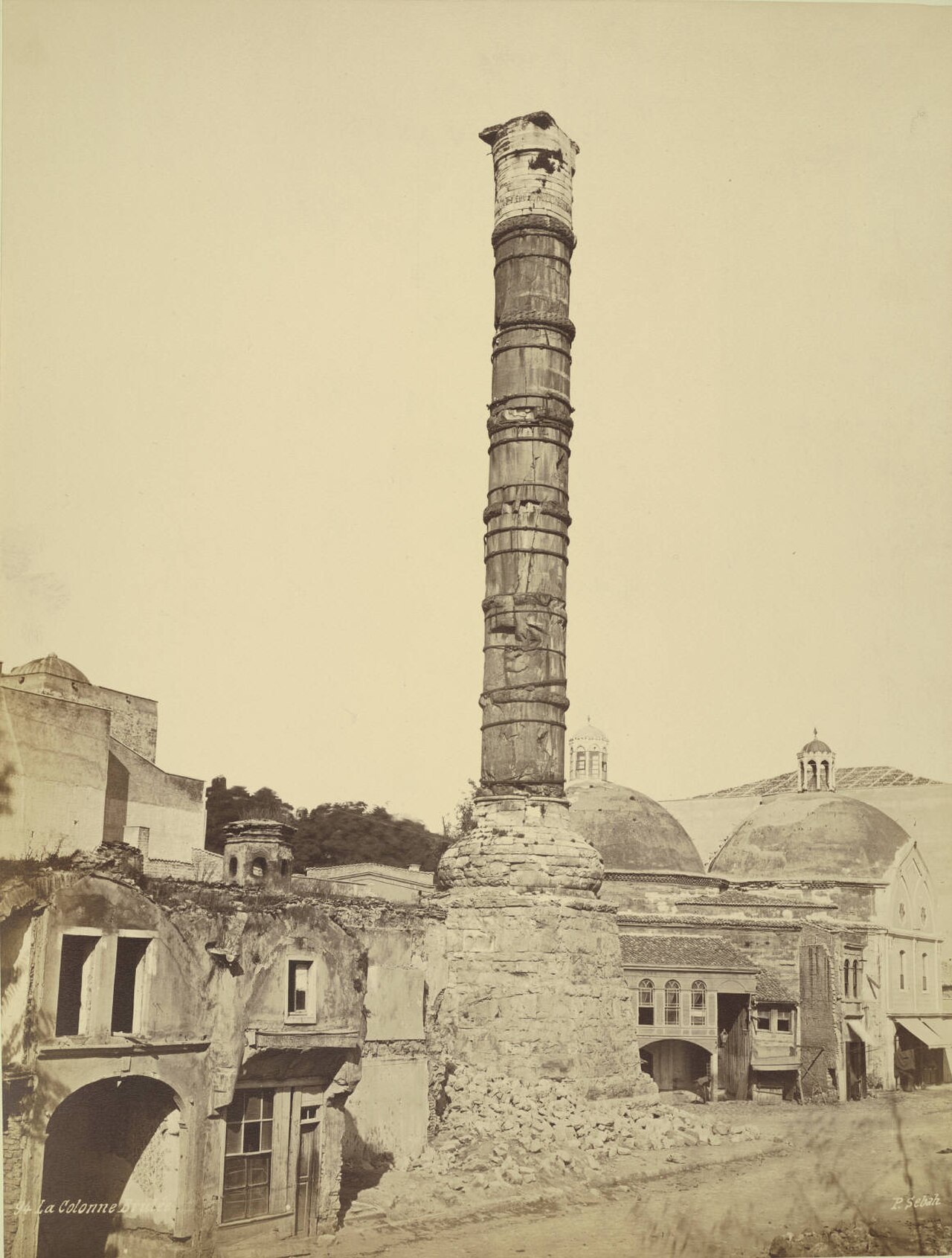
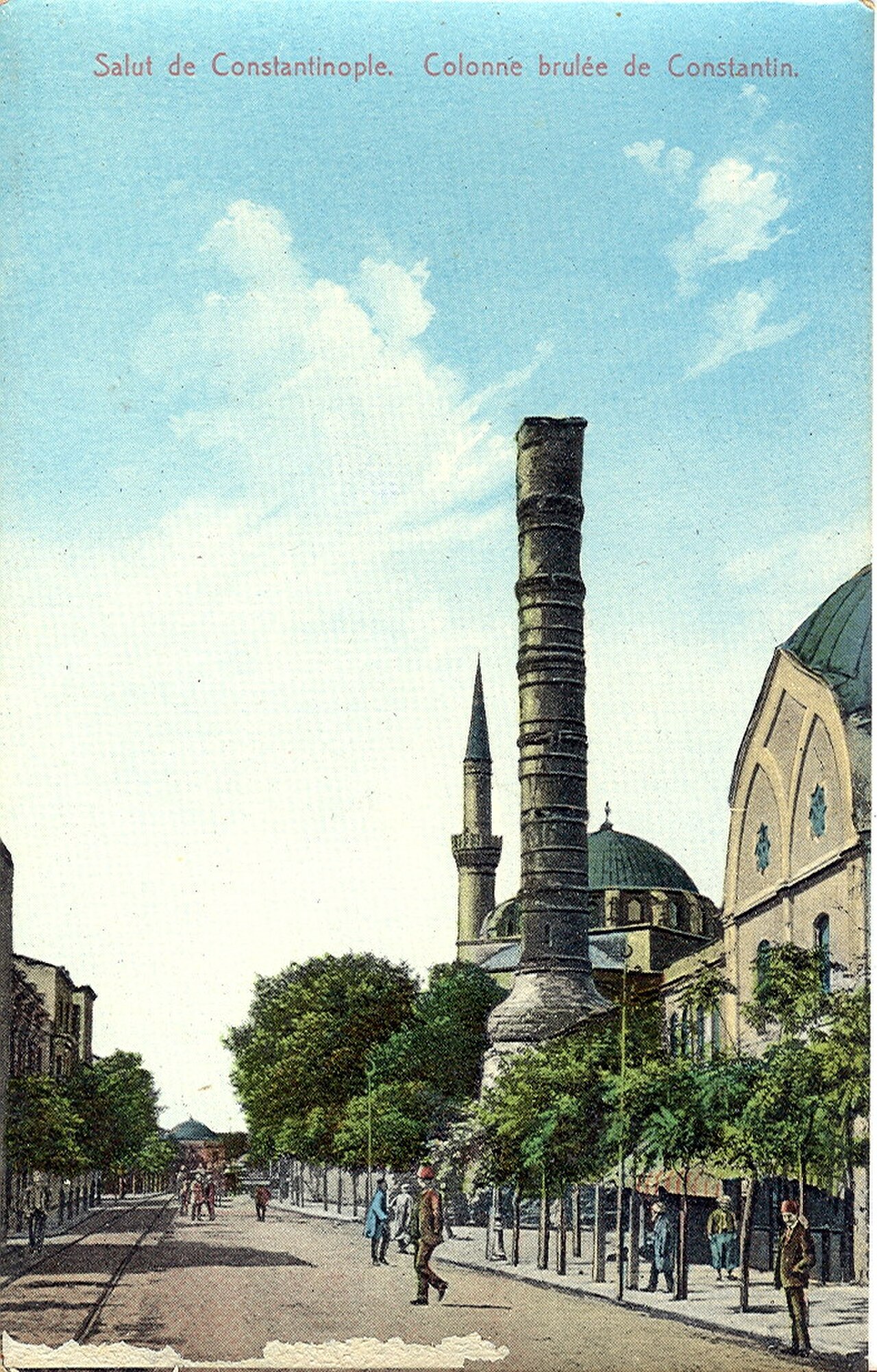
A single shaft of Egyptian porphyry stands in the middle of Çemberlitaş Square on Divan Yolu, banded with iron and blackened along one side. It was completed around 328 and dedicated on 11 May 330, the day Constantinople was formally inaugurated as a capital, and it stood at the centre of Constantine's own forum. Its Turkish name explains its appearance: çemberli, hooped, plus taş, stone. Iron reinforcing hoops were fitted around the shaft in about 1515 and they are the first thing anyone notices. Level pavements and curb ramps reach the surrounding square; a protective perimeter prevents direct access to the stone base. Column of Constantine: The outdoor column is visible 24 hours daily from Çemberlitaş Square; barriers may surround it during conservation or utility works. Viewing the monument is free. T1 tram stops at Çemberlitaş directly beside the column; Grand Bazaar's eastern gates are a few minutes west.
Checked 2026-08-31 · Source
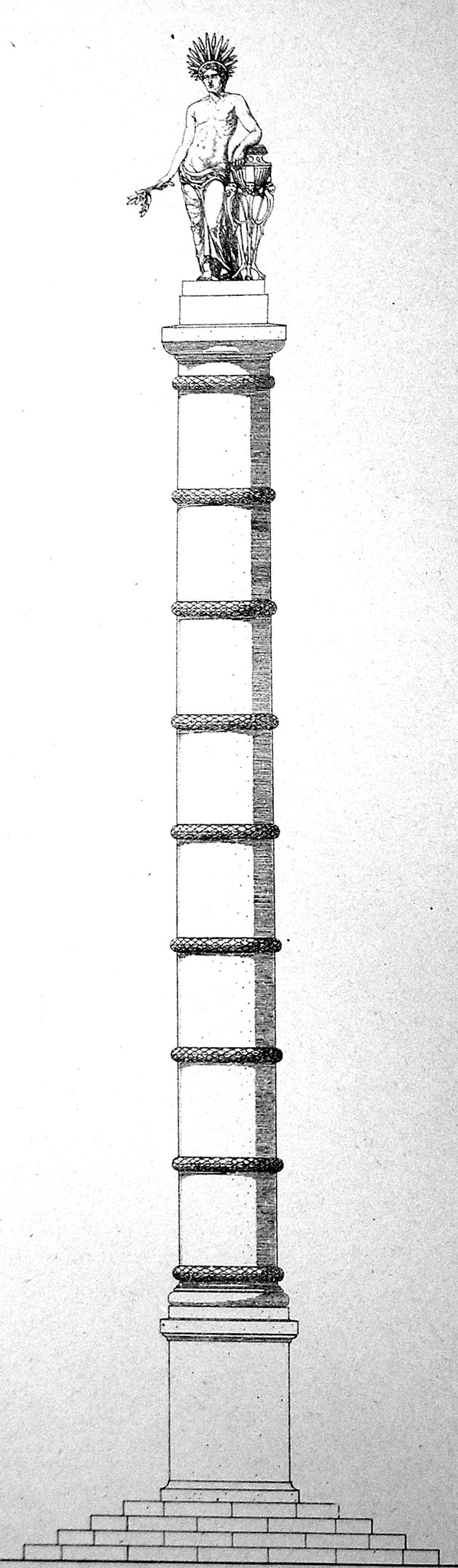
Nothing is enterable, but the column is a stack of losses worth knowing before you look at it. It carried a bronze statue of Constantine holding a spear and an orb, wearing a seven-point radiate crown; the orb was said to hold a fragment of the True Cross. A gale brought the statue and three upper drums down in 1106, and Manuel I Komnenos replaced it with a cross, which the Ottomans removed after 1453. It is an outdoor public monument. T1 tram stops at Çemberlitaş directly beside the column; Grand Bazaar's eastern gates are a few minutes west.
Checked 2026-08-31 · Source
Ten minutes. There is no interior, no circuit and no queue — the column is a single vertical object in a square, and the visit consists of walking around its railed base, reading the plaque and taking two or three photographs. Padding this stop is a mistake. The protected column is not open for climbing.
Checked 2026-08-31 · Source
The Column of Constantine is an outdoor monument visible at all hours from Çemberlitaş Square. Daylight reveals the iron reinforcement bands, porphyry drums and fire-darkened surface most clearly. Early morning reduces tram and pedestrian congestion; conservation or utility barriers can temporarily move the closest viewpoint without closing the surrounding public square.
Checked 2026-08-31 · Source
Viewing the Column of Constantine and its protected base is free. The monument has no interior, tower climb or paid enclosure. Visitors remain on the paved public square outside the railing, directly beside Çemberlitaş tram stop. Conservation fencing must not be crossed, and nearby Grand Bazaar tours or guided historic-peninsula walks are independent paid products.
Checked 2026-08-31 · Source
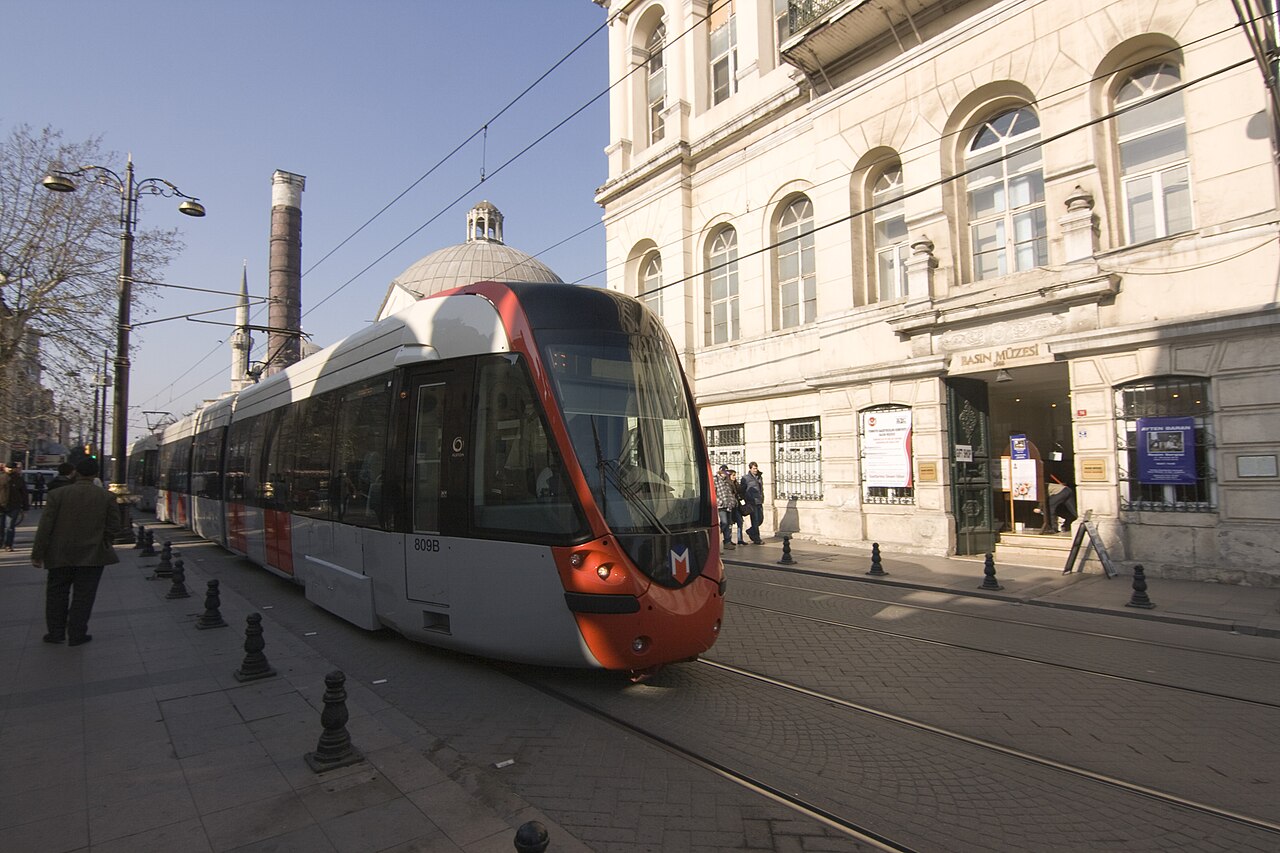
T1 tram stops at Çemberlitaş directly beside the column; Grand Bazaar's eastern gates are a few minutes west. Use the named entrance, stop or pier because hills, controlled sites and narrow historic streets change the practical approach.
Checked 2026-08-31 · Source
Level pavements and curb ramps reach the surrounding square; a protective perimeter prevents direct access to the stone base. It is an outdoor public monument. The protected column is not open for climbing. Historic surfaces, crowds and security remain relevant. The outdoor column is visible 24 hours daily from Çemberlitaş Square; barriers may surround it during conservation or utility works.
Checked 2026-08-31 · Source
This is a tall, narrow subject in a tight square, which is the hardest combination there is. The column reaches 34.8 metres above the present ground level, so the only way to hold all of it is a wide lens from the far side of Divan Yolu, accepting the tram wires that will cross the frame. The better pictures are the ones that give up on the whole object. Viewing the monument is free.
Checked 2026-08-31 · Source
Yes, viewing the monument is free.
No. It is an outdoor public monument.
No. The protected column is not open for climbing.
Yes, level pavements and curb ramps reach the surrounding square.
Fire damage darkened and fractured the porphyry drums over centuries.
The T1 tram stops at Çemberlitaş, directly beside the column.
Loading the interactive map…
The interactive map could not be loaded.
Last updated:
Source: OpenStreetMap contributors, Wikidata ·